What is holistic hospice care: a guide for California families
What is holistic hospice care: a guide for California families
TL;DR:
- Holistic hospice care treats the whole person, emphasizing comfort, emotional, spiritual, and social support. The interdisciplinary team collaboratively provides personalized services to enhance quality of life at home in California. Early enrollment and timely involvement of the team improve outcomes and ease the transition for families facing end-of-life challenges.
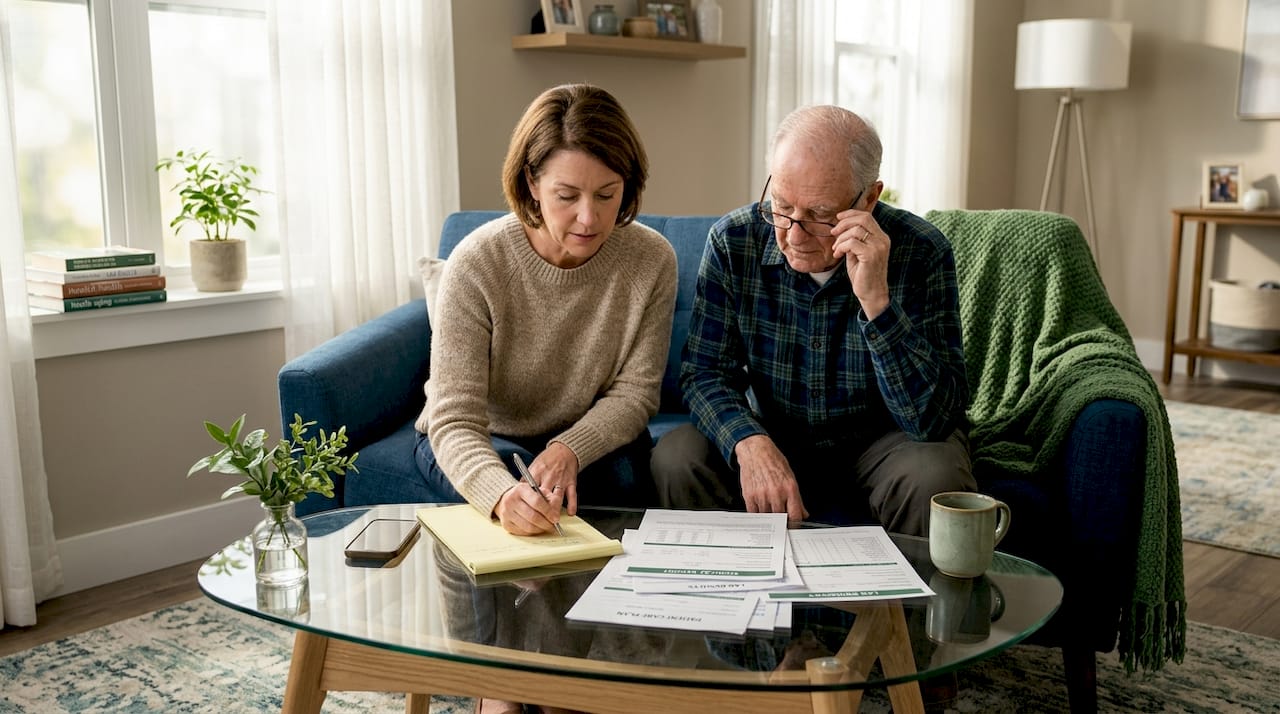
When a loved one receives a terminal diagnosis, most families immediately think of doctors, medications, and treatment plans. What they often don’t realize is that hospice care reaches far beyond the physical. Understanding what is holistic hospice care can transform the experience for your entire family, turning life’s final chapter from one defined by medical appointments into one shaped by comfort, dignity, and genuine human connection. This guide explains exactly what that means for families in California caring for a terminally ill loved one at home, and why it matters more than most people expect.
Table of Contents
- What is holistic hospice care and how does it differ from other end-of-life support?
- The interdisciplinary team behind holistic hospice care: who they are and what they do
- How holistic hospice care works at home in California: levels of care and services covered
- Why early and coordinated hospice involvement improves outcomes for patients and families
- What most people don’t know about holistic hospice care in California homes
- Compassionate hospice care services tailored to your family’s needs
- Frequently asked questions
Key Takeaways
| Point | Details |
|---|---|
| Holistic hospice definition | Hospice care addresses physical, emotional, social, and spiritual needs of terminally ill patients comprehensively. |
| Interdisciplinary team care | A coordinated team including nurses, social workers, chaplains, and physicians develops and updates individualized care plans. |
| California hospice coverage | Medi-Cal and Medicare fully cover hospice services at home with no out-of-pocket costs for eligible families. |
| Early hospice benefits | Starting hospice early improves patient comfort, reduces family stress, and prevents crises during end-of-life care. |
| Spiritual and bereavement support | Hospice provides inclusive spiritual care and supports families up to one year after the patient’s death. |
What is holistic hospice care and how does it differ from other end-of-life support?
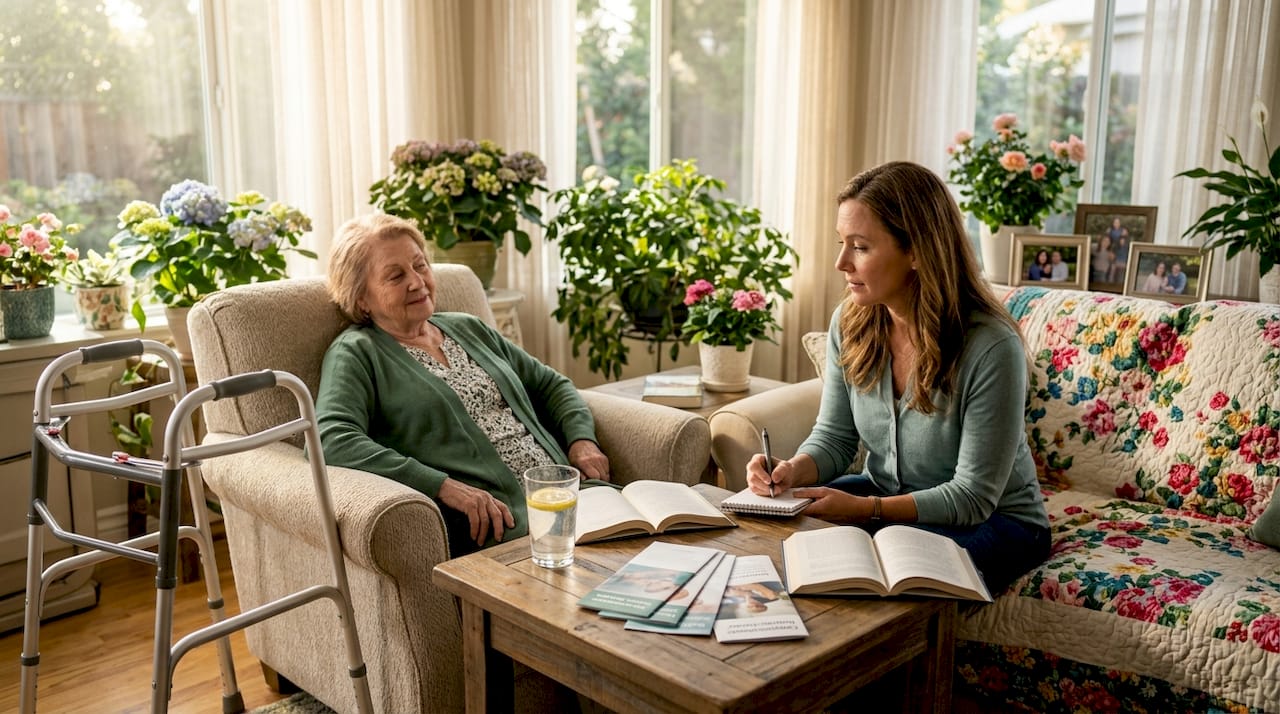
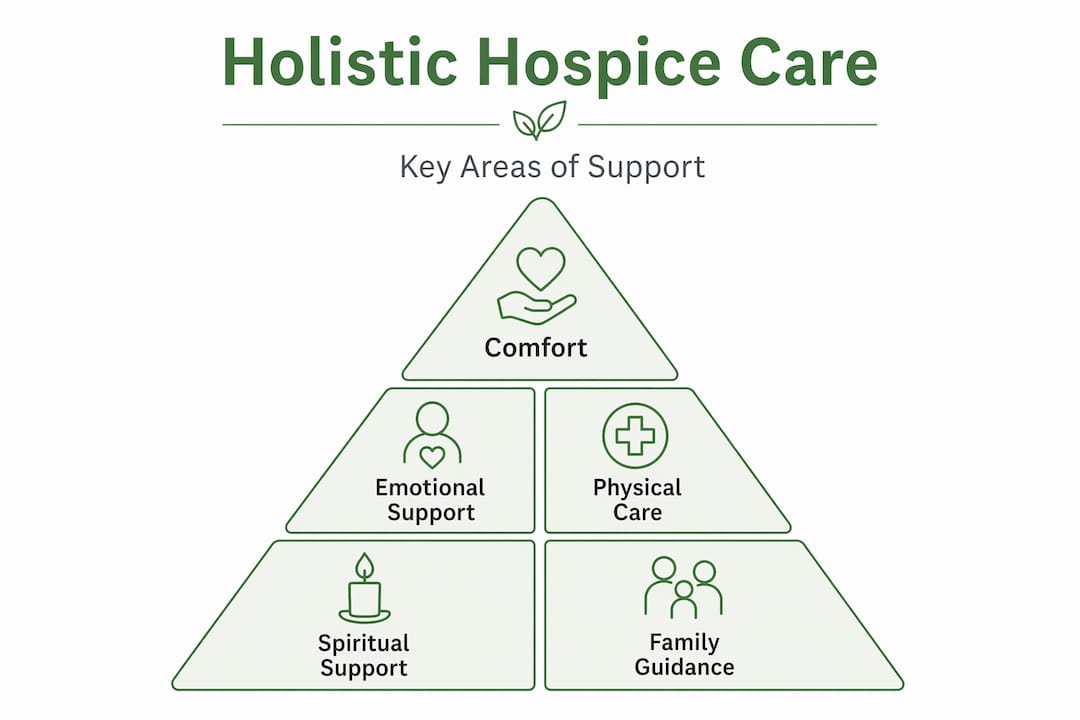
Holistic hospice care is an approach to end-of-life support that treats the whole person, not just their illness. It addresses physical symptoms, emotional distress, spiritual concerns, and social needs all at once, through a coordinated team working in your loved one’s home. As a holistic interdisciplinary approach, hospice provides expert medical care, pain management, and emotional and spiritual support for patients with advanced illness who are expected to live six months or less.
This is where many families get confused. Palliative care can run alongside curative treatments, meaning a patient can still pursue aggressive therapies while receiving some comfort support. Hospice care is different. To qualify, your loved one must have a prognosis of six months or less, and the focus shifts away from trying to cure the illness toward maximizing comfort and quality of life. That is not giving up. That is a deliberate choice to redirect care toward what matters most.
A few things that define holistic end-of-life care:
- Physical comfort: Pain, breathlessness, nausea, and other symptoms are managed carefully and consistently.
- Emotional support: Counseling and ongoing presence help patients and families process fear, grief, and anxiety.
- Spiritual care: Chaplains support meaning-making and peace, regardless of religious background.
- Social support: Social workers help navigate family dynamics, financial concerns, and community resources.
- Family as part of the care unit: Your wellbeing matters too, not just as a caregiver but as a person going through loss.
If you’re not sure whether your loved one might qualify, a hospice assessment guide for caregivers can help you understand the criteria and what to expect at intake.
Now that you understand the essence of holistic hospice care, let’s explore who provides this care and how it is organized.
The interdisciplinary team behind holistic hospice care: who they are and what they do
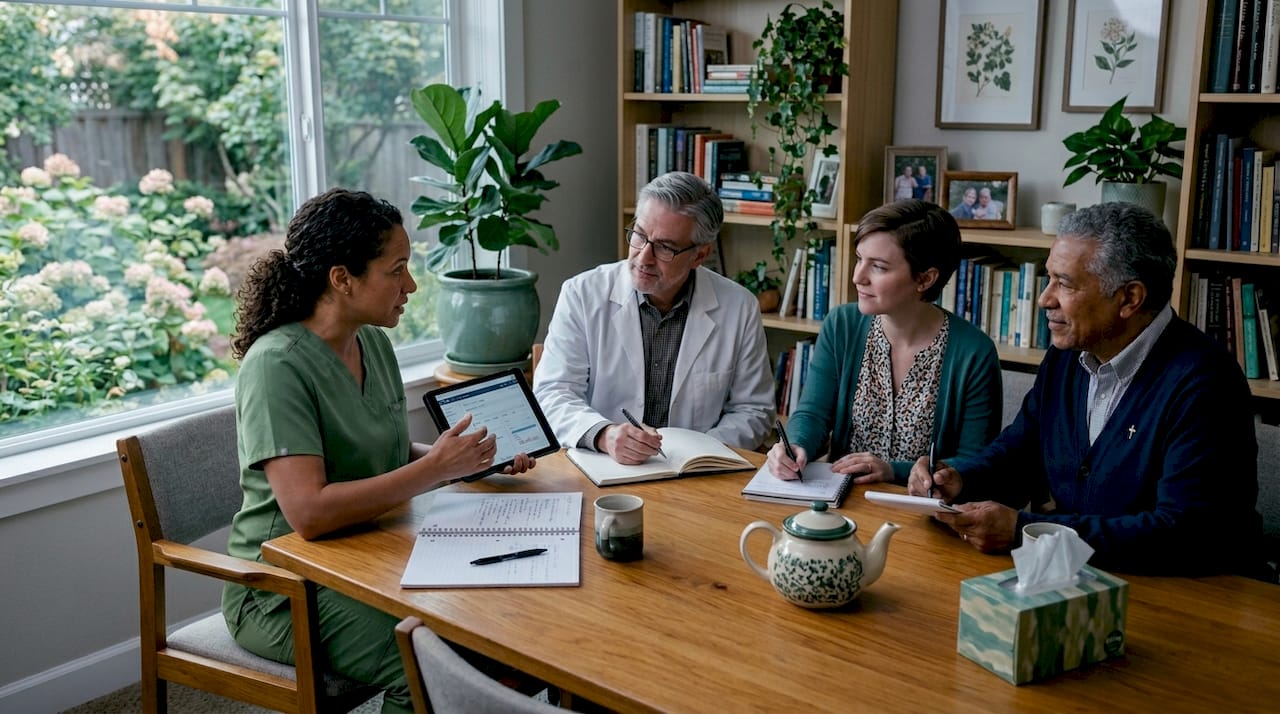
Hospice care doesn’t come from a single nurse or doctor working alone. It is delivered through an Interdisciplinary Group (IDG), a coordinated team of professionals who each contribute something distinct to your loved one’s care. CMS guidelines require this group to include a physician, registered nurse, social worker, chaplain, certified aides, and trained volunteers, all working together to develop and continuously update an individualized plan of care.
Here is what each member brings:
- Hospice physician: Oversees symptom management, certifies eligibility, and collaborates with your loved one’s personal doctor.
- Registered nurse (RN): The most frequent presence in the home, monitoring symptoms, managing medications, and educating family caregivers.
- Social worker: Addresses emotional, financial, and practical concerns. This person often uncovers distress that no one else would think to ask about.
- Chaplain: Provides spiritual support tailored to any belief system, including no religious belief at all. Learn more about the role of spiritual care in hospice.
- Home health aides: Assist with bathing, grooming, and personal care to maintain dignity and comfort.
- Volunteers: Offer companionship, respite, and practical help like errands or sitting with patients so caregivers can rest.
- Bereavement counselor: Supports your family for up to one year after your loved one passes. Explore bereavement support options available to California families.
What makes this team powerful is not just its composition but how it communicates. The IDG meets regularly to review your loved one’s plan, share observations across disciplines, and adjust care as needs change. If the nurse notices increased pain and the chaplain notices growing anxiety, those two facts connect. The response can address both together.
Pro Tip: Ask for a social worker and chaplain to be involved from day one, even if your loved one seems emotionally stable. Early involvement helps uncover concerns before they become crises, and building trust with these team members takes time.
With a clear picture of the team involved, let’s look at how hospice care is practically delivered in California homes.
How holistic hospice care works at home in California: levels of care and services covered
Most families in California are surprised to learn how much is covered and how little they pay out of pocket. Medi-Cal fully covers hospice care for eligible patients at home, mirroring Medicare’s structure, including two 90-day benefit periods followed by unlimited 60-day periods. The focus throughout is on meeting physical, psychological, social, and spiritual needs to keep your loved one comfortable and at home.
There are four levels of care your loved one may receive, depending on their condition at any given time:
| Level of care | When it applies | What it involves |
|---|---|---|
| Routine Home Care | Most of the time | Scheduled visits by nurses, aides, social workers, chaplains |
| Continuous Home Care | During a medical crisis | 8 or more hours of nursing per day to manage acute symptoms at home |
| General Inpatient Care | When symptoms can’t be managed at home | Short-term inpatient stay for pain or symptom control |
| Respite Care | To relieve family caregivers | Up to 5 days of inpatient care so caregivers can rest |
Routine Home Care is the level most families experience day to day. Importantly, daily reimbursement applies even on days without a home visit, as long as care is being delivered according to the plan. This matters because it means the team remains accountable for your loved one’s comfort every single day, not just when someone shows up at the door.
A few things families often don’t realize are included in home hospice services:
- Medications related to the terminal diagnosis
- Medical equipment such as hospital beds, wheelchairs, and oxygen
- Supplies like bandages and incontinence products
- 24-hour on-call nursing support for urgent concerns
Pro Tip: Keep a running log of your loved one’s symptoms between visits. When the nurse arrives, this record helps the team make faster, more accurate adjustments to the care plan. Small details like sleep disruptions or appetite changes can signal important shifts.
For a deeper look at how each care level works in practice, the hospice care levels guide for California families and information on hospice coverage in California are both worth reading.
Now that you understand how hospice services are delivered at home, let’s examine why timely hospice enrollment matters for families in California.
Why early and coordinated hospice involvement improves outcomes for patients and families
One of the most consistent findings in hospice care is that families who enroll earlier do better. Not just the patient but the entire family. The IDG approach works precisely because it addresses physical, medical, psychosocial, emotional, and spiritual needs together, with coordinated updates that reduce caregiver strain and prevent crises from developing in isolation.
When hospice begins weeks or months before the end of life rather than days, your loved one benefits from:
- Better-controlled pain and symptoms over a longer stretch of time
- A relationship with the care team built on trust, not urgency
- Caregiver education that prepares you before situations become overwhelming
- Fewer unnecessary emergency room visits and hospitalizations
- The chance to express wishes about comfort, environment, and meaning while still able to communicate clearly
The statistics behind this are sobering. Only 61% of eligible patients who could benefit from hospice actually use it, with average stays of just 9.1 days. That means the majority of people who enroll in hospice are only accessing it at the very end, when much of what the team could have offered has already passed.
“The hospice team prevents siloed care. When emotional and spiritual distress go unaddressed, they surface as physical symptoms. When physical symptoms worsen, emotional distress follows. This is why the team approach isn’t a bonus. It is the treatment.”
Early enrollment also sets the foundation for bereavement support. Families who have spent more time with the hospice team tend to grieve with more resources around them. The transition from caregiving to loss is painful for everyone. Having a counselor who already knows your family’s story makes that transition less isolating.
For practical guidance on this process, the end-of-life hospice planning guide and answers to common hospice questions in California are both helpful starting points.
What most people don’t know about holistic hospice care in California homes
After working closely with families navigating hospice care in California, a few things stand out as consistently surprising, even to people who have done their research.
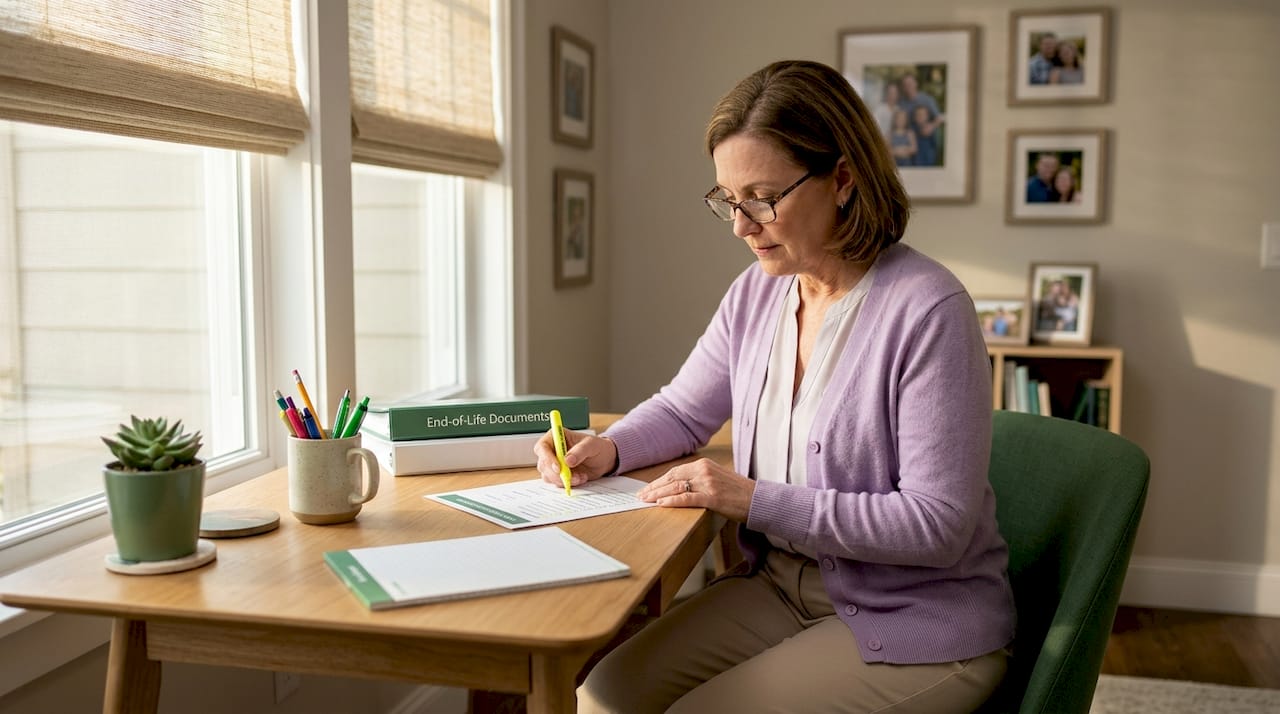
The first is paperwork. California Medi-Cal requires hospice attestation within five days of election for reimbursement, and plans must align with Medicare’s four levels. Many families arrive at intake without the physician certification, election form, or a documented symptom timeline, which slows everything down. Bring these documents from the start. This practical step protects your access to care.
The second is what chaplains actually do. Most people picture a religious figure offering prayers. The reality is far broader. Chaplains tailor support to any belief system, including none at all. They sit with patients who feel afraid, help families find words for grief they can’t articulate, and address the existential questions that nobody else on the medical team is trained to handle. Delaying their involvement doesn’t protect your loved one from difficult feelings. It just means those feelings go unaddressed longer.
The third is the connection between emotional distress and physical symptoms. In at-home California hospice settings, unmanaged grief and anxiety in the family don’t stay separate from the patient’s experience. They bleed into the room. A social worker or chaplain who gets involved early can interrupt that cycle before it starts.
Finally, families routinely underestimate how much the regular team visit workflow teaches them. Each visit is an opportunity for caregiver training, not just patient assessment. Knowing how to reposition your loved one, manage breakthrough pain, or recognize the signs of decline gives you confidence and reduces panic. The steps to successful home hospice are learnable. You don’t have to figure it out alone.
Compassionate hospice care services tailored to your family’s needs
Now that you’re familiar with holistic hospice care, you deserve a team that brings all of this to your family’s door with genuine warmth and expertise. At Graceland Hospice, our interdisciplinary team provides personalized hospice care services for terminally ill patients throughout California, addressing physical, emotional, social, and spiritual needs as one coordinated effort. We accept Medi-Cal and Medicare, so cost is rarely a barrier to getting your loved one the care they deserve. From caregiver education to bereavement support, every step is guided by compassion and built around your family’s unique needs. Explore our full range of hospice services in California and contact us today for a free consultation.
Frequently asked questions
What does holistic hospice care include for a terminally ill loved one?
Holistic hospice care addresses physical symptoms, emotional and spiritual support, social needs, and family education to provide comfort and dignity in the final months of life. It treats the whole person, not just the illness.
How is hospice care covered by Medi-Cal for families in California?
Medi-Cal fully covers hospice for eligible patients at home, including two 90-day benefit periods followed by unlimited 60-day periods, with zero out-of-pocket costs for services related to the terminal condition.
Who makes up the hospice care team and what do they do?
The hospice interdisciplinary team includes physicians, nurses, social workers, chaplains, aides, and volunteers who collaborate to meet the physical, emotional, spiritual, and social needs of patients and their families.
Why is early enrollment in hospice important for families?
Early enrollment allows the IDG team to maximize comfort and reduce caregiver strain through coordinated care planning, symptom management, and family education before a crisis develops.
What spiritual supports are available through hospice care?
Hospice chaplains provide care tailored to any religious belief or no belief at all, helping patients and families find meaning, peace, and emotional grounding during end-of-life.