Best bereavement support options in California: 13 months free
Best bereavement support options in California: 13 months free
TL;DR:
- California families are entitled to at least 13 months of free hospice bereavement support including counseling and group sessions.
- Multiple support options exist, such as individual therapy, support groups, online programs, and specialized services for unique needs.
- Early and ongoing engagement in grief support, including anticipatory care, helps prevent complicated grief and promotes recovery.
Losing someone you love while navigating the end of hospice care is one of the hardest things a family can face. In those first raw weeks, the last thing you need is confusion about where to turn for grief support. California families actually have more bereavement options than most realize, ranging from federally mandated free counseling through your hospice provider to digital text-based programs with 86% long-term retention. This guide walks you through how to evaluate your choices, what you’re entitled to by law, and how to match the right support to your family’s unique situation.
Table of Contents
- How to evaluate bereavement support options
- Hospice bereavement programs: What every California family gets
- Other bereavement support types: Counseling, groups, and digital resources
- Specialized programs: Support for unique situations
- Comparing your options: Which support is right for you?
- The overlooked truth about bereavement support in California
- How Graceland Hospice Care supports bereaved families
- Frequently asked questions
Key Takeaways
| Point | Details |
|---|---|
| Mandated support duration | California hospice families receive free bereavement services for at least 13 months after loss. |
| Many support types available | Options include counseling, support groups, text-based aids, and specialized programs for youth or unique situations. |
| Quality matters | Looking for high CAHPS scores and asking about program flexibility helps ensure a better fit for your needs. |
| Specialized help exists | Support groups for MAiD, young people, and culturally specific needs are available and effective. |
| Personalization is key | Grief is not one-size-fits-all; combine formal care with what feels most supportive to your family. |
How to evaluate bereavement support options
Now that you know what’s at stake, let’s break down how to evaluate which bereavement support option fits best. Not all grief programs are created equal, and choosing one during an emotionally vulnerable time means you need clear criteria before you start making calls.
Here are the key factors to weigh when comparing bereavement services:
- Duration of support: Does the program offer short-term crisis help or longer follow-up care? Look for at least 13 months of availability.
- Types of intervention: Individual counseling, group sessions, and virtual formats each serve different needs. Think about what feels most comfortable for your family.
- Accessibility: Is the service available in your area, or does it offer remote options? Transportation and scheduling matter more than people expect.
- Cost: Many hospice-based programs are free. Community and private options vary widely, so always ask upfront.
- Provider reputation: Look for Medicare-certified hospice providers and check publicly reported quality scores.
One reliable way to gauge quality is through the CAHPS Hospice Survey, a standardized tool that measures family experience across multiple care domains, including bereavement. High-performing hospices score above California averages, with top providers reaching 90% or higher on family recommendation rates compared to the state average of 83%.
Families researching hospice care basics often discover that bereavement support is built into the care model from the start, not added on afterward. That matters because early engagement in grief support, even before a loved one passes, can prevent what clinicians call “complicated grief,” a prolonged and more severe form of mourning that can interfere with daily functioning.
Pro Tip: Ask any prospective hospice provider how they measure bereavement outcomes. Providers who track results are more likely to deliver meaningful follow-up care.
For families already exploring finding support after loss, understanding what the research says about bereavement intervention effectiveness can help you ask better questions and feel more confident in your choice.
Hospice bereavement programs: What every California family gets
With your evaluation framework in mind, here’s what every California family is entitled to through their hospice provider.
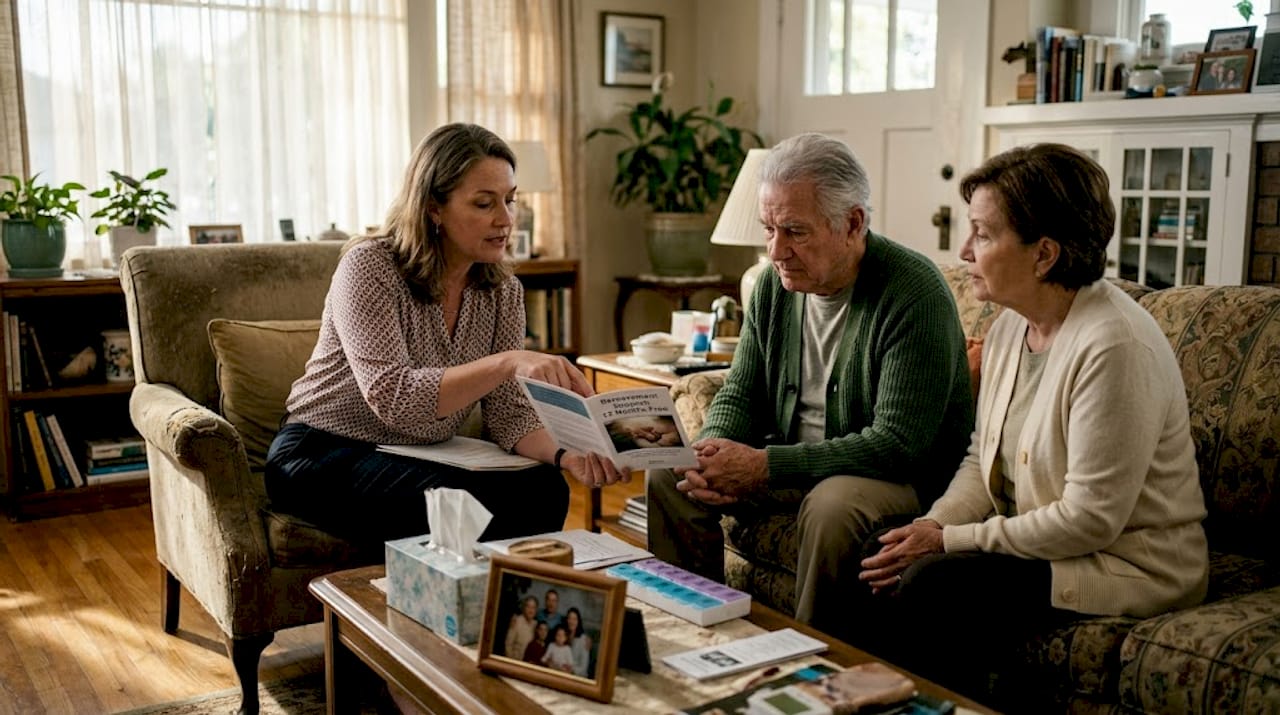
Federal law requires Medicare-certified hospices to provide bereavement support to families for a minimum of 13 months after a patient passes. That’s not optional, and it’s not subject to insurance approval. California hospice regulations mandate that this support includes counseling, group resources, and educational materials, typically provided at no cost to the family.
Here’s what a standard hospice bereavement program typically includes:
- Individual grief counseling with a licensed social worker or counselor
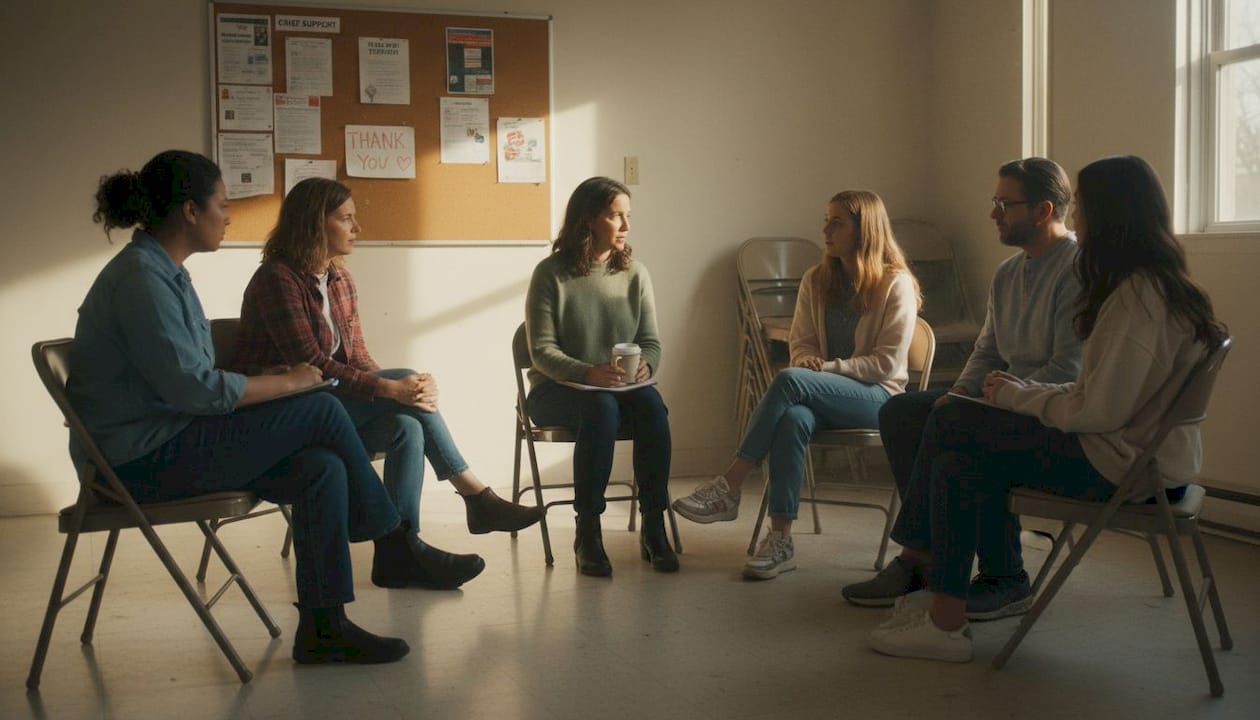
- Group support sessions where families connect with others who understand the experience
- Educational materials on the stages of grief, self-care, and coping strategies
- Phone check-ins at key intervals, such as one month, six months, and one year after the loss
- Referrals to community resources when additional support is needed
California law ensures no hospice family is left unsupported after a loss.
Some hospices go well beyond the minimum. They may offer art therapy, music therapy, or memorial events that bring families together in meaningful ways. The examples of hospice services available through quality providers often surprise families who assumed support ended at the time of death.
Social workers in hospice play a central role in coordinating bereavement care, often beginning conversations about grief long before a loved one passes. This anticipatory support is one of the most underused and most valuable parts of the hospice model.
Pro Tip: Ask your hospice provider whether their bereavement groups are open to community members, not just families of current patients. Many programs welcome the broader public, which can expand your support network significantly.
New text-based programs, supported by Grief Coach intervention evidence, are also being integrated into some hospice bereavement plans, offering a flexible complement to in-person services.
Other bereavement support types: Counseling, groups, and digital resources
Beyond hospice-funded services, families have several other valuable bereavement support options. These can be used alongside your hospice program or independently if you’re not connected to a hospice provider.
Grief interventions have strong empirical backing. Research shows they reduce grief intensity and depression symptoms, and higher quality end-of-life care correlates with lower grief severity, with one study finding 74.8% of participants experiencing normal, manageable grief levels when care quality was high.
| Support type | Cost | Accessibility | Best for |
|---|---|---|---|
| Licensed therapist | Varies, often insurance covered | Moderate | Complex or prolonged grief |
| Peer-led support group | Free or low cost | High in urban areas | Community connection |
| Faith-based programs | Usually free | Varies by community | Spiritual comfort |
| Online support groups | Free or low cost | Very high | Flexibility, anonymity |
| Text-based services | Free or subscription | Very high | Men, seniors, busy schedules |
Text-based options like Grief Coach have shown 86% long-term retention over 13 months and are especially popular with men and older adults who may feel less comfortable in traditional group settings.
Here are signs a particular service might be the right fit for you:
- You need flexible scheduling around work or caregiving
- You prefer anonymity or aren’t ready for face-to-face interaction
- Cultural or language-specific support matters to your family
- You live in a rural area with limited in-person options
- You want to complement existing grief counseling after loss with additional touchpoints
Families managing ongoing caregiving responsibilities will also find that caregiver support in hospice often transitions naturally into bereavement care, making the shift less abrupt and more supported.
Specialized programs: Support for unique situations
Some situations require niche or specialized bereavement supports designed for distinctive experiences or populations. A one-size approach simply doesn’t serve everyone.
Families who have lost a loved one through Medical Aid in Dying (MAiD), a legal option in California, often face a complex mix of emotions that standard grief groups may not address well. Specialized counselors and peer groups focused on MAiD losses understand the unique ethical, emotional, and relational dimensions involved. These programs create space for grief that can include relief, guilt, and profound love all at once.
Children and teenagers grieve differently than adults. Youth-focused bereavement programs account for developmental stage, using age-appropriate language, creative activities, and peer connection to help young people process loss without feeling isolated or misunderstood.
Statistic callout: Text-based grief programs achieve 86% engagement over 13 months, making them one of the most consistent options for populations less likely to attend in-person groups, including seniors and men.
Consider specialized support when:
- The loss involved a unique circumstance such as MAiD, sudden death, or traumatic illness
- A child or teen in the family needs age-appropriate grief guidance
- Cultural, religious, or language needs aren’t met by general programs
- Standard group settings feel uncomfortable or inaccessible
- Spiritual care in hospice was an important part of your loved one’s journey and you want that to continue
For families receiving care at home, palliative support for families often includes early conversations about specialized bereavement resources, so ask your care team before a loss occurs. Research on quality of dying consistently shows that preparation and early connection to support lead to better outcomes for surviving family members.
Comparing your options: Which support is right for you?
With the main options outlined, here’s how each one stacks up so you can decide what works best for you.
California hospice utilization data shows that 48.5% of Medicare decedents use hospice, with a median length of stay of 31 days and 76% of discharges going to home hospice in 2023. That means the majority of California families have access to mandated bereavement support, but many don’t use it fully.
| Support option | Who it’s best for | Typical cost | Duration |
|---|---|---|---|
| Hospice bereavement program | All hospice families | Free | 13 months |
| Individual therapy | Complex grief, trauma | Insurance or out-of-pocket | Ongoing |
| Community support group | Those seeking connection | Free to low cost | Open-ended |
| Online or text-based | Flexible schedules, rural areas | Free or subscription | 13 months+ |
| Faith-based program | Spiritually oriented families | Usually free | Varies |
Quick matching guide:
| Your need | Recommended option |
|---|---|
| Need flexibility | Virtual or text-based formats |
| Need structure | Individual counseling |
| Need community | In-person support groups |
| Need cultural fit | Faith-based or culturally specific groups |
| Need it free | Hospice bereavement program |
The best approach is usually to start with your hospice bereavement program, since it’s free and already coordinated with your care team, and then layer in community or online supports as your needs evolve. Explore hospice care resources to understand how bereavement fits into the broader care picture.
The overlooked truth about bereavement support in California
As you consider your next steps, it’s worth sharing a perspective that numbers can’t always capture: grief is not a problem to be solved on a schedule.
Too many families treat bereavement support as a checklist item. They attend a few sessions, check in at the one-month mark, and assume the work is done. But grief doesn’t follow a timetable, and the most meaningful support is the kind that adapts as you change. What you need at week two is rarely what you need at month eight.
Quality metrics like the CAHPS Hospice Survey matter because they push providers to maintain strong programs, and California hospice regulations tie performance to payment, which incentivizes robust bereavement care. But a high score doesn’t guarantee a human connection. The families who fare best tend to combine formal supports with informal networks, friends, faith communities, neighbors, and online peers who show up consistently over time.
We’ve seen that early anticipatory support, starting grief conversations before a loved one passes, prevents the most severe forms of complicated grief. Yet it remains one of the most underutilized tools available. If you’re still in the caregiving phase, now is the time to ask about insight on caregiver support and begin building your bereavement network before you need it urgently.
How Graceland Hospice Care supports bereaved families
If you want local, compassionate help that goes above and beyond, here’s what Graceland Hospice Care provides.
At Graceland Hospice Care, bereavement support isn’t an afterthought. It’s woven into every stage of the care journey, from the first family meeting through the months following a loss. We meet all federally mandated requirements for 13 months of free bereavement support, and we go further with personalized follow-up, community referrals, and a genuine commitment to each family’s well-being. Our team treats every individual with deep compassion and ensures no family faces grief alone. Explore our bereavement resources or contact us today for a free consultation. We’re here when you need us most.
Frequently asked questions
What bereavement support is included with California hospice care?
Medicare-certified hospices must offer at least 13 months of free bereavement support to families, including individual counseling, group sessions, and educational resources.
Are grief support services available to non-hospice families in California?
Many hospices and community agencies extend grief support to the broader public, sometimes at no cost. Some hospices open their bereavement groups to community members beyond current hospice families, so it’s always worth asking.
Do grief interventions really help with depression or anxiety?
Yes. Targeted grief interventions reduce depression and grief intensity, particularly when paired with high-quality end-of-life care that begins the support process early.
What bereavement support is available for youth or special cases like MAiD losses?
Dedicated programs for children, teens, and unique circumstances like MAiD are available through select hospices, community organizations, and online platforms. Specialized programs address the developmental and emotional nuances that general grief groups may miss.
How do I measure the quality of a bereavement support program?
Review CAHPS Hospice Survey results and family recommendation rates. Top California hospices exceed the state average, with the best programs reaching 90% or higher on family satisfaction scores.
Recommended
- Grief and Bereavement: Finding Support After Loss | Graceland Hospice Care Blog
- Why Choose At-Home Hospice for Orange County Families | Graceland Hospice Care Blog
- Blog & Resources | Graceland Hospice Care
- Role of Caregivers in Hospice – Making End-of-Life More Compassionate | Graceland Hospice Care Blog
- How to find aftercare support in Los Angeles: step-by-step | Glendora Recovery Center