Dignity in Dying Checklist: A Caregiver's Guide

Dignity in Dying Checklist: A Caregiver’s Guide
TL;DR:
- Planning for end-of-life care involves creating a detailed, personalized checklist that reflects an individual’s wishes and legal requirements.
- It is essential to update these documents regularly and ensure all relevant parties are informed to maintain dignity and reduce family conflict.
Planning for life’s final chapter is one of the most profound acts of love a person can offer. A well-prepared dignity in dying checklist gives individuals, caregivers, and families a clear, structured way to honor what matters most when facing end-of-life decisions. Without this preparation, families often find themselves overwhelmed by competing medical, legal, and emotional demands at exactly the moment they can least afford confusion. This guide walks through every essential component of that checklist, from legal documents and home care logistics to jurisdictional differences in assisted dying planning, so you can move forward with clarity and confidence.
Table of Contents
- Key takeaways
- 1. Understand what a dignity in dying checklist actually covers
- 2. Know the core legal and medical prerequisites
- 3. Build the essential home care checklist items
- 4. Compare assisted dying processes and documentation by jurisdiction
- 5. Personalize the checklist to fit individual needs
- 6. Use the checklist as a living document, not a one-time task
- A perspective on what really matters in this process
- How Gracelandhc supports your end-of-life planning
- FAQ
Key takeaways
| Point | Details |
|---|---|
| Start legal documents early | Sign advance directives and designate a health care agent while you are still legally competent. |
| Build a centralized binder | Keep medications, contacts, and directives in one place so caregivers and clinicians can act quickly. |
| Know your jurisdiction | Assisted dying rules differ significantly by location, and not all requests can be made through advance directives. |
| Personalize the checklist | Cultural values, spiritual preferences, and family dynamics should shape every section of the plan. |
| Planning reduces family conflict | Clear, written preferences for dying remove guesswork and protect relationships during an emotional time. |
1. Understand what a dignity in dying checklist actually covers
A dignity in dying checklist is not a single form or a one-size-fits-all document. It is a living collection of decisions, legal papers, care preferences, and communication plans that together make sure a person’s final days reflect their values. What is a dying checklist? At its core, it includes advance directives, health care agent designation, and specially curated resources to prepare legally and emotionally for end-of-life.
The checklist serves two audiences at once. It protects the patient’s wishes by putting them in writing before a crisis. It also protects the family and care team by removing the need to guess, debate, or improvise under pressure.
2. Know the core legal and medical prerequisites
Before filling out any form, you need to understand the foundational requirements that make end-of-life documents legally valid. These vary by state and country, but several principles apply broadly.
Key legal prerequisites to address first:
- Legal competency: Documents must be signed while the person is mentally capable of making informed decisions. Securing legal documents early prevents crises caused by cognitive decline.
- Terminal illness qualification: For assisted dying specifically, most jurisdictions require a confirmed terminal diagnosis with a limited life expectancy, often six months or less.
- Advance directive types: A Living Will states treatment preferences. A Durable Power of Attorney for Health Care names the person who will make decisions if you cannot speak for yourself.
- Health care agent selection: Choose someone who understands your values deeply and can advocate firmly under pressure, not simply the closest family member.
- Witness and notarization requirements: Most states require two witnesses or a notary signature for advance directives to be legally binding.
Pro Tip: Complete your advance directives well before any diagnosis becomes serious. The moment health is in question, legal capacity can become difficult to confirm, and your documents may not hold up.
Washington State’s “End of Life Ready” program offers free 75-minute sessions covering advance care planning, legal options, and Death with Dignity resources. Programs like this are a practical starting point regardless of where you live.
3. Build the essential home care checklist items
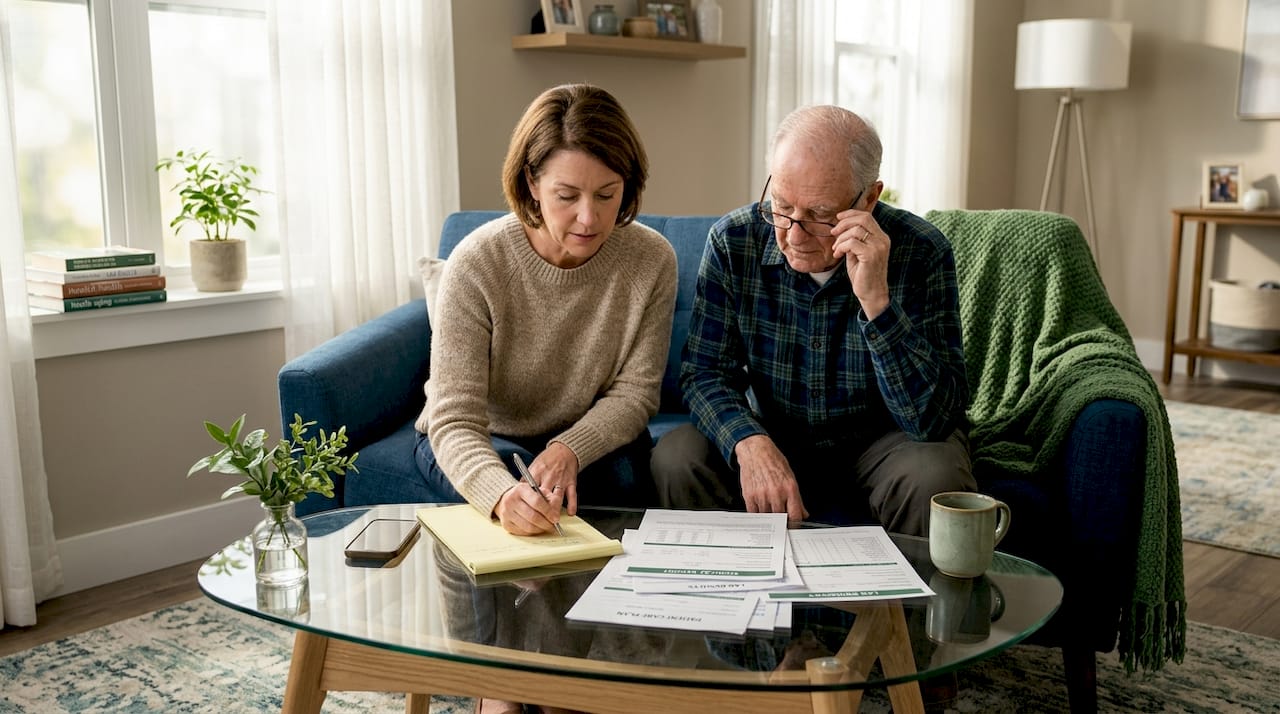
For families managing a loved one’s final days at home, organization is care. Centralizing patient information dramatically improves emergency response and honors patient dignity during home deaths. The single most practical tool is a “Hospice Binder,” a physical or digital folder that any clinician or caregiver can open immediately.
Here are the numbered items your dignity in dying checklist should include for home-based care:
- Current medication list: Drug names, dosages, timing, and prescribing physicians. Update this every time anything changes.
- Emergency contacts: Primary care physician, hospice nurse, medical director, pharmacy, and designated family members with their relationship to the patient clearly labeled.
- Advance directives and POLST form: Place the original documents at the front of the binder. A POLST (Physician Orders for Life-Sustaining Treatment) translates your wishes into medical orders that first responders must follow.
- Insurance and financial documents: Medicare or Medicaid information, supplemental coverage, and documents related to funeral pre-planning or final expense coverage.
- Home environment preparation: Remove fall hazards, arrange a hospital bed or recliner for comfort, set up a bedside medication station, and confirm that the home address is clearly posted for emergency services.
- Communication plan: Decide in advance who calls which family members, who speaks to the media if relevant, and what the patient’s preferences are for visitors during the final days.
- Funeral and disposition preferences: Burial versus cremation, preferred funeral home, obituary wishes, and any meaningful rituals the patient wants honored.
Pro Tip: Ask your hospice nurse to review your binder at the first visit. They will spot gaps you might not notice, and having their input makes the document far more clinically useful.
A complete end-of-life guide for home hospice logistics can help caregivers fill in the details around symptom management and physical comfort that extend well beyond paperwork.

4. Compare assisted dying processes and documentation by jurisdiction
One of the most misunderstood areas of end-of-life planning is how assisted dying rules interact with standard advance directives. Many families assume that an advance directive automatically authorizes assisted dying. That assumption can create serious legal and emotional complications. Advance directives must remain distinct from assisted dying requests because legal frameworks require separate explicit patient requests at the right time.
Here is a comparison of key jurisdictions to help you understand the differences:
| Jurisdiction | Can assisted dying be requested in an advance directive? | Key requirements | Patient right to cancel |
|---|---|---|---|
| Washington State (U.S.) | No | Two oral requests 15 days apart, written request, two physicians confirm terminal illness | Yes, at any time |
| New Zealand | No | Patient must initiate request themselves, two doctor assessments, psychiatric review if needed | Yes, at any time |
| Oregon (U.S.) | No | Terminal diagnosis, two oral and one written request, 48-hour waiting period | Yes, at any time |
| Canada (MAID) | Partially | Track 1 allows advance requests under certain conditions; Track 2 for non-terminal eligible conditions | Yes, at any time |
The most important takeaway from this comparison is consistency. In nearly every jurisdiction, the patient must be competent and must personally initiate the assisted dying process. No document signed in advance can substitute for that direct, real-time request. Multiple physician assessments confirming terminal illness and informed consent are standard requirements across most frameworks, and patients retain the right to delay or cancel the process entirely at any point.
5. Personalize the checklist to fit individual needs
A dignity in dying checklist that does not reflect the actual person it belongs to is just paperwork. Planning for a meaningful death varies widely and requires early, personalized attention to values and culture. The most effective plans are built around specific conversations, not generic templates.
Consider these areas when personalizing your checklist:
- Cultural and spiritual preferences: Some traditions have specific rituals around dying, the body after death, or mourning periods. These should be documented explicitly so no well-meaning family member inadvertently overrides them.
- Preferred setting: Does the person want to die at home, in a hospice facility, or in another meaningful location? Naming this clearly prevents last-minute confusion.
- Who should be present: Some people want close family around them. Others prefer a quieter passing with fewer people. Both are valid, and both need to be stated in writing.
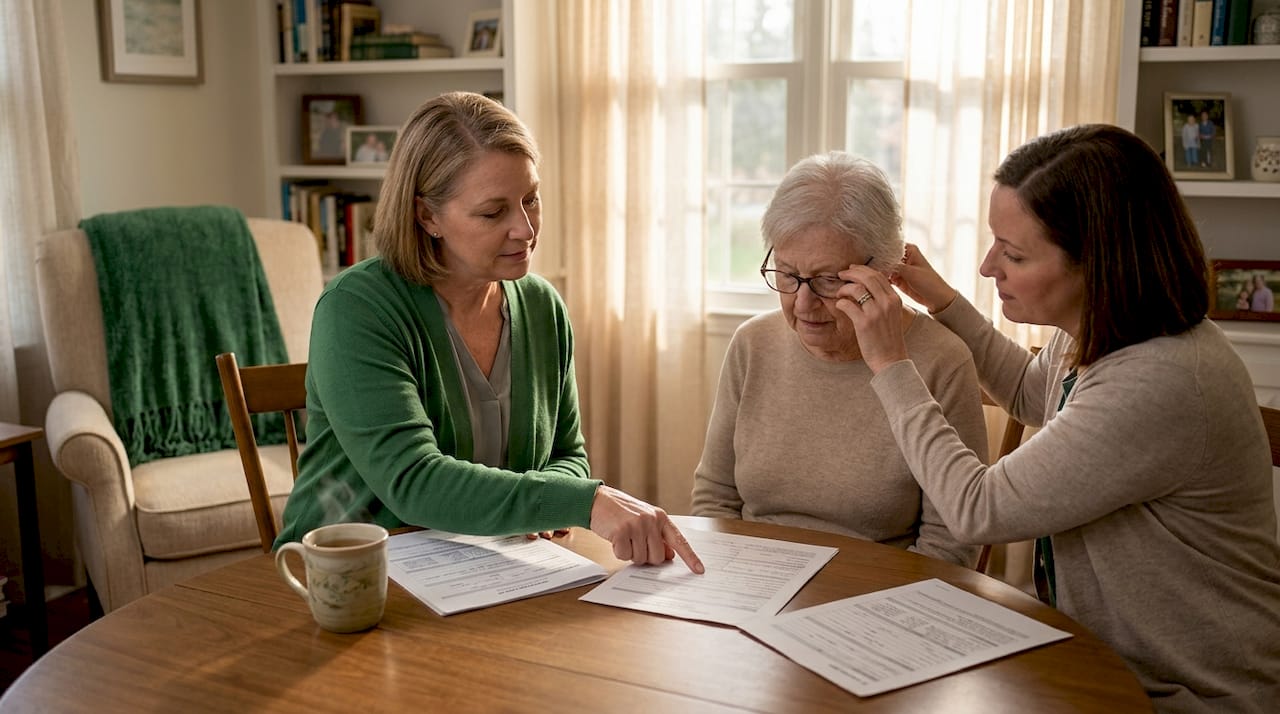
- Managing family conflict: When family members disagree about care decisions, a written plan is the most powerful tool available. Hospice planning shifts families from crisis reaction to intentional comfort-focused caregiving, reducing conflict and stress.
- Emotional and psychological support: List any therapists, chaplains, or support groups the patient and family would like involved. This is care too, not an optional extra.
- Caregiver self-care: Caregivers managing a loved one’s final days face their own grief and exhaustion. Build in specific plans for caregiver relief, whether through respite care, a rotating family schedule, or professional support.
Individualized planning that honors cultural expectations increases the likelihood of a peaceful and meaningful dying experience, for the patient and for the family witnessing it.
6. Use the checklist as a living document, not a one-time task
A dignity in dying checklist is not something you complete once and file away. Medical conditions change. Relationships shift. Laws are updated. A checklist that reflected someone’s wishes two years ago may not match what they want today.
Schedule a formal review of the checklist every six to twelve months, or immediately following any significant change in health status, family structure, or legal circumstances. Every time the checklist is updated, all relevant people should be notified. A new version of an advance directive does not automatically replace the old one in every system, so confirming that your physician, hospital, and health care agent all have the current document matters as much as creating it.
Caregivers organizing documentation and decisions at end-of-life benefit most from treating the checklist as an ongoing conversation rather than a completed task.
A perspective on what really matters in this process
I’ve worked with enough families navigating end-of-life planning to know that the most common regret is not starting sooner. People wait for a diagnosis, or for the right moment, or until they feel emotionally ready. That moment rarely arrives on schedule.
What I’ve found is that the families who navigate this period with the most grace are not the ones with the most elaborate plans. They’re the ones who had honest conversations early, wrote things down clearly, and revisited those documents when life changed. The checklist is not the hard part. The conversation is.
I’ve also noticed that many people treat patient dignity in death as something automatic, as if a peaceful end will simply happen if everyone means well. It doesn’t work that way. Dignity is created through specific decisions made in advance. It comes from a medication list that is current, a health care agent who knows what they are doing, and a family that is not arguing at the bedside because the person they love already told them exactly what they needed.
Start before you think you need to. Update it more often than feels necessary. And let the checklist be what it is: a gift you give to the people who will carry you forward.
— Sam
How Gracelandhc supports your end-of-life planning
At Gracelandhc, we understand that putting together a dignity in dying checklist can feel like an enormous weight to carry alone. Our team walks alongside families through every stage of this process, from reviewing advance directives and coordinating home care logistics to offering emotional support for caregivers managing the daily realities of a loved one’s final days. We take every detail seriously because we know each person deserves care that truly reflects who they are. Explore our compassionate hospice care services to learn how we provide comfort, dignity, and skilled support at home. You can also browse our full range of hospice and palliative services or reach out directly for a free consultation. We are here when you are ready.
FAQ
What is a dignity in dying checklist?
A dignity in dying checklist is a structured set of legal documents, care preferences, and communication plans that reflect a person’s wishes for their final stage of life. It typically includes advance directives, health care agent designation, medication lists, and personal preferences for dying.
Can an advance directive authorize assisted dying?
No. In most jurisdictions, including the United States and New Zealand, assisted dying requires a separate, direct request from a competent patient at the time of the decision. An advance directive alone cannot authorize it.
When should I start an end-of-life checklist?
Start as early as possible, ideally while you are in good health. Legal documents must be signed while you are mentally competent, and waiting until a serious diagnosis can limit your options or complicate the process.
What goes into a hospice binder for home care?
A hospice binder should include a current medication list, emergency contacts, advance directives, insurance information, and a POLST form. Centralizing this information helps clinicians and caregivers respond quickly and accurately during unexpected visits.
How do I personalize a dying checklist for cultural preferences?
Document specific cultural or spiritual rituals, your preferred setting for dying, who you want present, and any religious or community practices that should be honored. Writing these preferences clearly ensures they are respected even when family members may disagree.