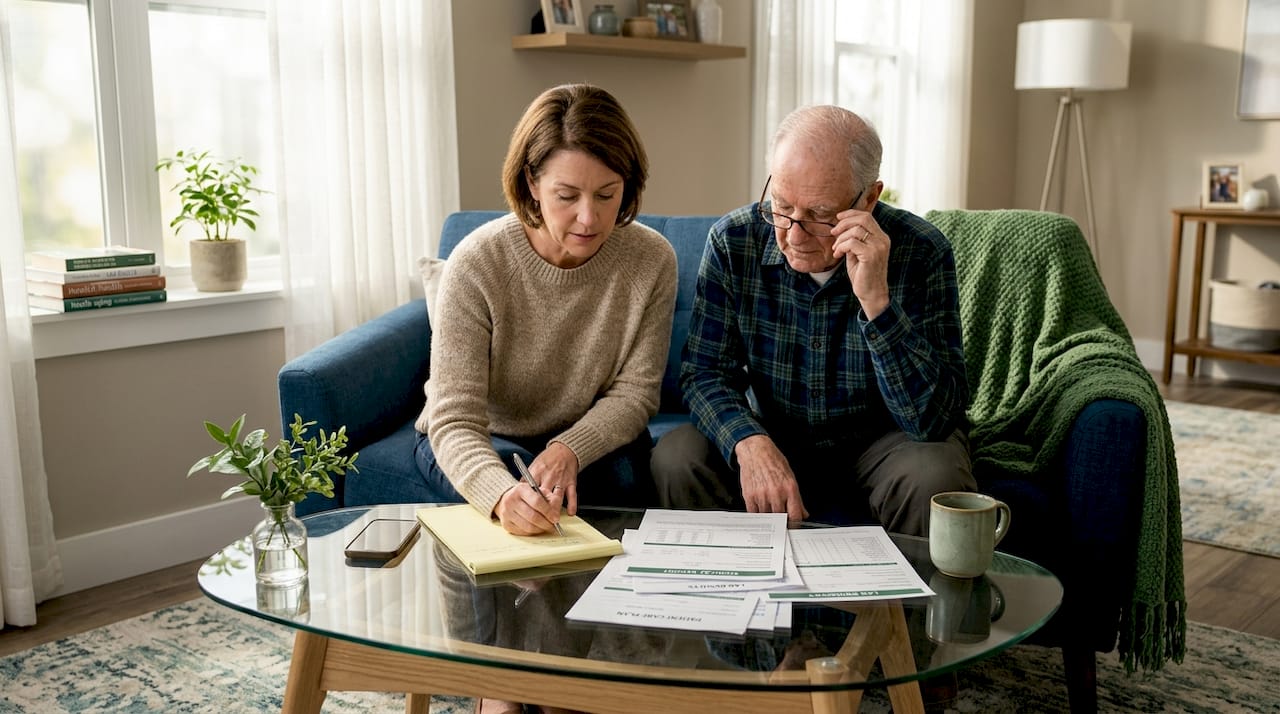
End-of-Life Care Checklist for Caregivers
7 Essential Steps in an End of Life Care Checklist for Caregivers
Facing end-of-life decisions can feel daunting and emotionally overwhelming. You want your care wishes to be respected while also protecting your family from uncertainty and difficult choices down the road. The process involves not just medical considerations but legal documents, home comfort, emotional support, and knowing when to ask for help.
This list gives you practical steps to make your end-of-life planning clear and manageable. You’ll discover actionable insights for starting meaningful conversations, understanding medical care options, preparing legal documents, and fostering emotional well-being. With each proven strategy, you’ll gain the confidence and tools to align your care with your values and bring peace of mind to your loved ones.
Table of Contents
- Start Care Planning Early and Involve Family
- Understand Palliative and Hospice Care Options
- Prepare Legal and Medical Documents
- Coordinate Home Comfort and Practical Needs
- Manage Medications and Symptom Relief
- Focus on Emotional and Spiritual Support
- Know When to Seek Professional Help
Quick Summary
| Takeaway | Explanation |
|---|---|
| 1. Start early conversations about care preferences | Engaging family in discussions early leads to clear understanding and less emotional stress during difficult decisions. |
| 2. Understand care options: palliative vs. hospice | Knowing the differences helps families choose appropriate care strategies that prioritize patient comfort and overall well-being. |
| 3. Prepare essential legal and medical documents | Proper documentation ensures personal wishes are respected, reducing conflicts and guiding decision-makers during critical times. |
| 4. Create a comfortable home environment | Thoughtful home modifications can enhance the quality of life for patients, promoting emotional well-being and safety. |
| 5. Seek professional help when needed | Recognizing signs of overwhelm and obtaining external support can significantly improve care quality and reduce caregiver stress. |
1. Start Care Planning Early and Involve Family
Planning for end-of-life care is not something anyone wants to think about but it represents one of the most compassionate gifts you can provide for your loved ones. By initiating conversations and making decisions early you create a roadmap that ensures your family understands and respects your medical wishes.
The journey of end-of-life care planning requires open communication and proactive strategies. Families who start advance care planning early can navigate difficult healthcare decisions with greater clarity and reduced emotional stress.
Key aspects of early care planning include:
- Discussing personal healthcare preferences
- Understanding potential medical scenarios
- Selecting a reliable healthcare representative
- Documenting legal advance directives
- Creating a comprehensive care strategy
The most powerful conversations about end-of-life care happen when everyone feels heard and respected.
To effectively involve your family in this process consider scheduling dedicated time for honest discussions. Choose a comfortable setting where everyone feels safe expressing their thoughts and concerns. Transparent communication prevents misunderstandings and helps align expectations among family members.
Understanding legal documents is crucial. Advance directive guides can help families navigate complex medical decisions and ensure patient wishes are clearly documented and legally recognized.
Pro tip: Schedule a family meeting specifically dedicated to discussing end-of-life care preferences and bring relevant documents to facilitate an open and constructive conversation.
2. Understand Palliative and Hospice Care Options
Navigating the complex world of end-of-life medical care can feel overwhelming for families facing serious illness. Understanding the nuanced differences between palliative and hospice care is crucial for making informed decisions that prioritize patient comfort and quality of life.
Palliative care offers specialized medical support for patients with serious illnesses at any stage. Palliative care focuses on symptom relief and improving overall well-being while patients might still pursue curative treatments.
Key distinctions between care options include:
- Palliative care can be provided at any disease stage
- Hospice care is typically for patients with six months or less life expectancy
- Palliative care continues alongside active medical treatment
- Hospice care concentrates on comfort and quality of life
- Both approaches prioritize patient dignity and symptom management
The goal of end-of-life care is not just extending life but enhancing its quality and meaning.
Hospice care represents a specialized form of palliative care specifically designed for patients who have discontinued curative treatments. This approach centers on comfort and emotional support for both patients and their families during life’s final chapter.
Families should consider these factors when exploring care options:
- Patient’s current medical condition
- Treatment goals and prognosis
- Personal and family preferences
- Financial and insurance considerations
- Available support resources
Pro tip: Schedule consultations with healthcare providers who specialize in palliative and hospice care to gain personalized insights tailored to your specific medical situation.
3. Prepare Legal and Medical Documents
Legal and medical documentation serve as your voice when you cannot speak for yourself during critical healthcare moments. Proactively preparing these documents ensures your personal wishes are respected and your family understands your healthcare preferences.
Legal documents are critical communication tools that protect your autonomy and provide clear guidance for medical decision-makers. Advance planning guides help individuals systematically document their healthcare preferences and appoint reliable representatives.
Key legal and medical documents to prepare include:
- Advance healthcare directive
- Durable power of attorney
- Living will
- Do not resuscitate (DNR) order
- Healthcare proxy designation
- HIPAA release form
Your legal documents are more than paperwork—they are a personal testament to your values and wishes.
When creating these documents consider the following steps:
- Consult with an elder law attorney
- Discuss preferences with family members
- Be specific about medical treatment wishes
- Choose a trusted healthcare representative
- Distribute copies to key individuals
Medical documentation provides clarity during emotionally challenging times. By clearly articulating your preferences you reduce potential family conflicts and ensure your care aligns with your personal beliefs.
Critical information to include:
- Specific medical treatment preferences
- Pain management approaches
- Organ donation wishes
- Spiritual or religious considerations
- End-of-life care instructions
Pro tip: Review and update your legal documents annually and after major life events to ensure they continue to accurately reflect your current healthcare preferences and family situation.
4. Coordinate Home Comfort and Practical Needs
Creating a supportive home environment is crucial for patients receiving end-of-life care. The physical space becomes more than just a location it transforms into a sanctuary of comfort dignity and personal peace.
Home modifications can significantly improve patient quality of life during challenging medical journeys. Thoughtful adaptations create spaces that promote emotional well-being physical safety and family connection.
Key home comfort considerations include:
- Accessibility modifications
- Medical equipment placement
- Comfortable resting areas
- Temperature and lighting control
- Personal space preservation
- Safety equipment installation
Comfort is not about perfection but about creating a compassionate environment that honors the patient’s dignity.
Practical home preparation involves several critical steps:
- Assess current home layout
- Consult with medical professionals
- Identify potential safety risks
- Create flexible living spaces
- Integrate medical needs seamlessly
Medical equipment integration requires careful planning. Arrange medical devices and mobility aids to maintain a sense of normalcy while ensuring easy access and patient independence.
Emotional comfort elements are equally important:
- Personal photograph displays
- Favorite blankets or comfort items
- Soft ambient lighting
- Quiet relaxation spaces
- Music or sound system options
- Connection to nature through windows or garden views
Pro tip: Create a flexible home care environment by using modular furniture and removable medical equipment supports that can be easily adjusted as patient needs change.
5. Manage Medications and Symptom Relief
Effective medication management and symptom relief are critical components of compassionate end-of-life care. Understanding how to navigate complex treatment options can significantly improve patient comfort and quality of life.
Symptom management requires a comprehensive approach that addresses physical emotional and psychological needs. Palliative care strategies focus on personalized interventions that minimize discomfort and maximize patient dignity.
Common symptoms requiring targeted management include:
- Pain
- Nausea
- Breathlessness
- Anxiety
- Fatigue
- Emotional distress
Effective symptom relief is about understanding the patient’s unique experience and responding with compassion.
Medication management involves several critical steps:
- Regular symptom assessment
- Collaborative communication with healthcare team
- Personalized medication planning
- Continuous monitoring and adjustment
- Holistic approach to treatment
Pharmacologic and non-pharmacologic therapies work together to provide comprehensive relief. This might include:
- Opioid pain management
- Antiemetic medications
- Relaxation techniques
- Gentle massage
- Music therapy
- Breathing exercises
Key considerations for medication management:
- Understand potential side effects
- Maintain accurate medication logs
- Communicate openly with healthcare providers
- Monitor medication interactions
- Prioritize patient comfort
Pro tip: Create a detailed medication tracking system with a dedicated notebook or digital app to record dosages timing and observed symptoms helping healthcare providers make informed treatment adjustments.
6. Focus on Emotional and Spiritual Support
Emotional and spiritual care are fundamental elements of compassionate end-of-life support that extend far beyond medical treatment. These dimensions of care help patients and families find meaning peace and connection during life’s most challenging moments.
Emotional support creates healing spaces where patients can express their deepest feelings and fears. Acknowledging the complex emotional landscape of terminal illness allows for genuine human connection and profound comfort.
Key emotional support strategies include:
- Active listening
- Validating feelings without judgment
- Creating safe communication environments
- Encouraging family connections
- Supporting individual processing styles
- Respecting personal boundaries
Genuine emotional support means being present without trying to fix everything.
Spiritual care approaches encompass multiple dimensions:
- Respect individual belief systems
- Provide opportunities for reflection
- Allow space for existential questions
- Connect with personal meaning and legacy
- Honor cultural and religious traditions
Holistic support addresses multiple dimensions of human experience including:
- Psychological well-being
- Existential concerns
- Religious practices
- Personal meaning-making
- Family reconciliation
- Inner peace exploration
Communication techniques for emotional support:
- Use gentle open-ended questions
- Practice empathetic listening
- Avoid minimizing feelings
- Create non-judgmental spaces
- Show unconditional presence
- Validate complex emotions
Pro tip: Schedule regular dedicated listening sessions where the focus is entirely on the patient’s emotional experience allowing them to express feelings without pressure or expectation.
7. Know When to Seek Professional Help
Navigating end-of-life care can quickly become overwhelming for families trying to manage complex medical emotional and practical challenges. Recognizing when to seek professional assistance is a critical skill that can significantly reduce caregiver stress and improve overall care quality.
Professional support provides crucial guidance during challenging times. CaringInfo resources offer comprehensive support to help families make informed decisions about medical legal and emotional care needs.
Signal points for seeking professional help include:
- Feeling consistently exhausted
- Experiencing persistent emotional distress
- Managing complex medical treatments
- Struggling with financial care challenges
- Needing specialized legal guidance
- Experiencing communication breakdowns
Seeking help is not a sign of weakness but a demonstration of love and commitment to quality care.
Types of professional support to consider:
- Palliative care specialists
- Hospice care coordinators
- Social workers
- Elder law attorneys
- Mental health counselors
- Financial advisors
Critical professional consultation areas:
- Medical symptom management
- Treatment option analysis
- Insurance navigation
- Legal document preparation
- Emotional support services
- Caregiver respite resources
Key steps when seeking professional help:
- Research qualified professionals
- Check credentials and specializations
- Schedule initial consultation
- Prepare list of specific questions
- Be open about challenges
- Request referrals if needed
Pro tip: Create a dedicated folder with medical documents health histories and current care challenges to streamline initial consultations and maximize professional support time.
Below is a comprehensive table summarizing the strategies, approaches, and benefits discussed throughout the article for effectively managing end-of-life care planning.
Compassionate Support for Your End-of-Life Care Journey
Facing the challenges of end-of-life caregiving demands careful planning, emotional strength, and expert guidance. This article highlights essential steps like early care planning, understanding palliative and hospice options, and managing complex medication needs. If you are navigating these difficult decisions, you might relate to the stress of coordinating legal documents or creating a comforting home environment while aiming to honor your loved one’s wishes with dignity and compassion.
At Graceland Hospice, we understand these deep concerns and are dedicated to helping you through every step. Our commitment to excellence ensures personalized support that respects your family’s unique needs. Explore our insights and resources in the Graceland Hospice blog to deepen your understanding. Ready to create a clear plan and receive compassionate care guidance? Contact us today for your free consultation and let’s make this journey a little easier together. Discover more details at Graceland Hospice and learn how expert hospice care can support your family’s needs now.
Frequently Asked Questions
What steps should I take to start end-of-life care planning for a loved one?
To start end-of-life care planning, begin by discussing healthcare preferences with your loved one and family. Schedule a family meeting to openly communicate about personal wishes and document these preferences.
How can I involve family members in the end-of-life care process?
Involve family members by scheduling dedicated discussions focused on care preferences and decisions. Create a safe environment for everyone to express their thoughts without fear of judgment, ensuring that all voices are heard and respected.
What documents do I need to prepare for end-of-life care?
Prepare legal documents such as an advance healthcare directive, durable power of attorney, and a living will. Review these documents annually to ensure they reflect current wishes and are accessible to family members involved in care decisions.
How can I ensure a comfortable home environment for end-of-life care?
To create a comfortable home environment, assess the patient’s needs and make necessary accessibility modifications. Arrange medical equipment thoughtfully and include personal items that provide emotional comfort, such as photographs or favorite blankets.
When should I seek professional help in managing end-of-life care?
Seek professional help if you feel consistently exhausted, are struggling with complicated medical treatments, or need emotional support. Connecting with palliative care specialists or hospice care coordinators can improve care quality and relieve caregiver stress.
How can I manage medications and symptom relief effectively?
To manage medications and symptom relief, regularly assess symptoms and communicate with the healthcare team about any changes. Develop a personalized medication plan that addresses both physical and emotional needs for comprehensive care.
Recommended
- Graceland Hospice Care | Compassionate End-of-Life Care
- Graceland Hospice Care | Compassionate End-of-Life Care
- Graceland Hospice Care | Compassionate End-of-Life Care
- Graceland Hospice Care | Compassionate End-of-Life Care
- How to Handle Medical Emergencies: A Step-by-Step Guide - Unparalleled Global Benefits
- Role of Caregivers in Hearing Aid Choice – Impact on Elderly Wellbeing – Audora
- The Repose You Need: A Guide to Mental Health Journaling Prompts, Goals, and Gifts - Home Remedies