7 Ways to Get Involved With Hospice Volunteer Opportunities
7 Ways to Get Involved With Hospice Volunteer Opportunities
Thinking about volunteering with a hospice can feel overwhelming at first. You might wonder if your skills are the right fit, or what kind of support you would actually provide to patients and families during such sensitive times. The reality is, hospice volunteers play a powerful role—offering emotional comfort, practical help, and human connection when it matters most.
This guide breaks down the specific ways you can make a real difference, whether you’re drawn to direct patient support, helping overwhelmed caregivers, or playing a behind-the-scenes role. You’ll discover actionable insights that show how simple acts of kindness and presence truly reshape end-of-life care for patients and their loved ones. Get ready to explore meaningful ways to contribute and see how your strengths and compassion can find a natural home in hospice volunteering.
Table of Contents
- 1. Understanding The Role Of A Hospice Volunteer
- 2. Exploring Direct Patient Support Opportunities
- 3. Providing Emotional Comfort And Companionship
- 4. Assisting With Family And Caregiver Support
- 5. Helping With Administrative And Office Tasks
- 6. Participating In Community Outreach And Education
- 7. Training And Certification For Hospice Volunteers
Quick Summary
| Takeaway | Explanation |
|---|---|
| 1. Hospice volunteering enhances quality of life | Volunteers provide companionship and support, prioritizing quality of life over medical interventions for terminal patients. |
| 2. Direct patient support builds connections | Engaging directly with patients fosters meaningful relationships and helps improve their emotional and physical well-being in their final days. |
| 3. Family caregivers benefit from volunteer support | Volunteers offer respite and emotional support for caregivers, reducing their burden and allowing them to recharge. |
| 4. Training is crucial for effective volunteering | Completing training equips volunteers with the necessary skills and understanding to provide compassionate care effectively. |
| 5. Community education increases hospice awareness | Volunteers involved in outreach educate the public about hospice services, helping to bridge knowledge gaps and promote informed choices. |
1. Understanding the Role of a Hospice Volunteer
Hospice volunteers are the compassionate backbone of end-of-life care, providing emotional support, companionship, and practical assistance to patients and families during one of life’s most tender moments. If you’re considering this meaningful work, understanding what the role truly entails helps you decide if it’s the right fit for your skills and heart.
A hospice volunteer is someone who dedicates time to improve the quality of life for patients facing terminal illness and their loved ones. Your work extends far beyond basic tasks. You might sit quietly with a patient, listen to their stories, hold their hand, or simply be present during moments of uncertainty and fear. For families, you become a steady source of support whether you’re helping with meal preparation, running errands, providing respite care so caregivers can rest, or offering emotional support during difficult conversations.
The beauty of hospice volunteering lies in its flexibility and diverse opportunities. You don’t need a medical background to make a profound difference. While some volunteers with healthcare experience might assist with light physical care or provide specialized support, many of the most valued volunteers bring nothing more than genuine compassion and willingness to show up consistently. Whether you’re organized and detail oriented or naturally gifted at listening and comforting others, there’s a role that matches your strengths.
What makes this work distinct from other caregiving is its focus on comfort, dignity, and presence rather than cure. Hospice philosophy recognizes that when medical interventions can no longer extend life meaningfully, the priority shifts entirely to quality of life. As a volunteer, you’re helping to create that quality by reducing isolation, bringing joy through companionship, and honoring the patient’s wishes and values during their final chapter. You’re not trying to fix anything. You’re simply helping to make each day matter.
Many volunteers discover that this experience transforms them personally. Families often express deep gratitude for the consistent presence and emotional support volunteers provide. Patients find comfort in having someone who listens without judgment and respects their autonomy. If you work in healthcare or social work already, hospice volunteering allows you to practice your profession in its most fundamental form: caring for human dignity and well-being.
Pro tip: Start by identifying which type of volunteer role aligns with your strengths, whether that’s direct patient companionship, family support, administrative tasks, or specialized skills, then discuss your preference with the hospice coordinator during your orientation to ensure the best match.
2. Exploring Direct Patient Support Opportunities
Direct patient support is where many hospice volunteers find the deepest sense of purpose and connection. This is hands-on work that puts you in regular contact with patients, allowing you to build meaningful relationships and directly improve their quality of life during their final days.
Direct patient support encompasses a range of activities tailored to each patient’s needs and preferences. You might spend time offering companionship through conversation, playing games, reading aloud, or simply sitting together in comfortable silence. The focus is on making the patient feel valued and less alone. Many patients treasure these moments because volunteers bring genuine attention without the medical or caregiving pressures that family members sometimes carry. You’re there purely to enhance their day, listen to their stories, and honor their presence.
Beyond companionship, direct support includes practical caregiving assistance that helps maintain dignity and comfort. You might help with grooming, assist with laundry, prepare meals, or handle light housekeeping tasks. These activities matter far more than they seem on the surface. When a patient can maintain personal hygiene and appearance with support, it preserves their sense of self and dignity. When their environment is comfortable and clean, it contributes to their overall wellbeing. You’re providing what’s called caregiver relief as well, giving family members crucial breaks to rest, attend to their own needs, or handle practical matters without worrying about their loved one.
Some volunteers also provide spiritual support when patients and families request it. This doesn’t require you to be clergy or deeply religious. It simply means being present during conversations about meaning, legacy, fears, or faith. You listen without judgment and respect whatever beliefs or values the patient holds. Training prepares you for these sensitive conversations so you can offer authentic presence rather than advice or platitudes.
The beautiful aspect of direct patient support is that it meets people exactly where they are. Some patients want extensive conversation and activity. Others prefer quiet presence and minimal interaction. Your role adapts to what brings comfort to that specific person. This flexibility means you’re not following a rigid script. You’re responding with genuine care to real human needs.
If you’re in healthcare or social work, direct patient support allows you to practice your skills in a deeply meaningful context where healing takes a different form. Instead of fighting illness, you’re honoring the person behind the patient. Instead of focusing on outcomes, you’re creating moments of peace and connection that matter profoundly in the time remaining.
Pro tip: Ask the hospice care team about the patient’s preferences, daily routine, and energy levels during different times of day, then schedule your visits when the patient is most alert and receptive to companionship.
3. Providing Emotional Comfort and Companionship
Emotional comfort is perhaps the most transformative gift a hospice volunteer can offer. This is the core of what makes companionship during end of life so profoundly healing, and it requires nothing more than your genuine presence and willingness to listen.
When patients face terminal illness, they often experience profound emotional distress alongside their physical symptoms. They may feel afraid, isolated, or uncertain about what lies ahead. They might carry regrets, unfinished conversations, or deep questions about their life’s meaning. Family members, while present and caring, are often overwhelmed by their own grief and the demands of caregiving. This is where you step in. Your role as a volunteer is to provide quality time and emotional support through conversation, presence, and genuine human connection that eases the isolation and emotional weight patients carry.
The beauty of companionship is its simplicity. You don’t need special training in therapy or counseling. You simply need to show up, listen authentically, and be comfortable with whatever the patient wants to discuss. Spend time talking about their life, their interests, their memories. Read aloud to them. Listen to music together. Sit quietly without needing to fill silences with words. These activities might seem ordinary, but they’re extraordinarily powerful when offered with full attention and genuine care.
Some patients want to talk extensively about their feelings, their past, or their concerns about the future. Others prefer quiet activities with minimal conversation. Pay attention to what feels comfortable for each person and follow their lead. A patient might ask you to help them record memories or stories, or they might simply want you there while they rest. The adaptability of companionship means you’re meeting real emotional needs, not following a predetermined script.
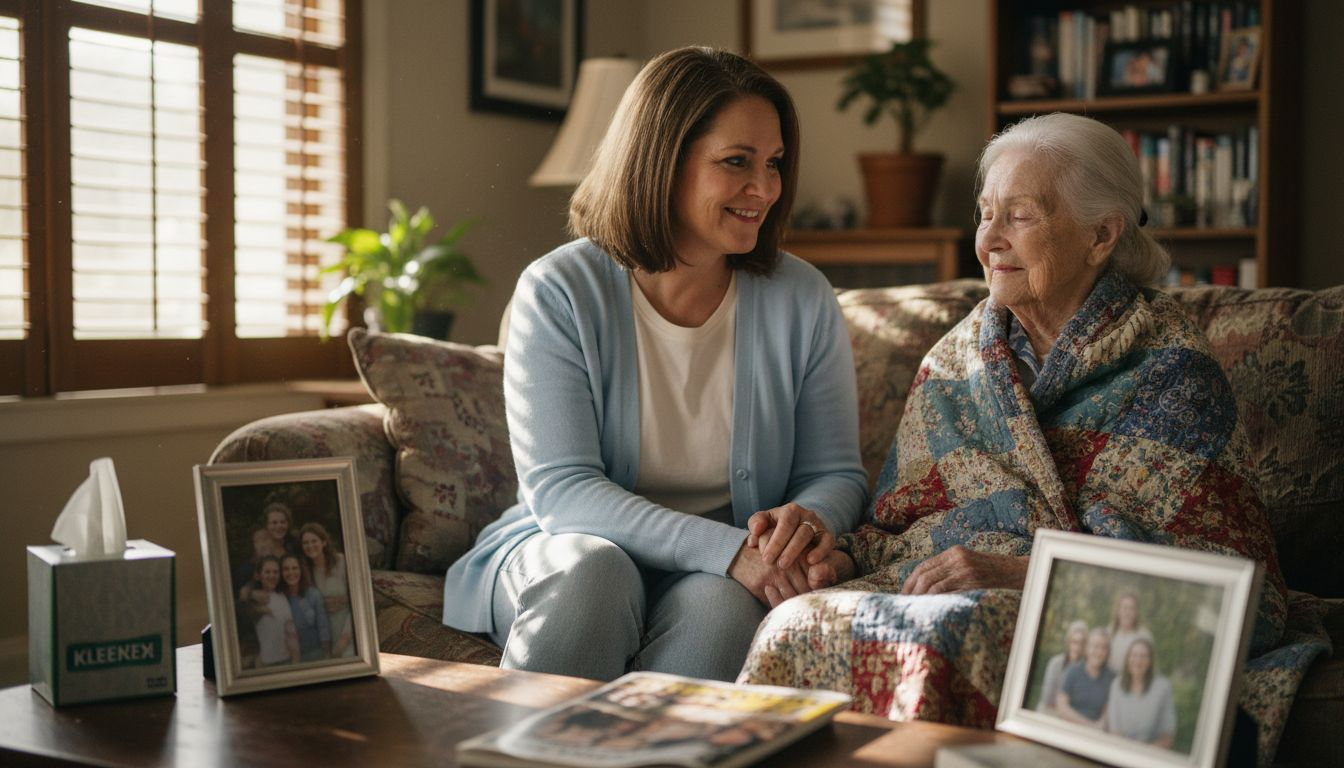
For patients without nearby family or support systems, volunteer companionship takes on even greater significance. Imagine facing your final days without consistent human contact and presence. Volunteer programs specifically mobilize companions to provide vigil support, holding space for patients during their most vulnerable moments. Through quiet presence, hand holding, or simply reading nearby, volunteers offer the human connection that affirms the patient’s dignity and worth even as their body weakens.
You’re also providing invaluable respite to family caregivers. Knowing that a trained, caring volunteer is spending quality time with their loved one allows family members to step away, rest, attend to practical matters, or simply process their own grief. This respite is not a luxury. It’s necessary for caregiver wellbeing and allows families to show up more fully for their loved ones during whatever time remains.
Emotional comfort extends beyond the patient’s final days as well. Many volunteers participate in bereavement support programs, continuing to offer presence and compassion to families navigating grief after their loved one has passed. This contribution honors the relationship formed during the patient’s life and supports the long journey of mourning.
Pro tip: Let the patient set the pace and tone of your visits by observing their energy level, responsiveness, and mood, then mirror their preferences whether they want deep conversation, quiet activity, or something in between.
4. Assisting With Family and Caregiver Support
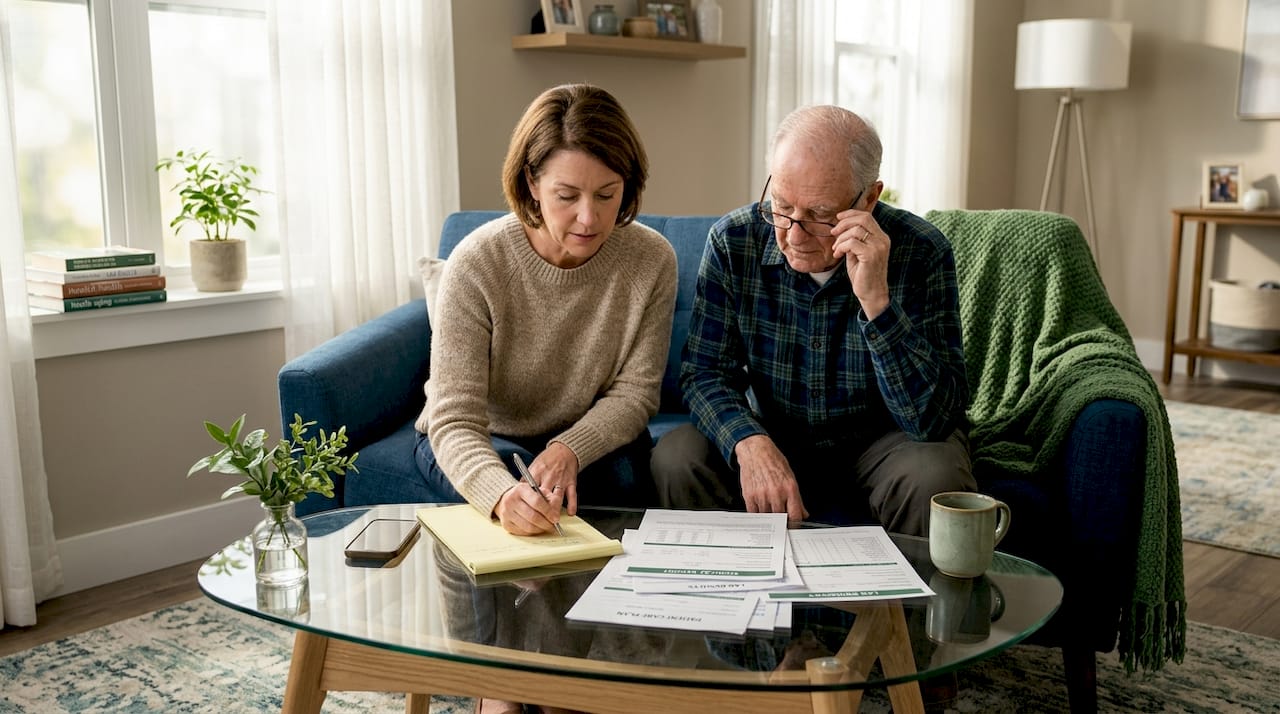
Family caregivers are often stretched to their emotional and physical limits, juggling medical care, household management, and their own grief all at once. As a hospice volunteer, one of your most valuable contributions is lightening this burden by providing practical support and respite that allows caregivers to rest and recharge.
Caregiving for a terminally ill loved one is isolating and exhausting work. Primary caregivers might be spending 24 hours a day managing medications, monitoring comfort, handling personal care needs, and coordinating with the medical team. They’re often neglecting their own health, skipping meals, losing sleep, and suppressing their emotions to stay strong for their loved one. When you arrive as a volunteer, you become a lifeline that allows caregivers to step away, knowing their loved one is in safe, caring hands.
The types of respite support you can provide are remarkably diverse and practical. You might sit with the patient while a caregiver runs essential errands, attends a doctor’s appointment, or handles financial matters that can’t wait. You might help with household tasks like pet care or babysitting, allowing caregivers to focus entirely on their loved one without worrying about other family members or household responsibilities. You might simply give a caregiver permission to step outside for fresh air, take a shower, or sit alone with a cup of coffee. These breaks, however brief, restore emotional reserves and help prevent caregiver burnout.
Beyond practical assistance, you offer companionship and understanding to family members navigating the hospice journey. Caregivers often carry complicated emotions, fears about what’s coming, guilt about needing breaks, or unresolved feelings with the patient. A volunteer who listens without judgment and validates their experience provides emotional support that’s difficult for family members to give each other. You can also help families connect with bereavement support programs and community resources that ease their burden both during and after the hospice experience.
Your role as a volunteer also bridges important gaps in caregiver information and support. Family members might not know what to expect in the coming weeks, how to handle difficult conversations, or where to find help with specific challenges. By offering guidance, facilitating access to hospice team members, and connecting families with resources, you help reduce the sense of isolation and confusion that often accompanies caregiving.
The impact of this work cannot be overstated. Caregivers who receive proper support experience less depression, less burnout, and better overall health. They’re able to be more present and patient with their loved one. They recover more successfully from grief after their loved one passes. Your volunteer work directly improves not just the patient’s experience but the entire family’s wellbeing during one of life’s most challenging periods.
Pro tip: Ask the hospice care coordinator which specific caregiver needs are most urgent, whether that’s respite time, meal preparation, household help, or emotional support, then volunteer for the tasks that make the biggest difference for that particular family.
5. Helping With Administrative and Office Tasks
Not every hospice volunteer works directly with patients and families. If you prefer behind-the-scenes work that still makes a meaningful impact, administrative and office support roles offer equally valuable ways to contribute to the hospice mission. These positions keep the organization running smoothly so clinical and caregiving staff can focus entirely on patient care.
Hospice organizations are nonprofit operations with limited staff and budgets. While their mission is patient centered, the administrative infrastructure that supports that mission often runs lean. Filing, data entry, appointment scheduling, phone answering, volunteer coordination, fundraising support, and document organization fall to whoever is available. When volunteers step into these roles, they free up paid staff to handle complex medical, financial, or clinical responsibilities that require their expertise and credentials.
If you have organizational skills, attention to detail, or experience in healthcare administration or social work, these roles leverage your professional background directly. You might manage volunteer scheduling and communications, ensuring that patient visits are covered consistently and that volunteers receive proper training and support. You might assist with insurance paperwork, patient intake forms, or medical records management. You might help coordinate fundraising events or donor communications. You might handle data entry for patient case management systems or help with grant writing and compliance documentation.
The beauty of administrative volunteer work is that it offers flexibility around your availability. Unlike direct patient care that requires consistent scheduling, office tasks can often be completed on your own schedule. If you’re working full time in healthcare or social work, you might donate a few hours on weekends or evenings to help with specific projects. Many volunteers find this balance allows them to contribute meaningfully without overcommitting.
Administrative roles also appeal to different skill sets and interests. If you’re energized by organizing information and systems rather than intensive emotional work, office support allows you to use your strengths. If you have specific expertise in areas like grant writing, nonprofit management, or healthcare compliance, the hospice organization benefits enormously from your knowledge. You’re not less valuable because you’re not holding a patient’s hand. You’re enabling the entire organization to operate effectively so others can hold those hands.
These positions also provide valuable exposure to the hospice organization if you’re new to the field. You’ll understand how the organization functions, meet staff members across departments, and develop relationships that might lead to other volunteer roles or even employment opportunities if you decide to pursue hospice work professionally. You’ll witness firsthand how every person in the organization contributes to the mission of providing compassionate, dignified care.
Administrative volunteers often say they appreciate the tangible, measurable results of their work. Unlike the emotional ambiguity of patient care, organizing files, creating systems, or completing projects provides clear evidence of what you’ve accomplished.
When you’re considering administrative volunteering, ask the hospice coordinator about their greatest operational needs. Some organizations desperately need help with volunteer scheduling and communications. Others need assistance with patient outreach, newsletter production, or database management. By identifying where your skills fill the biggest gaps, you maximize your impact and create a role that feels genuinely useful.
Pro tip: Offer to tackle one specific, well-defined project rather than open-ended administrative support, so you understand the scope, timeline, and expected outcomes, and the hospice organization can plan effectively around your contribution.
6. Participating in Community Outreach and Education
Community outreach and education represent a powerful way to expand the hospice mission far beyond individual patient care. If you’re passionate about raising awareness, educating the public, or helping people understand end-of-life options, this volunteer path allows you to make a broad societal impact.
Many people in your community have limited understanding of hospice care. They may associate it with giving up, assume it’s only for cancer patients, or not realize it’s available and affordable. They may never have considered their own end-of-life preferences or discussed them with family members. This knowledge gap leaves people unprepared for difficult decisions when crisis arrives. Educational volunteers help bridge this gap by bringing accurate, compassionate information to community members before they face urgent circumstances.
Outreach and education roles take many forms depending on your interests and the hospice organization’s needs. You might help organize educational events at community centers, senior centers, churches, or libraries where you speak about hospice services, answer questions, and distribute information. You might participate in health fairs, presenting alongside other healthcare providers. You might help create educational materials, develop social media content, or assist with website updates. You might support fundraising events that double as community awareness opportunities. You might visit healthcare providers’ offices to educate their staff about hospice referral processes. You might coordinate volunteer recruitment events that educate potential volunteers about opportunities.
These roles appeal especially to people with healthcare or social work backgrounds who enjoy public speaking, writing, or marketing. If you’re skilled at explaining complex medical concepts in accessible language, you’re exactly who the hospice organization needs. If you’re comfortable talking with groups or one-on-one about sensitive topics like death and dying, you can help normalize these conversations in your community.
Education work also allows you to leverage your professional credentials and expertise. A nurse might educate other healthcare providers about end-of-life symptom management. A social worker might present on caregiver stress and support resources. A counselor might discuss grief and bereavement. A financial professional might explain insurance coverage for hospice services. Your professional background becomes an asset that lends credibility and depth to community education efforts.
The impact of community education extends beyond immediate awareness. When you help someone understand hospice philosophy and services before they need them, you’re ensuring they’ll make informed choices if terminal illness arrives. You’re empowering families to have difficult conversations while everyone is healthy. You’re reducing fear and stigma around death and dying. You’re potentially preventing unnecessary suffering and interventions that don’t align with what patients truly want. Over time, your education efforts shift community culture around end-of-life care.
Outreach volunteers also often develop meaningful connections within their communities. You meet healthcare professionals, community leaders, clergy, social workers, and engaged citizens. These relationships strengthen the hospice organization’s presence and support network. People who’ve heard your presentation remember the hospice organization when they later need services or want to donate. They refer friends and family members. They become advocates themselves.
If you’re interested in community education, ask the hospice coordinator about their current awareness gaps and priorities. Are they struggling to reach healthcare providers? Do they need help educating seniors about advance directives? Are they launching a new community awareness campaign? By understanding organizational needs, you can focus your energy where it creates the most impact.
Pro tip: Develop a short personal story or example you’re comfortable sharing when speaking to groups, as real-world illustrations of hospice care make information memorable and emotionally resonant in ways statistics alone cannot.
7. Training and Certification for Hospice Volunteers
Before you begin your hospice volunteer work, you’ll complete training and orientation that prepares you for the emotional, practical, and ethical dimensions of end-of-life care. This training is not optional or bureaucratic busy work. It’s a fundamental part of ensuring you’re equipped to provide compassionate, competent support to vulnerable people during their most difficult time.
Federal regulations require that Medicare-certified hospices provide volunteer orientation and training consistent with industry standards. This requirement exists to protect patients and families while ensuring volunteers understand the hospice philosophy and their specific role. The training you receive reflects decades of experience in end-of-life care and represents best practices for supporting terminally ill patients and their loved ones.
The content of hospice volunteer training covers essential topics that prepare you for real situations you’ll encounter. You’ll learn about hospice philosophy and how it differs from acute medical care. You’ll explore concepts of death and dying, including common emotional and spiritual responses people experience. You’ll develop communication skills for difficult conversations, including how to listen actively, validate emotions, and handle silence respectfully. You’ll understand psychosocial issues affecting patients and families, such as grief, fear, unfinished business, and existential concerns. You’ll learn about cultural considerations that affect how people approach death, dying, and bereavement. You’ll receive training in basic caregiving techniques if you’ll work directly with patients. You’ll understand emergency procedures and know when to alert the hospice team.
The depth and length of training varies based on your volunteer role. Direct patient care volunteers typically receive more comprehensive training than those working in administrative or fundraising roles. Someone providing companionship and personal care might complete 8 to 12 hours of initial orientation plus annual continuing education requirements. Someone helping with office tasks might complete a shorter orientation focused on organizational policies and patient confidentiality. Regardless of your role, annual continuing education is required to maintain your skills and stay current with hospice best practices.
Many volunteers find that training transforms their understanding of death and dying in unexpected ways. You’ll learn that hospice care is not about accepting defeat but about redirecting focus to quality of life. You’ll discover that dying is a normal process with predictable stages and experiences. You’ll understand that families often need permission to let go and that your presence can provide that permission. You’ll recognize that small acts of comfort create profound meaning in someone’s final days. These insights don’t come from reading alone. They come from interactive training, case studies, and discussions with experienced hospice professionals.
The training process also helps you assess whether hospice volunteering is right for you. Some people realize through training that direct patient care feels too emotionally intense or triggering. Others discover they’re drawn to it more deeply than they expected. Training allows you to make an informed decision about your volunteer commitment before you’re actively working with patients and families.
When you contact a hospice organization about volunteering, ask specifically about their training program. How many hours does initial training require? What topics are covered? When are sessions offered, and can they accommodate your schedule? Will they train you specifically for the volunteer role you’re interested in? Do they offer continuing education opportunities? Do they require background checks, references, or health screenings? A well-established hospice program will have clear answers to these questions and structured training that demonstrates their commitment to volunteer quality and patient safety.
Think of training as an investment in yourself and in the people you’ll serve. The time you spend learning ensures you’ll be genuinely helpful rather than inadvertently harmful, and it deepens your own understanding of what hospice care truly offers.
Pro tip: Approach training with an open mind and ask questions freely, as this is your opportunity to clarify expectations, voice concerns, and ensure you understand the role before committing to regular volunteer shifts.
The table below provides an organized summary of the primary concepts and actionable details discussed in the article
Make a Meaningful Impact Through Hospice Volunteering with Graceland Hospice
If you feel called to provide compassionate companionship, emotional comfort, or practical support to patients and families facing life’s most challenging moments this article highlights exactly how you can get involved in hospice volunteer opportunities. The experience can be deeply rewarding yet it also comes with the challenges of emotional intensity, navigating complex roles, and ensuring you have the right training to truly make a difference. At Graceland Hospice we understand these vital needs and provide comprehensive support to empower volunteers with the philosophy and skills necessary to honor dignity and ease suffering.
Take the first step toward becoming a valued hospice volunteer today by visiting Graceland Hospice. We are dedicated to matching your strengths with the volunteer role that fits you best, whether it is direct patient care, family support, administrative assistance, or community outreach. Our team is ready to guide you through the volunteer process and help you receive the compassionate training outlined in this article. Don’t wait to bring comfort and presence to those who need you most reach out now for a free consultation and discover how you can make every moment count.
Frequently Asked Questions
What types of hospice volunteer opportunities are available?
You can get involved in various roles, including direct patient support, family caregiver assistance, administrative tasks, and community outreach. Assess your skills and interests to determine which type of role aligns best with your strengths.
How much training do hospice volunteers need before starting?
Hospice volunteers typically undergo 8 to 12 hours of initial training, covering essential topics such as communication and caregiving. Contact your local hospice organization to find out about their specific training requirements and schedule.
Can I volunteer without a medical background?
Yes, many hospice volunteer roles do not require a medical background. Focus on opportunities that emphasize companionship, emotional support, or administrative assistance, where your compassion and organizational skills can make a significant impact.
How can I assess if hospice volunteering is the right fit for me?
Engage in the training sessions offered by the hospice organization, as they provide insights into the emotional and practical aspects of end-of-life care. Pay attention to your feelings during the training to determine if you’re comfortable with the responsibilities involved.
What should I do if I want to get involved in community outreach for hospice care?
Reach out to your hospice organization’s coordinator to learn about current community education needs and opportunities. Volunteer to assist with planning and conducting educational events, or help create informational materials to raise awareness about hospice care in your community.
How do I choose the best volunteer role within the hospice organization?
Evaluate your skills and preferences, such as whether you enjoy direct patient interaction or prefer behind-the-scenes work. Discuss your interests with the hospice coordinator during your orientation to find a role that will be the most fulfilling for you.