Role of Hospice Nurse: Compassionate Care at Home
Role of Hospice Nurse: Compassionate Care at Home
Caring for a parent facing the end of life at home can stir deep worries and hard questions. For many families in Orange County, California, understanding what makes hospice nurse care different is the first step toward making those last weeks more comfortable and dignified. This overview highlights how hospice nurses offer medical, emotional, and spiritual support, helping both patients and families find comfort and guidance during a time that truly matters.
Table of Contents
- What Hospice Nurse Care Involves
- Types of Hospice Nursing Roles
- Key Skills and Competencies Needed
- Pain Management and Symptom Control
- Supporting Families Through Difficult Times
Key Takeaways
| Point | Details |
|---|---|
| Holistic Patient Care | Hospice nursing focuses on providing comprehensive support addressing medical, emotional, and spiritual needs to enhance quality of life. |
| Diverse Nursing Roles | Various hospice nursing roles exist, each with specialized responsibilities tailored to patient care, from RNs to Pediatric Hospice Nurses. |
| Emotional Intelligence | Hospice nurses must possess strong emotional intelligence to navigate complex family dynamics and provide compassionate support. |
| Family Involvement | Effective hospice care includes substantial support for families, equipping them with tools and guidance to cope with the end-of-life process. |
What Hospice Nurse Care Involves
Hospice nurse care represents a specialized approach to end-of-life medical support that focuses on comfort, dignity, and holistic patient well-being. Registered nurses in hospice care provide comprehensive support for terminally ill patients and their families during life’s most challenging transition.
The primary responsibilities of a hospice nurse extend far beyond traditional medical care. These compassionate professionals address multiple dimensions of patient needs:
- Medical Monitoring: Regular vital sign checks and symptom management
- Pain Management: Administering and adjusting pain relief strategies
- Emotional Support: Providing psychological comfort to patients and families
- Spiritual Care: Respecting and supporting individual spiritual needs
- Family Coordination: Guiding families through end-of-life care processes
Hospice nursing emphasizes quality of life rather than curative treatments. Compassionate medical approach means focusing on patient comfort during their final months, typically for individuals with a prognosis of six months or less.
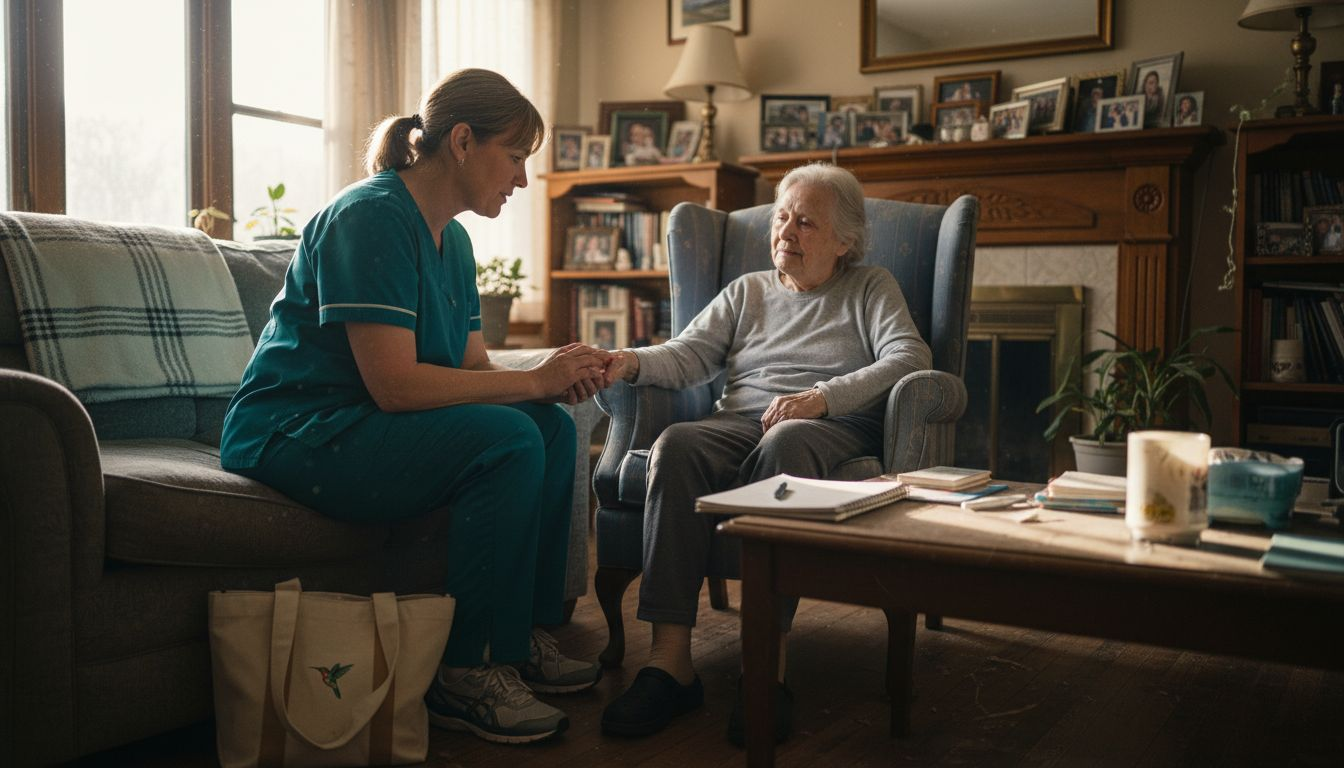
Unlike traditional healthcare settings, hospice nurses work intimately with patients in their homes, creating personalized care environments that prioritize individual dignity and emotional well-being. They serve as medical experts, emotional anchors, and compassionate guides through an incredibly sensitive life transition.
Hospice nurses transform medical care into a deeply human experience, offering comfort when patients and families need it most.
Pro tip: Schedule an initial consultation with a hospice nursing team early to understand available support options and develop a personalized care strategy.
Types of Hospice Nursing Roles
Hospice nursing encompasses diverse professional roles designed to provide comprehensive end-of-life care. Nursing professionals in hospice settings work across multiple credentials and specialized areas, ensuring patients receive personalized, holistic medical support.
The primary hospice nursing roles include:
- Registered Nurses (RNs): Primary case managers coordinating patient care
- Licensed Practical Nurses (LPNs): Direct patient care and support
- Nurse Practitioners: Advanced clinical decision-making and specialized medical interventions
- Pediatric Hospice Nurses: Specialized care for terminally ill children
- Hospice Care Coordinators: Manage comprehensive patient care plans
Each nursing role carries unique responsibilities and requires specific skills tailored to patient needs. RNs typically serve as primary coordinators, overseeing treatment strategies and supervising other nursing staff. They assess patient conditions, manage symptom control, and provide emotional support to both patients and families.
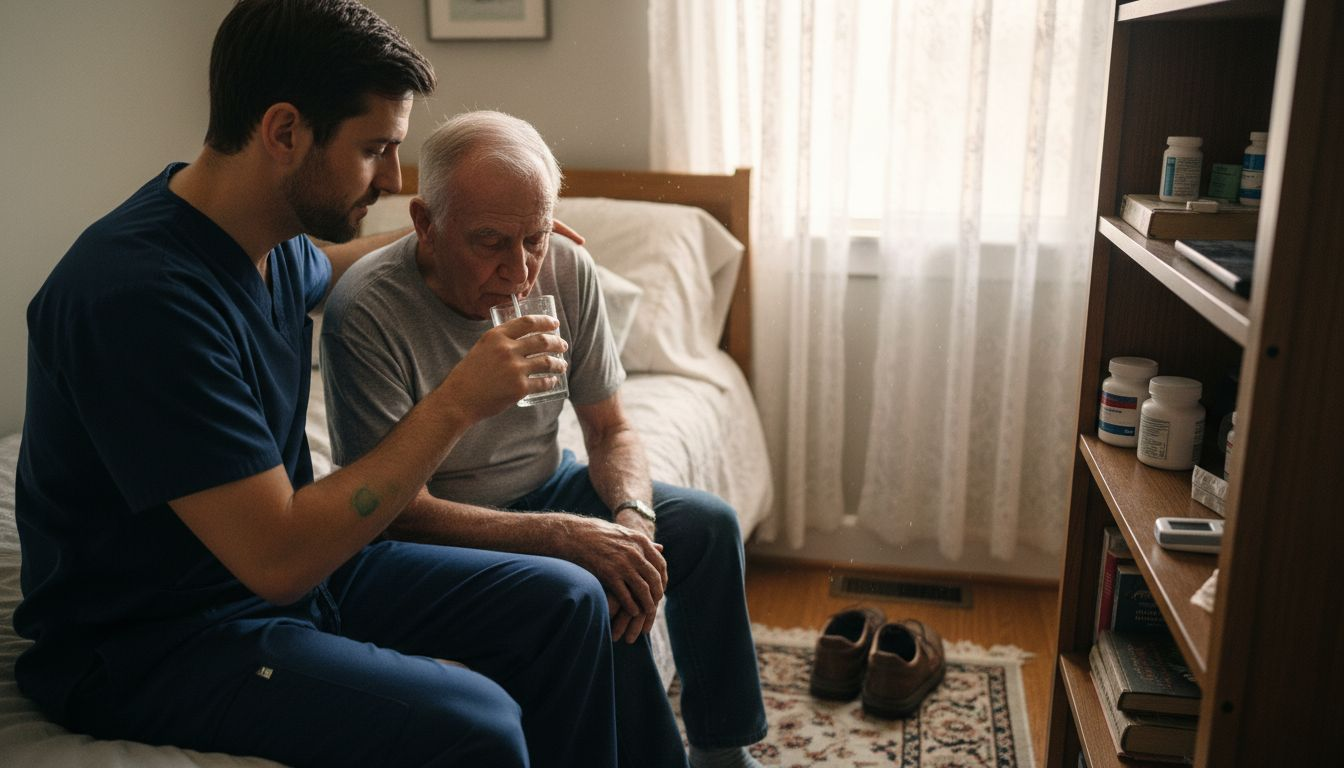
Specialized nursing credentials determine the specific scope of practice, with state regulations defining exact roles and permitted medical interventions. Some hospice nurses focus exclusively on pain management, while others provide comprehensive medical and emotional support across multiple dimensions of patient care.
Here is a quick overview of key hospice nursing roles and their core focuses:
| Role | Primary Focus | Setting |
|---|---|---|
| Registered Nurse (RN) | Care supervision, coordination | Patient’s home |
| Licensed Practical Nurse (LPN) | Direct care, daily assistance | Patient’s home |
| Nurse Practitioner | Advanced clinical decisions | Home and care centers |
| Pediatric Hospice Nurse | Child-centered support | Home/facility |
| Hospice Care Coordinator | Planning, resource management | Home/facility |
Hospice nursing is not just a job—it’s a compassionate calling that requires extraordinary emotional intelligence and medical expertise.
Pro tip: Consider your personal strengths and emotional resilience when exploring hospice nursing specialties, as each role demands unique interpersonal and clinical skills.
Key Skills and Competencies Needed
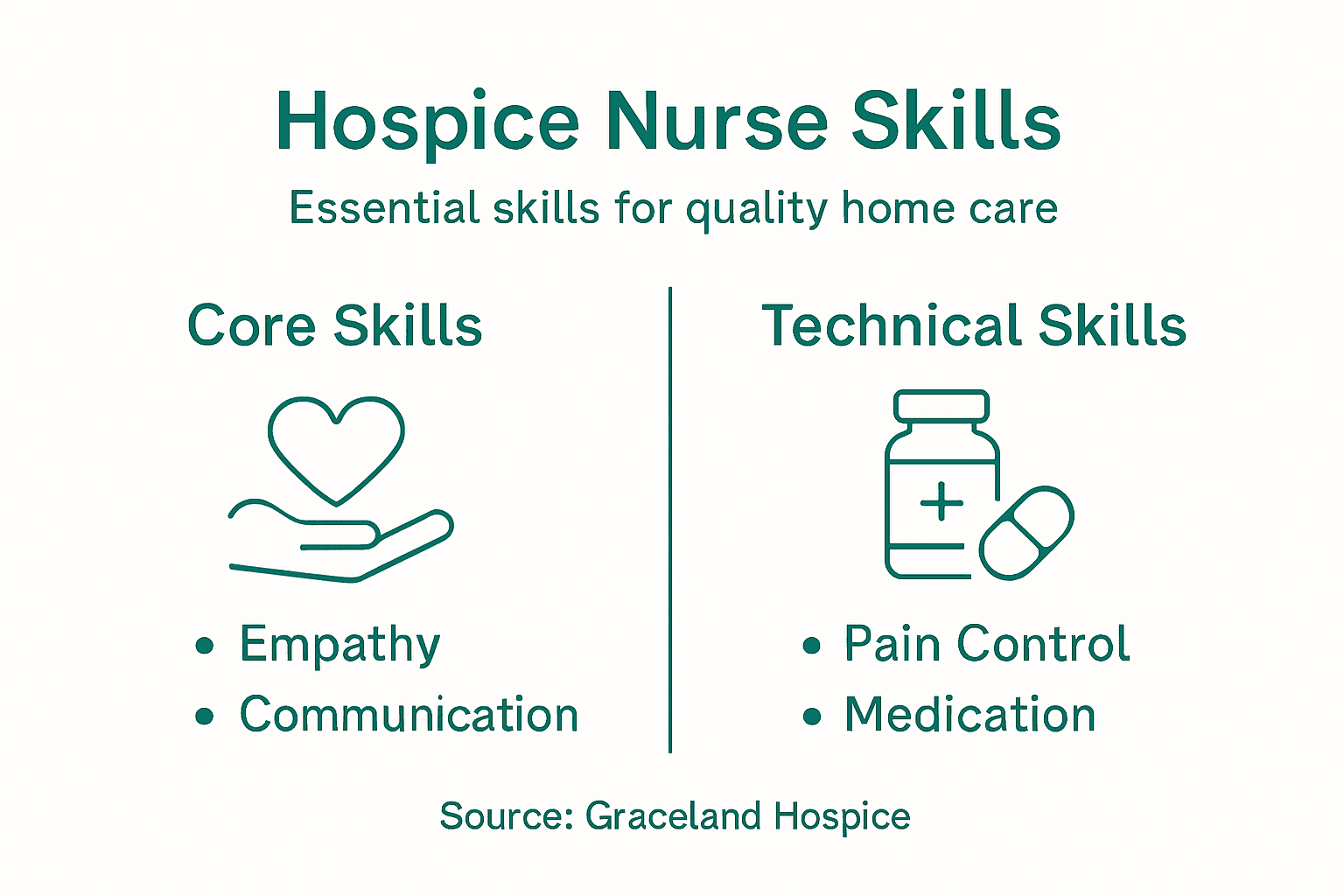
Hospice nursing demands a unique combination of clinical expertise and profound emotional intelligence. Comprehensive nursing skills are essential for delivering compassionate, effective end-of-life care that honors patient dignity and family needs.
The core competencies required for hospice nurses include:
- Clinical Assessment: Precise symptom recognition and management
- Medication Expertise: Accurate administration and pain control strategies
- Emotional Intelligence: Deep empathy and psychological support
- Communication Skills: Clear, sensitive interactions with patients and families
- Ethical Decision-Making: Navigating complex medical and personal choices
- Cultural Sensitivity: Respecting diverse spiritual and personal beliefs
Interpersonal skills are equally critical as clinical knowledge. Hospice nurse professionals must cultivate extraordinary emotional resilience, maintaining professional composure while providing deeply personal support during life’s most vulnerable moments.
Beyond technical skills, successful hospice nurses possess an intangible blend of compassion, strength, and genuine human connection. They must simultaneously manage complex medical protocols and provide profound emotional comfort, translating clinical expertise into moments of genuine human understanding.
Hospice nursing transcends medical care—it’s a sacred trust to support patients and families through life’s most profound transition.
Pro tip: Develop emotional self-awareness and practice regular professional self-care to maintain the empathetic strength required in hospice nursing.
Pain Management and Symptom Control
Symptom management represents the cornerstone of compassionate hospice care, ensuring patients experience maximum comfort during their final journey. Comprehensive symptom control strategies are critical for maintaining quality of life and reducing patient suffering.
Hospice nurses address multiple dimensions of patient discomfort through integrated approaches:
- Physical Pain Assessment: Regular comprehensive evaluations
- Medication Management: Precise pharmaceutical interventions
- Non-Pharmacological Techniques: Massage, relaxation, positioning
- Emotional Support: Addressing psychological aspects of pain
- Family Education: Teaching comfort management techniques
- Holistic Monitoring: Tracking symptom progression and effectiveness
Pharmacological interventions form a key component of symptom control, with nurses carefully calibrating medication dosages to balance pain relief and patient awareness. This nuanced approach allows patients to remain relatively comfortable while maintaining meaningful interactions with loved ones during their final weeks.
Beyond medical treatments, hospice nurses employ holistic strategies that recognize pain as a complex, multidimensional experience. They collaborate closely with patients and families, creating personalized comfort plans that address physical, emotional, and spiritual dimensions of suffering.
The table below summarizes symptom control strategies and their impact on patient comfort:
| Method | Comfort Impact | Special Considerations |
|---|---|---|
| Medication adjustment | Immediate pain relief | Monitor side effects |
| Non-drug techniques | Reduced anxiety, calmness | Tailored to patient’s needs |
| Family education | Improved support at home | Ongoing guidance required |
| Holistic monitoring | Sustained quality of life | Regular evaluation needed |
Effective symptom management transforms end-of-life care from a medical procedure into a deeply human experience of compassion and dignity.
Pro tip: Maintain a detailed symptom journal to help healthcare providers accurately track and adjust pain management strategies.
Supporting Families Through Difficult Times
Family support is a critical dimension of hospice care, recognizing that the end-of-life journey impacts entire families, not just patients. Comprehensive family guidance helps families navigate the complex emotional landscape of terminal illness with compassion and understanding.
Hospice nurses provide multifaceted support through several key strategies:
- Education: Explaining the dying process and what to expect
- Emotional Coaching: Helping families process grief and anticipatory loss
- Practical Training: Teaching essential caregiving skills
- Communication Facilitation: Enabling meaningful family interactions
- Spiritual Support: Addressing existential and religious concerns
- Grief Counseling: Preparing families for bereavement
Emotional guidance forms the cornerstone of family support, with nurses acting as empathetic navigators through an incredibly challenging life transition. They create safe spaces for families to express fears, ask difficult questions, and find moments of connection and peace amid profound loss.
Beyond immediate emotional support, hospice teams work to empower families, transforming potential feelings of helplessness into opportunities for meaningful engagement. By teaching practical caregiving techniques and providing emotional tools, nurses help families maintain dignity and create lasting, loving memories during their loved one’s final weeks.
Supporting a family through end-of-life care is not about managing a medical condition, but about honoring human connection and love.
Pro tip: Create a family communication plan that designates specific roles and provides emotional support channels for each family member.
Experience Compassionate Hospice Nurse Care at Home with Graceland Hospice
The article highlights the profound challenge of providing compassionate, personalized hospice nurse care that addresses pain management, emotional support, and family guidance during end-of-life. It reveals the emotion-driven demands on hospice nurses who balance clinical expertise with deep empathy to ensure dignity and comfort for patients and their families. If you are seeking reliable hospice support that truly honors these principles, Graceland Hospice stands ready to help.
At Graceland Hospice, our dedicated hospice nursing team embraces the same commitment to holistic patient comfort and family empowerment described in the article. We understand how critical symptom control, emotional intelligence, and family education are during such tender times. Our compassionate care at home ensures that every patient receives personalized attention in a familiar environment. To learn more about how our hospice care teams provide this vital support, visit our blog at Graceland Hospice Blog.
Ready to provide your loved one with the dignity and compassionate care they deserve? Contact us for a free consultation and discover how our expert hospice nurses can guide your family through this journey with respect and kindness. Let us support you every step of the way by visiting https://gracelandhc.com/blog today.
Frequently Asked Questions
What is the primary role of a hospice nurse?
Hospice nurses provide compassionate end-of-life care that focuses on the comfort, dignity, and holistic well-being of terminally ill patients and their families. They manage medical monitoring, pain relief, emotional support, and family coordination during this challenging time.
How do hospice nurses manage pain and symptoms for patients?
Hospice nurses utilize a combination of pharmacological interventions and non-pharmacological techniques, such as medication adjustments and holistic approaches like relaxation and comfort positioning, to effectively manage pain and improve quality of life for patients.
What types of support do hospice nurses provide to families?
Hospice nurses support families by providing education about the dying process, emotional coaching to process grief, practical training for caregiving skills, and spiritual support to address any existential concerns during this emotional journey.
How does hospice nursing differ from traditional nursing care?
Unlike traditional nursing care, which often focuses on curative treatments, hospice nursing emphasizes comfort and quality of life for patients with a terminal prognosis. Hospice nurses work intimately with patients in their homes, addressing both medical and emotional needs during their final months.