End-of-Life Planning Guide: Hospice & Comfort Care at Home
End-of-Life Planning Guide: Hospice & Comfort Care at Home
TL;DR:
- End-of-life planning involves medical, legal, and emotional decisions to honor loved ones’ wishes.
- Hospice care in California focuses on comfort, with services provided at home for most patients.
- Early conversations, practical home preparation, and organized documentation are essential for compassionate end-of-life care.
End-of-life planning is far more than a stack of legal forms. For many California families, the hardest part is not finding the right document — it is knowing where to start, what questions to ask, and how to make sure a loved one’s final chapter reflects their wishes. Hospice eligibility in California requires a physician to certify a life expectancy of six months or less, but the planning process starts long before that moment arrives. This guide walks you through every meaningful step, from advance directives to creating a comfortable home environment, so your family can focus on what matters most: being present together.
Table of Contents
- What does end-of-life planning include in California?
- Understanding hospice care and eligibility
- Levels of hospice care and what to expect at home
- Practical planning: creating a supportive home environment
- What most families in California overlook about end-of-life planning
- How Graceland Hospice Care makes end-of-life planning easier
- Frequently asked questions
Key Takeaways
| Point | Details |
|---|---|
| Start planning early | Early conversations and document preparation can save families stress and confusion later on. |
| Hospice care is widely accessible | Most Californians are eligible for home hospice care through Medicare, Medi-Cal, or insurance. |
| Multiple care levels | Routine home hospice is most common, but options exist for crisis and respite care as needs change. |
| Preparation supports comfort | Organizing home, paperwork, and support makes end-of-life care more compassionate for everyone. |
What does end-of-life planning include in California?
End-of-life planning is not a single task. It is a connected set of medical, legal, and emotional decisions that work together to protect your loved one’s dignity and your family’s peace of mind.
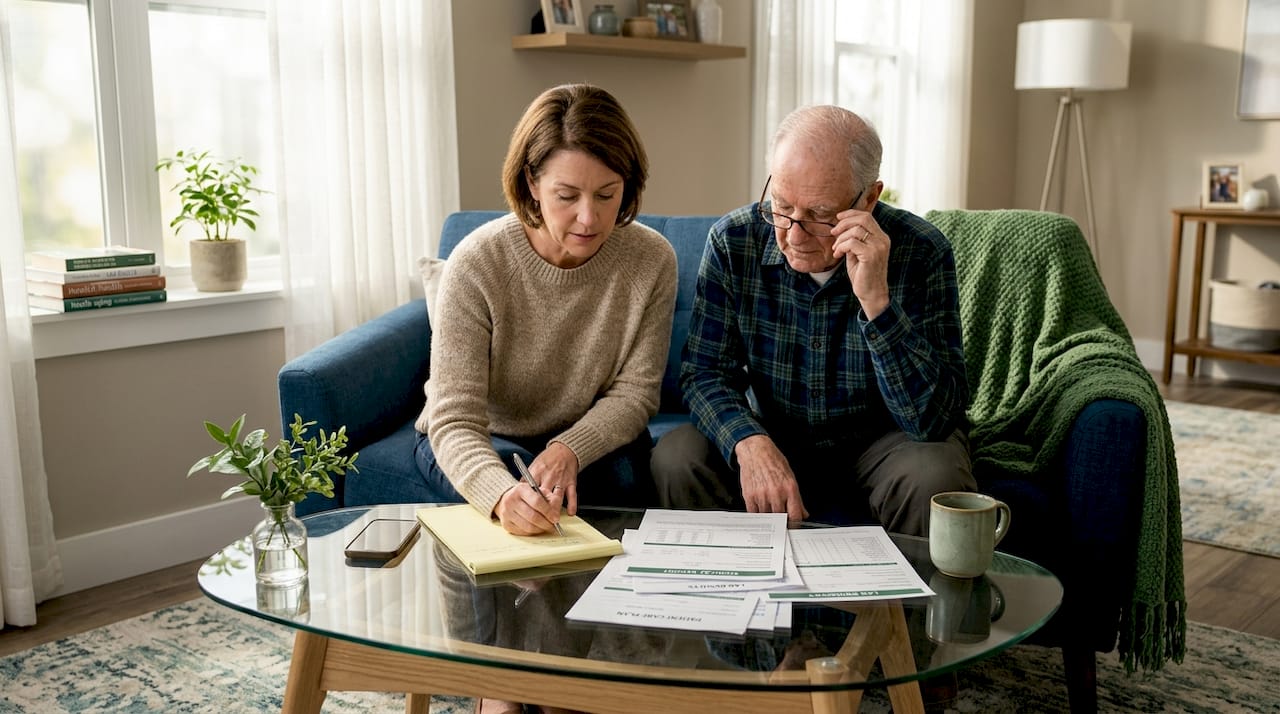
According to California end-of-life planning steps, the core actions include:
- Creating an Advance Healthcare Directive, which spells out medical treatment preferences if your loved one can no longer speak for themselves
- Completing a POLST form (Physician Orders for Life-Sustaining Treatment), a medical order that travels with the patient and guides emergency responders
- Establishing a Power of Attorney for both healthcare and finances, so a trusted person can make decisions when needed
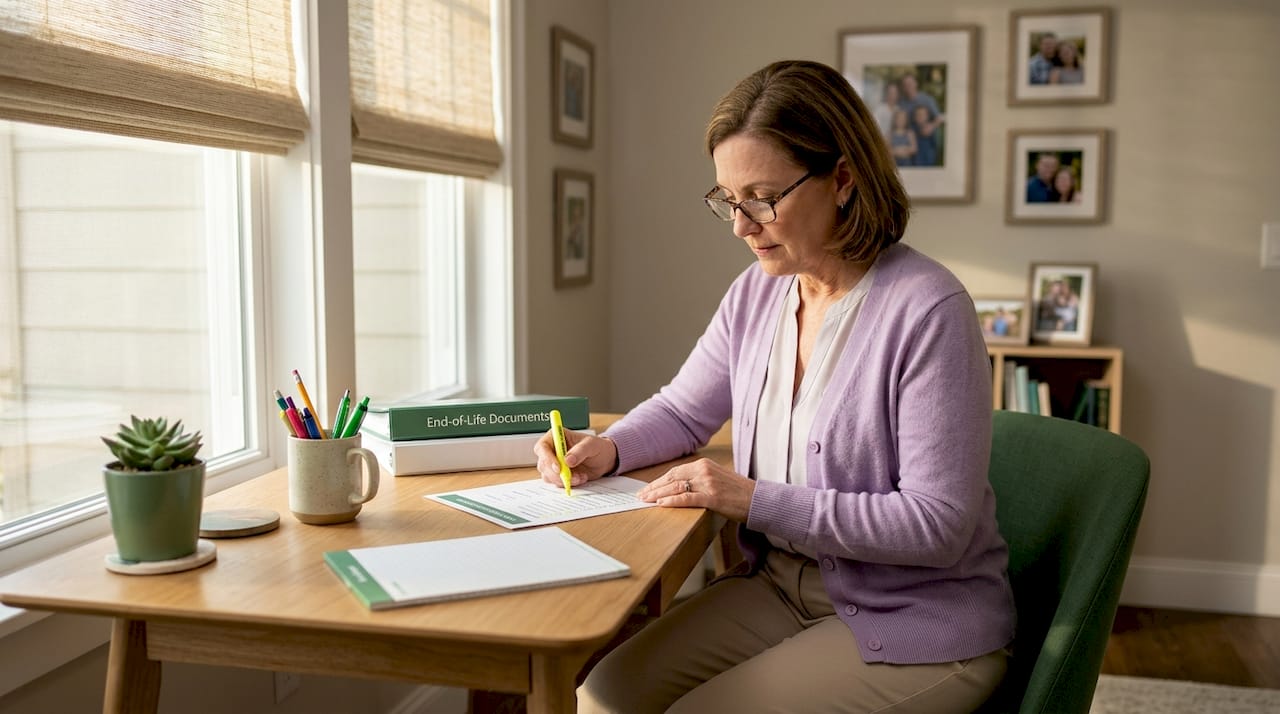
- Organizing legal and financial documents, including insurance policies, property records, and account information
- Planning funeral and burial wishes in advance to reduce stress on the family later
- Applying for benefits such as Medicare, Medi-Cal, or Social Security that may support care costs
- Reviewing the estate plan to confirm it reflects current wishes
Early conversations are just as important as the paperwork. When families talk openly about care preferences before a crisis, they avoid confusion, disagreement, and delayed decisions in high-pressure moments. Reviewing a thorough end-of-life care checklist can help you identify which steps your family still needs to take.
Understanding the types of end-of-life care available in California also helps families match the right support to their loved one’s needs as the situation evolves.
“The greatest gift you can give your family is clarity. When your values and wishes are documented and discussed, your loved ones are freed to focus on love rather than logistics.”
Pro Tip: Do not wait for a diagnosis or a health crisis to start this process. Families who plan early have more options, more time, and far less stress when difficult moments arrive.
Understanding hospice care and eligibility
With the basics of planning laid out, let’s examine your options for professional support through hospice care.
Hospice is a philosophy of care centered on comfort rather than cure. When a loved one is facing a terminal illness, hospice shifts the focus from aggressive treatment to managing pain, easing symptoms, and supporting both the patient and the family emotionally and spiritually.
To qualify for hospice in California, physician certification of a life expectancy of six months or less is required, and the patient must choose comfort-focused care over curative treatment. This applies to Medicare, Medi-Cal, and most private insurance plans.
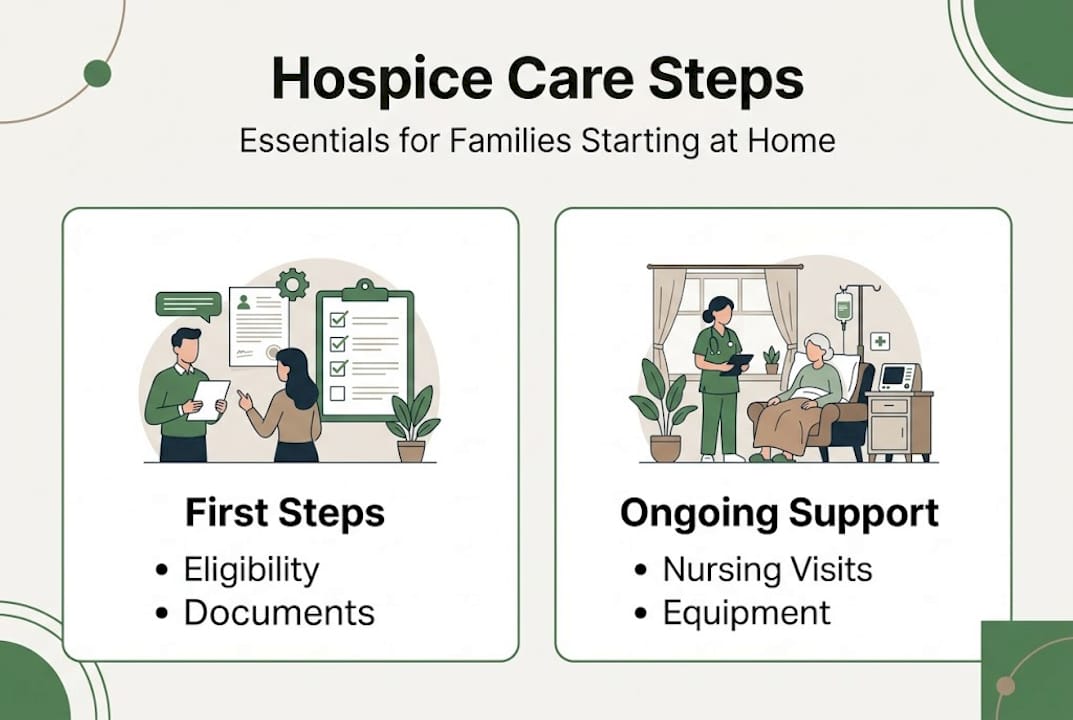
Here is what hospice services typically cover:
- Skilled nursing visits for pain and symptom management
- Physical, occupational, and speech therapy as needed
- Medications related to the terminal diagnosis
- Medical equipment such as hospital beds, wheelchairs, and oxygen
- Social work support and counseling for the patient and family
- Chaplain or spiritual care services
- Volunteer support and bereavement counseling
California’s hospice landscape is substantial. Data shows 48.5% of Medicare decedents in California use hospice, and 76% of inpatient discharges go to home-based hospice care. That means the vast majority of families are choosing to care for their loved ones at home, supported by a professional team.
Understanding the difference between hospice versus home health is an important step in making the right choice. The caregivers’ role in hospice is also significant, and knowing what to expect helps family members feel prepared rather than overwhelmed.
“Hospice is not giving up. It is choosing quality of life, dignity, and meaningful time together.”
Pro Tip: Ask the hospice team specifically about respite care. This short-term inpatient option gives family caregivers a chance to rest while your loved one remains in professional hands.
If you are ready to move forward, learning how to start hospice care at home can guide you through the first steps.
Levels of hospice care and what to expect at home
After understanding eligibility, the next step is to know what hospice at home really looks like and what levels of support are available.
Medi-Cal hospice periods include two 90-day periods followed by unlimited 60-day periods, with recertification required at each stage. Within those periods, four levels of care are available depending on the patient’s needs:
| Level of care | Setting | Key services | When it applies |
|---|---|---|---|
| Routine home care | Home | Nursing visits, medications, equipment, 24/7 phone line | Daily baseline care |
| Continuous home care | Home | Continuous nursing or aide support | Medical crisis at home |
| Inpatient respite care | Facility | Short-term stay (up to 5 days) | Caregiver rest |
| General inpatient care | Hospital or facility | Intensive symptom management | Symptoms uncontrolled at home |
Routine home care makes up 98.8% of all hospice care days in California. This means nearly all hospice care happens at home, with scheduled nurse visits, medication delivery, and equipment provided by the hospice team.
Here is what a typical week of routine home hospice looks like:
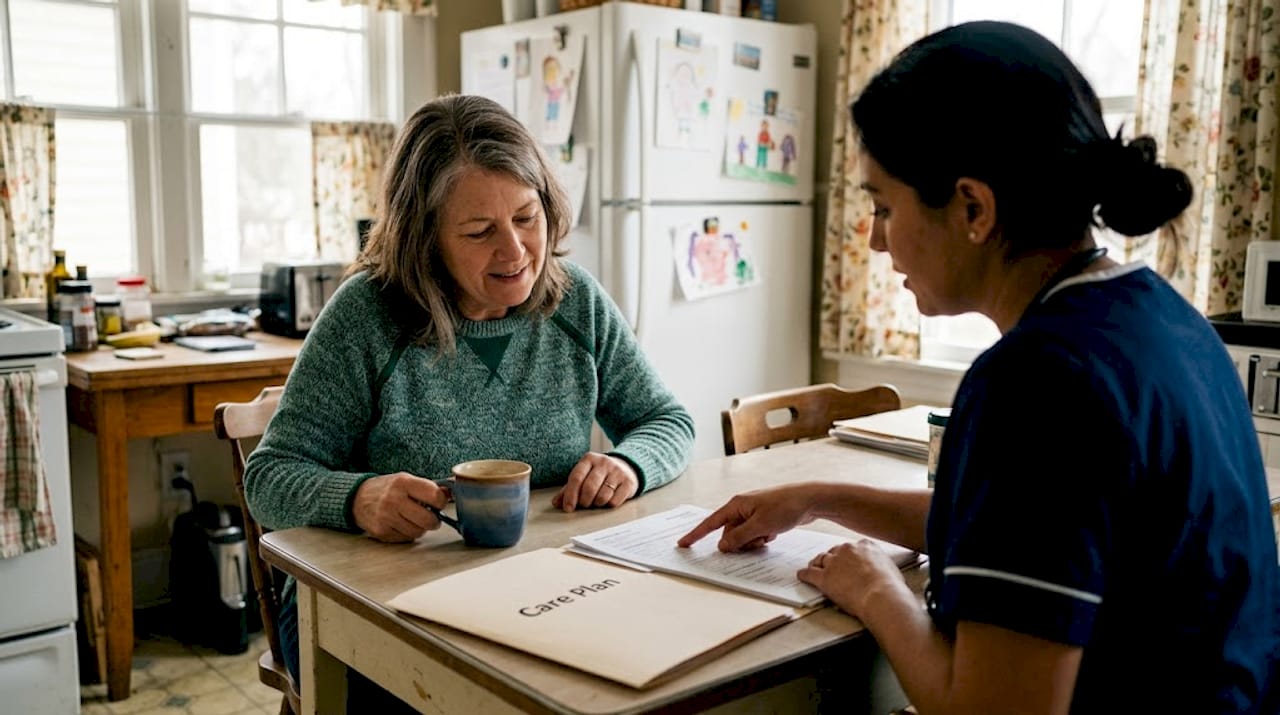
- A registered nurse visits one to three times per week to assess symptoms and adjust medications
- A home health aide may assist with bathing, grooming, and personal care
- A social worker checks in to support family communication and emotional needs
- The hospice team is available 24 hours a day by phone for urgent concerns
- Spiritual care and volunteer visits are scheduled based on family preferences
Statistic to note: The median length of hospice care in California is 31 days, though families who enroll earlier often experience a longer, more supported caregiving period. Earlier enrollment means more time to benefit from the full range of services.
For practical guidance on making home hospice work well, reviewing steps for home hospice success gives families a clear action plan. If unexpected medical changes arise, an hospice emergency care guide can help you respond with confidence.
Practical planning: creating a supportive home environment
Knowing the types and levels of care is only part of the picture. Families also need practical tools to make home care successful.
A safe, organized, and emotionally supportive home makes a significant difference in the quality of care your loved one receives. Here are the key steps to prepare:
- Assess home safety. Remove trip hazards, install grab bars in the bathroom, and ensure clear pathways for mobility equipment.
- Gather personal comfort items. Favorite blankets, photos, music, or scents can ease anxiety and create a sense of calm.
- Set up a medication tracking system. Use a chart, pill organizer, or app to track doses, timing, and any side effects.
- Create an emergency information binder. Include the hospice agency’s contact number, advance directives, medication lists, and insurance details.
- Identify your support network. Know which family members or friends can cover caregiving shifts, transportation, or emotional support.
- Connect with local California resources. Organizations like caregiver support groups, counseling services, and faith communities can provide meaningful relief.
The California end-of-life planning framework reinforces that organizing documents, applying for benefits, and planning ahead are all part of compassionate care. Practical preparation is an act of love.

A comprehensive at-home care support guide can offer additional checklists and tips tailored to California families. Reviewing hospice quality standards also helps you know what to expect from any provider you choose.
Pro Tip: Keep one central binder or digital folder with all essential documents, contacts, medication lists, and care preferences. Label it clearly so any caregiver or family member can find what they need in seconds.
What most families in California overlook about end-of-life planning
Most planning guides hand you a checklist and call it done. But in our experience working alongside California families, the checklist is rarely the hardest part.
What actually creates friction is the timing of conversations and the clarity of roles. Families often assume that completing legal documents is the main barrier to good care. In reality, the greater challenge is having early, honest conversations about what a loved one truly values, and deciding who is responsible for what before a crisis makes those conversations nearly impossible.
The most compassionate care we see comes from families who talked openly months before a diagnosis became urgent. They shared values, not just treatment preferences. They decided who would coordinate care, who would communicate with doctors, and who would support the primary caregiver emotionally.
Step-by-step tools matter enormously, and so does emotional readiness. Understanding the value of hospice at home goes beyond logistics. It is about trusting that the care environment, the team, and the family are aligned. Proactive planning, built on real conversations, is what makes the difference between reacting to a crisis and meeting it with grace.
How Graceland Hospice Care makes end-of-life planning easier
As you take these planning steps, remember you do not have to navigate them alone. At Graceland Hospice Care, we specialize in personalized, at-home comfort care across California, and we are here to walk alongside your family every step of the way.
Our team helps with eligibility questions, paperwork, equipment coordination, and 24/7 support so that nothing falls through the cracks. We believe every eligible patient deserves access to dignified, expert hospice care, and we bring that commitment to every home we serve. Explore our full range of hospice and support services and contact us today for a free consultation. You deserve a team as dedicated to your loved one as you are.
Frequently asked questions
Who qualifies for hospice care in California?
A physician must certify that the patient has a life expectancy of six months or less, and the patient must choose comfort care over curative treatment to qualify for hospice in California.
How long does hospice care typically last at home?
The median hospice length in California is 31 days, but services can continue as long as eligibility is recertified by a physician at each care period.
What documents are needed for end-of-life planning?
Key planning documents include an Advance Healthcare Directive, POLST form, Power of Attorney, and organized insurance and financial records to guide care decisions.
Does Medi-Cal cover all hospice costs?
Yes, Medi-Cal hospice coverage is comprehensive for eligible patients, including nursing visits, medications, and equipment, with no copayments required from the patient or family.
How can families prepare their home for hospice care?
Families should secure necessary medical equipment, organize medications with a tracking system, clear pathways for mobility aids, and make sure all caregivers understand the patient’s documented wishes.
Recommended
- End of Life Care Guide for Compassionate At-Home Support | Graceland Hospice Care Blog
- End of Life Care Steps for Home Hospice Success | Graceland Hospice Care Blog
- Hospice Visit Workflow for Comfort Care at Home | Graceland Hospice Care Blog
- Home Hospice Care Workflow: A Step-by-Step Guide for Families | Graceland Hospice Care Blog
- Coping with Grief: Effective Steps for Healing After Loss - Mastering Conflict
- About grief - When it’s slightly belated| Heske Therapy