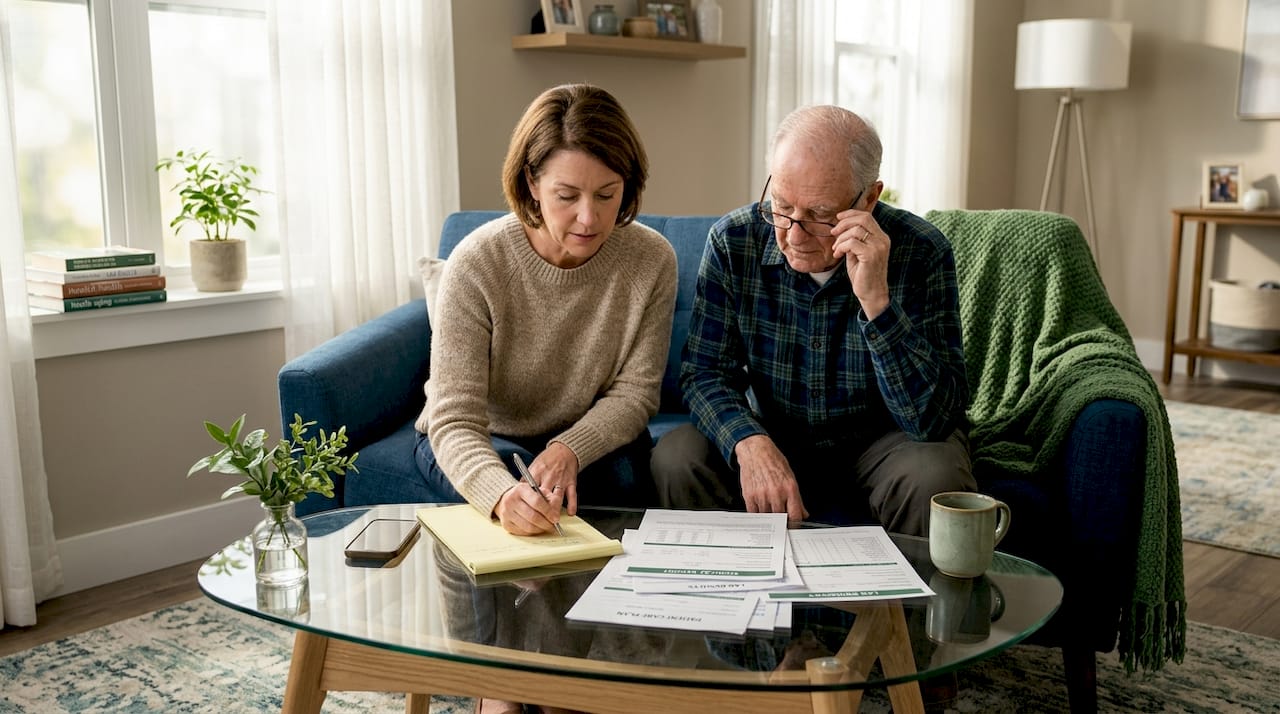
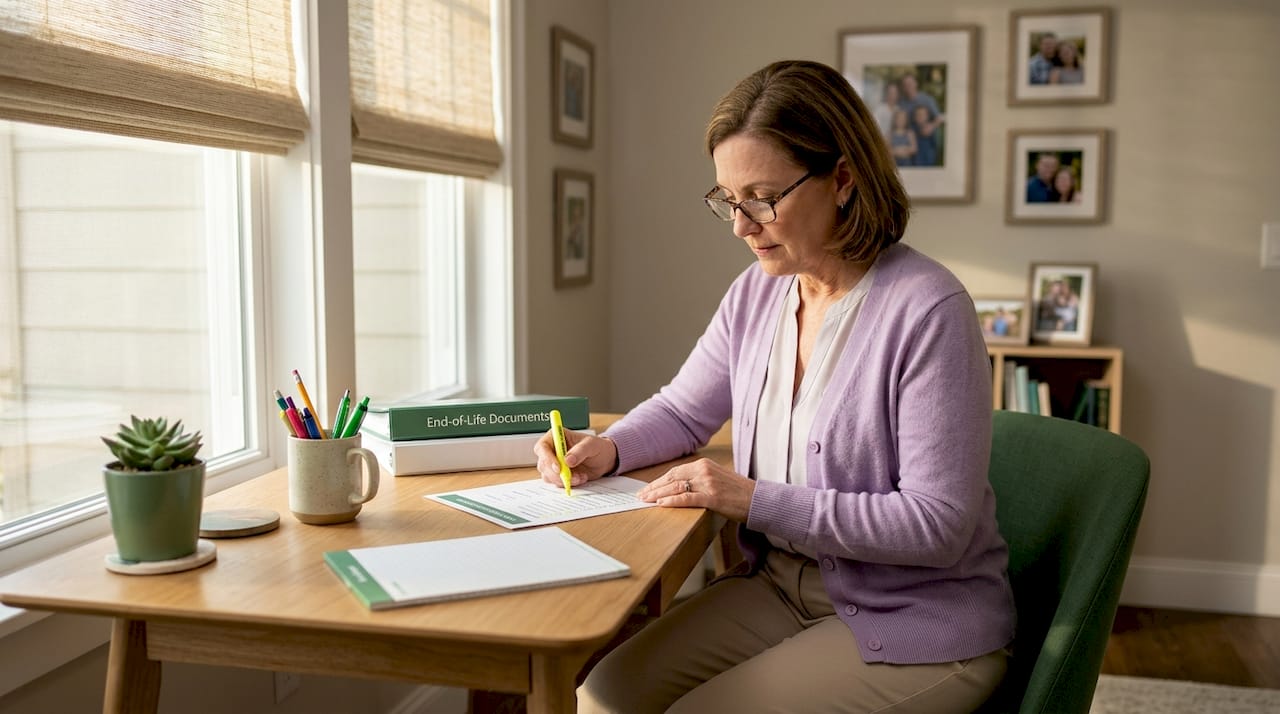
Emergency care in hospice: a guide for California families
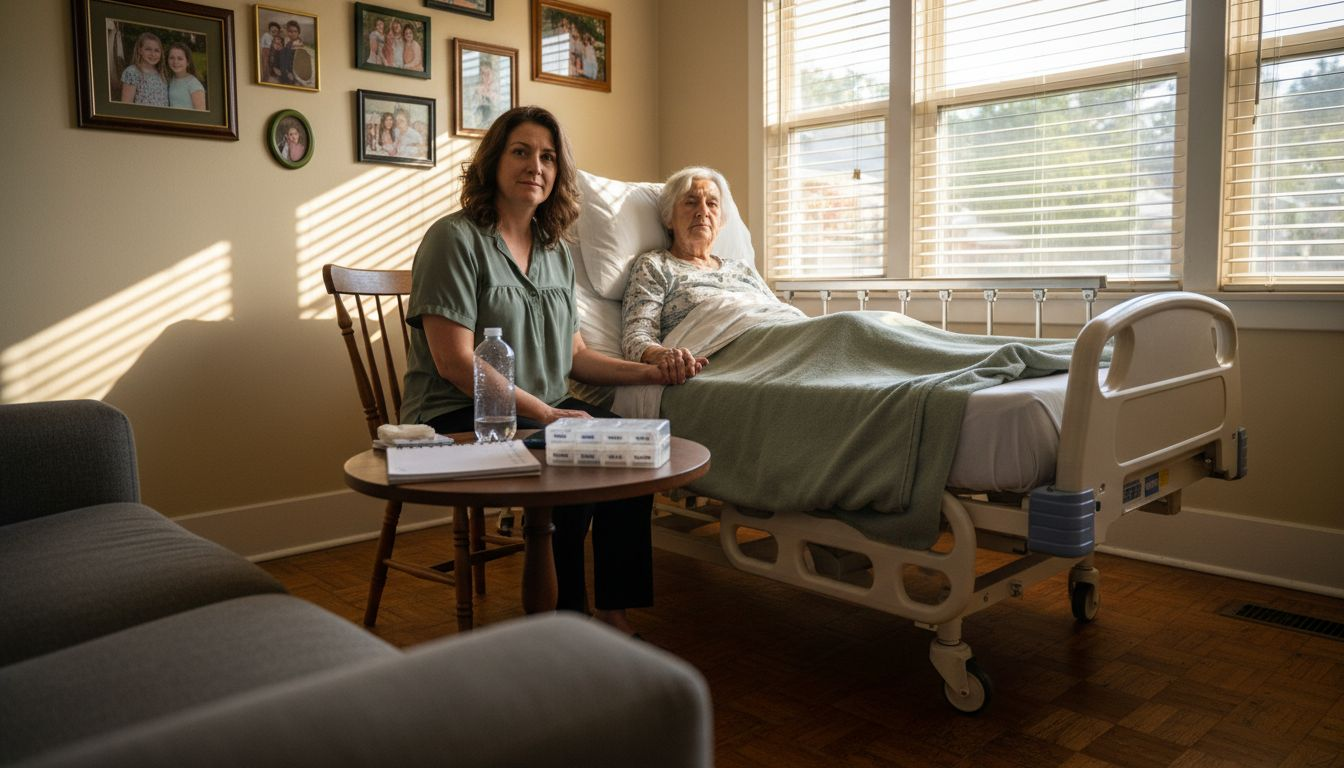
Emergency care in hospice: a guide for California families
Many families assume hospice care means giving up on medical intervention, but hospice programs actively manage emergencies at home with skilled symptom control and rapid response protocols. When a loved one enters hospice, you gain a dedicated team trained to handle sudden pain crises, breathing difficulties, and other urgent symptoms without defaulting to hospital transfers. Understanding how hospice providers approach emergencies transforms anxiety into confidence, allowing families to support their loved ones through the final journey with compassion and preparedness. This guide walks you through practical strategies, evidence-based interventions, and the support systems that make home-based emergency care both possible and dignified.
Table of Contents
- Understanding Hospice Care And Its Focus On Comfort
- Common Hospice Emergencies And Symptom Management At Home
- How In-Home Hospice Care Reduces Emergency Room Visits And Hospital Readmissions
- Supporting Families: Training And Resources For Managing Hospice Emergencies
- Explore Compassionate Hospice Care Options With Graceland Hospice Care
- Frequently Asked Questions About Emergency Care In Hospice
Key takeaways
| Point | Details |
|---|---|
| Comfort over cure | Hospice prioritizes symptom relief and dignity rather than aggressive treatments that prolong suffering. |
| Proactive symptom management | Early intervention for pain, breathing issues, and agitation prevents crises and reduces hospital visits. |
| Home-based emergency response | Trained hospice teams provide rapid in-home care, eliminating most emergency room trips. |
| Family caregiver support | Comprehensive training and 24/7 access to hospice nurses empower families to handle urgent situations confidently. |
Understanding hospice care and its focus on comfort
Hospice care addresses the unique needs of terminally ill individuals by focusing on alleviating pain and suffering rather than curing the illness. This philosophy shifts the treatment goal from extending life at all costs to maximizing quality of life during the time remaining. In California, patients become eligible for hospice under Medi-Cal when a physician certifies a life expectancy of six months or less if the disease follows its natural course. Families complete an election form to formally choose hospice benefits, which then cover all services related to the terminal diagnosis, including medications, equipment, and professional visits.
The hospice provider assembles an interdisciplinary team that includes physicians, nurses, social workers, chaplains, and trained volunteers. This team coordinates care plans tailored to each patient’s symptoms, preferences, and family dynamics. Necessary paperwork ensures Medi-Cal coverage remains active, and families receive clear instructions about contacting the hospice team for any concerns. Many people mistakenly believe hospice means abandoning medical care entirely, but the reality involves sophisticated symptom management delivered in the comfort of home.
Common misconceptions create unnecessary fear around hospice emergencies. Some families worry that choosing hospice eliminates access to urgent medical intervention, but hospice teams routinely handle acute symptoms like sudden bleeding, severe pain spikes, or respiratory distress without hospital transfers. The coordinated approach prevents suffering by addressing symptoms immediately, using medications and techniques specifically designed for comfort. When families understand that what is hospice care orange county truly means, they recognize emergency care as an integral part of the service model, not an afterthought.
“Hospice care transforms the final chapter of life by ensuring that medical emergencies receive compassionate, skilled attention without the trauma of emergency room visits or invasive procedures that conflict with patient goals.”
Key principles guide every hospice emergency response:
- Patient autonomy remains central, with advance directives honored even during crises
- Symptom relief takes priority over diagnostic testing or curative interventions
- Family presence and participation are encouraged and supported throughout emergencies
- Spiritual and emotional needs receive equal attention alongside physical symptoms
Common hospice emergencies and symptom management at home
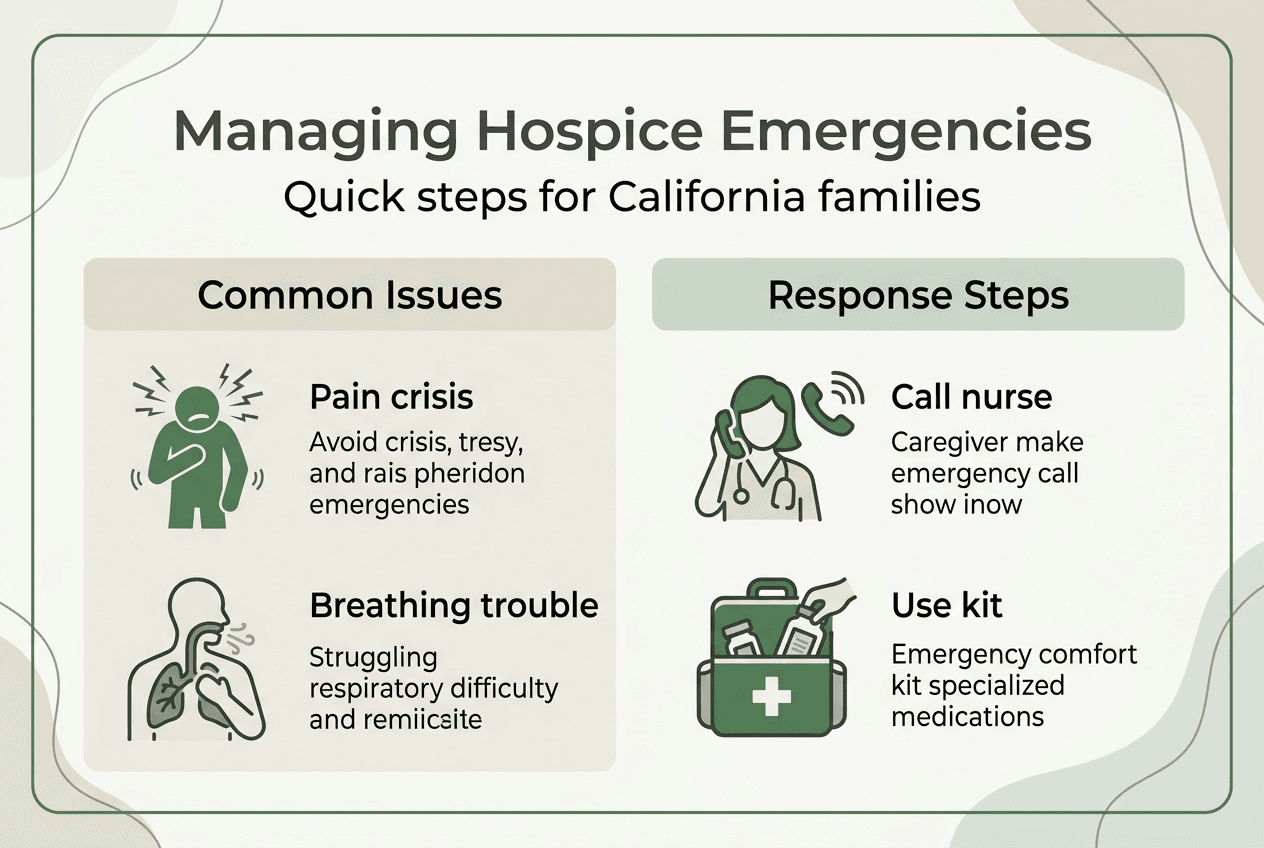
Severe pain crises represent one of the most frequent hospice emergencies, often resulting from disease progression, breakthrough pain, or medication timing issues. Families can take immediate action by administering prescribed breakthrough medications, typically fast-acting opioids in liquid or sublingual form. Repositioning the patient, applying heat or cold packs to affected areas, and creating a calm environment all contribute to pain reduction. The hospice nurse should receive a call whenever pain exceeds manageable levels, as medication adjustments or additional interventions may be necessary.
Dyspnea, or difficulty breathing, causes significant distress for both patients and families. Early intervention and symptom management prove crucial in these situations, with patient-centered care guiding every decision. Families can elevate the head of the bed, open windows for fresh air circulation, use a fan to create gentle airflow across the face, and administer prescribed oxygen if available. Morphine effectively relieves the sensation of breathlessness even at low doses, and anti-anxiety medications help reduce the panic that often accompanies breathing difficulties. Staying calm and speaking in soothing tones helps the patient relax, which naturally improves breathing patterns.
Agitation and confusion emerge suddenly in many hospice patients, triggered by medication changes, infection, constipation, or disease progression affecting the brain. Families should first assess for reversible causes like full bladder, uncomfortable positioning, or environmental factors like excessive noise or bright lights. Gentle reorientation, familiar music, and the presence of loved ones often calm agitated patients. When behavioral interventions fail, hospice nurses can administer medications to reduce anxiety and promote comfort without oversedation.
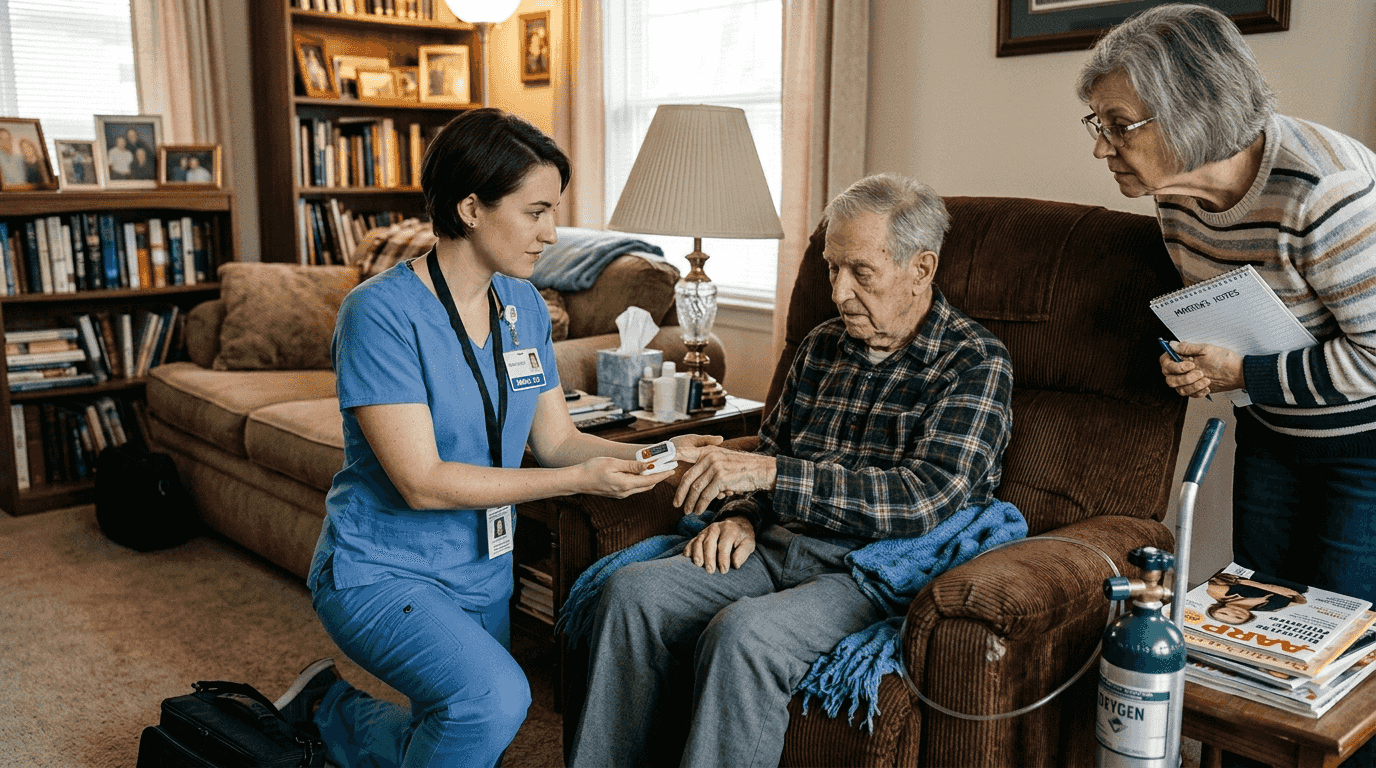
Bleeding episodes require swift assessment to determine severity and appropriate response. Minor bleeding from the nose, mouth, or skin typically responds to gentle pressure with clean cloths and elevation of the affected area. Significant bleeding warrants immediate hospice nurse notification, as medications can slow bleeding and anxiety medications help keep the patient comfortable. The focus remains on comfort rather than aggressive interventions like transfusions or emergency surgery.
Pro Tip: Assemble an emergency symptom management kit in an easily accessible location, containing breakthrough pain medications, anti-anxiety medications, gloves, absorbent pads, clean towels, a thermometer, and the hospice team’s 24/7 contact number. Review the contents monthly to ensure medications remain current and supplies stay stocked.
| Symptom Type | Average Time to Intervention | Patient Comfort Improvement |
|---|---|---|
| Severe pain crisis | 15-30 minutes | 85% report significant relief |
| Breathing difficulty | 10-20 minutes | 78% experience easier breathing |
| Acute agitation | 20-40 minutes | 72% achieve calm state |
| Bleeding episodes | 5-15 minutes | 90% stabilize with comfort measures |
Understanding medication timing prevents many emergencies from escalating. Families should maintain a clear schedule for routine medications and know exactly when breakthrough doses can be administered safely. The hospice nurse provides detailed instructions about maximum daily doses, intervals between doses, and signs that require immediate professional assessment. Managing pain symptoms hospice care involves both scheduled and as-needed approaches, creating a comprehensive strategy that anticipates problems before they become crises.
How in-home hospice care reduces emergency room visits and hospital readmissions
In-home hospice care significantly reduces the need for emergency room visits for terminally ill patients, with studies showing reductions of 40% to 60% compared to patients without comprehensive hospice support. This dramatic decrease results from proactive symptom management, 24/7 nurse availability, and family education that empowers caregivers to handle urgent situations at home. Hospital readmissions drop by similar percentages, as hospice teams address complications before they require inpatient care. The financial savings benefit both families and healthcare systems, but more importantly, patients avoid the stress and discomfort of ambulance transport and emergency department chaos during their final weeks.
Family caregivers play essential roles in preventing emergency situations through careful observation and timely communication with the hospice team. They monitor vital signs, track medication effectiveness, notice subtle changes in patient condition, and implement comfort measures taught during training sessions. Support services strengthen caregiver capacity by providing respite care when exhaustion threatens their ability to function, delivering durable medical equipment that simplifies care tasks, and offering emotional counseling that addresses the profound stress of watching a loved one decline.
| Care Model | Average Monthly ER Visits | Hospital Readmission Rate | Family Satisfaction Score |
|---|---|---|---|
| Comprehensive in-home hospice | 0.2 visits | 8% | 4.7 out of 5 |
| Limited hospice support | 0.8 visits | 22% | 3.9 out of 5 |
| No hospice services | 1.4 visits | 35% | 3.2 out of 5 |
Beyond hospital avoidance, well-coordinated home hospice programs deliver holistic benefits that transform the dying process:
- Patients remain in familiar surroundings with beloved possessions and family members nearby
- Spiritual care addresses existential concerns and helps patients find meaning in their final journey
- Grief counseling begins before death, preparing families for the emotional aftermath
- Volunteer companions provide respite and meaningful connection for isolated patients
- Bereavement support continues for 13 months after death, helping families process their loss
Pro Tip: Establish a rapid response protocol with your hospice team during the initial care planning meeting, clarifying exactly when to call, what information nurses need during emergencies, and how quickly they can arrive at your home. Document this protocol in a visible location so any family member can access it instantly during a crisis.
The end of life care guide compassionate at home support framework demonstrates how structured programs create safety nets that catch problems early. Regular nurse visits allow professionals to spot warning signs before symptoms become severe, adjust medications proactively, and educate families about changes to expect. This anticipatory approach contrasts sharply with reactive emergency care models that wait for crises to develop before intervening.
Quality of life improvements extend beyond physical comfort to encompass emotional and relational dimensions. Patients who avoid repeated hospitalizations maintain stronger connections with family members, participate in meaningful activities longer, and retain dignity throughout the dying process. Families report lower rates of complicated grief and post-traumatic stress when deaths occur at home with adequate support, compared to deaths preceded by traumatic emergency interventions or intensive care unit admissions.
Supporting families: training and resources for managing hospice emergencies
Caregiver stress reaches extreme levels when families feel unprepared for medical emergencies, with significant burden documented among those caring for terminally ill loved ones at home. Mental health challenges including anxiety, depression, and burnout affect up to 70% of family caregivers during the hospice journey. Sleep deprivation compounds these problems, as caregivers maintain vigilance throughout the night, fearing they might miss critical symptoms. Financial strain adds another layer of stress when caregivers reduce work hours or leave employment entirely to provide full-time care.
Comprehensive training programs address these challenges by building caregiver competence and confidence. Hospice teams should cover these essential topics:
- Recognizing early warning signs of common emergencies before they escalate
- Administering medications safely, including injections and sublingual doses
- Using medical equipment like oxygen concentrators, hospital beds, and feeding tubes
- Performing basic comfort measures such as repositioning, mouth care, and skin protection
- Communicating effectively with hospice professionals during urgent situations
- Managing personal stress through self-care practices and boundary setting
- Understanding the normal dying process to distinguish emergencies from expected changes
Resources available through California hospice programs extend far beyond medical training. Counseling services address anticipatory grief, family conflicts, and the emotional exhaustion that accompanies caregiving. Respite care provides temporary relief by placing patients in inpatient facilities or sending trained volunteers to the home, allowing primary caregivers to rest, attend to personal needs, or simply step away from the intensity of constant vigilance. Hospice nurse visits occur with frequency determined by patient needs, ranging from weekly check-ins for stable patients to daily visits during actively dying phases.
Community support groups connect caregivers with others navigating similar journeys, reducing isolation and providing practical tips from experienced peers. Online forums and telephone support lines offer 24/7 access to encouragement and advice. Many hospice programs provide educational materials in multiple languages, ensuring families from diverse backgrounds receive culturally appropriate guidance.
Pro Tip: Schedule a one-on-one training session with your hospice nurse specifically focused on emergency scenarios you fear most, practicing hands-on skills like medication administration and symptom assessment until you feel genuinely confident rather than just informed.
Training effectiveness directly correlates with improved patient outcomes and reduced caregiver anxiety. Families who complete structured education programs report 50% less worry about managing emergencies compared to those receiving only basic orientation. Patient comfort scores increase when caregivers can implement interventions promptly without waiting for professional arrival. The relationship between caregiver competence and patient quality of life creates a virtuous cycle where confident families provide better care, leading to fewer crises and less stress for everyone involved.
Examples of hospice services for families illustrate the breadth of support available beyond emergency management. Art therapy, music therapy, and pet therapy programs address emotional and spiritual needs. Practical assistance with bathing, meal preparation, and light housekeeping reduces the physical burden on family members. Pharmacists review medication regimens to simplify dosing schedules and minimize side effects.
The role of hospice nurse orange county encompasses educator, advocate, and emergency responder. These professionals serve as the primary point of contact during crises, providing telephone triage to determine whether symptoms can be managed at home or require an in-person visit. Their clinical expertise allows rapid assessment and intervention, often resolving emergencies within minutes of arrival. The trusting relationship built through regular visits makes emergency situations less frightening, as families work with familiar professionals who understand their loved one’s unique needs and preferences.
Explore compassionate hospice care options with Graceland Hospice Care
Graceland Hospice Care brings decades of experience managing emergencies with compassion and clinical excellence, ensuring families never face frightening situations alone. Our comprehensive services encompass sophisticated symptom management, extensive caregiver training, spiritual care that honors diverse beliefs, and 24/7 availability that provides genuine peace of mind. When you partner with Graceland Hospice Care, you gain access to:
- Rapid response teams arriving at your home within hours of urgent calls
- Personalized care plans that anticipate and prevent common emergencies
- Multilingual staff who communicate clearly in your preferred language
- Bereavement support extending well beyond your loved one’s death
Our commitment to excellence means constantly raising standards in hospice care, treating every individual with deep compassion, and ensuring the gift of hospice reaches all eligible patients and their families without exception. Contact Graceland Hospice Care today for a free consultation to discuss how our hospice care approach can support your family through this challenging journey. Explore our full range of hospice care services designed to keep your loved one comfortable at home.
“At Graceland Hospice, we understand that emergencies test families in profound ways. Our promise is simple: you will never face a crisis alone, and your loved one will always receive the compassionate, skilled care they deserve.”
Frequently asked questions about emergency care in hospice
Can hospice patients receive emergency medical treatment?
Yes, hospice patients receive emergency treatment focused on comfort and symptom relief rather than curative interventions. The hospice team manages most emergencies at home using medications and techniques that align with the patient’s goals of care. Hospital transfers occur only when comfort cannot be achieved at home or when families specifically request it.
What should families do if a sudden emergency occurs at home?
Call the hospice nurse immediately using the 24/7 emergency number provided during enrollment. While waiting for guidance, stay calm, remain with the patient, and implement any comfort measures you learned during training. The nurse will provide telephone instructions and dispatch a team member to your home if needed.
How quickly does hospice respond to emergency calls?
Most hospice programs commit to responding to emergency calls within 30 to 60 minutes, with telephone triage beginning immediately. Nurses often resolve situations through guided telephone support, but when in-person assessment is necessary, teams prioritize urgent visits. Response times vary by location and time of day, but 24/7 availability ensures families never wait until morning for help.
Are there medications families should keep on hand?
Your hospice team provides an emergency medication kit containing fast-acting pain relievers, anti-anxiety medications, and treatments for common symptoms like nausea or breathing difficulty. These medications come with clear instructions about when and how to administer them. Never use medications prescribed for other family members or obtained outside the hospice program.
What support is available for overwhelmed caregivers?
Hospice programs offer respite care, counseling services, support groups, and volunteer assistance specifically designed to prevent caregiver burnout. You can request additional nurse visits, ask for volunteer companions to provide breaks, or arrange temporary inpatient care when you need extended rest. Recognizing your own limits and asking for help protects both your wellbeing and your ability to care for your loved one.
How do I know if a symptom requires immediate attention versus routine monitoring?
Your hospice nurse teaches you to distinguish between expected changes in the dying process and true emergencies requiring intervention. General guidelines include calling immediately for uncontrolled pain, severe breathing difficulty, significant bleeding, extreme agitation, or any symptom causing obvious distress. When in doubt, always call the hospice team rather than waiting to see if symptoms resolve on their own.
Recommended
- Understanding Hospice Care: A Guide for Families | Graceland Hospice Care Blog
- Blog & Resources | Graceland Hospice Care
- Home Hospice Care Workflow: A Step-by-Step Guide for Families | Graceland Hospice Care Blog
- Role of Caregivers in Hospice – Making End-of-Life More Compassionate | Graceland Hospice Care Blog
- Medical Leave and Disability Rights for Westwood Healthcare Workers - Law Office of Brian Y. Shirazi, PC