End of Life Care Steps for Home Hospice Success
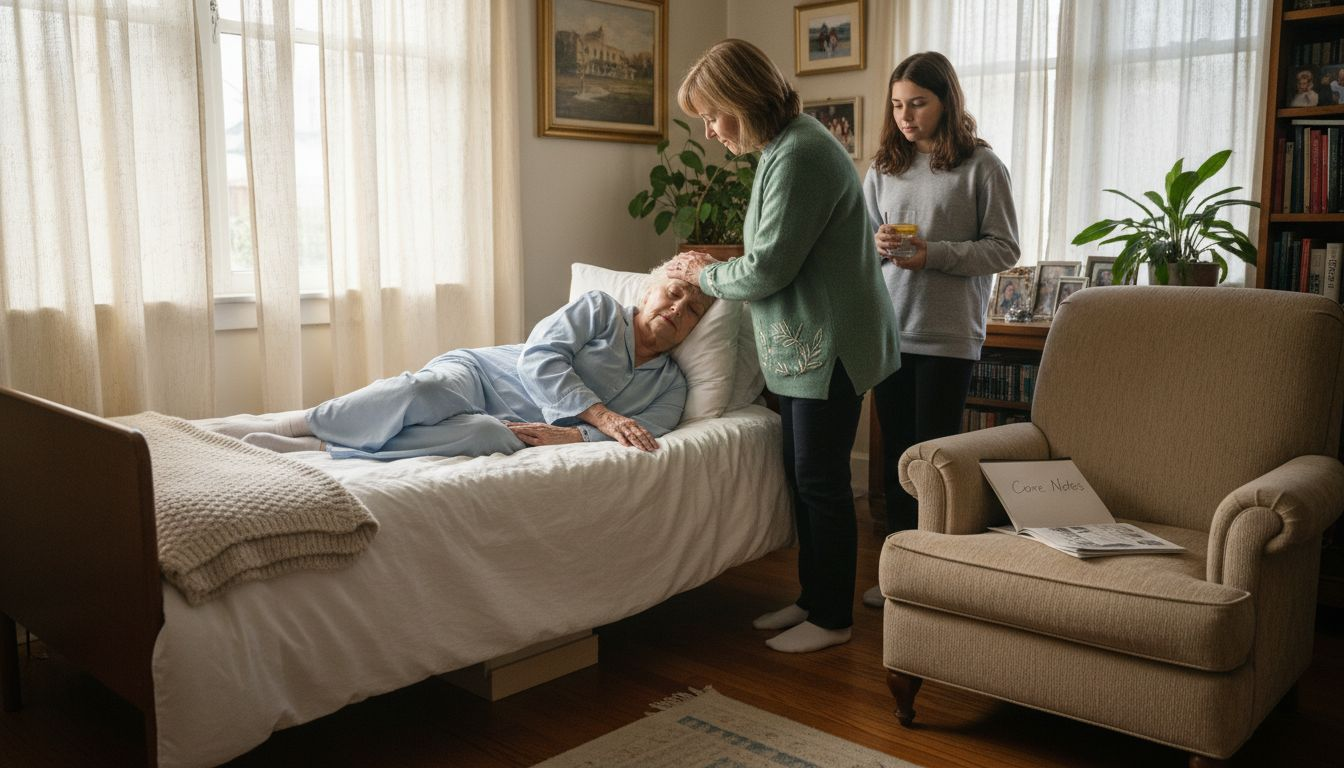
End of Life Care Steps for Home Hospice Success
Caring for a terminally ill loved one at home often brings both emotional strain and practical questions, especially for families in Orange and LA counties. The journey toward providing compassionate end-of-life care can feel overwhelming, but focusing on a clear support plan makes a real difference. Hospice care centers on comfort and dignity, emphasizing symptom management and personal wishes rather than cure, so understanding needs early helps you choose the best path for your family and your loved one.
Table of Contents
- Step 1: Assess Needs And Establish Support
- Step 2: Coordinate Care With Hospice Professionals
- Step 3: Implement Comfort And Symptom Management
- Step 4: Monitor Progress And Adjust Care Plan
- Step 5: Verify Wishes And Ensure A Peaceful Transition
Quick Summary
| Key Takeaway | Explanation |
|---|---|
| 1. Assess needs before creating a plan | Understand your loved one’s wishes and medical needs to tailor effective hospice care. |
| 2. Coordinate with the hospice team | Ensure clear communication and collaboration among family and professional caregivers for seamless care delivery. |
| 3. Focus on comfort and symptom management | Implement measures for physical and emotional comfort to enhance your loved one’s quality of life. |
| 4. Monitor progress and adjust care plans | Regularly observe changes and communicate them to the hospice team for timely updates to the care plan. |
| 5. Verify wishes for a peaceful transition | Discuss and document your loved one’s preferences to ensure their values guide care decisions at the end of life. |
Step 1: Assess needs and establish support
Before you can create a meaningful plan for home hospice care, you need to understand what your loved one actually needs and who will be available to help. This assessment forms the foundation for everything that follows, allowing you to make informed decisions about care and identify the right support structure.
Start by having an honest conversation with your loved one about their wishes and priorities. Ask what matters most to them at this stage of their life. Are they concerned about pain management? Do they want to spend time with specific people? What brings them comfort? These answers guide all your next decisions.
Next, evaluate the medical needs realistically. What symptoms are they experiencing now, and what might develop? Hospice care focuses on symptom management and maintaining quality of life for people expected to live six months or less. Understanding these needs helps you determine what professional support is essential versus what family members can handle.
Assess your home environment carefully. Does the bedroom accommodate a hospital bed if needed? Are there stairs that could become problematic? Is there adequate bathroom access? These practical considerations affect both comfort and safety.
Now, honestly evaluate your available support network:
- Family members able to provide hands-on care or emotional support
- Friends or neighbors who can help with meals, errands, or companionship
- Professional caregivers you might need to hire for specific tasks
- Healthcare team members including doctors, nurses, and social workers
- Spiritual advisors if your loved one values religious or spiritual guidance
Document who is committed to what role. This prevents confusion later and ensures everyone understands their responsibilities. Be honest about capacity—someone who visits once a week is different from someone who can provide daily hands-on care.
Here’s a summary of typical roles involved in the home hospice support network:
| Role | Main Responsibility | Common Frequency |
|---|---|---|
| Primary Caregiver | Coordinates care and decisions | Daily involvement |
| Family Members | Provide emotional and practical help | Varies (daily to weekly) |
| Friends/Neighbors | Assist with meals and companionship | As needed |
| Professional Caregivers | Deliver specialized hands-on care | Several visits/week |
| Healthcare Team | Oversee medical, nursing, and social care | Scheduled and on-call |
| Spiritual Advisors | Offer religious or spiritual support | Upon request |
Identify the primary caregiver, the person who will coordinate care decisions and lead the team. This is often the most involved family member, though it doesn’t have to be. They need both capability and emotional resilience for the role.
Your assessment answers are not permanent—they evolve as your loved one’s condition changes, so plan to revisit these conversations regularly.
Pro tip: Write down the answers to your assessment questions in one document so all care team members have consistent information and can reference it without repeatedly asking your loved one the same questions.
Step 2: Coordinate care with hospice professionals
Once you have assessed your loved one’s needs and support network, it’s time to bring in the professional hospice team. This coordination step ensures everyone works together seamlessly, creating a unified care plan that honors your loved one’s wishes while providing expert medical and emotional support.
Start by scheduling an initial meeting with your hospice agency to discuss your loved one’s condition, goals, and preferences. Be honest about what matters most to them. Pain relief? Time with family? Spiritual comfort? These conversations shape the entire care approach.
Understand who makes up your hospice team. An interdisciplinary hospice team typically includes physicians, nurses, social workers, chaplains, pharmacists, and volunteers. Each member plays a specific role in your loved one’s care.
Establish clear communication channels with the team. Who do you contact for urgent questions? What is the on-call process? When will nurses visit, and how often? Having these details prevents confusion when you need help.
The hospice team will conduct their own assessments and create an individualized care plan. This document outlines symptom management strategies, medication schedules, and support services. Review it carefully and ask questions about anything unclear.
Here’s what effective coordination looks like:
- Weekly check-ins between family and hospice staff to discuss changes or concerns
- Shared documentation that everyone on the team can access and update
- Clear decision-making processes so everyone knows who decides what if your loved one cannot communicate
- Regular care plan adjustments as your loved one’s condition evolves
- 24/7 support availability for emergencies or urgent symptom changes
Make sure your primary caregiver has direct contact information for key team members. When hospice becomes the manager of care, they coordinate all services related to your loved one’s terminal illness, so you should know who to reach.
Discuss medications and symptom management openly. Ask about side effects, timing, and what to expect. The team should explain their approach clearly so you understand the reasoning behind each decision.
Effective care coordination means the hospice team works with your family, not for them—you’re all partners in honoring your loved one’s wishes.
Pro tip: Assign one family member as the primary contact person with the hospice team to avoid miscommunication, and hold weekly family meetings to keep everyone informed about changes and upcoming needs.
Step 3: Implement comfort and symptom management
Comfort becomes the primary focus in home hospice care. This step involves working with your hospice team to manage pain, address difficult symptoms, and create an environment where your loved one can experience the best quality of life possible during their remaining time.
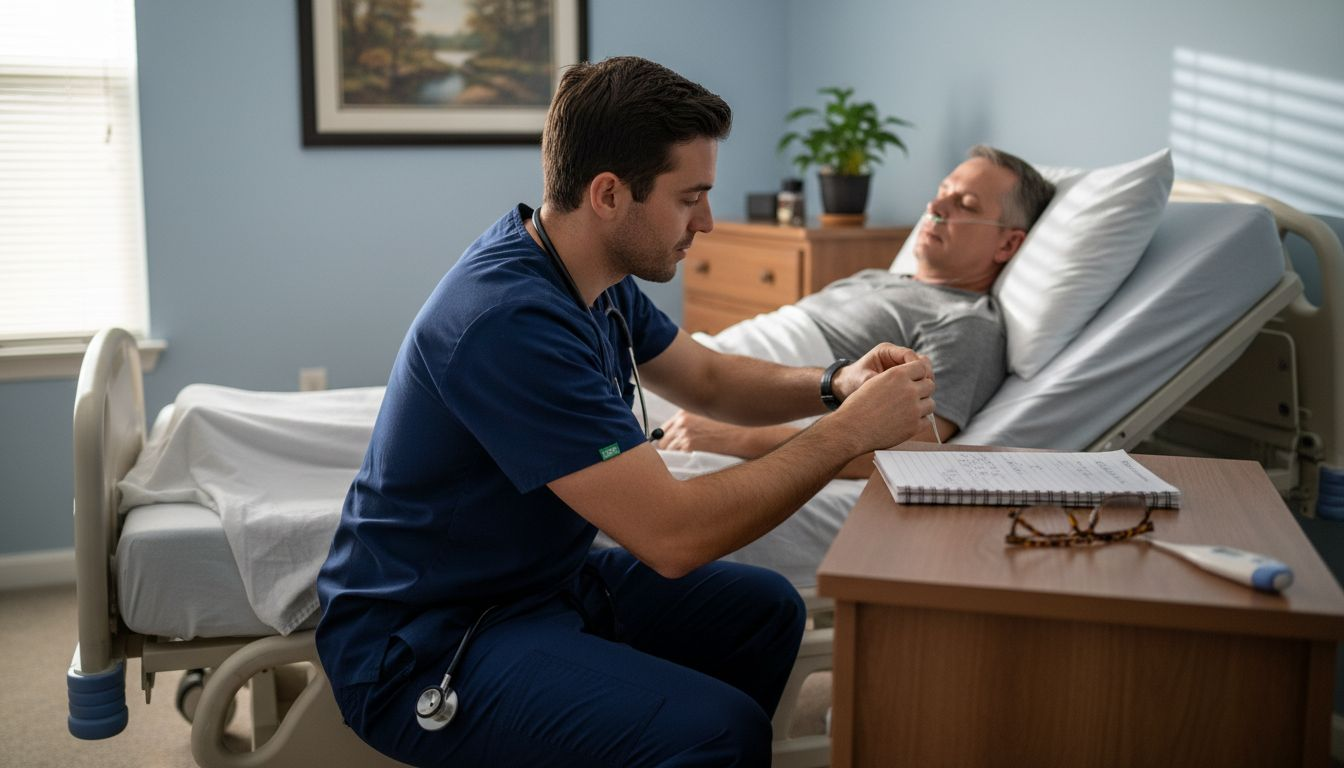
Start by understanding what symptoms your loved one is currently experiencing. Is pain present? Are there breathing difficulties, nausea, anxiety, or sleep disturbances? Document these observations to share with the hospice nurse, who uses this information to develop an effective symptom management plan.
Work closely with the hospice medical team to establish a medication schedule. Medications in hospice care are prescribed with comfort as the goal, focusing on pain management and quality of life. Ask your nurse about each medication, including what it treats, when to give it, and what results to expect.
Create a comfortable physical environment. Keep the room at a pleasant temperature, use soft lighting, and minimize unnecessary noise. Fresh air, familiar music, or scents can provide comfort. Small adjustments often make a significant difference in your loved one’s well-being.
This table highlights key differences between home hospice care and hospital-based end-of-life care:
| Aspect | Home Hospice Care | Hospital-Based Care |
|---|---|---|
| Setting | Patient’s home | Medical facility |
| Focus | Comfort and quality of life | Medical interventions |
| Family Involvement | High—family leads care | Limited—staff directs care |
| Environment Control | Personalized by patient | Controlled by hospital |
| Visitation | Flexible, often unrestricted | May have strict policies |
Learn the practical skills you’ll need to provide comfort care:
- Positioning and movement to prevent pressure sores and ease discomfort
- Mouth care to keep lips and throat moist and comfortable
- Gentle massage or hand-holding to provide emotional and physical comfort
- Skin care using soft touch and appropriate lotions
- Temperature management with blankets, fans, or cool cloths as needed
Pay attention to non-medication comfort measures. Sometimes what helps most is simply your presence, a cool drink of water, or adjusted pillows. These small acts matter deeply.
Monitor medication effectiveness carefully. If your loved one still seems uncomfortable, contact the hospice team immediately. Medication adjustments can often improve comfort significantly, and the team should respond promptly to concerns.
Remember that comfort includes emotional and spiritual care, not just physical symptom relief. Listen, sit quietly together, play meaningful music, or facilitate visits from people your loved one cherishes.
Comfort care is an active process, not passive watching—your vigilant attention and communication with the hospice team directly improves your loved one’s experience.
Pro tip: Keep a symptom log noting what your loved one experiences, when it occurs, what seems to help, and what doesn’t—this detailed information helps the hospice team make precise medication and care adjustments.
Step 4: Monitor progress and adjust care plan
Your loved one’s condition will change throughout the hospice journey. Monitoring progress carefully and communicating those changes to the hospice team ensures the care plan evolves to meet new needs. This step keeps the focus on comfort and quality of life as circumstances shift.
Observe your loved one daily, paying attention to physical, emotional, and behavioral changes. Is pain increasing or decreasing? Are they eating or drinking less? Are they sleeping more? Is their mood different? These observations provide crucial information for the care team.
Understand that hospice care plans are living documents updated regularly based on your loved one’s progress and changing needs. The plan you started with will likely look different next week. This is normal and expected.
Communicate openly with your hospice nurse at regular check-in meetings. Share what you have observed, what seems to be working well, and what concerns you. Ask specific questions about changes you notice. The team relies on your insights as a primary caregiver.
Review the care plan together during team meetings. The individualized plan of care covers medical, emotional, psychosocial, and spiritual needs and should remain aligned with your loved one’s current goals. Ask about measurable outcomes and how adjustments will be made.
Key areas to monitor include:
- Pain levels and medication effectiveness
- Appetite and hydration changes
- Sleep patterns and rest quality
- Breathing changes or respiratory comfort
- Emotional or spiritual concerns your loved one expresses
- Mobility and functional abilities
- Family coping and support needs
Don’t hesitate to request care plan adjustments when something isn’t working. Perhaps medications need timing changes, or additional support services are needed. The hospice team expects these conversations and wants to optimize care.
Document changes in writing if possible. Note dates, times, and specific observations. This record helps the team identify patterns and make informed decisions about care adjustments.
An effective care plan responds to what you observe, not what was planned weeks ago—your role as the caregiver is essential to keeping the plan aligned with reality.
Pro tip: Create a simple one-page summary of current medications, symptom targets, and contact information for your care team, and update it weekly so everyone stays synchronized as the plan evolves.
Step 5: Verify wishes and ensure a peaceful transition
As your loved one approaches the end of life, it becomes increasingly important to verify their wishes and ensure that all care decisions align with their values and preferences. This step honors their autonomy and creates the conditions for a peaceful, dignified transition.
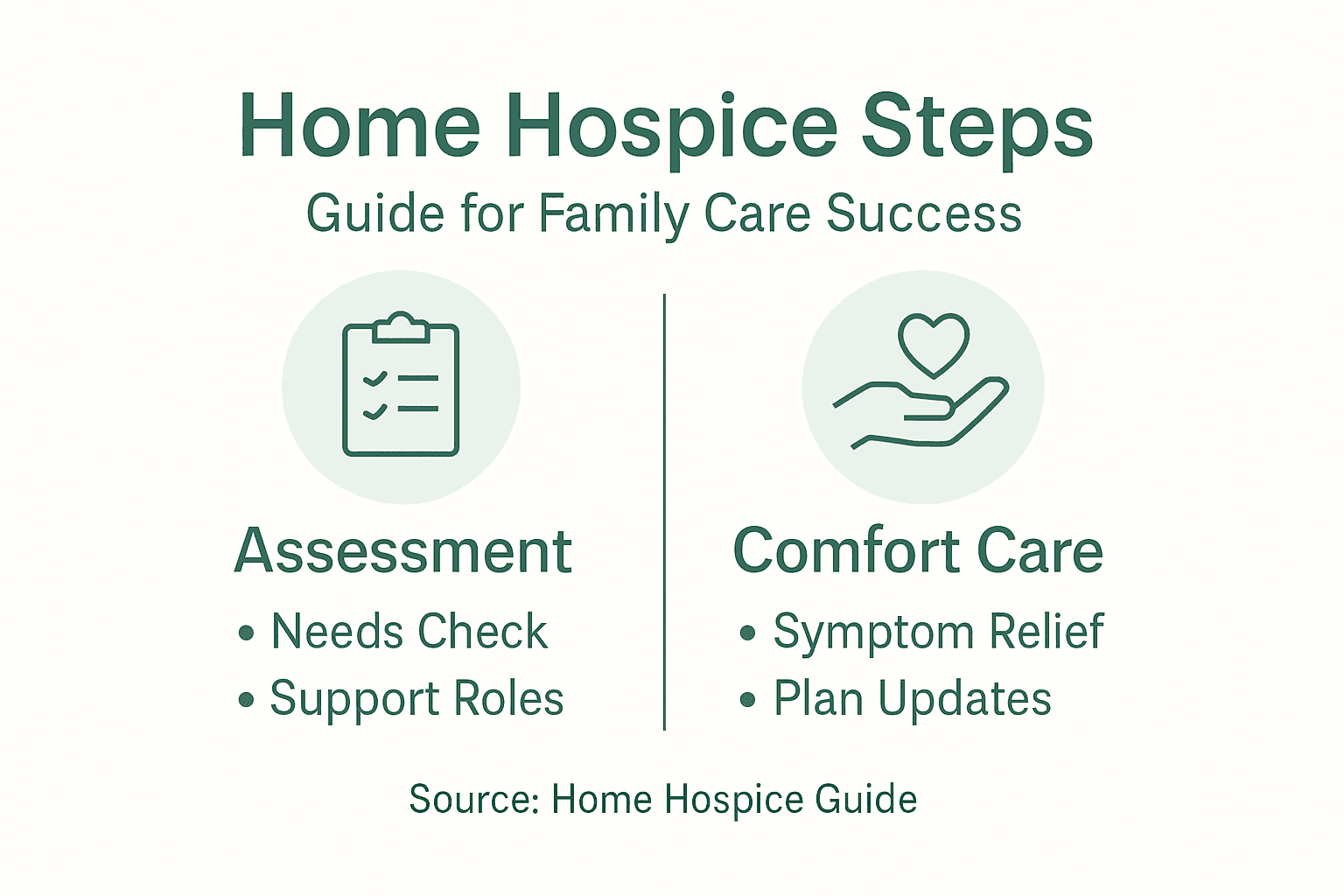
Initiate thoughtful conversations about end-of-life preferences while your loved one can still communicate clearly. Having early and open conversations about end-of-life wishes helps ensure that patients’ preferences are known and honored by everyone involved in their care.
Create a private, comfortable setting for these discussions. Choose a time when your loved one is alert and not in pain. Ask permission to discuss sensitive topics respectfully. Listen more than you speak, and let them lead the conversation.
Understand what matters most to them. Do they want to die at home surrounded by family? Are there religious or cultural practices that should be honored? What medical interventions feel acceptable or unacceptable? What legacy do they want to leave?
Communicating end-of-life wishes requires planning conversations that focus on listening and understanding, validating their rights to decide, and ensuring decisions reflect their desires.
Document their wishes clearly. This might be in the form of advance directives, living wills, or simply written notes from conversations. Share these documents with the hospice team, family members, and anyone involved in care decisions.
Key wishes to clarify include:
- Place of death preference (at home, hospital, or facility)
- Who should be present at the time of death
- Religious or spiritual practices they want observed
- Medical interventions they do or do not want (resuscitation, feeding tubes, etc.)
- Organ or body donation preferences
- Memorial and funeral arrangements they envision
- Important messages they want to share with loved ones
Ensure the hospice team knows and respects these wishes. Review them during care meetings. If wishes change, update the documentation and inform the team promptly.
Prepare your family for what to expect as death approaches. Understanding the dying process reduces fear and helps everyone respond calmly and compassionately.
Your loved one’s wishes are the compass that guides all decisions—honoring them creates peace for both them and your family during this sacred time.
Pro tip: Record your loved one sharing their wishes in their own words if they’re comfortable with it—hearing their voice and seeing their face later brings comfort to grieving family members.
Ensure a Compassionate and Coordinated Home Hospice Experience
Navigating the complex steps of end of life care at home can feel overwhelming. From assessing needs and establishing a support network to coordinating closely with hospice professionals and ensuring a peaceful transition, each phase demands compassion, clarity, and expert guidance. Key challenges include managing symptom relief effectively, keeping the care plan up to date with changing needs, and honoring your loved one’s wishes with dignity and respect.
At Graceland Hospice, we specialize in precisely these areas. Our commitment to excellence means your family will receive personalized support in creating and updating an individualized care plan that adapts as your loved one’s condition evolves. We help you implement comfort-focused symptom management and offer clear communication channels so no question goes unanswered. If you are searching for trusted hospice care guidance, discover more about how we can support your journey in our blog or schedule a free consultation today. Reach out now to provide your loved one with compassionate care where it matters most.
Frequently Asked Questions
What is the first step in establishing home hospice care?
The first step is to assess needs and establish support. Start by having an honest conversation with your loved one about their wishes, medical needs, and the available support network.
How can I coordinate care with hospice professionals effectively?
Coordinating care requires establishing clear communication with the hospice team. Schedule an initial meeting to discuss your loved one’s condition and preferences, ensuring everyone knows their roles and responsibilities.
What should I monitor in my loved one’s condition during home hospice care?
You should monitor physical, emotional, and behavioral changes daily. Pay attention to pain levels, appetite, sleep patterns, and any emotional concerns to keep the care plan aligned with current needs.
How do I ensure my loved one’s end-of-life wishes are respected?
Initiate open conversations about end-of-life preferences and document their wishes clearly. Share this documentation with the hospice team to ensure everyone involved in care understands and honors those wishes.
What are some comfort measures I can provide during home hospice care?
Comfort measures include establishing a soothing environment, managing medications effectively, and providing gentle physical care. Focus on small actions like adjusting room temperature, playing familiar music, or simply being present to offer emotional support.
How often should I adjust the care plan for my loved one?
You should revisit and adjust the care plan as often as necessary, potentially weekly or whenever there are significant changes in your loved one’s condition. Regular communication with the hospice team will help ensure the care plan remains relevant to their current needs.
Recommended
- Graceland Hospice Care | Compassionate End-of-Life Care
- Graceland Hospice Care | Compassionate End-of-Life Care
- Graceland Hospice Care | Compassionate End-of-Life Care
- Graceland Hospice Care | Compassionate End-of-Life Care
- Role of Caregivers in Hearing Aid Choice – Impact on Elderly Wellbeing – Audora