How to prepare your California home for hospice care
How to prepare your California home for hospice care
Preparing a home for hospice care can feel overwhelming for families in California. The transition requires thoughtful planning to ensure comfort, safety, and support during end-of-life care. This guide provides step-by-step instructions to prepare your home effectively, addressing modifications, organization, and emotional needs that make a meaningful difference for patients and caregivers.
Table of Contents
- Understanding Hospice Care And Home Preparation Essentials
- Step 1: Modify Your Home For Safety, Accessibility, And Comfort
- Step 2: Organize Medical Supplies, Medications, And Personal Care Items
- Step 3: Create A Comforting, Personalized Environment Supporting Emotional Wellbeing
- Step 4: Maintain Equipment, Follow Care Plans, And Support Caregivers
- Support Your Loved One With Graceland Hospice Care
- Frequently Asked Questions
Key takeaways
| Point | Details |
|---|---|
| Home modifications reduce falls and anxiety | Strategic changes like grab bars and clear pathways cut fall risks by 30-40% for hospice patients. |
| Organized essentials improve caregiver efficiency | Proper setup of supplies and medications reduces caregiver stress by 30% and boosts efficiency. |
| Personalized environments enhance emotional wellbeing | Comfortable, familiar spaces with patient’s favorite items promote dignity and reduce anxiety. |
| Compliance with care plans ensures quality | Following individualized, regularly updated care plans maintains safety and addresses changing needs. |
| Regular maintenance prevents care disruptions | Routine equipment checks and home modification upkeep avoid hazards and sustain care quality. |
Understanding hospice care and home preparation essentials
Hospice care in California focuses on comfort, pain management, emotional wellbeing, and spiritual support for individuals with a life expectancy of six months or less. This philosophy shifts medical priorities from cure to quality of life. Understanding these goals helps families create home environments that truly serve their loved ones.
Federal and state regulations shape how hospice providers deliver care in California. Hospice providers must follow standards ensuring written individualized care plans with regular reviews. These requirements protect patients and establish quality benchmarks. Your home preparation should align with these standards to support the hospice team’s work effectively.
Before starting hospice care at home, certain environmental features become essential:
- Safety features preventing falls and injuries
- Accessibility allowing easy movement for patients and caregivers
- Comfort elements supporting rest and dignity
- Medical infrastructure accommodating equipment and care delivery
- Communication tools enabling 24/7 coordination with hospice teams
Your hospice team includes physicians, nurses, social workers, spiritual counselors, and volunteers working together. These professionals provide comprehensive support around the clock. Learn more about hospice care standards California providers must meet to serve families effectively.
Pro Tip: Request a home safety assessment from your hospice provider before your loved one arrives. Their experienced eyes spot potential issues you might overlook.
Step 1: Modify your home for safety, accessibility, and comfort
Home modifications create a foundation for successful hospice care. Strategic changes reduce falls by 30-40% and significantly improve daily life for patients. These adjustments also make caregiving tasks more manageable and less physically demanding.
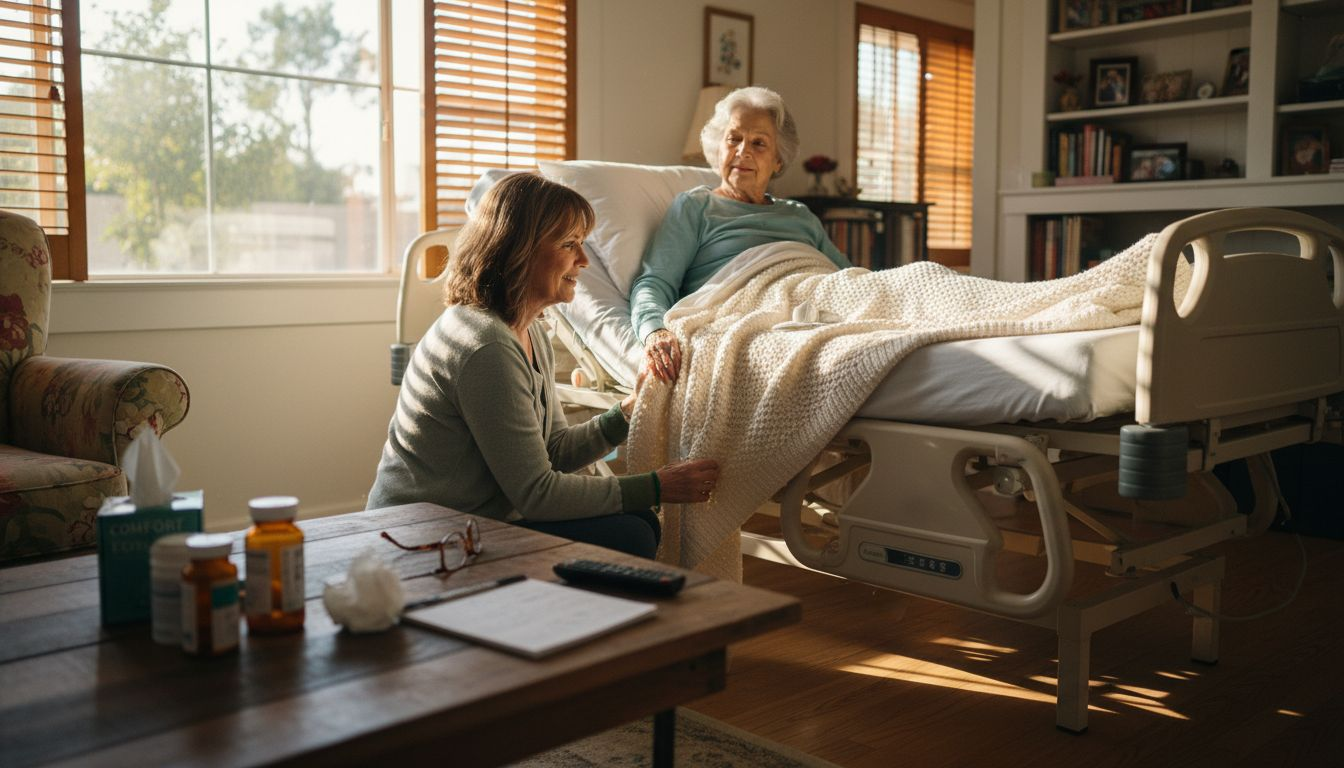
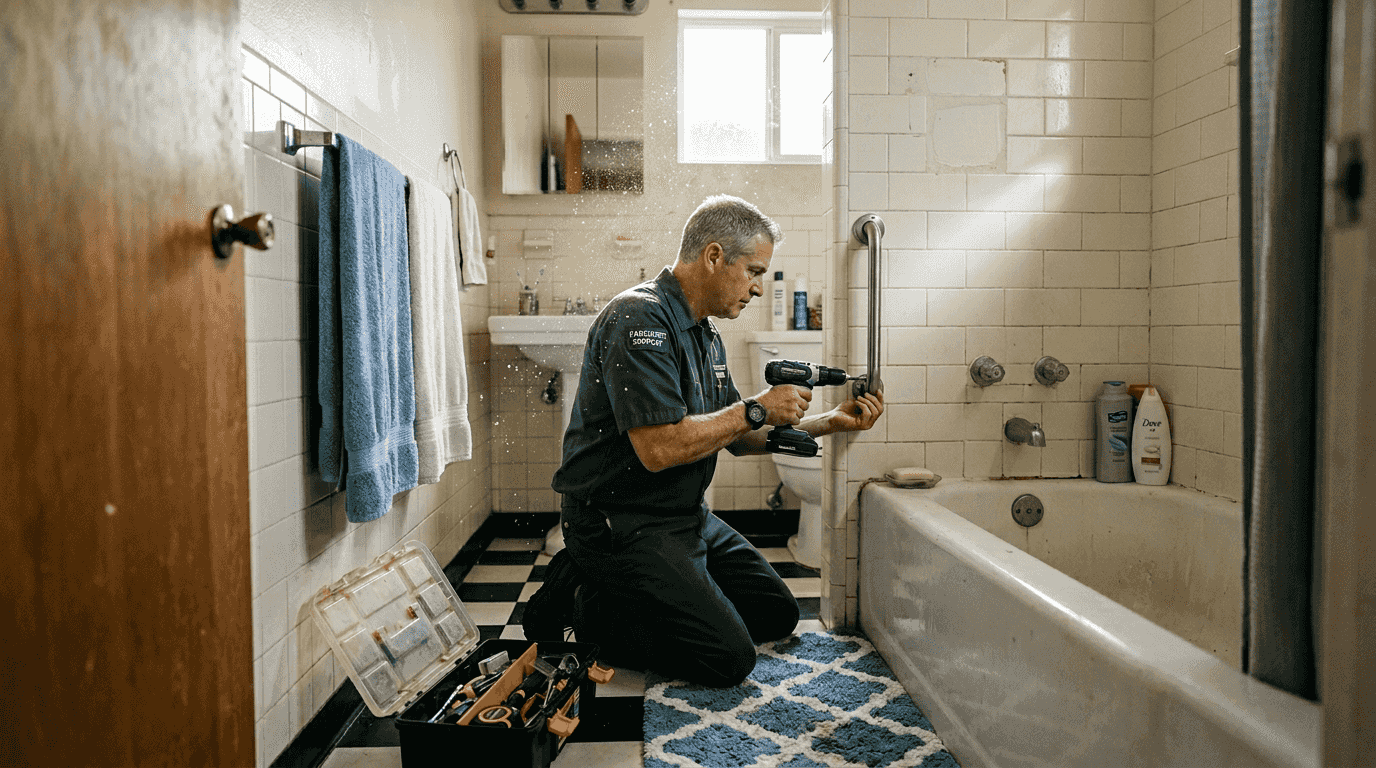
Common modifications include installing grab bars near beds and in bathrooms, adding non-slip flooring or rugs with secure backing, widening doorways if wheelchair access is needed, and positioning adjustable beds for optimal comfort and care delivery. Clear pathways throughout the home eliminate tripping hazards and allow smooth movement.
| Modification | Primary Benefit | Estimated Effort |
|---|---|---|
| Grab bars installation | Reduces falls, supports transfers | 2-4 hours, low cost |
| Non-slip flooring | Prevents slips, improves confidence | 1-3 days, moderate cost |
| Pathway clearing | Enables safe movement | Immediate, no cost |
| Adjustable bed setup | Enhances comfort, eases care tasks | 2-6 hours, moderate to high cost |
| Lighting improvements | Reduces accidents, creates ambiance | 1-2 hours, low cost |
These modifications also reduce caregiver stress by 30% and improve patient comfort by 25%. Organize frequently used items within easy reach to minimize unnecessary movement. Consider placing water, medications, tissues, and call bells on bedside tables or nearby surfaces.
Temperature control matters deeply for hospice patients who may be more sensitive to heat or cold. Install adjustable thermostats and provide layered blankets. Lighting should be soft yet adequate for care tasks, with dimmer switches offering flexibility. Natural light access improves mood when patients can tolerate it.
Tailor modifications to your loved one’s specific mobility and cognitive needs. Someone with limited mobility needs different supports than someone experiencing confusion. Consult your home hospice care workflow guide for detailed setup strategies.
Pro Tip: Take photos of your setup after completing modifications. These visual records help you restore arrangements after cleaning or if items get moved.
Step 2: Organize medical supplies, medications, and personal care items
Caregivers report increased efficiency and decreased stress when homes are well prepared with easy access to essential items. Organization transforms chaotic moments into manageable routines. Start by designating a specific area for all medical supplies, preferably near the patient’s primary location.
Medication management requires meticulous attention. Create a clear labeling system showing medication names, dosages, and administration times. Use pill organizers for daily doses and maintain a master list of all medications with prescribing information. Store medications safely away from children and pets while keeping them accessible for caregivers.
Ensure easy access to essential items including medications, medical equipment, and personal care items organized suitably for patient and caregiver needs. Set up a supply station with categories for wound care, hygiene products, incontinence supplies, and comfort items. Clear plastic bins or labeled drawers work well for quick visual identification.
Tracking usage prevents last minute scrambles for supplies. Maintain a simple log noting when items are running low and need reordering. Many families designate one person as the supply manager to avoid confusion. Keep contact information for medical supply companies prominently displayed.
Personal care tasks require dignity and preparation. Stock items like gentle soaps, moisturizers, disposable gloves, and bed pads where caregivers can reach them quickly. Consider the patient’s preferences for personal care products to maintain their sense of identity and comfort.
Pro Tip: Create a daily checklist covering medication times, supply checks, and care tasks. Laminate it and use dry erase markers for reusable tracking that reduces mental load.
Safety measures prevent medication errors, a common concern in home care. Never transfer medications to unmarked containers. Double check dosages before administration. Keep a medication administration record to prevent double dosing or missed doses. Explore caregiver support hospice families can access for additional guidance.
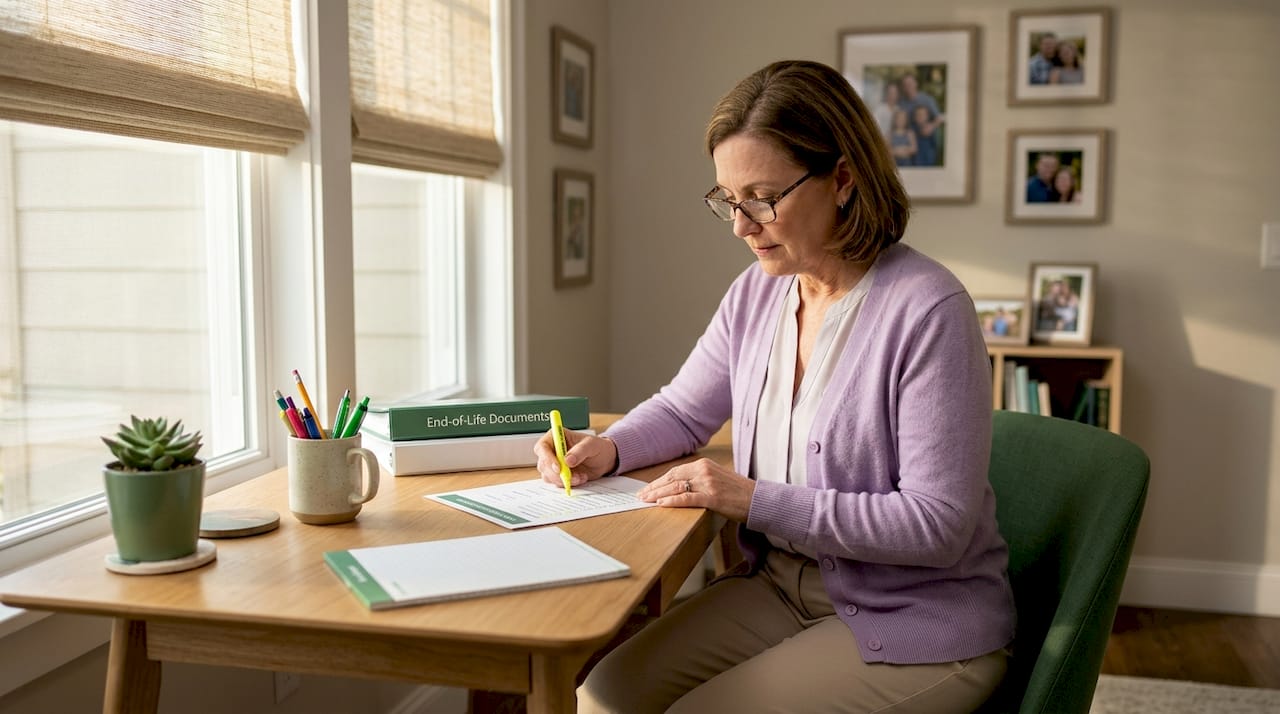
Documentation organization matters as much as physical supplies. Create a binder or digital folder containing the care plan, contact information for the hospice team, insurance details, and advance directives. Easy access to these documents facilitates communication during emergencies or routine updates. Learn strategies for managing pain and symptoms hospice care addresses.
Step 3: Create a comforting, personalized environment supporting emotional wellbeing
Creating a comfortable and personalized environment helps reduce anxiety and promotes dignity and peace during end-of-life care. The physical space shapes emotional experiences profoundly. Transform the care area into a sanctuary reflecting your loved one’s personality and bringing comfort through familiarity.
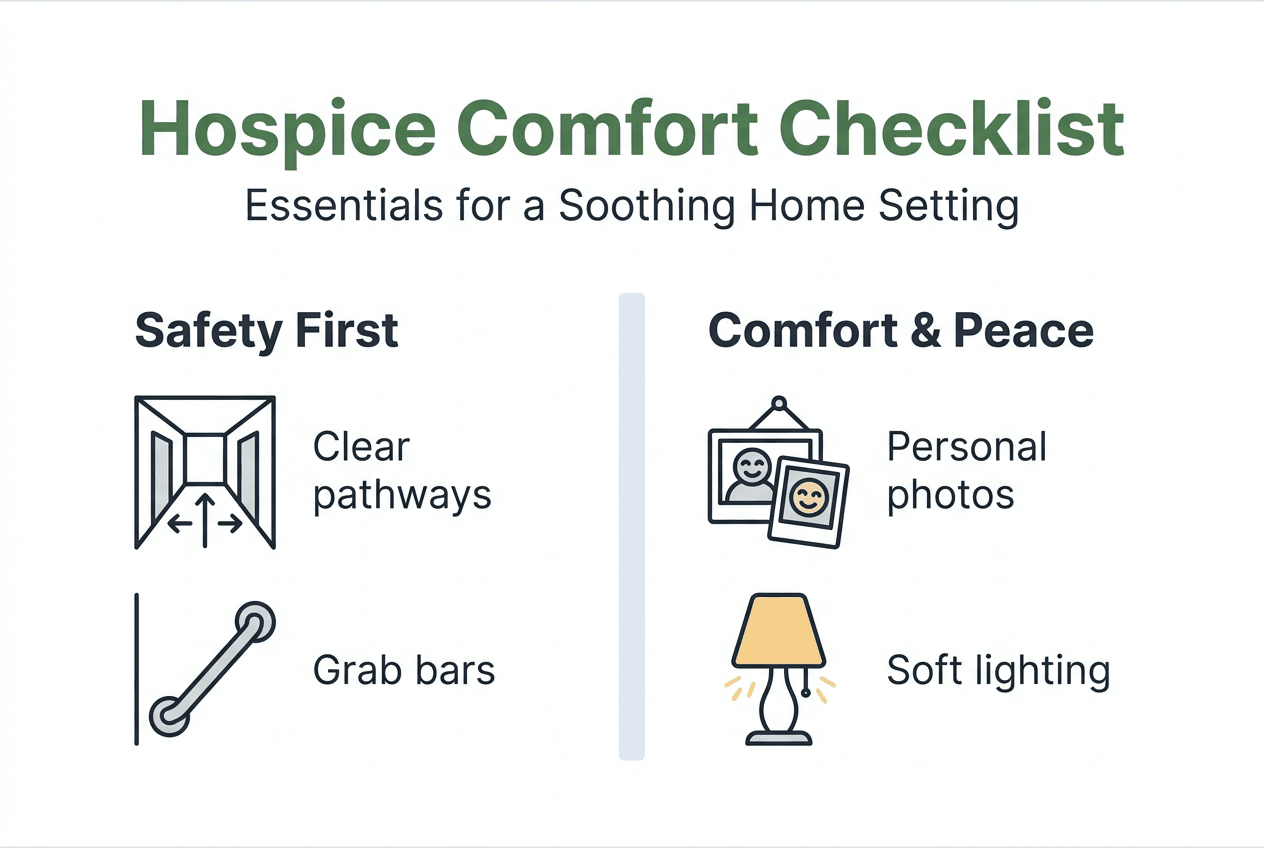
Include favorite items within easy view and reach. Family photos, cherished objects, beloved books, or meaningful artwork create connection to identity and memories. These personal touches remind patients and visitors of the full life being honored. Rotate items occasionally if your loved one enjoys variety.
Comfortable seating for visitors enhances social connection, a vital component of emotional health. Position chairs near the bed allowing eye contact and easy conversation. Ensure adequate seating for family gatherings, which provide joy and normalcy. Social support reduces isolation and validates the patient’s continued importance to loved ones.
Ambient factors powerfully influence comfort and mood:
- Lighting should be adjustable from bright for activities to dim for rest
- Noise control includes soft background music if desired and minimizing disruptive sounds
- Temperature management keeps the room consistently comfortable
- Scents from flowers, essential oils, or favorite fragrances can soothe if not overwhelming
- Fresh air through open windows when weather permits improves atmosphere
Promote communication that supports emotional needs and dignity. Speak directly to your loved one even if responses are limited. Share stories, read aloud, or simply sit together in comfortable silence. Respect preferences for conversation versus quiet. Never discuss the patient as if they are not present.
Cultural and spiritual accommodations honor individual beliefs and practices. Display religious items if meaningful. Facilitate visits from spiritual advisors. Respect cultural traditions around end-of-life care, food preferences, and family involvement. Your hospice team can help navigate these considerations sensitively. Discover approaches in this end of life care guide compassionate at home support article.
Consider creating a memory corner where visitors can leave notes, drawings, or messages. This becomes a treasured collection celebrating the patient’s impact on others’ lives. Such spaces honor the person while providing therapeutic outlets for family and friends processing grief.
Step 4: Maintain equipment, follow care plans, and support caregivers
Hospice providers must develop and update individualized care plans regularly to address changing needs. Following these written plans ensures continuity and quality. Review your plan during team meetings and ask questions about anything unclear. These documents guide all care decisions and adapt as your loved one’s condition evolves.
Routine equipment and modification checks prevent accidents and maintain functionality. Weekly inspections should cover:
- Medical equipment like oxygen concentrators, hospital beds, and lift devices
- Safety installations including grab bars and non-slip surfaces
- Mobility aids such as walkers, wheelchairs, or transfer boards
- Emergency equipment including call systems and backup power if needed
Report malfunctions immediately to your hospice provider. Proper home preparation improves caregiver efficiency by 30% and reduces stress by 20%. Maintaining these systems protects both patients and caregivers from preventable problems.
Monitor your loved one’s condition daily and communicate changes to the hospice team. Note shifts in pain levels, eating patterns, sleep quality, or cognitive function. These observations help the team adjust care plans proactively. Keep a simple journal or use your phone to track patterns that might not be obvious day to day.
Overlooking regular maintenance of medical equipment and home modifications is a common pitfall that compromises safety and care quality. Establish maintenance schedules and stick to them religiously.
Caregiver wellbeing directly impacts care quality. Support yourself through adequate rest, accepting help from others, taking breaks without guilt, and accessing counseling or support groups. Your hospice team offers caregiver support services designed specifically for families navigating this journey. Explore end of life care steps hospice families typically navigate.
Recognize signs of caregiver burnout including persistent exhaustion, irritability, withdrawal from others, or neglecting your own health. Address these signals immediately by requesting additional support. Understanding the role of caregivers in hospice helps you advocate for your needs.
Pro Tip: Schedule caregiver respite time as non-negotiable appointments in your calendar. Your hospice team can provide temporary relief care, allowing you essential recovery time.
Support your loved one with Graceland Hospice Care
At Graceland Hospice, we take immense pride in helping California families navigate end-of-life care with dignity and compassion. Our personalized care plans and 24/7 professional support ensure your home becomes a place of comfort and peace. We guide families through home preparation, offering expert assessments and ongoing assistance tailored to each unique situation.
Our experienced team understands the complexities of creating safe, nurturing home environments for hospice care. We provide not just medical expertise but emotional support for the entire family. From equipment setup to caregiver education, we walk beside you through every step. Discover how Graceland hospice care compassionate end-of-life care serves families throughout California.
Pro Tip: Contact Graceland Hospice early in your planning process. Our free consultation helps you understand options and prepare thoroughly, easing the transition for everyone involved.
Frequently asked questions
What should I prioritize when preparing my home for hospice care?
Prioritize safety modifications like grab bars and clear pathways first, as these prevent falls and injuries immediately. Next, organize medical supplies and medications for efficient access. Create a comfortable, personalized space supporting emotional needs while ensuring you can follow the hospice care plan effectively.
How much do home modifications for hospice care typically cost?
Basic modifications like grab bars and non-slip mats cost $100 to $500 and provide immediate safety benefits. More extensive changes like hospital bed rentals or doorway widening range from $500 to $3,000. Many items are covered by hospice benefits or available through equipment loan programs your hospice provider can explain.
How often should I update our hospice care plan?
Your hospice team reviews and updates care plans regularly, typically every two weeks or when conditions change. You should communicate daily observations to ensure the plan reflects current needs. Proactive updates address emerging symptoms or concerns before they become crises.
What are common mistakes families make when preparing homes for hospice?
Families often underestimate the importance of clear pathways and adequate lighting, creating fall risks. Another mistake is inadequate supply organization, leading to stressful searches during care moments. Neglecting caregiver self-care and support needs also compromises long-term care sustainability.
Can I provide hospice care in a small apartment or limited space?
Yes, hospice care adapts to any living situation including small apartments. Focus on maximizing the patient’s immediate area with thoughtful organization and compact equipment. Your hospice team can suggest space-saving solutions and prioritize essential modifications that work within your constraints.
How do I balance maintaining a home environment with medical care needs?
Integrate medical elements thoughtfully rather than letting them dominate the space. Use attractive storage for supplies, choose homelike bedding over institutional options, and maintain personal decor alongside necessary equipment. The goal is creating a healing space that feels like home while meeting all care requirements.
Recommended
- How to Start Hospice Care for Loved Ones at Home | Graceland Hospice Care Blog
- Hospice Visit Workflow for Comfort Care at Home | Graceland Hospice Care Blog
- Role of Hospice Aides – Impact on Home Care | Graceland Hospice Care Blog
- End of Life Care Steps for Home Hospice Success | Graceland Hospice Care Blog
- Come preparare casa alla vendita: guida pratica per valorizzare l’immobile
- Everything You Need to Know About Preparing Your Home Before Selling | Blog | Mogavero Group