Role of Hospice Aides – Impact on Home Care
Role of Hospice Aides – Impact on Home Care
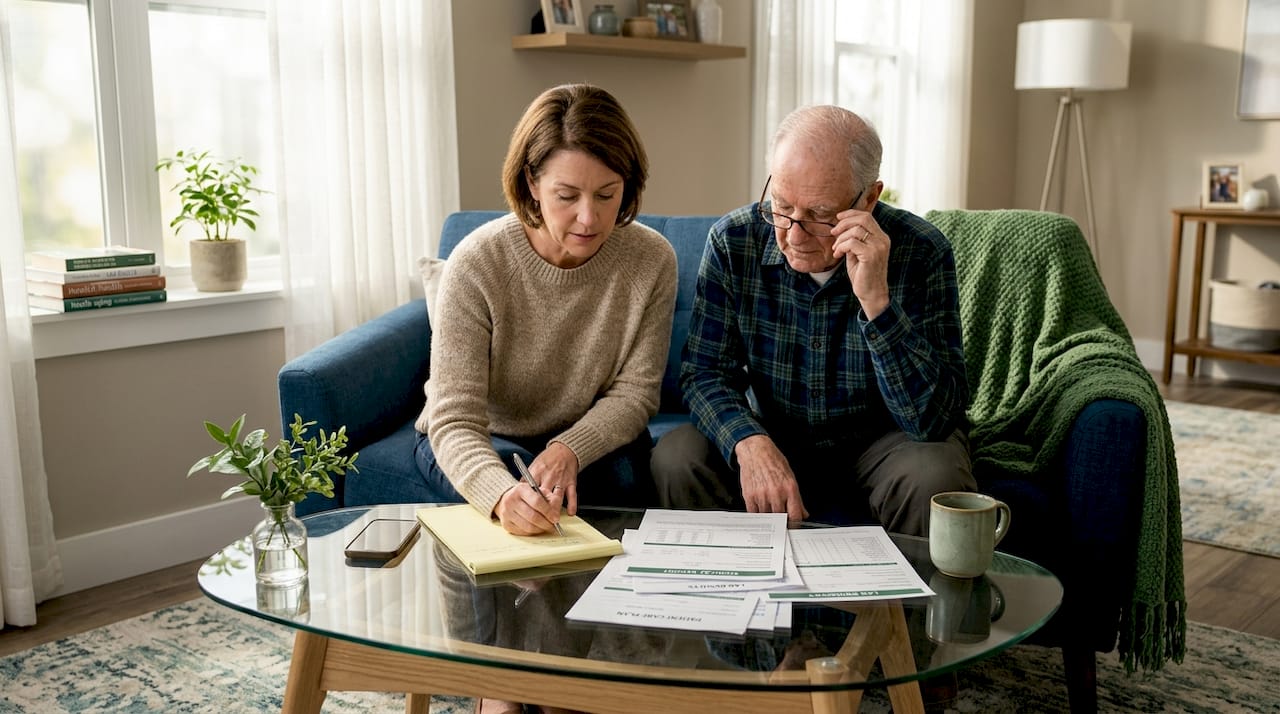
Caring for a terminally ill loved one at home in Orange County brings emotional and practical challenges every day. Hospice aides offer vital support, stepping in with personal care services, light housekeeping, and compassionate companionship to ensure patient comfort and dignity. As part of an interdisciplinary team, these caregivers lighten the family’s workload and foster peace of mind. Discover how the presence of a hospice aide transforms daily routines and helps preserve quality of life for both patients and caregivers.
Table of Contents
- What Hospice Aides Do In Home Care
- Key Qualifications And Training Required
- Daily Responsibilities And Patient Benefits
- Emotional Support For Patients And Families
- Working With The Hospice Care Team
- Choosing Hospice Aide Services In California
Key Takeaways
| Point | Details |
|---|---|
| Role of Hospice Aides | Hospice aides provide essential personal care and emotional support for terminally ill patients, focusing on comfort and dignity. |
| Qualifications Required | Hospice aides typically need a high school diploma, completion of a training program, CPR certification, and excellent communication skills. |
| Collaborative Care Approach | Hospice care involves an interdisciplinary team that includes nurses, social workers, and aides, ensuring comprehensive patient support. |
| Choosing Providers | Families should research hospice providers based on certification, staff qualifications, and community reputation for quality care. |
What Hospice Aides Do in Home Care
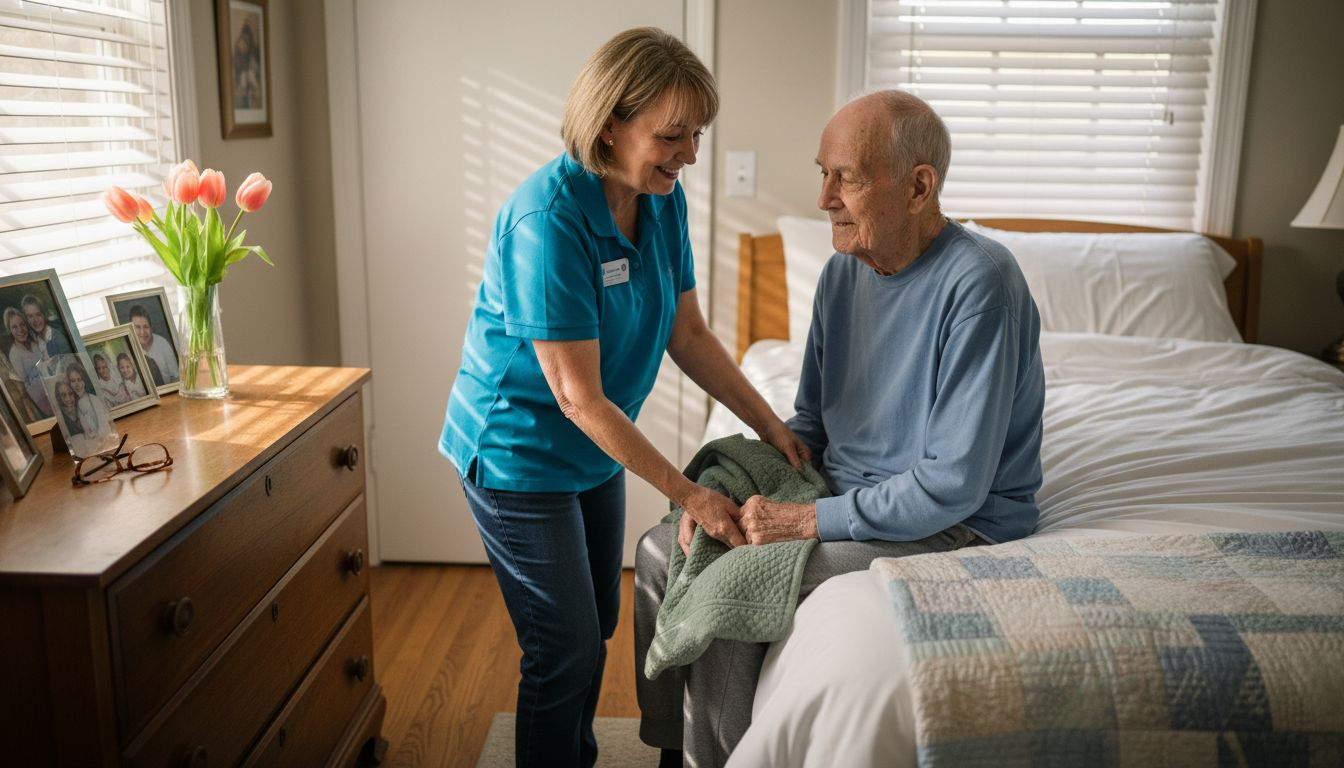
Hospice aides serve as compassionate caregivers providing essential personal care services for terminally ill patients in their home environment. Hospice care professionals play a crucial role in supporting patients and families during challenging times, focusing on comfort, dignity, and quality of life.
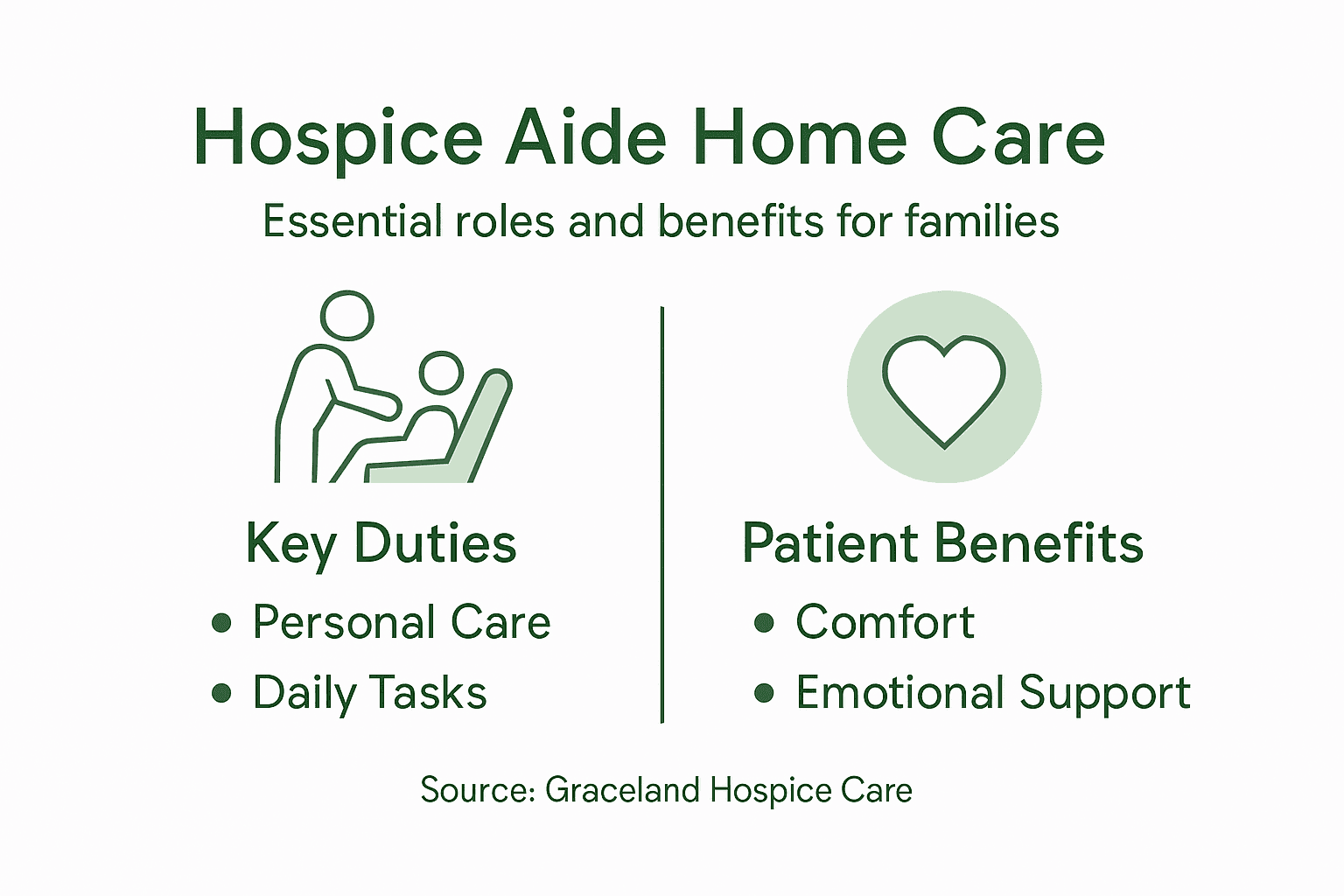
These dedicated healthcare workers perform a wide range of critical tasks designed to support patient well-being and family needs:
- Personal hygiene assistance
- Bathing and grooming support
- Dressing and toileting help
- Light housekeeping services
- Meal preparation
- Monitoring patient comfort levels
- Emotional support for patients and families
Beyond physical care tasks, hospice aides function as integral members of an interdisciplinary care team. They collaborate closely with nurses, social workers, and physicians to ensure comprehensive, personalized patient care. Their responsibilities extend far beyond basic medical assistance, encompassing emotional support and compassionate companionship.
In a typical home care scenario, hospice aides help patients maintain their dignity and independence while managing complex health challenges. They adapt their approach to each individual’s unique needs, creating a supportive environment that prioritizes patient comfort and family peace of mind.
Hospice aides provide holistic care that addresses physical, emotional, and practical needs during life’s most vulnerable moments.
Pro tip: Request a detailed care plan from your hospice provider that outlines specific aide responsibilities and expected support levels for your loved one’s unique situation.
Key Qualifications and Training Required
Becoming a hospice aide requires a specific set of educational and professional qualifications designed to ensure compassionate, skilled patient care. Job market analysis reveals that most positions have flexible entry requirements, with educational pathways varying across different healthcare organizations.
The typical qualifications for hospice aides include:
- High school diploma or GED (preferred)
- Completion of state-approved hospice aide training program
- Passing a competency evaluation
- Basic CPR and first aid certification
- Clean background check
- Physical fitness to perform patient care tasks
- Excellent communication skills
Most employers seek candidates with minimal prior experience, recognizing that comprehensive specialized training provides the necessary skills. Training programs typically cover essential topics such as patient personal care, understanding end-of-life emotional dynamics, maintaining patient dignity, and recognizing potential health complications.
Certification processes often involve both theoretical learning and practical skills assessment. Candidates must demonstrate proficiency in physical assistance tasks, emotional support techniques, and understanding of hospice care principles. Many organizations require ongoing education to ensure aides remain updated on best practices and emerging patient care strategies.
Professional hospice aide training goes beyond technical skills, focusing on developing compassionate, patient-centered care approaches.
Pro tip: Consider enrolling in accredited hospice aide training programs that offer hands-on clinical experience to enhance your professional credentials.
Daily Responsibilities and Patient Benefits
Hospice aides play a crucial role in delivering comprehensive care for patients during their most vulnerable moments. Hospice care professionals provide essential services that extend far beyond basic medical assistance, focusing on holistic patient comfort and dignity.
Their daily responsibilities encompass a wide range of critical support services:
- Personal hygiene assistance
- Bathing and grooming
- Helping with dressing and toileting
- Light housekeeping tasks
- Meal preparation
- Medication reminder support
- Emotional companionship
- Monitoring patient comfort levels
- Communicating patient needs to healthcare team
These dedicated caregivers focus on maintaining patient independence whenever possible, adapting their approach to individual patient capabilities and preferences. By providing personalized care, they help patients preserve their sense of dignity and autonomy during challenging health circumstances.
The patient benefits of hospice aide support extend beyond physical care. These professionals offer critical emotional support, reducing isolation and providing compassionate human connection. They help alleviate stress for family members by managing complex daily care requirements, allowing loved ones to focus on quality time and emotional support.
Hospice aides transform medical care into a deeply human experience, bridging professional support with genuine compassion.
Pro tip: Communicate openly with your hospice aide about your loved one’s specific preferences, routines, and comfort needs to ensure personalized, respectful care.
Emotional Support for Patients and Families
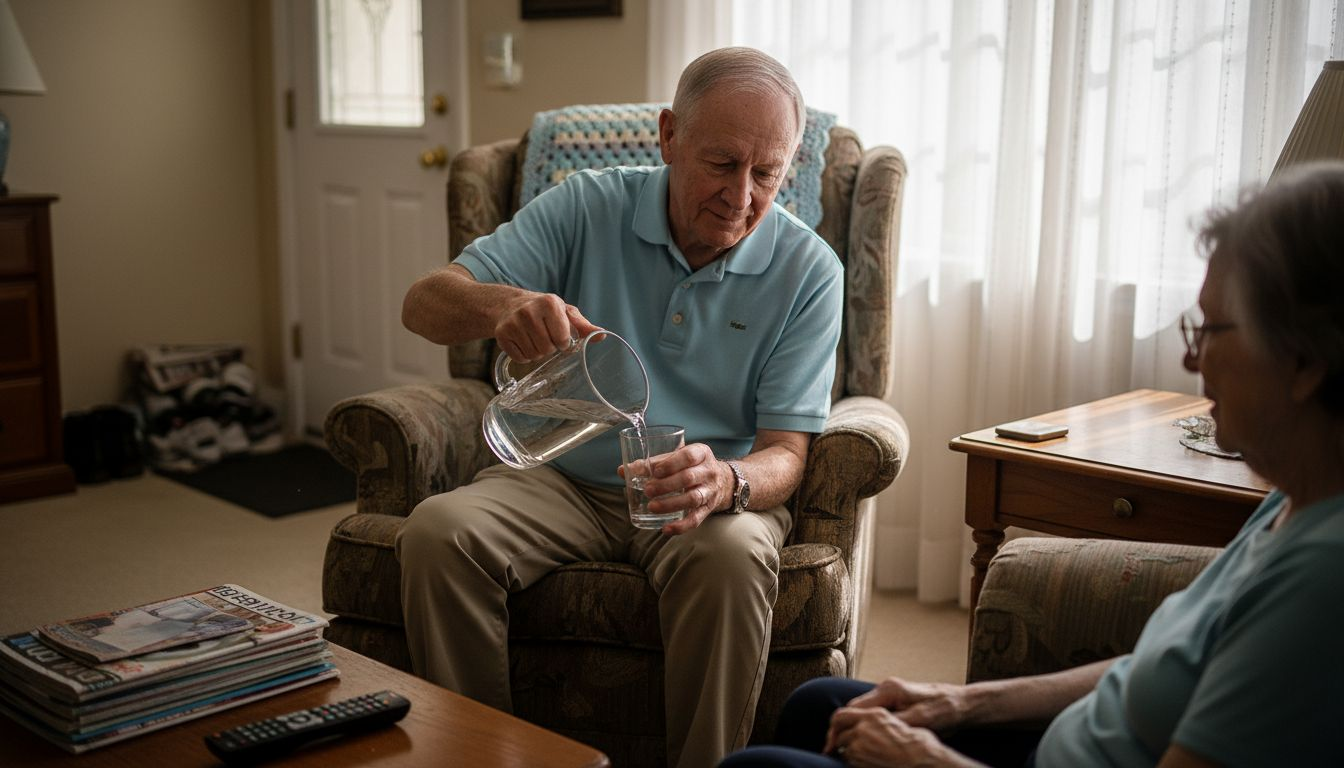
Emotional support represents the heart of hospice care, addressing the profound psychological challenges faced by patients and their loved ones during difficult times. Hospice care professionals recognize that terminal illness impacts not just physical health, but the entire emotional landscape of families navigating complex feelings of grief, uncertainty, and love.
The emotional support services typically include:
- Individual and family counseling
- Grief and bereavement guidance
- Spiritual care consultations
- Support group connections
- Active listening and compassionate presence
- Crisis emotional intervention
- Helping families process complex emotions
- Facilitating meaningful conversations
- Providing resources for emotional healing
Professional emotional support specialists work closely with patients and families to create a safe, nurturing environment where complex feelings can be openly discussed and processed. They understand that each family’s emotional journey is unique, requiring personalized approaches that respect individual coping mechanisms and cultural backgrounds.
Beyond direct counseling, hospice emotional support extends to practical strategies for managing emotional challenges. These professionals help families develop communication skills, create meaningful moments, and find ways to maintain connection and dignity during the most challenging life transitions.
Emotional support in hospice care transforms a medical experience into a deeply human journey of connection, understanding, and compassionate healing.
Pro tip: Request a personalized emotional support plan that addresses your family’s specific emotional needs and cultural considerations.
Working with the Hospice Care Team
Hospice care represents a collaborative approach to patient support, bringing together multiple healthcare professionals with specialized expertise. Interdisciplinary hospice teams work seamlessly to provide comprehensive, personalized care that addresses the complex physical, emotional, and spiritual needs of patients and their families.
The typical hospice care team includes:
- Hospice medical director
- Primary care physician
- Nurse practitioners
- Registered nurses
- Hospice visiting nurses
- Hospice aides
- Pharmacists
- Social workers
- Spiritual care chaplains
- Bereavement counselors
- Mental health professionals
Each professional team member brings unique skills and perspectives to create a holistic care approach. The medical professionals focus on symptom management and comfort, while social workers and chaplains provide emotional and spiritual support. This collaborative model ensures that every aspect of a patient’s well-being is carefully addressed and continuously monitored.
Communication is the cornerstone of effective hospice care. Team members regularly meet to discuss patient progress, adjust care plans, and ensure that the patient’s evolving needs are met with compassion and precision. Families are encouraged to be active participants in these discussions, helping to create a supportive environment that respects the patient’s wishes and maintains their dignity.
Here is a summary comparing key members of the hospice care team and their unique roles:
| Team Member | Primary Focus | Unique Contribution |
|---|---|---|
| Hospice Aide | Personal care, daily comfort | Emotional companionship |
| Registered Nurse | Symptom management | Care plan coordination |
| Social Worker | Family support, resources | Navigating benefits and counseling |
| Chaplain/Spiritual Advisor | Spiritual support | Faith-based comfort and rituals |
| Bereavement Counselor | Grief and loss counseling | Ongoing family emotional support |
The hospice care team transforms medical treatment into a compassionate, personalized journey of support and understanding.
Pro tip: Maintain open communication with all team members and don’t hesitate to ask questions or express concerns about your loved one’s care plan.
Choosing Hospice Aide Services in California
Selecting the right hospice aide services in California requires careful consideration and research to ensure your loved one receives compassionate, high-quality care. Hospice provider evaluation involves understanding key factors that differentiate quality care providers and match patient-specific needs.
Critical considerations when selecting hospice services include:
- Medicare certification status
- Range of available services
- Volunteer support programs
- Faith or cultural affiliation options
- Community presence and reputation
- Insurance compatibility
- Staff credentials and experience
- Patient-to-caregiver ratio
- After-hours support availability
- Geographic service coverage
Families should prioritize comprehensive care approaches that offer personalized support tailored to their unique circumstances. This means looking beyond basic medical services and evaluating providers who demonstrate holistic care philosophies that address physical, emotional, and spiritual patient needs.
Navigating hospice services in California requires proactive research and direct communication. Utilize resources like Medicare’s Care Compare website, speak with potential providers directly, request detailed service descriptions, and ask for references from previous patients and families. Pay close attention to how providers respond to your questions, their communication style, and their willingness to customize care plans.
The table below highlights common factors to compare when choosing a hospice provider in California:
| Selection Factor | Why It Matters | What to Ask Providers |
|---|---|---|
| Medicare Certification | Ensures regulatory standards | Is your service Medicare certified? |
| Staff Qualifications | Assures skilled care | What training do aides receive? |
| Cultural/Religious Options | Supports personal values | Can care be tailored for beliefs? |
| After-Hours Support | Provides emergency access | Is help available nights/weekends? |
| Community Reputation | Indicates trustworthiness | Are references or reviews available? |
Choosing a hospice service is about finding a partner who will support your entire family through a challenging life transition.
Pro tip: Schedule in-person consultations with multiple hospice providers to compare their approach, ask detailed questions, and trust your instincts about which team feels most compassionate and competent.
Experience Compassionate Hospice Aide Care with Graceland Hospice
The article highlights the vital role hospice aides play in providing personal care and emotional support to terminally ill patients in home care settings. Families often face the challenge of finding hospice aides who not only deliver skilled assistance with daily tasks but also offer genuine emotional companionship that preserves dignity and comfort. Understanding the importance of an interdisciplinary care team and personalized service is key to ensuring your loved one receives holistic support during this vulnerable time.
At Graceland Hospice, we share your goal of maintaining dignity and independence for patients through compassionate, patient-centered hospice aide services. Our team embraces the principles outlined in the article by combining professional expertise with heartfelt care that addresses physical, emotional, and spiritual needs. Discover how our hospice aides work closely with nurses and support staff to create a seamless care experience addressing every aspect of your loved one’s comfort.
Are you ready to provide your family with trusted hospice aide care that meets and exceeds these essential standards? Visit Graceland Hospice today for a free consultation and learn how we tailor our services to your unique situation. Don’t wait to ensure your loved one receives the attentive personal and emotional care they deserve at home.
Frequently Asked Questions
What are the primary duties of hospice aides in home care?
Hospice aides provide essential personal care services such as assistance with personal hygiene, bathing, grooming, dressing, toileting, light housekeeping, meal preparation, and emotional support for both patients and families.
How do hospice aides contribute to a patient’s emotional well-being?
Hospice aides offer emotional companionship, helping to reduce feelings of isolation and providing a compassionate presence, which is crucial for patients facing terminal illness and their families navigating complex emotions.
What qualifications should a hospice aide have?
Most hospice aides should have a high school diploma or GED, complete a state-approved training program, pass competency evaluations, and possess CPR and first aid certifications, along with excellent communication skills.
How do hospice aides work with the rest of the hospice care team?
Hospice aides collaborate closely with an interdisciplinary care team, including nurses, social workers, and physicians, to ensure tailored, comprehensive care that addresses both the physical and emotional needs of patients and their families.
Recommended
- Graceland Hospice Care | Compassionate End-of-Life Care
- Graceland Hospice Care | Compassionate End-of-Life Care
- Graceland Hospice Care | Compassionate End-of-Life Care
- Graceland Hospice Care | Compassionate End-of-Life Care
- Role of Caregivers in Hearing Aid Choice – Impact on Elderly Wellbeing – Audora
- Supporting Those Who Support Others With Therapy for Caregivers - Dr. Stephen Oreski & Associates