Hospice Care Options in CA: 15% More Families Choose Comfort
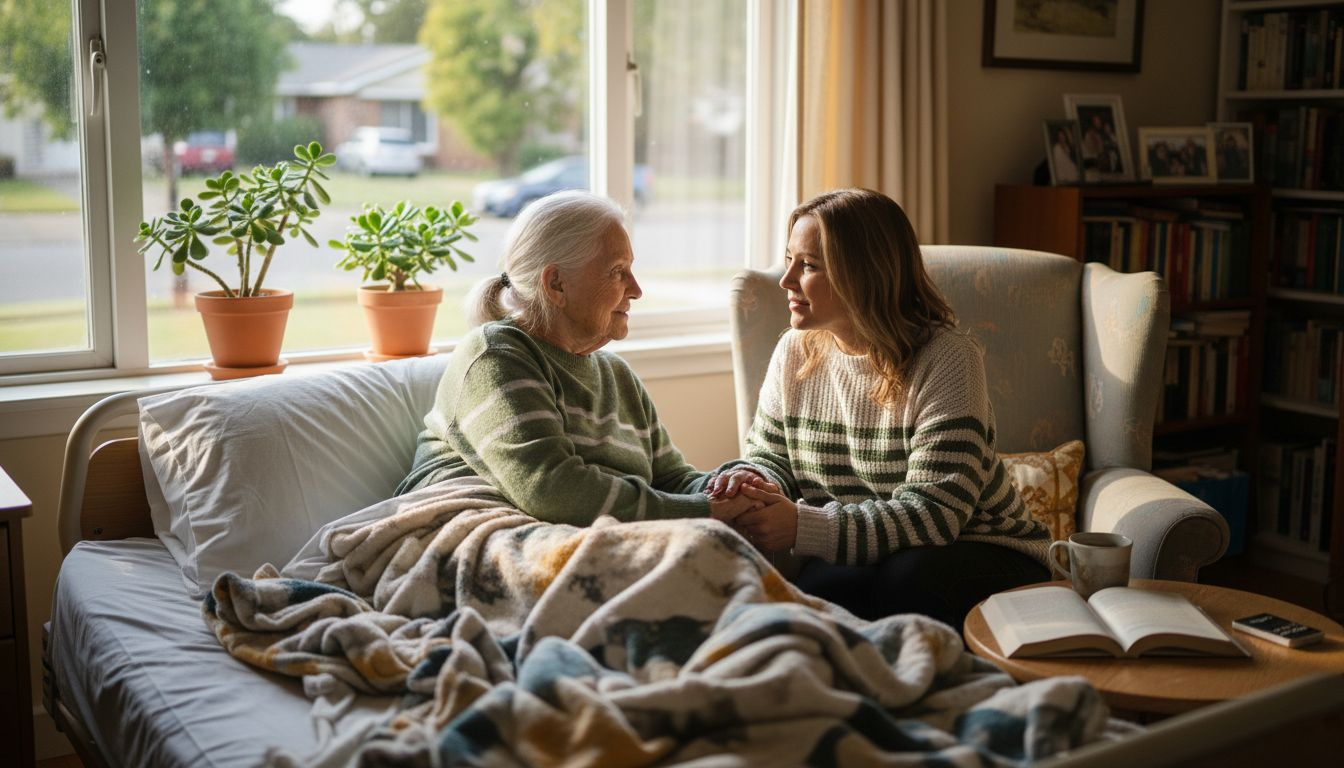
Hospice Care Options in CA: 15% More Families Choose Comfort
Hospice enrollment in Orange and Los Angeles counties has grown by 15% in five years, reflecting increased acceptance of compassionate end-of-life care. This shift signals families are recognizing hospice supports terminally ill patients with comfort at home. This guide clarifies hospice options, insurance coverage, common misconceptions, and local resources to help you confidently support your loved ones through this journey.
Table of Contents
- Understanding Hospice Care: Definition And Types
- How Hospice Care Supports Patients And Families At Home
- Understanding Insurance, Medicare, And Costs For Hospice Care In California
- Common Misconceptions About Hospice Care
- Comparing Hospice And Palliative Care: What Families Need To Know
- Practical Decision Criteria For Families Choosing Hospice Care
- Local Hospice Care Resources And Trends In Orange And Los Angeles Counties
- Bridging Understanding To Action: Starting Hospice Care Conversations And Accessing Support
- Explore Compassionate Hospice Care With Graceland Hospice
Key Takeaways
| Point | Details |
|---|---|
| Hospice Eligibility | Hospice care prioritizes comfort for terminally ill patients with prognosis of six months or less. |
| Home Hospice Support | Home hospice is common, supported by multidisciplinary teams providing caregiver relief and 24/7 access. |
| Medicare Coverage | Medicare covers nearly 100% of hospice costs for eligible California patients. |
| Hospice vs Palliative Care | Hospice differs from palliative care in timing, eligibility, and treatment goals. |
| Advance Planning Impact | Advance care planning improves matching care with patient wishes by over 30%. |
Understanding Hospice Care: Definition and Types
Hospice care is designed for patients with life expectancy of six months or less, shifting focus from curative treatment to symptom management and comfort. Physician certification typically confirms eligibility. For families in Orange and Los Angeles counties, understanding the different hospice types helps you choose care that aligns with your loved one’s needs and preferences.
Three primary hospice options serve families locally:
- Home Hospice: Care delivered in your loved one’s residence, maintaining familiar surroundings and family involvement. This option often feels most natural and comforting. Learn more about how to start hospice care at home.
- Inpatient Hospice: Round-the-clock medical care in specialized facilities when symptoms become difficult to manage at home. This setting provides intensive support during crisis periods.
- Respite Care: Short-term relief for family caregivers, typically lasting a few days. This gives you time to rest while your loved one receives professional care.
Home hospice remains the preferred choice for many families because it preserves dignity and allows patients to remain in comfortable, familiar environments. The benefits of at-home hospice include increased family participation and personalized care routines. Understanding these distinctions empowers you to select the setting that best honors your loved one’s wishes. For a deeper exploration, review this comprehensive hospice care guide and explore hospice care services and team approach.
How Hospice Care Supports Patients and Families at Home
Hospice care involves a multidisciplinary team including nurses, social workers, chaplains, and certified aides working together. This collaborative approach addresses physical symptoms, emotional needs, and spiritual concerns simultaneously. The team designs individualized care plans that honor your loved one’s values and preferences.
Key support elements include:
- 24/7 Nurse Hotline: Hospice teams offer on-call support to address urgent symptoms and caregiver questions anytime, reducing anxiety and emergency room visits.
- Medical Management: Nurses regularly assess pain and symptoms, adjusting medications to maintain comfort. This proactive approach prevents suffering.
- Emotional and Spiritual Care: Social workers and chaplains provide counseling, helping patients and families process grief and find meaning.
- Personal Care: Hospice aides assist with bathing, dressing, and daily activities, preserving dignity. The role of hospice aides is essential in maintaining quality of life.
- Respite Services: Temporary caregiver relief reduces burnout, a common challenge for families providing continuous care.
Pro Tip: Schedule respite care regularly, not just when you feel overwhelmed. Preventive breaks help you sustain caregiving over time without exhausting yourself.
The benefits of hospice at home extend beyond medical care to encompass holistic family wellbeing. Understanding family caregiver support in hospice prepares you for this journey. For additional insights, explore family caregiver support resources.

Understanding Insurance, Medicare, and Costs for Hospice Care in California
Medicare covers 100% of hospice care services for eligible California patients, including medications related to terminal diagnosis and durable medical equipment. This comprehensive coverage eliminates most out-of-pocket expenses. Private insurance plans often provide similar benefits, though coverage details vary by policy.
Financial considerations families should understand:
- Medicare Hospice Benefit: Covers physician services, nursing care, medications, medical equipment, and counseling with minimal or no copayments.
- Private Insurance: Many plans mirror Medicare coverage, but verify specific benefits with your provider before enrollment.
- Medicaid Coverage: California’s Medi-Cal program covers hospice services for eligible beneficiaries.
- Cost Savings: Hospice care reduces overall end-of-life medical expenses by preventing costly hospitalizations and emergency interventions.
- Provider Verification: Confirm your chosen hospice accepts your insurance to avoid unexpected fees or billing complications.
Costs depend partly on care setting, with inpatient hospice typically involving higher expenses than home care. However, Medicare’s hospice benefit covers these differences for eligible patients. For information on end of life care funding, consult financial counselors at hospice agencies. Review detailed Medicare hospice coverage information to understand your benefits fully.
Common Misconceptions About Hospice Care
Misunderstandings about hospice often delay enrollment, depriving families of valuable support. Hospice care does not hasten death but focuses on symptom relief and quality of life. Addressing these myths helps you make informed decisions without unnecessary fear.
Common myths debunked:
- Myth: Hospice Means Giving Up: Hospice represents choosing comfort and quality over aggressive treatments that may cause suffering. It affirms life by honoring patient wishes.
- Myth: Hospice Only for Cancer Patients: Hospice serves anyone with terminal illness, including heart disease, dementia, respiratory conditions, and other diagnoses.
- Myth: Rigid Six-Month Timeline: Eligibility focuses on prognosis, not exact timeframes. Patients can remain in hospice beyond six months if condition warrants.
- Myth: Hospice Limits Family Involvement: Hospice encourages family participation in care decisions and daily routines, supporting rather than replacing you.
- Myth: No Medical Care in Hospice: Hospice provides comprehensive medical management focused on comfort, including medications, nursing visits, and equipment.
Pro Tip: Early hospice enrollment often improves outcomes. Research shows patients who enter hospice sooner experience better symptom control and family satisfaction compared to those who wait.
Delays caused by misconceptions prevent families from accessing beneficial support during critical times. Explore facts about hospice care to separate reality from myths. Additional resources on hospice care misconceptions provide clarity.
Comparing Hospice and Palliative Care: What Families Need to Know
Hospice is for patients with prognosis of six months or less and focuses exclusively on comfort, whereas palliative care can be provided alongside curative treatments at any illness stage. Understanding these differences helps you time enrollment appropriately and access the right services.
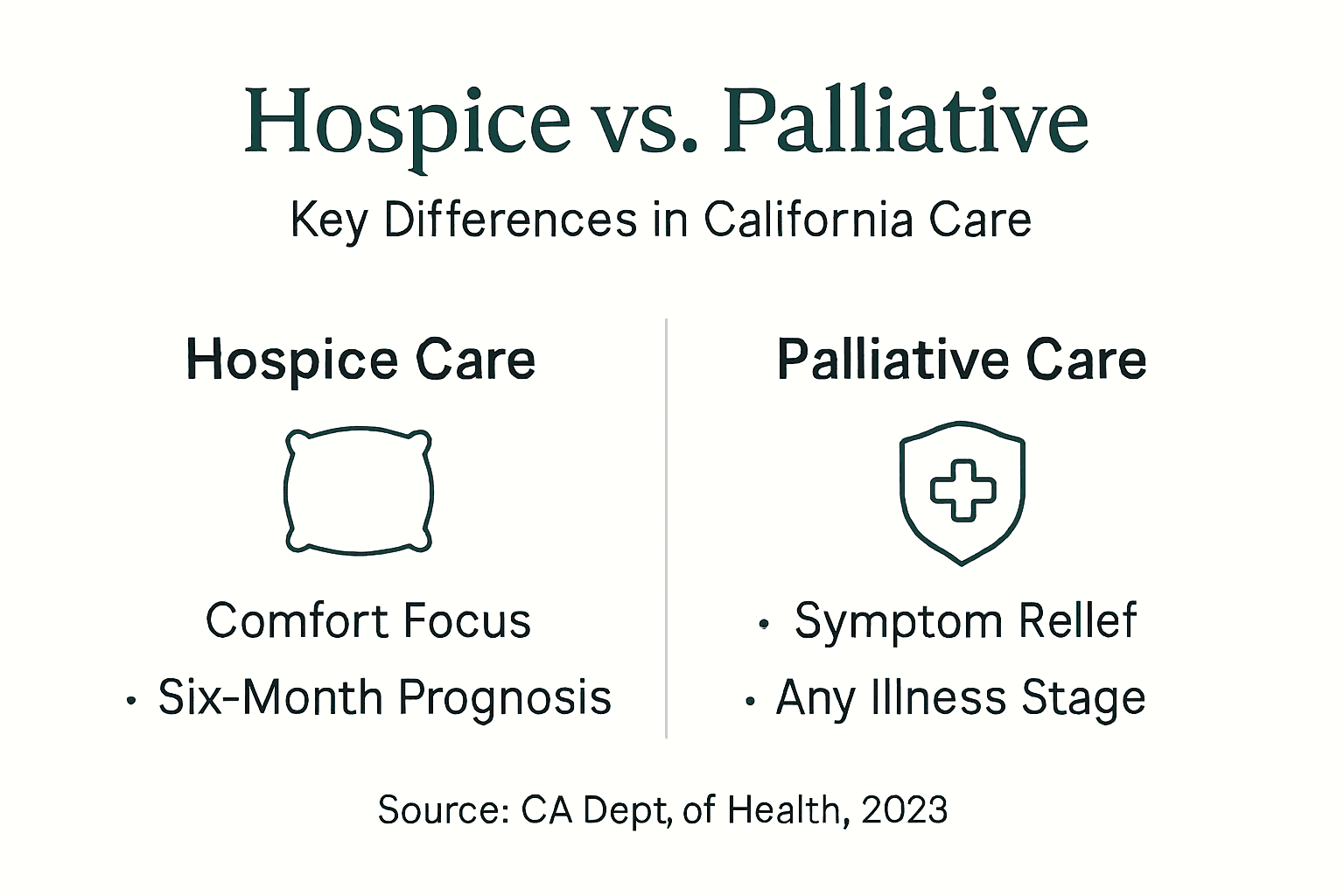
| Aspect | Hospice Care | Palliative Care |
|---|---|---|
| Eligibility | Terminal prognosis ≤ 6 months | Any serious illness stage |
| Treatment Goals | Comfort only, no curative treatments | Symptom relief alongside curative care |
| Care Setting | Home, facility, or hospital | Hospital, clinic, or home |
| Medicare Coverage | Comprehensive hospice benefit | Separate billing for services |
| Team Approach | Multidisciplinary hospice team | Palliative care specialists |
Palliative care teams often overlap with hospice providers, sharing similar symptom management expertise. The key difference lies in treatment intent and eligibility criteria. Palliative care patients may still pursue chemotherapy or surgery while receiving comfort support. Hospice patients have decided to forego aggressive interventions.
Timing matters significantly. Some families delay hospice because they confuse it with palliative care, missing months of comprehensive support. Others transition smoothly from palliative to hospice as disease progresses. Understanding differences between hospice and palliative care clarifies your options. Review available end of life care options and compare hospice vs palliative care details.
Practical Decision Criteria for Families Choosing Hospice Care
Selecting hospice care requires evaluating medical, cultural, financial, and support factors. Advance care planning improves goal-aligned care by over 30%, helping families select care that meets patient values. This structured approach reduces stress and uncertainty.
Follow these decision steps:
- Confirm Eligibility: Discuss prognosis with physicians and verify insurance coverage for hospice services.
- Evaluate Home Environment: Assess whether your residence can accommodate care needs or if facility-based hospice fits better.
- Consider Cultural Needs: Choose providers offering culturally and linguistically appropriate care that respects your family’s traditions.
- Assess Caregiver Capacity: Honestly evaluate your ability to provide support and determine what professional assistance you need.
- Review Provider Services: Compare hospice agencies on team availability, respite offerings, and family education programs.
- Discuss Care Goals: Hold family meetings to align on treatment preferences, reviewing advance directives and patient wishes.
- Match Hospice Type: Select home, inpatient, or combination care based on symptom complexity and support resources.
Pro Tip: Tour hospice facilities and meet team members before deciding. Personal connection with providers matters as much as clinical expertise when choosing care partners.
Understanding starting hospice care processes prepares you for enrollment. Explore caregiver support options and family involvement in hospice care to understand your role. Learn more about advance care planning benefits.
Local Hospice Care Resources and Trends in Orange and Los Angeles Counties
Hospice enrollment in Orange and Los Angeles counties increased by approximately 15% over five years with improved culturally competent care and coordination. This growth reflects better awareness and expanding access to quality end-of-life services. Local providers now offer diverse options tailored to regional demographics.
| County | Hospice Providers | Cultural Services | Home Care Availability | Inpatient Facilities |
|---|---|---|---|---|
| Orange County | 25+ agencies | Multilingual staff, diverse faith support | High availability | 5+ facilities |
| Los Angeles County | 40+ agencies | Extensive cultural competence programs | High availability | 10+ facilities |
Both counties feature providers specializing in culturally sensitive care, addressing the region’s diverse populations. Coordination with community resources enhances patient satisfaction and family support. Families benefit from choosing local providers familiar with regional healthcare systems and community networks.
Key local advantages:
- Cultural Competence: Providers offer services in multiple languages and respect varied religious traditions.
- Community Integration: Local hospices connect families with support groups, spiritual counselors, and bereavement resources.
- Care Coordination: Established relationships with regional hospitals and physicians streamline transitions to hospice.
- Growing Access: Increasing provider numbers mean shorter wait times and more choices for families.
Explore local hospice benefits and review steps for hospice care. Access end-of-life care support and research local hospice resources and cultural competence.
Bridging Understanding to Action: Starting Hospice Care Conversations and Accessing Support
Taking the first step toward hospice care begins with conversation and consultation. Local providers like Graceland Hospice offer free assessments to determine eligibility and explain services. This no-obligation approach removes barriers to exploring options.
Follow these enrollment steps:
- Contact Hospice Provider: Request a free consultation to discuss your loved one’s condition and learn about available services.
- Medical Assessment: Physicians evaluate prognosis and certify hospice eligibility based on terminal diagnosis criteria.
- Discuss Care Goals: Hold family meetings with hospice team members to establish care preferences and address concerns.
- Create Care Plan: Collaborate with the hospice team to design personalized support addressing medical, emotional, and spiritual needs.
- Begin Services: Arrange for initial home visit and equipment delivery, starting comprehensive care coordination.
- Access Caregiver Education: Attend training sessions on symptom management, medication administration, and communication strategies.
- Utilize Respite Support: Schedule regular breaks using respite care to maintain your wellbeing throughout the caregiving journey.
- Evaluate Continuously: Communicate regularly with your hospice team, adjusting care as needs change.
Graceland Hospice specializes in compassionate, home-based care throughout Orange and Los Angeles counties. We provide culturally sensitive services tailored to diverse family needs. Our team offers 24/7 support, comprehensive symptom management, and caregiver education. Learn about starting hospice care at home, explore caregiver support resources, and discover Graceland Hospice Care services.
Explore Compassionate Hospice Care with Graceland Hospice
At Graceland Hospice, we take immense pride in delivering exceptional hospice care to families across Orange and Los Angeles counties. Our unwavering commitment to excellence drives us to set higher standards in compassionate end-of-life support. We create personalized care plans aligned with your loved one’s values and your family’s needs, ensuring dignity and comfort throughout the journey.
We operate with passion, treating every individual with deep compassion. Our multidisciplinary teams provide comprehensive support including medical management, emotional counseling, spiritual care, and caregiver education. We ensure the gift of hospice reaches all eligible patients and families without exception.
Explore our Graceland Hospice Care services to learn how we serve your community. Review our end of life care guide for detailed information. Contact us today for a free consultation about starting hospice care at home.
FAQ
What Are the Different Hospice Care Options Available?
Home hospice provides care at your loved one’s residence, maintaining familiar surroundings and family involvement. Inpatient hospice offers intensive 24/7 medical care in specialized facilities when symptoms become difficult to manage at home. Respite care gives family caregivers short-term relief, typically lasting a few days, allowing you to rest while professionals provide care.
How Does Medicare Cover Hospice Care in California?
Medicare pays nearly all hospice care expenses including medications, equipment, and professional services when eligibility criteria are met. This comprehensive benefit eliminates most out-of-pocket costs for terminally ill patients. Private insurance and Medi-Cal often provide similar coverage. For complete details, review Medicare hospice benefits.
What Is the Difference Between Hospice and Palliative Care?
Hospice serves terminal patients with prognosis of six months or less, focusing exclusively on comfort rather than cure. Palliative care can be provided at any illness stage alongside curative treatments, addressing symptoms while patients pursue other therapies. The key distinction lies in treatment goals and eligibility timing.
How Can Families Initiate Conversations About Hospice Care?
Start by consulting healthcare providers for eligibility assessments and professional guidance on timing. Discuss patient values and end-of-life wishes openly with family members and care teams, using advance directives as conversation guides. Reach out to local hospice providers like Graceland Hospice for free consultations that answer questions without obligation.
Recommended
- Why Choose At-Home Hospice for Orange County Families | Graceland Hospice Care Blog
- Blog & Resources | Graceland Hospice Care
- What Is End of Life Care? Choices for Families | Graceland Hospice Care Blog
- Role of Caregivers in Hospice – Making End-of-Life More Compassionate | Graceland Hospice Care Blog
- Grief Therapy: Options & Support - Dr Stephen Oreski & As