Essential Qualities of Compassionate Hospice
Essential qualities of compassionate care for hospice at home
TL;DR:
- Compassionate hospice care involves attentiveness, active listening, emotional validation, and holistic support.
- Recognizing genuine compassion includes observing behaviors like responsiveness, flexibility, and respectful communication.
- Caregiver self-care and reflective practices are essential to sustain empathy and deliver dignified end-of-life care.
When a loved one chooses to spend their final days at home, the weight of that decision falls on your shoulders in ways that are hard to put into words. You want to get it right. You want them to feel safe, heard, and truly cared for, not just medically managed. But how do you know if the care being provided is genuinely compassionate? Knowing what to look for, and what to ask, changes everything. This guide walks you through the specific qualities that define compassionate hospice care at home, how to recognize them in practice, and how to protect your own well-being along the way.
Table of Contents
- The foundation: What makes care compassionate?
- The 5 pillars of compassionate care in hospice
- Measuring compassion: Indicators to look for as a caregiver
- Sustaining compassion: Coping with emotional fatigue as a caregiver
- Why acts of compassion matter more than just training
- Get support from Graceland Hospice Care
- Frequently asked questions
Key Takeaways
| Point | Details |
|---|---|
| Compassion is observable | Indicators like attentive listening and patient advocacy make it clear when care is truly compassionate. |
| Emotional support prevents burnout | Self-care and peer support help caregivers sustain empathy without exhaustion. |
| Dignity and autonomy matter | Honoring patient choices and adapting care routines upholds dignity during end-of-life care. |
| Care is a shared effort | Family and professional caregivers both play essential roles in creating a compassionate environment. |
The foundation: What makes care compassionate?
Let’s start by understanding what compassionate care actually looks like, and why these qualities are non-negotiable.
Compassionate care is not simply kindness layered on top of clinical skill. It is a deliberate, practiced approach to supporting a person through one of life’s most vulnerable moments. According to BMJ Palliative Care research, compassionate care in hospice emphasizes attentiveness, active listening, emotional validation, supportive presence, and holistic support for physical, emotional, and spiritual needs. These are not soft extras. They are the foundation of dignified end-of-life care.
In a home setting, these qualities take on even greater significance. Your loved one is in their own space, surrounded by familiar things, and they deserve care that honors that intimacy. When caregivers are attentive, they notice the small shifts, a wince, a moment of restlessness, a quiet withdrawal, before those signals become distress. When they listen actively, your loved one feels seen rather than processed.
The key qualities of compassionate care include:
- Attentiveness: Noticing changes in mood, comfort, and physical condition without waiting to be asked
- Active listening: Giving full, undivided attention to what the patient and family are expressing
- Emotional validation: Acknowledging that all feelings, fear, grief, anger, gratitude, are real and deserve respect
- Supportive presence: Staying calm and steady even when the situation is emotionally heavy
- Holistic support: Addressing not just physical pain, but emotional distress and spiritual concerns as well
“Compassion in hospice is not a personality trait. It is a practiced skill that requires intention, training, and daily renewal.” — BMJ Palliative Care, 2026
Understanding the qualities of hospice staff helps you ask the right questions when evaluating a care team. The role of hospice nurse in delivering these qualities is especially central, as nurses are often the most frequent professional presence in the home.
The 5 pillars of compassionate care in hospice
Now, let’s break down the specific qualities of care that stand out the most, with real-world implications for home-based hospice.
Each of the five pillars below represents a distinct dimension of compassionate care. Together, they create an environment where your loved one feels genuinely supported rather than simply managed.
-
Attentive presence: This means more than just being in the room. An attentive caregiver anticipates needs before they are voiced. They notice when a patient is too warm, when the light is bothering them, or when they seem anxious about an upcoming procedure. Attentiveness reduces suffering by shortening the gap between need and response.
-
Active listening: This pillar requires caregivers to set aside their own agenda and truly hear what the patient is communicating, including what they are not saying out loud. Body language, facial expressions, and silence all carry meaning. A caregiver who practices active listening creates a space where your loved one feels safe enough to express fear, regret, or even joy.
-
Emotional validation: Dying brings a flood of emotions that are often contradictory and overwhelming. Validation means saying, “What you’re feeling makes complete sense,” without rushing to fix or minimize those feelings. This simple act can dramatically reduce a patient’s sense of isolation during a time that can feel profoundly lonely.
-
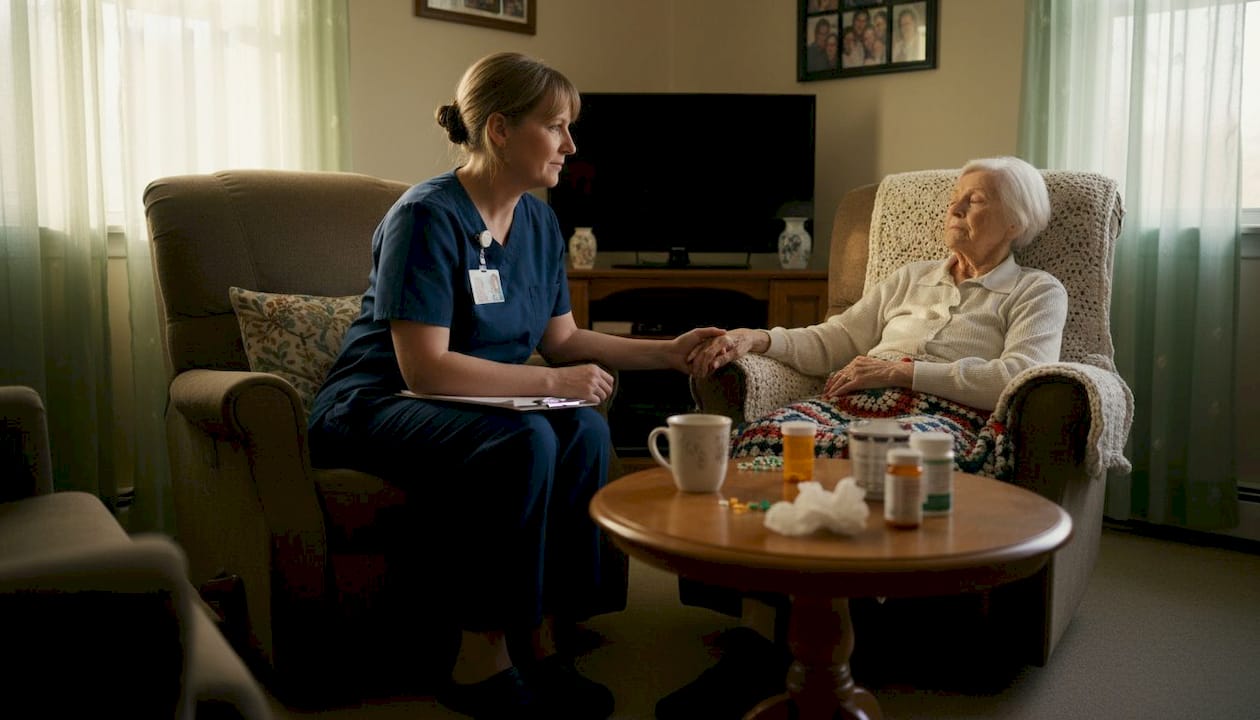
Supportive presence: There are moments when words are not needed. A calm, steady presence, sitting quietly, holding a hand, or simply being nearby, communicates safety and love in ways that clinical interventions cannot. Supportive presence is especially powerful during the final hours.
-
Holistic care: Pain management is critical, but it is only one layer. Holistic care also addresses anxiety, unresolved relationships, spiritual questions, and the need for meaning. A caregiver who asks, “Is there anything weighing on your heart today?” is practicing holistic care.
Research published by the NIH on caregiver roles highlights an important contrast: professional caregivers and family caregivers approach these pillars differently. Professional staff are trained to balance patient autonomy with safety, while family members bring irreplaceable personal knowledge and emotional connection. Compassion fatigue, however, can lead to emotional detachment in both groups, while self-efficacy, the belief that you can make a meaningful difference, sustains empathy over time.
Understanding the role of caregivers in hospice and accessing caregiver support in hospice are practical first steps for any family navigating this journey.
Pro Tip: Keep a simple daily journal noting moments when care felt especially compassionate or fell short. This record helps you have specific, constructive conversations with the hospice team and ensures your loved one’s needs are consistently met.
Measuring compassion: Indicators to look for as a caregiver
Understanding the core qualities is one thing, but what does compassion “look like” day by day? Let’s make it easy to spot.
Compassion is visible in behavior. You do not need a medical background to recognize it. What you do need is a framework for observation. The following comparison helps clarify the difference between genuinely compassionate care and routine task-based care.
| Behavior | Compassionate care | Routine care |
|---|---|---|
| Communication style | Calm, clear, and patient-centered | Efficient but impersonal |
| Response to patient concerns | Pauses, listens, and addresses fully | Acknowledges briefly, moves on |
| Schedule flexibility | Adjusts to patient’s energy and needs | Follows a fixed timetable |
| Advocacy | Speaks up for patient preferences with the team | Follows instructions without input |
| Handling distress | Stays present, offers comfort, validates feelings | Administers medication, exits room |
| Transparency with family | Proactively shares updates and concerns | Shares only when asked |
According to BMJ Palliative Care findings, flexible negotiation around patient autonomy in home settings and reflective practices to avoid dignity violations are key markers of expert compassionate care. In other words, a caregiver who asks your loved one, “Would you prefer your bath in the morning or afternoon?” is doing something clinically important, not just being polite.
Red flags to watch for include rigid adherence to schedules regardless of the patient’s condition, rushing through personal care routines, and dismissing patient concerns as “normal for this stage.” These behaviors signal task orientation rather than person-centered care.
How social workers support families during this time is worth exploring, as they often serve as the bridge between the medical team and the family’s emotional needs. A good guide to at-home support can also help you set realistic expectations and identify gaps in care early.
Pro Tip: Request a regular family meeting with the hospice team, even a brief 15-minute check-in each week. These meetings create accountability and give you a structured space to raise concerns before they become crises.
Sustaining compassion: Coping with emotional fatigue as a caregiver
Compassion can be draining when the emotional stakes are high. Here’s how to keep your own cup full to continue giving empathetic care.
One of the most overlooked truths in home-based hospice care is this: you cannot pour from an empty vessel. Family caregivers often give everything they have to their loved one, leaving little for themselves. Over time, this leads to compassion fatigue, a state of emotional exhaustion that can quietly erode your ability to be present and empathetic.
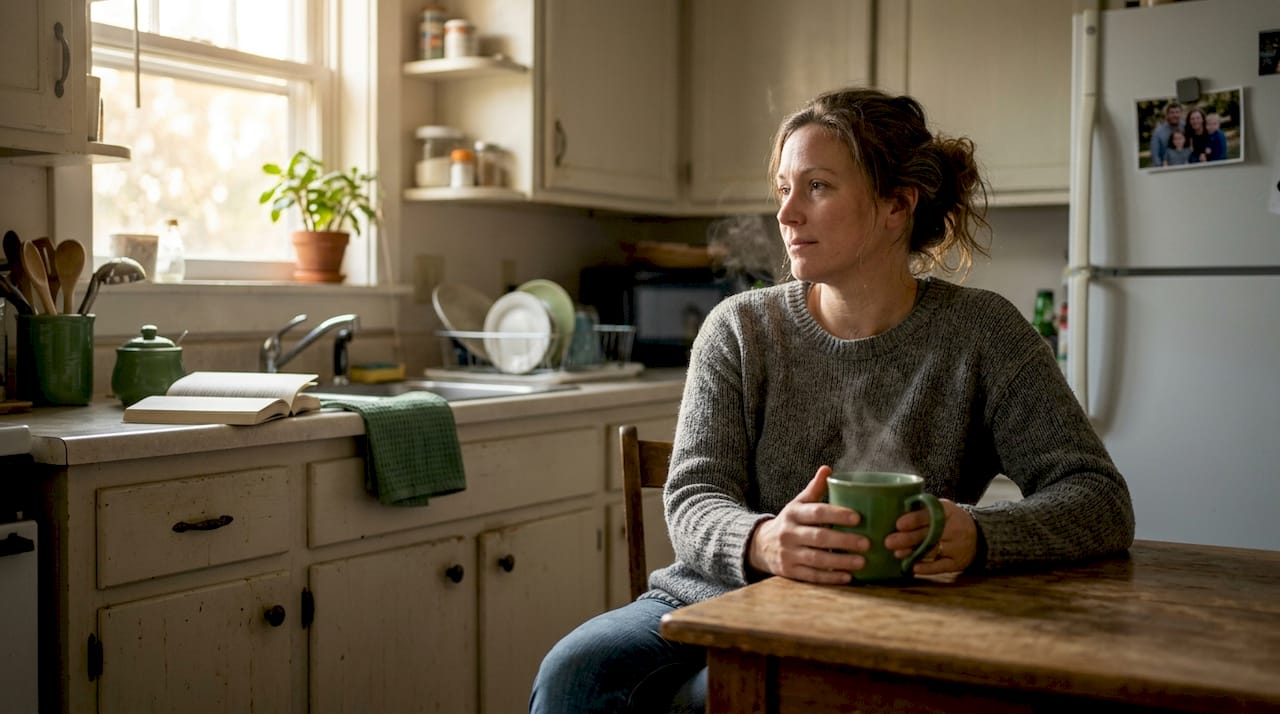
The numbers are sobering. Research from Springer shows that compassion fatigue affects 47% of palliative care nurses severely, and the same pattern holds true for family caregivers in high-intensity home care settings. However, targeted interventions can increase compassion satisfaction scores from 22.67 to 26.62, and the percentage of resilient caregivers can rise from just 2.6% to 17.9%. That is a dramatic improvement from relatively simple changes in support and self-care.
Signs that you may be experiencing compassion fatigue include:
- Withdrawing emotionally from your loved one or the care team
- Feeling irritable or resentful about caregiving responsibilities
- Decreased empathy or a sense of numbness
- Difficulty sleeping, even when you have the opportunity to rest
- Feeling like nothing you do makes a difference
Effective coping strategies that research supports include:
- Setting emotional boundaries: Allowing yourself to feel grief without being consumed by it
- Taking respite breaks: Even a few hours away from caregiving restores perspective and patience
- Peer support: Connecting with other family caregivers who understand the experience firsthand
- Professional counseling: A therapist familiar with grief and end-of-life issues can provide tools that general support cannot
The advantages of palliative care extend directly to family members, not just patients. When professional support is in place, your burden lightens and your capacity for compassion is preserved.
Caring for yourself is not a luxury in this situation. It is a clinical necessity for your loved one’s well-being.
Why acts of compassion matter more than just training
Having seen how to recognize and maintain compassion, it is worth reflecting on what truly makes a difference at the end of life.
Here is an uncomfortable truth that the hospice community does not always say out loud: credentials and clinical training, while absolutely necessary, are not what patients and families remember most. What stays with people long after a loved one has passed is whether they felt genuinely seen and honored during those final days.
We have seen this pattern consistently. A nurse with 20 years of experience who rushes through a visit leaves a different impression than a newer caregiver who sits for an extra five minutes and asks, “Is there anything you want to tell me today?” The moment of stillness, the gentle touch on the arm, the willingness to hear a story that has been told a dozen times before, these are the acts that build trust and preserve dignity.
Reflective practice is one of the most underused tools in caregiving. At the end of each day, asking yourself, “Did I honor their wishes today? Did I listen more than I spoke? Was I truly present?” creates a feedback loop that no training manual can replicate. It keeps compassion intentional rather than habitual.
Spiritual care in hospice is another dimension that is often treated as secondary to physical care, yet patients consistently report that feeling spiritually supported is as important as pain management. Compassion, at its deepest level, is a form of spiritual presence. It communicates that the person in front of you matters, not because of what they can do, but simply because they are.
The methods caregivers use may differ. The routines, the medications, the schedules will all vary. But the intent behind each action is what patients and families carry with them. Compassion is not a department. It is a way of being in the room.
Get support from Graceland Hospice Care
If you’re feeling inspired to seek truly compassionate, reliable support for your loved one at home, here’s how Graceland Hospice Care can help.
At Graceland Hospice Care, we believe that every person deserves to experience life’s final chapter with dignity, comfort, and genuine human connection. Our team brings together professional clinical expertise and deep personal compassion, working closely with families to create individualized care plans that honor each patient’s wishes. We understand that choosing compassionate hospice care is one of the most significant decisions a family can make, and we are here to make that process feel supported rather than overwhelming. Explore our full range of hospice and palliative services to learn how we can walk alongside your family. Contact us today for a free, no-pressure consultation.
Frequently asked questions
What is the most important quality of compassionate care?
Attentive presence, responding promptly and genuinely to needs, is widely considered the cornerstone of compassionate care, as hospice research confirms that attentiveness anchors all other qualities including listening, validation, and holistic support.
How can families measure if care is truly compassionate?
Observe respect for choices, active listening, and adaptability in daily routines, because flexible, dignity-focused practices in home settings are reliable indicators that care is genuinely patient-centered rather than task-driven.
What should caregivers do if they feel burned out?
Take a scheduled break, connect with peer support groups, and seek professional guidance early, since targeted interventions have been shown to significantly increase compassion satisfaction and caregiver resilience before fatigue becomes severe.
Can professional hospice staff and family work together for compassion?
Yes, collaboration between professional and family caregivers blends clinical skill with personal insight for truly patient-centered care, and research on caregiver roles confirms that this partnership, when balanced thoughtfully, leads to better outcomes for both patients and families.
Recommended
- End of Life Care Guide for Compassionate At-Home Support | Graceland Hospice Care Blog
- End of Life Care Steps for Home Hospice Success | Graceland Hospice Care Blog
- 7 Key Qualities of Hospice Staff Every Caregiver Should Know | Graceland Hospice Care Blog
- Role of Hospice Nurse: Compassionate Care at Home | Graceland Hospice Care Blog