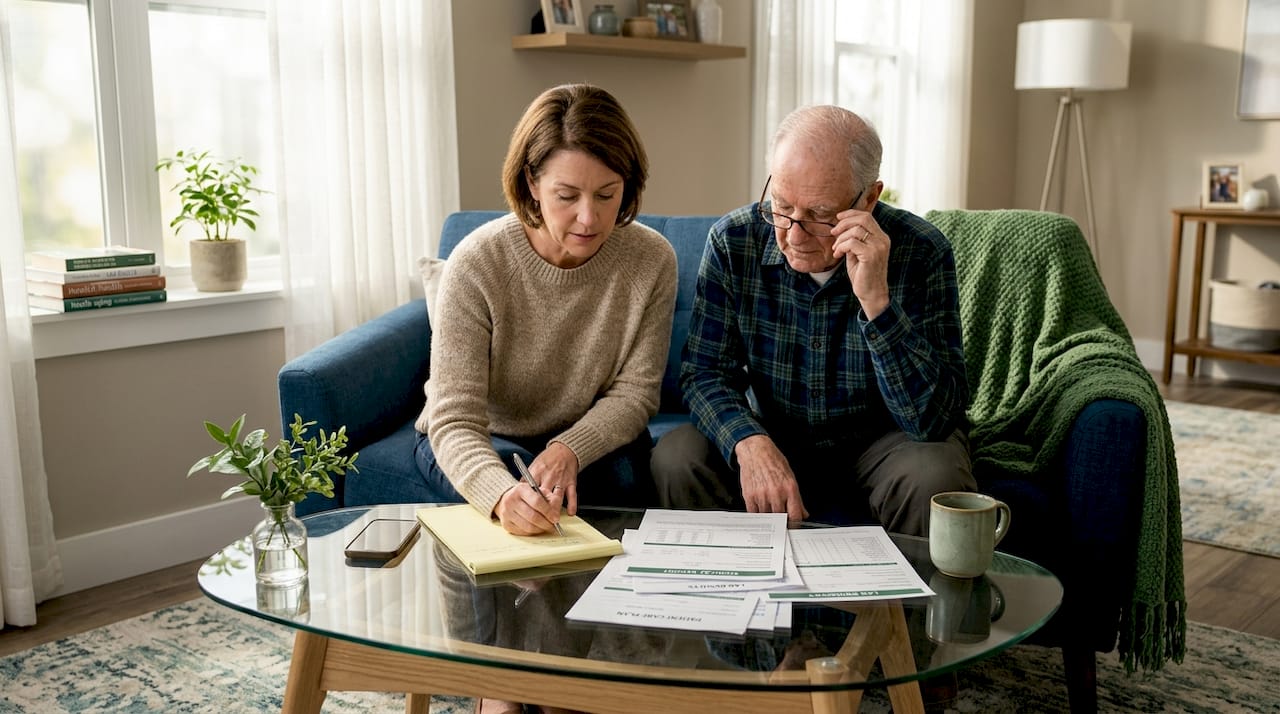
7 Key Advantages of Palliative Care for Caregivers
7 Key Advantages of Palliative Care for Caregivers
Caring for a loved one with a serious illness often brings up more questions than answers. You want real relief for pain, support for anxious moments, and clear guidance when tough choices arise. Yet, it’s easy to feel overwhelmed by all the decisions and emotions involved.
Palliative care offers more than just clinical treatment. It delivers personalized solutions for comfort, emotional support, and better life quality at home. You will discover how to manage pain, address mental health needs, and coordinate care with skilled professionals by learning these targeted approaches.
Get ready to unlock practical insights that will help you and your family face even the toughest days with confidence and compassion. The strategies ahead can transform the way you support your loved ones and yourself.
Table of Contents
- 1. Improved Pain and Symptom Management
- 2. Emotional Support for Patients and Families
- 3. Enhanced Quality of Life at Home
- 4. Personalized Care Plans Tailored to Needs
- 5. Expert Guidance for Difficult Decisions
- 6. Reduced Stress for Caregivers
- 7. Better Coordination Between Healthcare Providers
Quick Summary
| Takeaway | Explanation |
|---|---|
| 1. Early intervention is crucial for pain management. | Promptly addressing symptoms can help maintain patient dignity and prevent increased discomfort throughout the illness. |
| 2. Emotional support is essential for patients and families. | Comprehensive emotional care facilitates healing and helps navigate feelings of anxiety, grief, and uncertainty during medical journeys. |
| 3. Home-based palliative care enhances quality of life. | Providing personalized care at home allows patients to feel more comfortable and maintains their independence while receiving needed support. |
| 4. Personalized care plans empower patient agency. | Tailoring care around individual preferences and needs transforms treatment into a compassionate approach that respects patient dignity. |
| 5. Strong coordination among healthcare providers improves care. | Effective communication in palliative teams ensures comprehensive support that addresses medical and emotional needs effectively. |
1. Improved Pain and Symptom Management
Palliative care provides an extraordinary approach to managing pain and symptoms that can transform the experience of patients and their families during challenging medical journeys. This specialized care focuses on delivering comprehensive comfort and relief through expert, personalized strategies.
When facing serious illness, pain management becomes critical. Proactive symptom control ensures patients maintain dignity and quality of life. Palliative care professionals utilize a sophisticated toolkit to address complex medical challenges.
Key approaches to symptom management include:
- Early intervention to prevent escalating discomfort
- Comprehensive assessment of patient’s unique pain profile
- Multimodal treatment strategies combining pharmacologic and non-pharmacologic techniques
- Continuous reevaluation of pain management effectiveness
Advanced pain management methods emphasize individualized treatment plans tailored to each patient’s specific needs. By addressing physical symptoms comprehensively, palliative care teams help patients experience greater comfort and emotional peace.
Effective pain management is not just about medication. It’s about understanding and responding to the patient’s entire experience.
Caregivers benefit immensely from professional support that helps them navigate complex symptom management. The holistic approach means addressing not just physical pain but also emotional and psychological distress.
Pro tip: Maintain a detailed symptom journal to help healthcare providers track pain patterns and adjust treatment strategies more precisely.
2. Emotional Support for Patients and Families
Palliative care recognizes that healing extends far beyond physical treatment and encompasses the profound emotional landscape of patients and their loved ones. Emotional support becomes a critical component of comprehensive care during life-changing medical journeys.
Psychological support strategies provide essential tools for navigating complex emotional challenges. Patients and families often experience a range of intense feelings including anxiety, grief, and uncertainty.
Key emotional support elements include:
- Compassionate counseling to process difficult emotions
- Family therapy to strengthen communication and resilience
- Spiritual care addressing existential concerns
- Grief support for patients and family members
Emotional healing is not about eliminating pain but creating space for understanding and acceptance.
Professional caregivers work closely with families to create safe emotional environments. Validating individual experiences helps patients feel heard and supported during challenging times.
Understanding emotional needs allows caregivers to provide holistic comfort that transcends medical interventions. This approach recognizes each person’s unique emotional journey through serious illness.
Pro tip: Schedule regular family meetings with palliative care professionals to openly discuss emotional challenges and develop collective coping strategies.
3. Enhanced Quality of Life at Home
Palliative care transforms the healthcare experience by bringing comprehensive support directly into patients’ most comfortable environment: their own home. Home-based care offers a compassionate alternative to hospital settings that prioritizes patient comfort and individual needs.
Home-based palliative care programs provide personalized medical and emotional support that helps patients maintain dignity and independence. This approach recognizes that healing happens most effectively in familiar surroundings.
Key benefits of home-based palliative care include:
- Personalized medical management
- Reduced hospital readmissions
- Emotional and psychological support
- Improved patient comfort
- Family involvement and education
Comfort is not just a luxury. It’s a critical component of healing and quality of life.
Professional caregivers work closely with patients and families to create tailored care plans. Functional optimization means addressing not just medical needs but also social and emotional aspects of living with serious illness.
By bringing expert medical support into the home environment patients can experience comprehensive compassionate care without the stress of repeated hospital visits. This approach empowers patients to live more fully on their own terms.
Pro tip: Create a dedicated care coordination space in your home to help streamline communication with healthcare providers and keep important medical documents organized.
4. Personalized Care Plans Tailored to Needs
Every patient’s journey is unique and deserves a care approach that reflects their individual needs aspirations and challenges. Personalized care planning transforms standard medical treatment into a compassionate roadmap designed specifically for each patient.
Comprehensive care standards emphasize creating dynamic care plans that evolve with the patient’s changing condition. These plans go beyond medical protocols to honor personal preferences and maintain patient dignity.
Key elements of personalized care plans include:
- Comprehensive patient assessment
- Patient and family input
- Flexible treatment strategies
- Regular plan reviews
- Holistic support approach
A truly effective care plan is a living document that breathes with the patient’s changing needs.
Healthcare teams collaborate closely to develop multidimensional support strategies that address medical physical emotional and spiritual dimensions. This approach ensures that care extends far beyond traditional medical interventions.
By prioritizing individual goals and preferences patients can maintain a sense of control and dignity during challenging medical journeys. Personalized planning transforms healthcare from a one-size-fits-all model to a deeply compassionate individual experience.
Pro tip: Create a dedicated care plan notebook where you can document preferences discussions and track ongoing medical decisions to ensure clear communication with your healthcare team.
5. Expert Guidance for Difficult Decisions
Facing serious illness means navigating a complex landscape of medical choices that can feel overwhelming and emotionally charged. Expert palliative care guidance provides a compassionate compass to help patients and families make informed decisions aligned with their values and goals.
Interdisciplinary decision-making guidelines emphasize collaborative approaches that prioritize patient preferences and quality of life. These strategies transform challenging medical conversations into supportive dialogues.
Key components of expert decision support include:
- Clear communication pathways
- Goals-of-care conversations
- Shared medical decision-making
- Symptom management insights
- Emotional support resources
The most powerful medical decisions are those made with full understanding compassion and personal agency.
NCCN guidelines recommend early integration of palliative care specialists to help patients navigate treatment options. Comprehensive support means addressing not just medical details but the entire human experience of serious illness.
By providing expert guidance healthcare teams empower patients to make choices that reflect their deepest personal values. This approach transforms medical decision-making from a clinical transaction into a deeply human journey of understanding and respect.
Pro tip: Create a dedicated medical decision notebook where you can document questions preferences and insights from conversations with healthcare providers to ensure clear and consistent communication.
6. Reduced Stress for Caregivers
Caregiving is an extraordinary journey of love and compassion that often comes with profound emotional and physical challenges. Palliative care support offers critical resources to help caregivers navigate these complex responsibilities while protecting their own well-being.
Clinical strategies for caregiver support recognize the immense physical emotional and financial burdens that informal caregivers experience. Understanding and addressing caregiver stress becomes essential to sustainable care.
Key stress reduction strategies include:
- Professional emotional support
- Respite care opportunities
- Mental health resources
- Financial counseling
- Skill-building workshops
Caring for yourself is not selfish. It’s essential to maintaining your capacity to care for others.
Mental health research highlights the importance of self-compassion and flexibility in sustaining caregiver resilience. Proactive self-care becomes a critical component of effective caregiving.
By prioritizing caregiver well-being palliative care programs recognize that supporting the supporter is fundamental to comprehensive patient care. This holistic approach transforms the caregiving experience from potential burnout to sustainable compassion.
Pro tip: Schedule weekly non-negotiable self-care time and treat it as seriously as any medical appointment to maintain your emotional and physical health.
7. Better Coordination Between Healthcare Providers
Effective palliative care requires seamless communication and collaboration among healthcare professionals. Interdisciplinary teamwork transforms patient care by ensuring comprehensive support that addresses medical emotional and personal needs.
Effective communication strategies emphasize open honest dialogue and empathy as critical components of high-quality patient care. When healthcare providers work together patients experience more holistic and compassionate support.
Key elements of improved coordination include:
- Clear role definitions
- Regular team communication
- Shared decision-making processes
- Consistent patient information tracking
- Empathetic interdisciplinary approaches
Exceptional healthcare coordination is less about individual expertise and more about collective compassion.
Palliative care team building focuses on creating robust systems that support smooth information exchange. Integrated care strategies help eliminate communication gaps and ensure patients receive consistent comprehensive support.
By prioritizing communication and collaboration healthcare teams can create a more responsive adaptive approach to patient care. This holistic method means patients and families feel truly supported throughout their medical journey.
Pro tip: Establish a shared digital communication platform where all healthcare team members can securely update and access patient information in real-time.
Below is a comprehensive table summarizing the key elements and benefits of palliative care as detailed in the article.
| Aspect of Palliative Care | Description and Actions | Benefits and Outcomes |
|---|---|---|
| Improved Pain and Symptom Management | Focus on proactive symptom control and interventions to address physical discomfort through comprehensive methods. | Provides immense relief and enhances the patient’s quality of life. |
| Emotional Support for Patients and Families | Provides tools for navigating emotional challenges, including counseling and grief support. | Creates space for understanding and acceptance, helping both patients and families cope better. |
| Enhanced Quality of Life at Home | Offers home-based care that tailors comfort and medical aid within a familiar environment. | Supports dignity, reduces hospital readmissions, and improves emotional well-being. |
| Personalized Care Plans Tailored to Needs | Develops dynamic care strategies aligned with patient-specific preferences and evolving conditions. | Ensures dignity and empowers patients with a sense of control. |
| Expert Guidance for Difficult Decisions | Assists in complex medical decision-making while considering personal values and goals. | Enables informed choices and fosters a compassionate understanding of medical treatments. |
| Reduced Stress for Caregivers | Provides resources including respite care, counseling, and skill workshops. | Alleviates emotional and physical burden, allowing caregivers to maintain resilience. |
| Improved Coordination Between Healthcare Providers | Encourages seamless interdisciplinary teamwork and clear communication. | Ensures comprehensive, empathetic, and consistent patient support. |
Discover Compassionate Support for Caregivers and Patients at Graceland Hospice
Caring for a loved one with serious illness brings emotional and physical challenges that can feel overwhelming. The article highlights key advantages of palliative care such as reducing caregiver stress, providing emotional support, and offering expert guidance for difficult decisions. At Graceland Hospice, we understand these challenges deeply and are dedicated to delivering personalized, compassionate care that supports both patients and their families throughout this journey.
Our team focuses on creating personalized care plans, ensuring effective coordination between healthcare providers, and bringing comprehensive comfort directly to your home. Let us help you navigate this path with dignity and hope. Learn more about the benefits of hospice support by visiting our Graceland Hospice home page and see how we set higher standards in hospice care.
Are you ready to reduce your caregiving burden and provide your loved one with the highest quality of life? Contact us today for a free consultation and take the first step toward compassionate, expert care at Graceland Hospice.
Frequently Asked Questions
What are the main advantages of palliative care for caregivers?
Palliative care provides caregivers with emotional support, reduced stress, and better coordination among healthcare providers. These advantages help caregivers navigate their responsibilities while maintaining their well-being and personal health.
How can palliative care improve my experience as a caregiver?
Palliative care enhances your experience by offering professional emotional support, respite care, and skill-building resources. Implement these strategies to manage stress effectively and improve both your and your loved ones’ quality of life.
What should I do if I feel overwhelmed as a caregiver?
If you feel overwhelmed, seek professional emotional support and consider respite care options. Taking regular breaks, even for short periods, can significantly alleviate stress and enhance your caregiving capacity.
How can palliative care support my loved one’s personal preferences?
Palliative care focuses on creating personalized care plans that honor the patient’s individual needs and preferences. Work closely with the healthcare team to ensure that the care plan reflects your loved one’s wishes and values.
What steps can I take to improve communication with healthcare providers?
To improve communication with healthcare providers, establish regular family meetings and maintain a shared digital communication platform for updates. This ensures that everyone involved in care has access to up-to-date information, fostering collaboration and better outcomes.
Recommended
- Graceland Hospice Care | Compassionate End-of-Life Care
- Graceland Hospice Care | Compassionate End-of-Life Care
- Graceland Hospice Care | Compassionate End-of-Life Care
- Graceland Hospice Care | Compassionate End-of-Life Care
- CarehomesIT - Specialist IT Support for Care Homes
- Ear Care for Complex Needs – Safe Solutions for Children