7 Key Qualities of Hospice Staff Every Caregiver Should Know
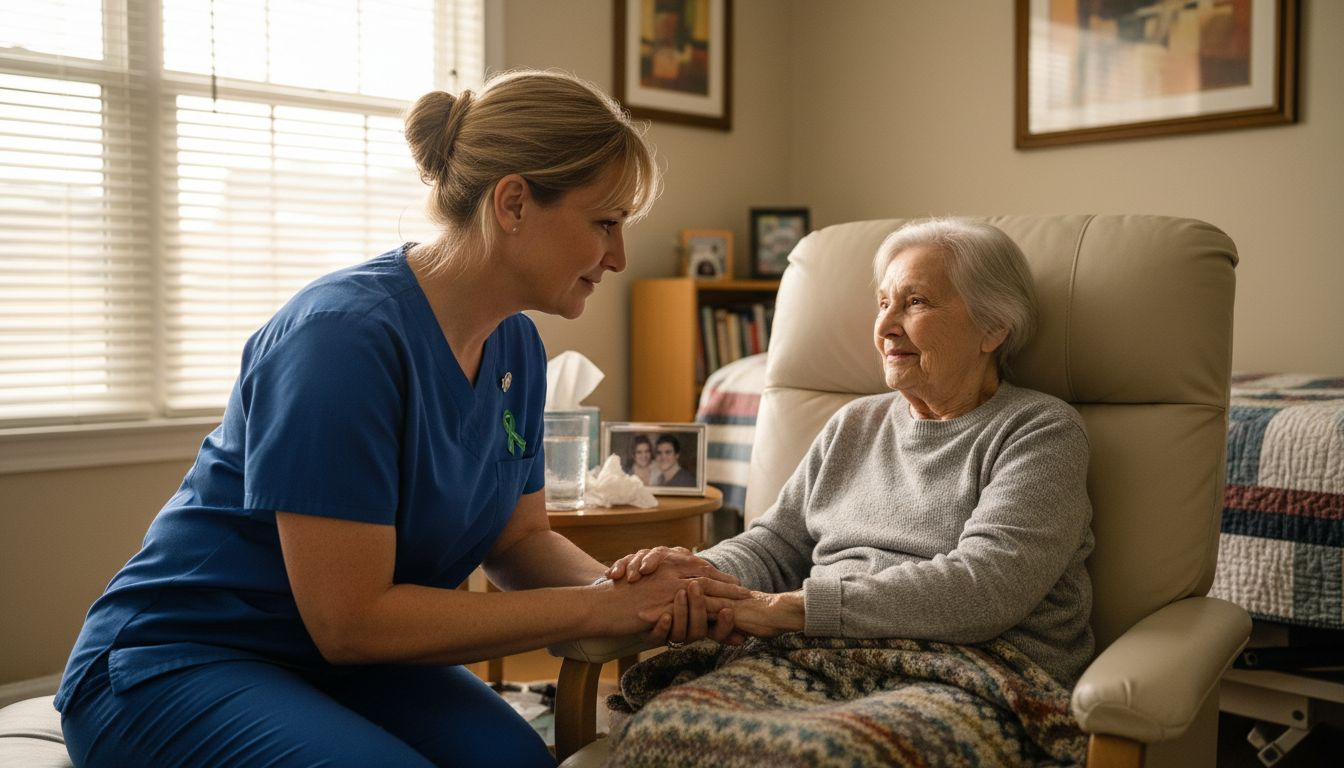
7 Key Qualities of Hospice Staff Every Caregiver Should Know
Supporting people at the end of life can be one of the most emotionally demanding experiences for any healthcare provider or family member. The challenge is finding the right ways to offer comfort, dignity, and empathy during these deeply personal moments. You want your actions to truly matter to both patients and those who love them.
This list will give you clear, actionable strategies for delivering compassionate hospice and palliative care. Every insight is grounded in proven methods that address emotional, physical, and communication needs.
Get ready to discover practical skills that can help you make a real difference. These essential qualities will guide you in creating meaningful, lasting connections with patients and families when they need it most.
Table of Contents
- Empathy For Patients And Their Families
- Strong Communication Skills
- Expertise In End-Of-Life Care
- Patience During Difficult Moments
- Respect For Individual Beliefs And Wishes
- Reliable Teamwork And Coordination
- Commitment To Comfort And Quality Of Life
Quick Summary
| Takeaway | Explanation |
|---|---|
| 1. Empathy is essential in hospice care | True empathy transforms medical interactions into meaningful connections, helping patients and families navigate emotional challenges effectively. |
| 2. Strong communication enhances patient experiences | Effective communication is vital for understanding emotional needs and ensuring transparency, fostering a supportive environment for families and patients. |
| 3. Expertise in end-of-life care is crucial | Specialized skills in managing symptoms and providing psychological support are key to honoring patient dignity and personalized care. |
| 4. Patience facilitates healing connections | Maintaining calm and understanding in difficult moments allows hospice professionals to support families as they process complex emotions. |
| 5. Respect for individual beliefs enriches care | Honoring diverse spiritual and cultural perspectives creates a deeply human experience that focuses on personalized patient journeys. |
1. Empathy for Patients and Their Families
In the world of hospice care, empathy is not just a skill but a fundamental human connection. It represents the critical foundation of compassionate end-of-life support that transforms medical care into a deeply meaningful human experience.
Hospice professionals understand that caring for terminally ill patients extends far beyond medical treatment. Compassionate healthcare requires profound emotional understanding of patients and their families during one of life’s most challenging journeys.
The core aspects of empathy in hospice care include:
- Listening without judgment
- Acknowledging emotional pain
- Providing genuine emotional support
- Respecting individual dignity
- Offering comfort beyond clinical interventions
Empathy transforms medical care from a transaction into a deeply human connection of understanding and support.
Healthcare providers who demonstrate true empathy help patients and families navigate the complex emotional landscape of terminal illness. This approach recognizes that each patient’s experience is unique and deeply personal.
Effective empathetic care requires professionals to:
- Practice active listening
- Validate emotional experiences
- Communicate with sensitivity
- Show genuine compassion
- Provide consistent emotional support
Emotional intelligence becomes the cornerstone of meaningful hospice interactions. By centering patient experiences and family perspectives, hospice staff create an environment of trust and genuine human connection.
Educational interventions can significantly improve healthcare providers’ empathetic behaviors through targeted training and experiential learning approaches.
Pro tip: Practice emotional mirroring by matching your tone and energy to the patient’s emotional state while maintaining professional boundaries.
2. Strong Communication Skills
Communication is the heartbeat of compassionate hospice care, transforming medical interactions into meaningful human connections. In end-of-life care, the ability to communicate effectively becomes more than just an skill—it is a lifeline for patients and families navigating profound emotional landscapes.
Effective communication in palliative care centers on seven critical themes that guide healthcare professionals in providing exceptional support.
Key components of strong communication in hospice settings include:
- Being transparent and honest
- Using clear and understandable language
- Practicing active listening
- Showing genuine empathy
- Recognizing individual emotional needs
- Adapting communication style to patient preferences
- Providing consistent and reliable information
Strong communication bridges the gap between medical expertise and human understanding.
Effective communication requires more than just speaking. It demands a holistic approach that considers emotional nuance patient vulnerability.
Professional communication strategies for hospice staff:
- Practice active and reflective listening
- Use gentle and reassuring tone
- Validate patient and family emotions
- Explain medical information in accessible terms
- Create safe spaces for open dialogue
Successful communication helps patients and families feel supported respected and understood during challenging times.
Pro tip: Develop your emotional intelligence by practicing mindful listening techniques and consistently checking your own nonverbal communication cues.
3. Expertise in End-of-Life Care
Expertise in end-of-life care is far more than medical knowledge—it is a profound commitment to human dignity. Hospice professionals bring specialized skills that transform medical treatment into compassionate support during life’s most vulnerable moments.
Hospice care represents a specialized medical approach focusing on comfort and quality of life for patients with terminal illnesses.
Core competencies of end-of-life care expertise include:
- Advanced pain management techniques
- Comprehensive symptom control
- Psychological and emotional support
- Understanding complex medical conditions
- Personalized care planning
- Family support and counseling
- Navigating complex medical systems
True expertise in end-of-life care means treating patients with respect dignity and individualized attention.
Specialized knowledge goes beyond traditional medical training. Hospice professionals must understand the intricate physical emotional and spiritual dimensions of terminal illness.
Key skills for end-of-life care experts:
- Assess complex patient needs holistically
- Provide targeted symptom management
- Communicate sensitively with patients and families
- Adapt care strategies dynamically
- Manage emotional complexity of terminal care
Hospice teams develop nuanced understanding of patient experiences that transcends standard medical approaches.
Pro tip: Continuously update your medical knowledge while cultivating emotional intelligence to provide comprehensive end-of-life support.
4. Patience During Difficult Moments
Patience is the silent strength of exceptional hospice care. In moments of profound emotional complexity hospice professionals must become anchors of calm understanding and unwavering support.
Patience transforms challenging healthcare interactions into opportunities for genuine human connection.
Key dimensions of patience in hospice settings include:
- Remaining calm under emotional stress
- Listening without judgment
- Allowing families time to process information
- Responding with compassion during difficult moments
- Managing personal emotional reactions
- Maintaining professional composure
- Adapting to unpredictable patient needs
Patience is not passive waiting but active compassionate presence.
Emotional resilience requires deliberate practice and self awareness. Hospice professionals must develop strategies to maintain patience during intensely challenging circumstances.
Strategies for cultivating patience:
- Practice mindfulness techniques
- Develop emotional regulation skills
- Recognize personal emotional triggers
- Create supportive professional networks
- Engage in regular self reflection
Healthcare workers demonstrate remarkable patience by maintaining composure in stressful environments.
Patience allows healing connections beyond medical treatment.
Pro tip: Develop a personal grounding routine that helps you reset emotional energy during challenging patient interactions.
5. Respect for Individual Beliefs and Wishes
Respecting individual beliefs transforms hospice care from a medical service to a deeply human experience. Every patient carries a unique spiritual landscape that deserves profound understanding and gentle acknowledgment.
Hospice care centers on honoring patient values and ensuring dignity throughout the end-of-life journey.
Key aspects of respecting individual beliefs include:
- Listening without judgment
- Acknowledging diverse spiritual perspectives
- Supporting personal cultural practices
- Avoiding imposing personal beliefs
- Creating inclusive care environments
- Honoring family traditions
- Providing personalized spiritual support
Genuine respect means creating space for each patient’s unique spiritual journey.
Cultural competence requires active learning and genuine curiosity. Hospice professionals must develop skills to navigate diverse belief systems with sensitivity and grace.
Strategies for respecting individual beliefs:
- Ask open ended questions about beliefs
- Learn about different cultural practices
- Involve family in care discussions
- Create flexible care plans
- Recognize spiritual diversity as strength
Compassionate care transcends medical treatment. It is about understanding the whole person their values and their personal definition of comfort.
Pro tip: Develop a personal inventory of your own cultural assumptions to better recognize and set aside potential biases during patient interactions.
6. Reliable Teamwork and Coordination
Teamwork is the heartbeat of exceptional hospice care. In the complex landscape of end-of-life support successful teams transform individual expertise into comprehensive compassionate care.
Interdisciplinary collaboration ensures holistic patient support by integrating diverse professional perspectives and skills.
Key elements of effective hospice teamwork include:
- Transparent communication
- Shared patient care goals
- Regular information exchange
- Mutual professional respect
- Coordinated care planning
- Seamless role transitions
- Collaborative problem solving
Exceptional teamwork turns individual talents into collective healing power.
Successful coordination requires more than technical skills. It demands emotional intelligence empathy and a commitment to unified patient care.
Strategies for building strong hospice teams:
- Establish clear communication protocols
- Hold regular interdisciplinary meetings
- Create shared documentation systems
- Develop mutual accountability
- Foster continuous learning environments
Hospice care thrives on synchronized professional collaboration. Each team member plays a crucial role in supporting patients and families.
Pro tip: Develop a team communication framework that prioritizes active listening and creates safe spaces for sharing diverse professional insights.
7. Commitment to Comfort and Quality of Life
Comfort is not a luxury but a fundamental human right in the journey of end-of-life care. Hospice professionals understand that quality of life transcends physical treatment and encompasses emotional psychological and spiritual well being.
Hospice care focuses on holistic patient comfort by addressing comprehensive human needs beyond medical interventions.
Key aspects of ensuring comfort and quality of life include:
- Managing physical pain effectively
- Addressing emotional distress
- Supporting personal autonomy
- Preserving individual dignity
- Creating meaningful experiences
- Minimizing unnecessary medical interventions
- Providing personalized care approaches
Quality of life means honoring each patient’s unique journey with compassion and respect.
Comfort care requires a nuanced understanding of individual experiences. Each patient carries a distinct narrative that demands personalized attention and genuine empathy.
Strategies for enhancing patient comfort:
- Develop comprehensive pain management plans
- Create flexible care environments
- Involve patients in decision making
- Support emotional and spiritual needs
- Encourage meaningful connections
Hospice care transforms medical treatment into a compassionate human experience. The goal is not just to manage symptoms but to help patients live fully in their remaining time.
Pro tip: Regularly reassess and adjust comfort strategies by actively listening to patients and their families personal experiences and evolving needs.
Below is a comprehensive table summarizing the key elements of essential qualities and strategies emphasized in the article for providing compassionate and effective hospice care.
| Key Quality/Strategy | Description | Recommended Practices |
|---|---|---|
| Empathy | A profound human connection facilitating meaningful patient care. | Practice active listening, validate emotions, and provide emotional support. |
| Communication | The ability to convey compassion and clarity to patients and families. | Use clear language, be transparent, listen actively, and adapt communication styles. |
| End-of-Life Care Expertise | Specialized knowledge ensuring holistic and patient-centered care. | Focus on pain management, symptom control, and personalized care planning. |
| Patience | Maintenance of calm and composure amidst challenging emotional situations. | Practice mindfulness, regulate emotions, and foster supportive networks. |
| Respect for Individual Beliefs | Recognition and honoring of each patient’s unique spiritual and personal values. | Engage with cultural diversity, avoid imposing personal beliefs, and involve families in care discussions. |
| Teamwork and Coordination | Effective collaboration among interdisciplinary care providers. | Foster transparent communication, regular meetings, and shared goals. |
| Commitment to Comfort and Quality of Life | Addressing comprehensive human needs beyond medical treatments. | Manage pain effectively, support autonomy, and create meaningful experiences. |
This table encapsulates the article’s emphasized attributes and methodologies to advance excellence in hospice care delivery.
Discover the Compassion and Expertise That Define Exceptional Hospice Care
The article highlights critical qualities such as empathy, strong communication, patience, and unwavering respect for individual beliefs. These traits often become challenges for caregivers who seek hospice staff that genuinely understand the emotional complexity of end-of-life care. If you want hospice professionals who excel in emotional intelligence, holistic comfort, and team coordination, it is essential to partner with a provider who shares these values.
At Graceland Hospice, we live these principles every day. Our team’s commitment to treating every patient with dignity and personalized care ensures your loved one receives not just medical support but true compassionate presence. Learn more about how our approach embraces these 7 key qualities by visiting our blog where we share insights and stories from the frontline of hospice care. Do not wait to provide the comfort your family deserves. Contact us today for a free consultation and experience hospice care that puts heart and expertise first. For more details visit Graceland Hospice and see how our dedicated team can help you navigate this difficult journey with confidence and compassion.
Frequently Asked Questions
What qualities should hospice staff possess to provide effective care?
Effective hospice staff should demonstrate empathy, strong communication skills, expertise in end-of-life care, patience during difficult moments, respect for individual beliefs, reliable teamwork, and a commitment to comfort and quality of life. Focus on developing these traits through training and real-world practice to enhance the quality of care you provide.
How can empathy improve patient interactions in hospice care?
Empathy significantly enhances patient interactions by fostering a deeper emotional connection between caregivers and patients. To cultivate empathy, practice active listening and validate the emotions of patients and their families during care discussions.
What are the best practices for effective communication in hospice settings?
Best practices for effective communication in hospice settings include using clear language, practicing active listening, and adapting your communication style to suit each patient’s needs. Make a habit of checking in with families to ensure that they feel heard and respected during medical conversations.
How can I show respect for individual beliefs in hospice care?
To show respect for individual beliefs in hospice care, actively listen to patients about their spiritual and cultural needs without imposing your own views. Engage in open-ended discussions and customize care plans to honor each patient’s unique values and preferences.
What strategies can enhance teamwork among hospice staff?
Enhancing teamwork among hospice staff can be achieved by establishing clear communication protocols and holding regular interdisciplinary meetings. Create a shared documentation system to ensure everyone stays informed and maintains mutual accountability, boosting overall care quality.
How can I prioritize comfort and quality of life for hospice patients?
To prioritize comfort and quality of life for hospice patients, create personalized care plans focused on managing physical symptoms and addressing emotional and spiritual needs. Regularly reassess comfort levels and adjust care strategies based on patient feedback to ensure their needs are met effectively.