Compassionate care practices for home hospice in California
Compassionate care practices for home hospice in California
Choosing the right home hospice provider for someone you love is one of the most emotionally demanding decisions a family can make. Standards, services, and quality vary widely across California, and the pressure to get it right feels immense. Over 76% of California hospice discharges are to home settings, which means more families than ever are navigating this path. This article walks you through the key criteria, proven care practices, provider comparisons, and situational guidance you need to feel confident and supported as you make this deeply personal choice.
Table of Contents
- Key criteria for compassionate home hospice care in California
- Top compassionate care practice options in California hospice
- Comparison of compassionate care providers and practices
- Situational recommendations for families and caregivers
- Our perspective: Authentic compassionate care takes vigilance and early planning
- Connect with trusted compassionate hospice care options
- Frequently asked questions
Key Takeaways
| Point | Details |
|---|---|
| Provider selection matters | Family satisfaction and safety depend on choosing trustworthy hospice teams with proven compassionate care practices. |
| Interdisciplinary support | Top California home hospice programs bring together medical, spiritual, and emotional experts for comprehensive comfort. |
| Family readiness is vital | Preparing caregivers for the emotional, practical, and logistical challenges ensures better outcomes and reduces burden. |
| Fraud vigilance required | California’s fast-growing hospice sector carries risks—families should check provider ratings, transparency, and recent license actions. |
| Early planning beats crisis | Initiating hospice discussions and integrating compassionate practices early leads to greater comfort and dignity for patients. |
Key criteria for compassionate home hospice care in California
With an overview of the growing preference for home hospice, let’s start by clarifying what sets compassionate care apart from standard medical support.
Compassionate home hospice care is not simply about managing a diagnosis. It is about surrounding a person with dignity, comfort, and genuine human connection during life’s final chapter. California’s Medi-Cal Hospice Manual confirms that quality home hospice involves an interdisciplinary team, individualized symptom management, comfort prioritization, and ongoing caregiver education. These are not optional extras. They are the foundation of care that truly serves families.
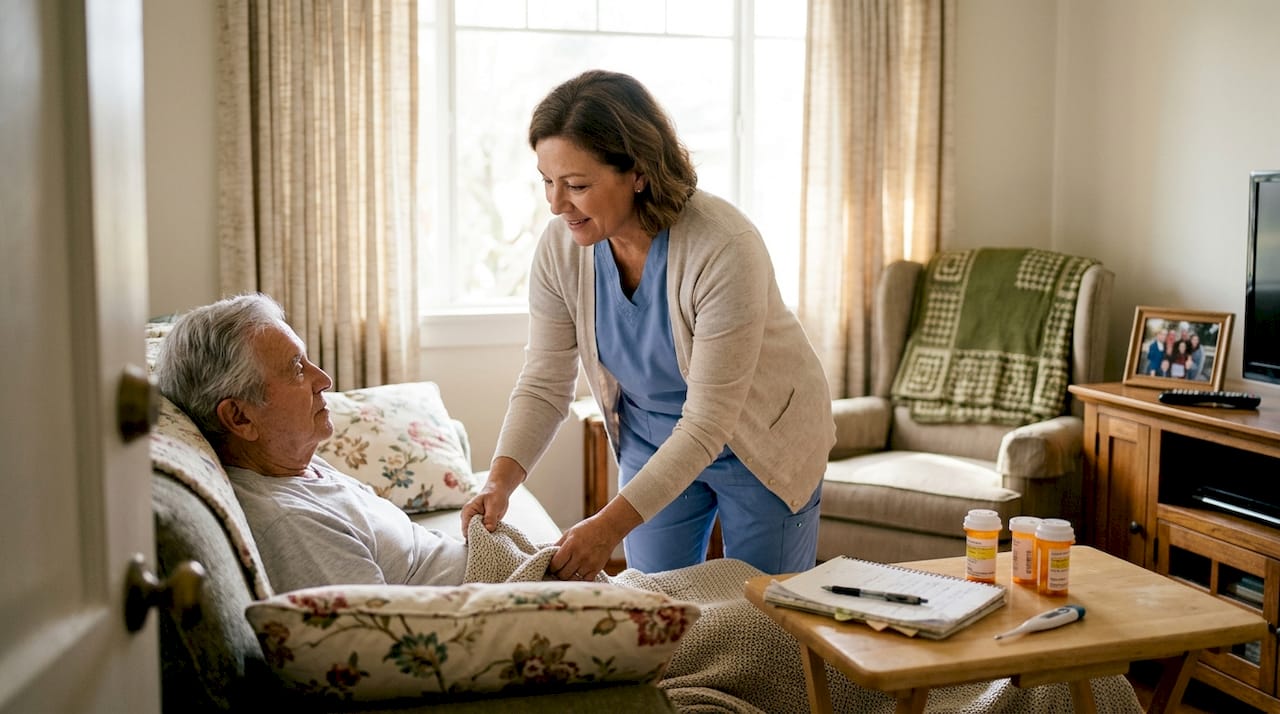
Here is what a strong interdisciplinary team looks like in practice:
- Registered nurses who visit regularly, assess symptoms, and adjust care plans
- Physicians who oversee medical decisions and maintain open communication with families
- Home health aides who assist with bathing, grooming, and daily comfort
- Social workers who help families navigate emotional, financial, and logistical challenges
- Chaplains who offer spiritual support regardless of religious background
- Volunteers who provide companionship and respite for caregivers
Beyond the team, quality care means 24/7 on-call availability so you are never left alone during a crisis at 2 a.m. It also means covered supplies and medications related to the hospice diagnosis, delivered directly to the home.
Insurance coverage matters too. Medicare and Medi-Cal cover two initial 90-day periods of care, followed by unlimited 60-day periods, as long as the patient continues to meet eligibility criteria. Understanding this structure helps families plan without fear of unexpected costs.
For families seeking compassionate at-home support, knowing the comfort care visit workflow in advance reduces anxiety and helps you ask the right questions when evaluating providers.
Pro Tip: Ask any prospective provider how they handle after-hours emergencies and what their average response time is. A provider who hesitates or gives a vague answer may not be the right fit.
You can also cross-reference providers against published California hospice benchmarks to see how they measure up statewide.
Top compassionate care practice options in California hospice
Now that you know the qualities to look for, let’s explore the most effective compassionate care practices available to families in California.
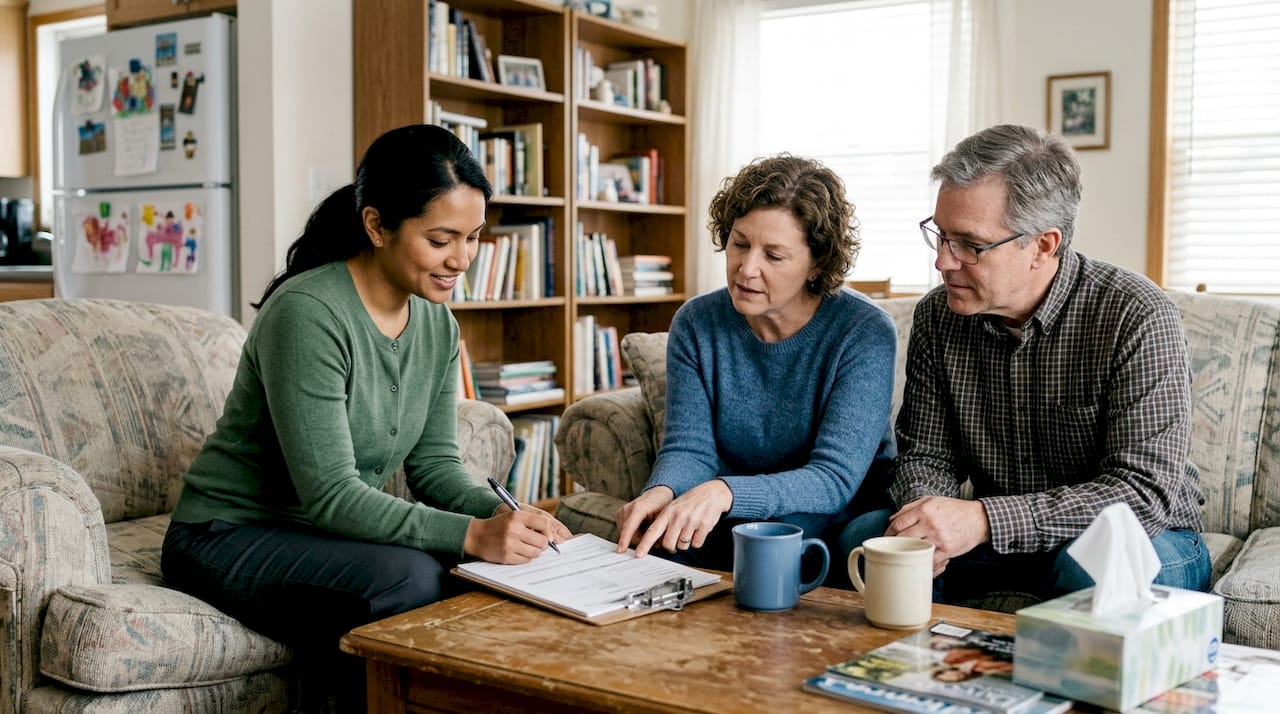
California is home to 2,297 hospice providers, with an average family satisfaction rating of 3.1 out of 5. That number tells an important story. It means many families are receiving care that falls short of what they deserve. The best providers distinguish themselves through specific, consistent practices.
Here are the top care practices ranked by their impact on family satisfaction and patient comfort:
- Individualized pain and symptom management. No two patients experience the same symptoms. Leading providers create personalized protocols that adapt as the patient’s condition changes. Learn more about managing pain and symptoms in a home setting.
- Family counseling and emotional support. Grief does not begin at death. Families need structured emotional support throughout the hospice journey, not just after a loss.
- Spiritual and cultural care. Chaplains who respect diverse traditions and rituals provide enormous comfort. The importance of spiritual care is often underestimated by families until they experience it firsthand.
- Regular physician and nurse visits. Consistency matters. Families who see the same faces regularly report higher trust and lower anxiety.
- Caregiver education and support meetings. The caregiver’s role in compassionate care is central, and providers who invest in teaching caregivers practical skills reduce burnout and improve outcomes.
- Home environment adaptations and supply delivery. Hospital beds, medications, wound care supplies, and mobility aids delivered to the home remove logistical burdens from families.
Data on home hospice discharge rates across California shows that ethnicity-aligned care and home-based discharge are strongly correlated with higher satisfaction. Providers who reflect the cultural backgrounds of their patients consistently outperform those who do not.
Pro Tip: During your initial consultation, ask the provider how they customize care for your loved one’s cultural background and language preferences. A thoughtful, specific answer signals genuine commitment.
Comparison of compassionate care providers and practices
After examining individual practices, here’s how California’s hospice organizations and their care options stack up side by side.
| Care feature | Strong providers | Average providers |
|---|---|---|
| Family satisfaction rating | Above 3.5/5 | Below 3.1/5 |
| 24/7 on-call availability | Always available | Limited hours |
| Interdisciplinary team | Full team, regular visits | Partial team, infrequent visits |
| Cultural and language alignment | Proactive matching | Not prioritized |
| Caregiver education | Structured, ongoing | Minimal or reactive |
| Home discharge rate | High | Variable |
Family ratings in California improved by 0.3 over three years, which shows the sector is moving in the right direction. However, the same research flagged that over 280 provider licenses were revoked for fraud, with exceptionally high growth in suspicious enrollment in the Los Angeles sector.
Fraud in hospice care is a serious and growing concern. Warning signs include:
- Aggressive or unsolicited enrollment outreach
- Providers who cannot clearly explain their team structure
- Ghost patients: billing for patients who are not receiving actual care
- Shell companies with no verifiable history or reviews
- Recent license revocations, which you can check through California’s licensing database
“The best protection against hospice fraud is an informed family. Ask questions, verify credentials, and trust your instincts if something feels off.”
For families exploring the benefits of at-home hospice, understanding the role of hospice aides in home care can also help you assess whether a provider’s staffing model is genuinely patient-centered. If you suspect elder neglect or fraudulent practices, elder neglect resources offer guidance on reporting and support.
Situational recommendations for families and caregivers
Finally, let’s zero in on situations when compassionate care needs special consideration or expert advice.
Not every hospice situation is straightforward. Some families face edge cases that require extra knowledge and careful planning. Caregiver burden, ambulance use, physician end-of-life discussions, and provider stances on the End of Life Option Act (EOLOA) are all key variables that affect family satisfaction and the quality of dying.
Here are specific situations where you need to be especially informed:
- Social withdrawal. When a patient becomes less communicative, families sometimes panic and call 911. Ambulance transport to an emergency room can interrupt hospice care and cause unnecessary distress. Knowing what to expect prevents this.
- Bowel and appetite changes. These are normal parts of the dying process. A good hospice team prepares caregivers in advance so these changes do not feel alarming.
- DNR and POLST forms. A Do Not Resuscitate order and a Physician Orders for Life-Sustaining Treatment form protect your loved one’s wishes. Ensure these are signed, visible, and understood by everyone in the home.
- Caregiver burnout. Families who feel unsupported are less satisfied with care overall. Proactive caregiver support in hospice reduces this risk significantly.
- Cultural and religious variations. Some families have specific rituals, dietary needs, or beliefs about death that must be honored. Providers who take a neutral, respectful stance serve these families best.
- EOLOA access. California’s End of Life Option Act gives eligible patients the right to request aid-in-dying medication. However, access to these medications can be refused by individual providers. If this matters to your family, ask directly before enrolling.
Pro Tip: Integrate palliative care conversations early, ideally before a crisis forces the decision. Families who plan ahead report significantly higher satisfaction with the overall hospice experience. Review the full home hospice workflow so you know what to expect at each stage.
Our perspective: Authentic compassionate care takes vigilance and early planning
Having explored the practical, situational, and comparative aspects of home hospice, here is what our experience and the evidence suggest for families in California.
The single most common mistake families make is waiting too long. Hospice is often enrolled in the final days of life, when it could have been providing comfort and structure for weeks or months. Early integration of compassionate care, including regular end-of-life conversations and managing symptoms before they become crises, changes the entire experience for both patients and families.
We also believe that vigilance in provider selection is not optional. With over 280 license revocations in recent years, California’s hospice market requires families to ask hard questions. A rating above 3.5, a full interdisciplinary team, and transparent practices are not bonus features. They are the minimum standard.
Cultural sensitivity is another area that deserves more attention than it typically receives. A provider who truly reflects your family’s values and traditions offers something that no amount of clinical skill alone can replace. Family readiness, meaning the emotional and logistical preparation of everyone involved, is ultimately the most critical factor in a dignified, peaceful experience.
Connect with trusted compassionate hospice care options
If you are ready to explore evidence-based, compassionate home hospice care, connecting with a trusted team makes all the difference. At Graceland Hospice, our hospice care services are built around the values this article describes: a full interdisciplinary team, cultural sensitivity, 24/7 availability, and genuine family support. We invite you to explore our hospice care offerings and see how we approach every patient with the dignity they deserve. Whether you are just beginning to research options or ready to make a decision, our Orange County hospice team is here for a free, no-pressure consultation. Reach out today.
Frequently asked questions
What defines compassionate care in California home hospice?
Compassionate care focuses on comfort and dignity, delivered by an interdisciplinary team with tailored symptom management, emotional support, and ongoing family education. It is grounded in California’s hospice regulations and centers the patient’s quality of life above all else.
How can I avoid hospice fraud when selecting a provider?
Look for transparent practices, regular visits, and ratings above 3.5; beware of aggressive enrollment and review recent license revocations in California before signing anything.
Which expert practices most improve family satisfaction?
Regular physician visits and end-of-life discussions, combined with caregiver education and spiritual support, yield the highest satisfaction scores among California hospice families.
How does insurance coverage for California home hospice work?
Medi-Cal and Medicare cover two initial 90-day periods followed by unlimited 60-day periods, including at-home supplies, medications, and regular team visits for eligible patients.
Recommended
- Role of Caregivers in Hospice – Making End-of-Life More Compassionate | Graceland Hospice Care Blog
- Emergency care in hospice: a guide for California families | Graceland Hospice Care Blog
- End of Life Care Guide for Compassionate At-Home Support | Graceland Hospice Care Blog
- Role of Hospice Aides – Impact on Home Care | Graceland Hospice Care Blog
- Understanding Palliative Care: A Holistic Approach to Serious Illness with Dr. John Horton