Benefits of in-home care: comfort and dignity for CA families
Benefits of in-home care: comfort and dignity for CA families
TL;DR:
- In-home hospice provides personalized, comforting end-of-life care in familiar settings for eligible patients.
- It emphasizes dignity, family participation, and aligns treatment with patient preferences.
- Most costs are covered by Medicare or Medi-Cal, making it a practical, cost-effective choice.
Choosing hospice care for a terminally ill loved one is one of the hardest decisions a family can face. The weight of that choice, combined with the fear of making the wrong call, can feel overwhelming. Yet for many California families, in-home hospice care has proven to be a deeply meaningful path, one that centers comfort, preserves dignity, and keeps loved ones surrounded by familiar faces and places. This article walks you through what in-home hospice actually provides, who qualifies, how it compares to facility care, and what to look for when making this important decision.
Table of Contents
- Understanding in-home hospice care: Key features and who qualifies
- How in-home care supports patient comfort and dignity
- Cost effectiveness and practical savings of home-based hospice
- Comparing home hospice to other care options: What families should know
- Our perspective: What most guides miss about in-home hospice in California
- How Graceland Hospice Care supports California families at every step
- Frequently asked questions
Key Takeaways
| Point | Details |
|---|---|
| Comprehensive support | In-home hospice provides medical, emotional, and spiritual care for patients and families. |
| Cost savings | Medicare and Medi-Cal cover nearly all hospice costs, making home care affordable for eligible California families. |
| Preserving comfort and dignity | Home settings allow for greater comfort, personal choice, and privacy during end-of-life care. |
| Key differences with facilities | Home hospice is usually preferred, but facilities offer solutions for complex or crisis care situations. |
| Importance of early planning | Starting care early improves quality of life and helps families better navigate hospice services. |
Understanding in-home hospice care: Key features and who qualifies
In-home hospice care is not simply a medical service delivered to your doorstep. It is a coordinated approach to end-of-life support that wraps around both the patient and the family. Understanding its structure helps you know what to expect and how to ask for what you need.
The care team typically includes registered nurses, certified nursing aides, licensed social workers, chaplains, and trained volunteers. Together, they address physical, emotional, and spiritual needs. You can explore examples of hospice services to get a clearer picture of what each team member contributes.
Here is what in-home hospice generally covers:
- Nurse visits for pain assessment and medication management
- Aide support for bathing, grooming, and daily comfort
- Social worker services for family counseling and care planning
- Chaplain visits for spiritual care matched to your beliefs
- 24/7 phone access to a nurse for urgent guidance
- Medications and medical equipment related to the terminal diagnosis
According to California’s Medi-Cal hospice guidelines, interdisciplinary team visits, pain management, emotional and spiritual support, and medications are all provided at no family cost under Medicare or Medi-Cal for eligible patients.
To qualify, a physician must certify that the patient has a terminal illness with a prognosis of six months or less if the illness follows its expected course. The patient must also agree to forgo curative treatment for that illness. In California, 76% of hospice discharges are to home settings, and Medicare and Medi-Cal cover 100% of illness-related services for eligible patients.
One important detail many families overlook: hospice does not provide 24/7 bedside care under standard benefit periods. Continuous care is only available during a documented medical crisis. For families who need overnight support outside of crisis, private arrangements may be necessary. Knowing this upfront prevents surprises.
“Hospice is not giving up. It is choosing a different kind of care, one that focuses on living as fully as possible for the time that remains.”
Pro Tip: Before your first hospice team meeting, write down your top five questions about what is and is not covered. Ask specifically about overnight care, medication delivery timelines, and how to reach someone at 2 a.m. Getting clarity early sets a stronger foundation for the weeks ahead. For families managing caregiver stress, therapy for caregivers can be a valuable parallel resource.
How in-home care supports patient comfort and dignity
Qualifying for in-home care is just the first step. The real value comes in how it shapes the final chapter of life.
One of the most powerful aspects of home hospice is that it allows your loved one to remain in a space they know and love. Their own bed, their own kitchen smells, their own view from the window. These details matter more than most clinical settings acknowledge. The interdisciplinary team delivers tailored symptom management, with pain control as the top priority, and that care is shaped around the patient’s preferences, not a hospital schedule.
Families often describe a shift in atmosphere once home hospice begins. Instead of rushed clinical interactions, there is time. Time for conversation, for music, for prayer, for silence.
Here are tangible ways dignity and comfort are preserved at home:
- Personal routines are honored, including preferred meal times, bathing schedules, and rest patterns
- Visitors are welcomed without restriction, including children and pets
- Cultural and religious traditions are respected and incorporated into care planning
- Clothing and personal items remain familiar rather than replaced by hospital gowns
- Family members participate in care at the level they feel comfortable
The hospice nurse plays a central role in this process. Learning about the role of the hospice nurse helps families understand how these professionals balance clinical expertise with genuine compassion.
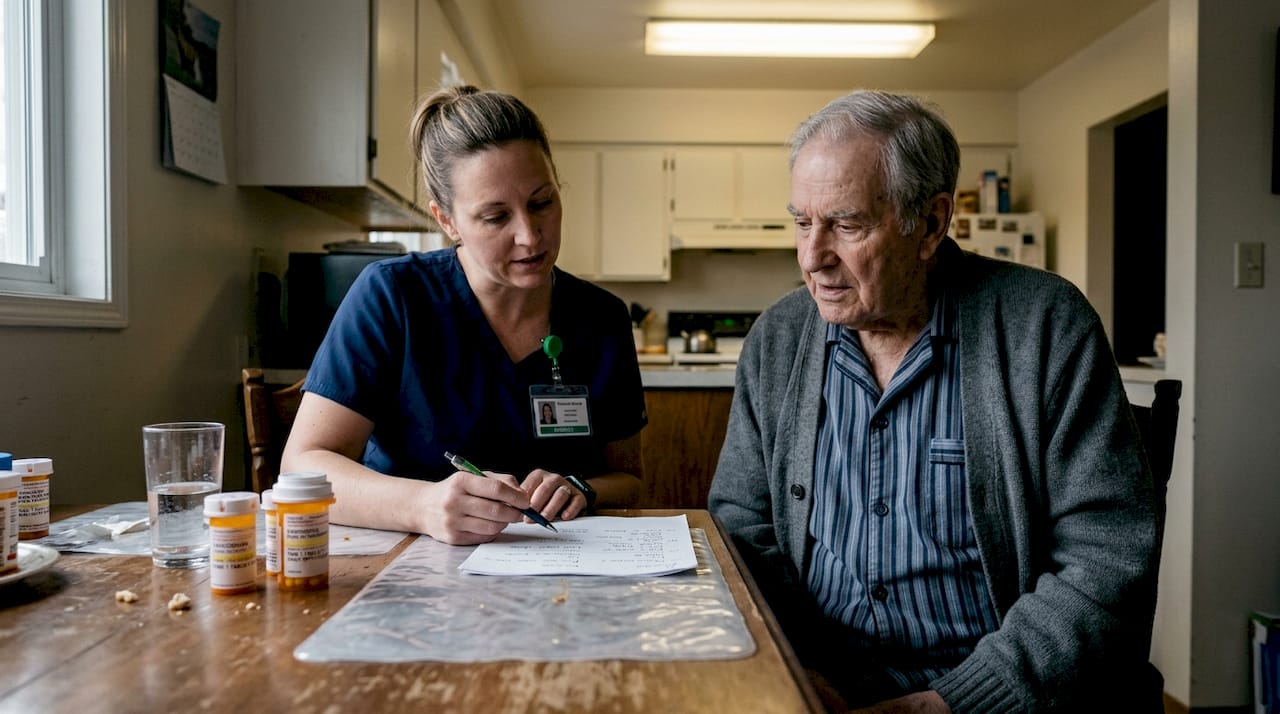
Chaplains and counselors provide emotional and spiritual support that is matched to the family’s values, whether that means prayer, meditation, life review conversations, or simply being present. Caregivers themselves also benefit. Resources like caregiver therapy can help family members process grief while still providing care.
For families wanting to understand managing pain and symptoms more deeply, the hospice team is your best guide. Do not hesitate to request specific comforts, whether that is a particular type of music, a favorite blanket, or a specific visiting schedule. These requests are not small. They are the heart of dignified care.
Cost effectiveness and practical savings of home-based hospice
Beyond comfort, home care brings practical benefits that families notice in both their bills and their daily lives.
The financial reality of end-of-life care can be frightening. Hospital stays, emergency interventions, and specialist visits add up quickly. Home hospice changes that equation significantly. Research shows that home care recipients are three times more likely to die in the community, with 35 to 50% lower hospitalization odds and meaningfully lower total costs compared to hospital-based care.
| Care setting | Typical cost driver | Hospitalization risk | Patient preference met |
|---|---|---|---|
| In-home hospice | Covered by Medicare/Medi-Cal | 35-50% lower odds | High |
| Inpatient facility | Room, staffing, interventions | Standard | Moderate |
| Hospital | Procedures, specialist visits | Highest | Low |
California’s hospice landscape reflects this value. The state accounts for $3.35 billion in Medicare hospice spending, with a median hospice length of stay of 31 days and an average of 93 days. Families who enroll earlier benefit from more coordinated care and greater total savings.
The biggest savings come from early admission and consistent use of home visits rather than emergency rooms. When the hospice team manages symptoms proactively, there is simply less reason to call 911. You can read more in our compassionate home care guide for practical steps on getting started.
Pro Tip: If your loved one needs more hands-on overnight support than standard hospice covers, budget for a private home health aide during non-crisis periods. Ask your hospice social worker for referrals to affordable local options before you need them urgently.
For families still weighing their options, understanding why families choose at-home hospice can help clarify whether this path fits your situation.
Comparing home hospice to other care options: What families should know
Having reviewed both the benefits and savings, the choice between home and facility care depends on specific needs.
Routine home care makes up over 95% of hospice claims in California, reflecting a strong preference for staying home. But facility care exists for important reasons, and understanding both helps families plan honestly.
| Factor | Home hospice | Facility care |
|---|---|---|
| Environment | Familiar, personal | Clinical, structured |
| Cost | Largely covered | Higher out-of-pocket |
| Family role | Active, central | Supportive, visiting |
| Flexibility | High | Moderate |
| Typical outcome | Higher home death rate | Better for acute crises |
Families most often choose home hospice when:
- The patient strongly prefers their own home
- Family members are available and willing to assist
- Symptoms are manageable without intensive clinical intervention
- Cultural or religious traditions are best honored at home
Facility care may be the better fit when:
- Symptoms require around-the-clock clinical monitoring
- Family caregivers are unavailable or overwhelmed
- The home environment is not safe or suitable
- A sudden decline requires immediate medical response
It is worth noting that sudden deterioration, waitlists, and transfer delays can lead to hospital deaths even when home care was the stated preference. Realistic planning for these edge cases is essential. Reviewing the hospice visit workflow and understanding end-of-life care steps can help families prepare for transitions before they become emergencies.
Our perspective: What most guides miss about in-home hospice in California
Most articles about in-home hospice focus on its benefits, and those benefits are real. But our experience working with California families reveals a more complicated picture that deserves honest attention.
Families are often surprised by the gap between what hospice covers and what daily caregiving actually demands. Standard hospice does not include a full-time aide sleeping in the next room. It does not cover every moment of uncertainty at 3 a.m. That burden falls on family members, and it is heavier than most people anticipate.
The families who navigate this best are the ones who plan early. Enrolling in hospice sooner rather than later means better pain management expertise, more time to build a relationship with the care team, and greater access to support resources before a crisis hits.
We also encourage families to reframe what hospice means. It is not a signal that hope is gone. It is a deliberate choice to redirect energy toward quality of life. The earlier that shift happens, the more meaningful the time becomes. Have honest conversations with your hospice team about what you can realistically handle, and ask for help before you reach your limit.
How Graceland Hospice Care supports California families at every step
If you’re considering home hospice, here’s how Graceland Hospice Care can help.
At Graceland Hospice Care, we bring deep expertise in home-based hospice services across California, with specialized support for families in Orange County and surrounding communities. Our interdisciplinary team is built around your loved one’s comfort, dignity, and personal wishes, not a one-size-fits-all approach. From your first call to your last day of need, we are here to guide you through every decision with compassion and clarity. Explore our full range of comprehensive hospice services or connect with our Orange County hospice team to schedule a free consultation. You do not have to navigate this alone.
Frequently asked questions
Who pays for in-home hospice care in California?
Medicare and Medi-Cal cover 100% of hospice costs for eligible patients with a terminal illness prognosis, meaning most California families pay nothing out of pocket for covered services.
What does in-home hospice care include?
In-home hospice covers nurse visits, pain and symptom management, emotional and spiritual care, medications, and equipment, all delivered at home by an interdisciplinary team at no cost to eligible families.
How does home hospice compare to facility care?
Home hospice offers greater comfort and personal control in a familiar environment, while facility care is better suited for acute medical crises or situations where home care is not feasible due to complex needs or caregiver limitations.
Are there any services not covered by hospice care?
24/7 bedside caregiving is only available during documented crisis care periods; continuous overnight aide support outside of crisis situations typically requires private pay arrangements.
How long can someone receive in-home hospice care?
Under Medicare and Medi-Cal, patients may receive hospice through two 90-day and unlimited 60-day benefit periods, as long as a physician continues to certify eligibility based on the terminal prognosis.
Recommended
- Why Choose At-Home Hospice for Orange County Families | Graceland Hospice Care Blog
- Emergency care in hospice: a guide for California families | Graceland Hospice Care Blog
- Role of Hospice Aides – Impact on Home Care | Graceland Hospice Care Blog
- Why Hospice at Home Matters for Families | Graceland Hospice Care Blog
- Home ear care visits: benefits for Glasgow & Edinburgh