Practical palliative therapies for home care in 2026
Practical palliative therapies for home care in 2026
Choosing the right palliative therapies for your terminally ill loved one at home can feel overwhelming. You want to ease their suffering and improve their quality of life, but the array of options, medical terminology, and coordination requirements create confusion. This guide cuts through the complexity by explaining practical therapy choices, comparing their effectiveness, and showing you how to access compassionate care that truly works in your California home.
Table of Contents
- How To Choose Palliative Therapies: Key Selection Criteria
- Examples Of Common Palliative Therapies
- Comparison Of Palliative Therapy Options
- Coordinated Care And Therapy Delivery
- Home Delivery Of Palliative Therapies
- Summary Comparison And Situational Recommendations
- Explore Compassionate End-Of-Life Care Options With Graceland Hospice Care
- Frequently Asked Questions About Palliative Therapies
Key takeaways
| Point | Details |
|---|---|
| Selection depends on individual needs | Therapy choice must match symptoms, patient goals, and what’s feasible in your home setting. |
| Multiple therapy types available | Options include medication, physical treatments, emotional support, and complementary approaches that work together. |
| Coordinated teams improve outcomes | Interdisciplinary care reduces hospital admissions by 30% and eases caregiver stress. |
| Home delivery is practical | Nursing visits, medication delivery, and telehealth make therapies accessible without leaving home. |
| Comparison guides smart choices | Understanding effectiveness, side effects, and costs helps you tailor care to your loved one’s unique situation. |
How to choose palliative therapies: key selection criteria
Your therapy decisions should start with understanding your loved one’s specific situation. Effective palliative care requires assessment of symptoms and goals to guide therapy choice, so begin by identifying the most distressing symptoms: Is it pain, nausea, breathing difficulty, or emotional distress? Different symptoms respond better to specific treatments.
Next, consider practical home factors. Can therapies be administered safely by family members, or do you need professional visits? Some treatments require specialized equipment or training, while others integrate easily into daily routines. Our end-of-life care guide for compassionate at-home support walks you through these practical considerations.
When evaluating therapy options, ask these essential questions:
- What side effects might occur, and can we manage them at home?
- Does the therapy align with your loved one’s values and comfort preferences?
- How much caregiver time and training does administration require?
- What does insurance cover, and what are out-of-pocket costs?
- Can the therapy be adjusted or stopped if it’s not helping?
Pro Tip: Keep a daily symptom journal noting severity, timing, and what provides relief. This record helps your palliative team tailor therapies precisely to your loved one’s patterns and needs.
The role of caregiver support in hospice cannot be overstated. Your capacity to safely administer treatments, monitor changes, and communicate with the care team directly affects which therapies work best at home. Honest assessment of your abilities and available support prevents overwhelming situations and ensures consistent care quality.
Examples of common palliative therapies
Pharmacological management forms the foundation of symptom control for most patients. Pharmacological treatments like pain medications and therapies alleviate symptoms for most cancer patients, with options ranging from mild analgesics to strong opioids for severe pain. Anti-nausea medications, anti-anxiety drugs, and breathing treatments can be administered orally, through patches, or via small pumps that deliver steady doses.
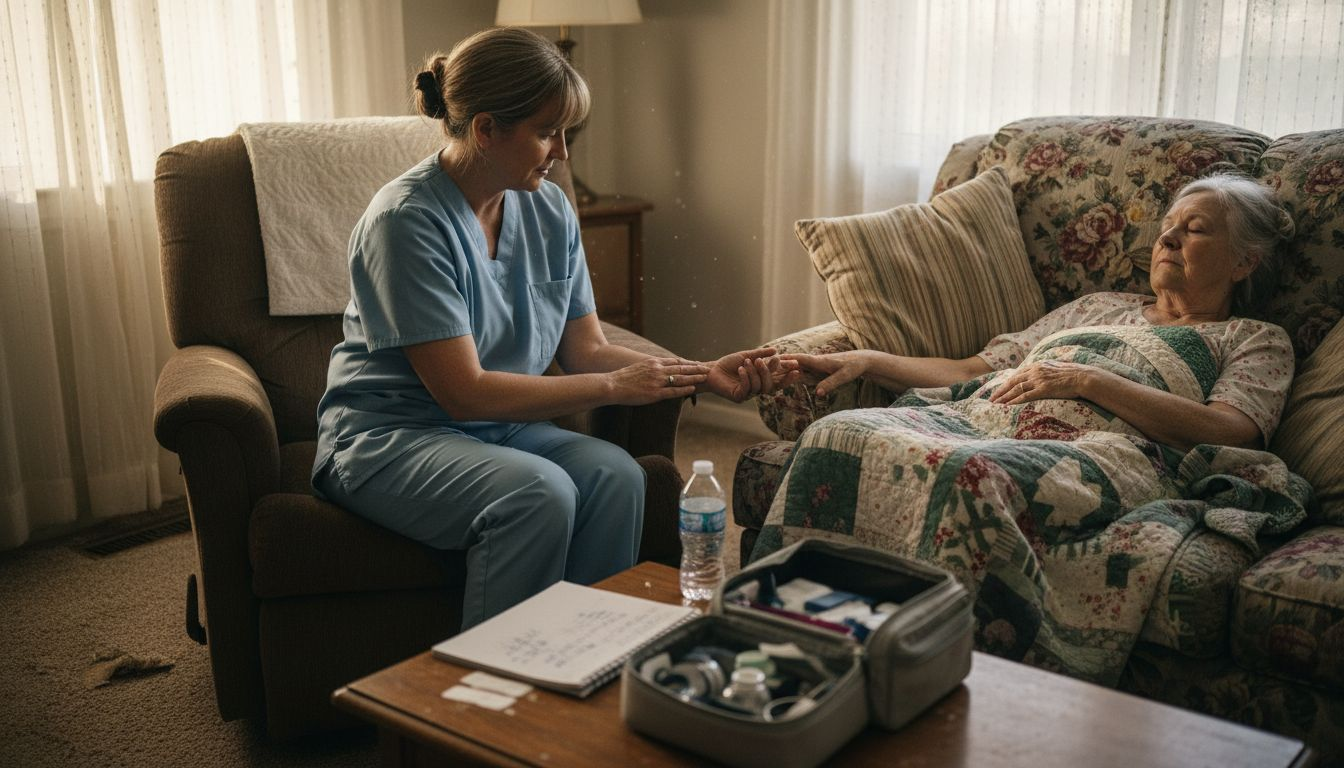
Physical therapies offer powerful relief without heavy medication side effects. Complementary therapies such as acupuncture and massage improve pain and anxiety similarly to mild analgesics, making them excellent additions to medication plans. Gentle stretching, positioning techniques, and heat or cold applications can be learned and applied by family caregivers between professional visits.
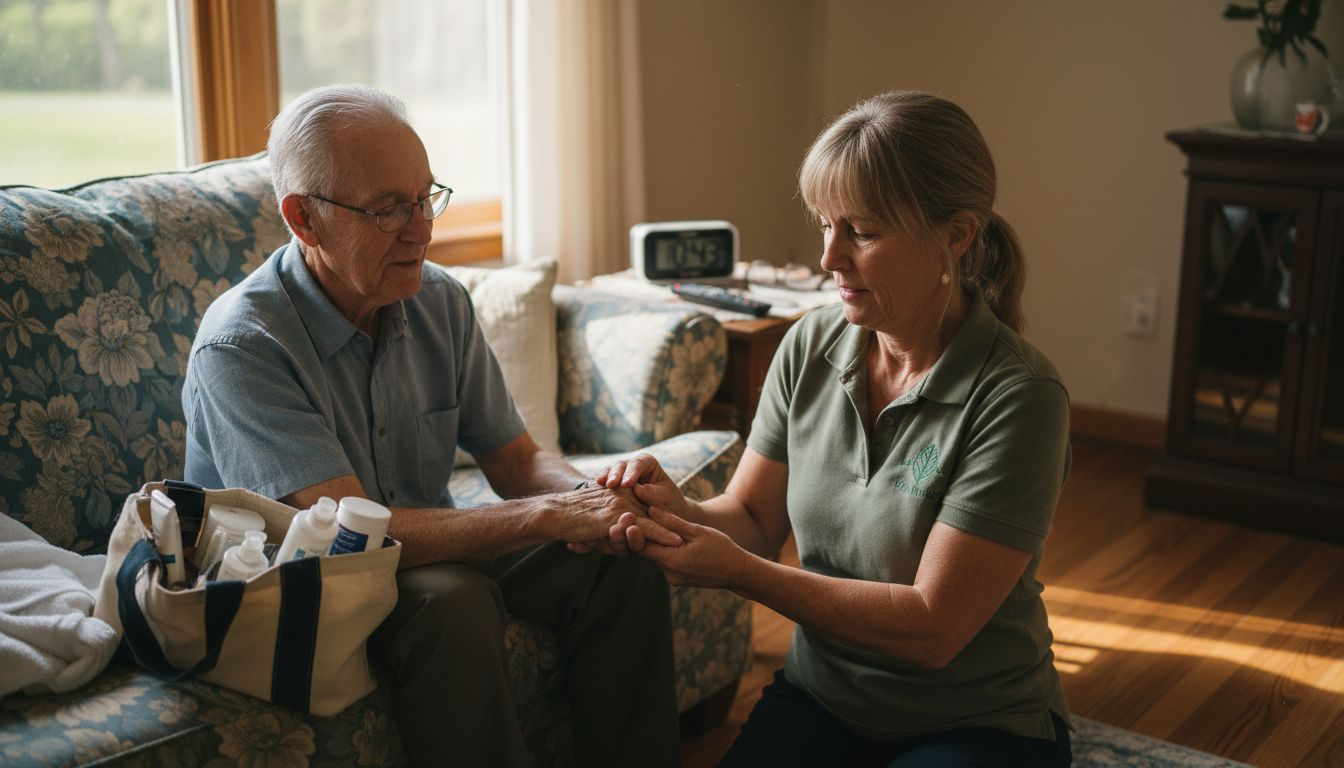
Psychosocial support addresses the emotional and spiritual dimensions of terminal illness. Psychosocial therapies like counseling and spiritual care reduce anxiety and depression significantly, providing crucial comfort when physical symptoms are managed but existential distress remains. Social workers help with practical concerns like advance directives and family dynamics, while chaplains offer spiritual guidance regardless of religious background.
Palliative care teams offer holistic therapies addressing physical, emotional, social, and spiritual needs through coordinated approaches. Music therapy, art therapy, and pet therapy visits create moments of joy and connection. Relaxation techniques, guided imagery, and breathing exercises empower patients to participate actively in their comfort care.
Our guide on types of palliative support for families at home provides detailed descriptions of how these therapies work together in real home settings.
Comparison of palliative therapy options
Understanding the tradeoffs between therapy types helps you make informed choices. Here’s how major options compare:
| Therapy Type | Effectiveness | Invasiveness | Home Feasibility | Typical Cost Range |
|---|---|---|---|---|
| Pain medications | High for most pain types | Low to moderate | High with training | $50 to $300 monthly |
| Anti-nausea drugs | High for chemotherapy and disease-related nausea | Low | Very high | $30 to $200 monthly |
| Massage therapy | Moderate for pain and anxiety | Very low | High with caregiver training | $60 to $120 per session |
| Acupuncture | Moderate for specific pain and nausea | Low | Moderate, requires practitioner visits | $75 to $150 per session |
| Counseling | High for emotional distress | None | Very high via telehealth | Often covered by insurance |
| Spiritual care | High for existential concerns | None | Very high | Usually free through hospice |
| Palliative surgery | High for specific obstructions | High | Low, requires hospital | $5,000 to $50,000+ |
Pharmacological approaches deliver rapid, reliable symptom control but may cause side effects like drowsiness, constipation, or confusion. Adjusting doses and combining medications carefully minimizes these issues while maintaining comfort.
Acupuncture and massage provide relief comparable to low-dose pharmacological options for pain and anxiety. These therapies work well for patients wanting to minimize medication use or experiencing side effects from drugs. The main limitation is requiring trained practitioners to visit your home or patients to travel for treatment.
Psychosocial interventions address needs medications cannot touch. A patient whose pain is controlled may still suffer from fear, isolation, or spiritual distress. Counseling and spiritual care fill this gap with minimal burden and are increasingly available through video calls.
Our article on differences between hospice and palliative care clarifies which services typically include these therapies at no cost to families.
Cost considerations vary widely. Hospice care typically covers all related therapies, while palliative care outside hospice may require insurance authorization or copays. Understanding your coverage before starting treatments prevents financial surprises.
Coordinated care and therapy delivery
Successful palliative therapy rarely happens in isolation. Interdisciplinary teams reduce hospital admissions by up to 30% and improve patient satisfaction by ensuring all aspects of suffering receive attention. Your care team typically includes physicians, nurses, social workers, chaplains, and therapists who communicate regularly about your loved one’s changing needs.
Coordination happens through several key mechanisms:
- Regular team meetings to review symptoms, adjust treatments, and anticipate needs
- Shared electronic records ensuring everyone knows current medications and care plans
- 24/7 nurse phone lines providing guidance between scheduled visits
- Advance care planning that documents goals and preferences to guide all decisions
- Family education sessions teaching medication administration and symptom monitoring
Medication management represents a critical coordination point. Your nurse ensures prescriptions are filled, delivered on time, and adjusted based on effectiveness. They teach you about each medication’s purpose, timing, and side effects to watch for. This guide to coordinated end-of-life care explains the full scope of services teams provide.
Therapy scheduling balances consistency with flexibility. Physical and psychosocial therapies work best with regular sessions, but the team adjusts when your loved one has difficult days. Understanding the hospice visit workflow for home comfort care helps you prepare for and maximize the value of each professional visit.
Pro Tip: Designate one family member as the primary contact for the care team. This person attends all care conferences and communicates updates to other family members, preventing confusion and ensuring consistent information flow.
Clear communication protocols prevent gaps and duplications. Your team should provide contact information for different situations: routine questions, urgent symptom changes, and emergencies. Knowing who to call and when saves precious time during crises.
Home delivery of palliative therapies
Accessing therapies at home is more practical than many families realize. Home-based palliative therapies reduce hospitalizations by 28% and improve quality of life significantly by bringing professional care to familiar, comfortable surroundings.
Home nursing visits provide hands-on symptom assessment and treatment adjustments. Nurses evaluate your loved one’s condition, administer certain medications, provide wound care, and teach you techniques for comfort care. Most hospice programs offer visits at least weekly, with more frequent visits available as needs increase.
Equipment and medication delivery eliminates trips to pharmacies and medical supply stores. Hospice agencies arrange for hospital beds, oxygen concentrators, walkers, and other necessary equipment to be delivered and set up in your home. Medications arrive via courier or pharmacy delivery, often within hours of prescription.
Telehealth services expand access to specialists and provide ongoing monitoring without disrupting your loved one’s rest. Video calls with counselors, dietitians, or physicians supplement in-person visits. Some programs offer remote monitoring devices that transmit vital signs, alerting nurses to concerning changes.
Caregiver training empowers you to provide daily care confidently. Your team teaches:
- Safe medication administration techniques and schedules
- Positioning and transfer methods preventing falls and pressure sores
- Symptom recognition requiring professional assessment
- Comfort measures like massage, breathing exercises, and relaxation
- When and how to contact the care team for guidance
Local California resources enhance home care options. Many communities offer volunteer programs providing respite visits, meal delivery, and transportation assistance. Our articles on at-home hospice care benefits and the caregiver role in home palliative care detail available support services.
Summary comparison and situational recommendations
Putting it all together, here’s how to match therapies to specific situations:
| Symptom or Goal | Recommended Therapy Combination | Why This Works |
|---|---|---|
| Severe pain | Opioid medications plus massage or acupuncture | Drugs provide baseline control while physical therapy addresses muscle tension and anxiety |
| Nausea | Anti-nausea drugs plus acupuncture and dietary counseling | Medication stops acute episodes while complementary approaches prevent recurrence |
| Anxiety and fear | Counseling plus relaxation techniques and possibly anti-anxiety medication | Addresses psychological roots while providing immediate relief tools |
| Shortness of breath | Oxygen therapy plus breathing exercises and positioning | Physical support combines with techniques patients can use independently |
| Spiritual distress | Chaplain visits plus life review and legacy activities | Explores meaning while creating tangible expressions of values and memories |
| Social isolation | Pet therapy, music therapy, and video calls with family | Maintains connections and provides stimulation despite physical limitations |
Effective palliative care combines therapies tailored to patients’ symptoms, goals, and home feasibility for optimal quality of life. Your decisions should flow from honest conversations about what matters most to your loved one: maximum alertness, minimal pain, ability to eat favorite foods, or time with family.
Best therapy selections balance multiple factors:
- Start with the most distressing symptoms and address those first
- Layer complementary therapies to minimize medication doses and side effects
- Include psychosocial support even when physical symptoms are controlled
- Adjust the plan regularly as your loved one’s condition and preferences evolve
- Reserve invasive interventions like palliative surgery for severe symptoms unresponsive to other treatments
Decision-making becomes clearer when you understand your loved one’s priorities. Some patients value alertness over complete pain relief, accepting mild discomfort to remain engaged with family. Others prioritize comfort above all else, accepting sedation if necessary. Neither choice is wrong. The right therapy plan honors these individual values.
Pro Tip: Review the therapy plan weekly with your care team. What worked last month may need adjustment as the disease progresses. Staying flexible and communicating openly ensures your loved one receives optimal comfort throughout their journey.
Our steps for home hospice success guide provides a framework for ongoing care planning and adjustment.
Explore compassionate end-of-life care options with Graceland Hospice Care
Navigating palliative therapy choices becomes much easier with experienced guidance. At Graceland Hospice Care, our interdisciplinary team brings decades of combined experience to your home, tailoring therapy plans that honor your loved one’s unique needs and your family’s circumstances. We coordinate all aspects of care, from medication management to counseling to complementary therapies, ensuring nothing falls through the cracks.
Our hospice care services include comprehensive support for both patients and caregivers. We provide 24/7 access to nurses, regular home visits, all necessary equipment and medications, and emotional support for the entire family. You don’t have to figure this out alone.
Explore our end-of-life care guide for detailed information about what to expect, or review our caregiver support resources to understand how we’ll support you through every step. Contact Graceland Hospice Care today for a free consultation and discover how professional, compassionate care can enhance comfort and dignity in your home.
Frequently asked questions about palliative therapies
What palliative therapies work best for pain at home?
Pain medication forms the foundation, with options from acetaminophen to strong opioids depending on severity. Adding massage therapy or heat application provides additional relief while reducing medication needs. Most families learn to administer oral medications and apply topical treatments effectively with nurse training.
Can we use massage and acupuncture alongside medications?
Absolutely. These complementary therapies enhance medication effectiveness and may allow lower drug doses, reducing side effects. Your palliative team coordinates all treatments to ensure safety and maximize benefits. Many hospice programs include massage therapy visits at no additional cost.
How do we access counseling and spiritual care at home?
Most hospice and palliative care programs include licensed counselors and chaplains on their teams. They visit your home regularly or connect via video calls based on your preference. These services are typically covered by hospice benefits or insurance with no out-of-pocket costs to families.
What if a therapy isn’t helping?
Communicate immediately with your care team. Palliative treatments should provide noticeable benefit within days to weeks. Your team will adjust doses, try different medications, or switch to alternative therapies. The goal is comfort, so persisting with ineffective treatments makes no sense.
How quickly can therapies be started at home?
Most pharmacological and psychosocial therapies begin within 24 to 48 hours of hospice enrollment. Equipment delivery and setup typically happens the same day or next day. Physical therapies like massage may require scheduling a practitioner, taking a few days to a week. Review our types of palliative support for families at home for detailed timelines.