How to create a hospice care plan for your loved one
How to create a hospice care plan for your loved one
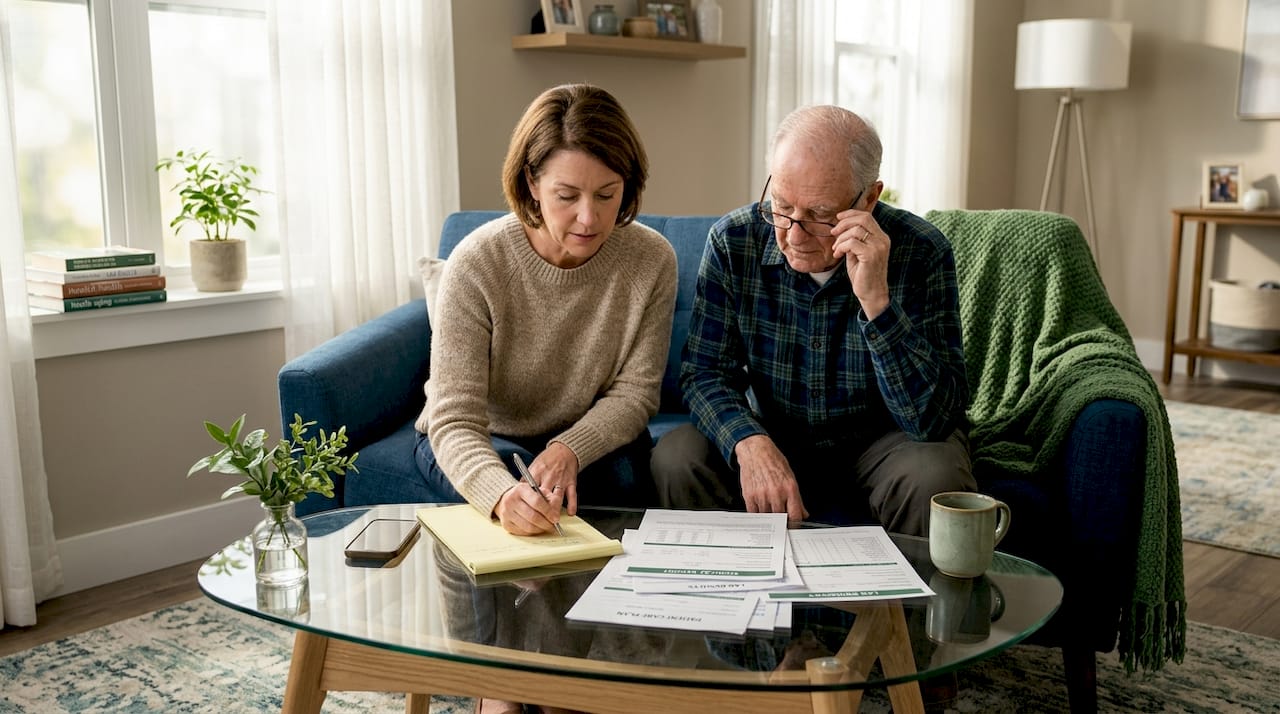
Creating a hospice care plan for your loved one can feel overwhelming when you’re already navigating the emotional weight of end-of-life care. You want to ensure comfort, dignity, and quality moments, but knowing where to start or what to include often leaves family caregivers uncertain. This guide breaks down how to create an effective, personalized hospice care plan in California by walking you through the collaborative team approach, essential steps, and practical checklists. You’ll gain the confidence to support your loved one through this journey with clarity and compassion.
Table of Contents
- Key takeaways
- Understanding hospice care plans and preparation steps
- Step-by-step process to create the hospice care plan
- Adapting and maintaining the hospice care plan over time
- Explore expert hospice care support from Graceland
- Frequently asked questions about creating hospice care plans
Key Takeaways
| Point | Details |
|---|---|
| Interdisciplinary care team | Hospice planning involves a team including registered nurses, physicians, social workers, chaplains, home health aides, and volunteers collaborating with family caregivers. |
| Living document | The hospice care plan is a living document that is updated promptly as the patient’s condition changes to reflect new goals and needs. |
| Physician certification | A physician must certify that the patient’s life expectancy does not exceed six months to qualify for hospice benefits. |
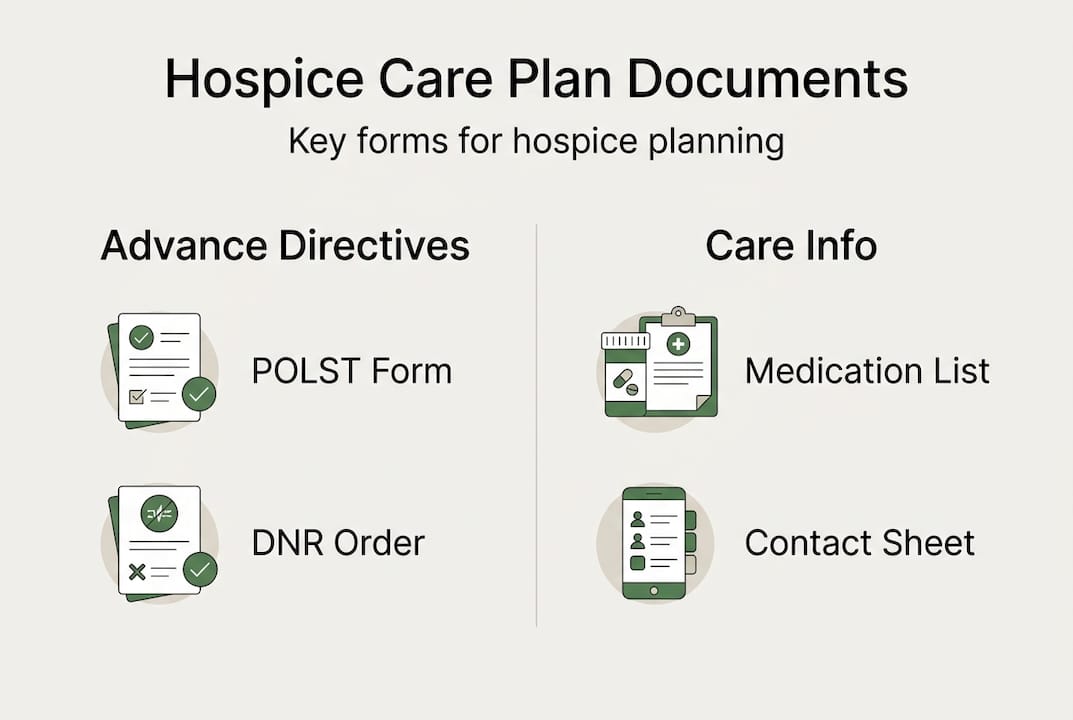
| Prepare key documents | Gather advance directives such as POLST or DNR if applicable, medication lists, insurance information, and the hospice election form before the first planning meeting. |
Understanding hospice care plans and preparation steps
A hospice care plan is a personalized, living document focused on comfort and quality of life rather than curative treatment. It serves as your roadmap for managing symptoms, coordinating care, and honoring your loved one’s wishes during their final months. The plan addresses physical comfort, emotional support, spiritual needs, and practical considerations like medications and equipment.
Before creating the plan, you need a physician to certify that your loved one’s life expectancy does not exceed six months. This certification is required for hospice eligibility and must come from either their attending physician or the hospice medical director. Family caregivers should initiate by discussing with their physician for certification and prepare to participate actively in the interdisciplinary group.
Selecting a Medicare and Medi-Cal certified hospice ensures compliance with California regulations and access to covered benefits. Research local providers, ask about their interdisciplinary team composition, and confirm they serve your geographic area. Understanding how to start hospice care at home helps you navigate initial conversations with confidence.
You’ll join an interdisciplinary group that includes registered nurses, physicians, social workers, chaplains, home health aides, and volunteers. Each professional brings specialized expertise to address different aspects of your loved one’s care. Your role as family caregiver is equally important because you provide daily observations, communicate preferences, and help implement the care plan. The role of caregivers in hospice extends beyond physical tasks to emotional advocacy and decision-making partnership.
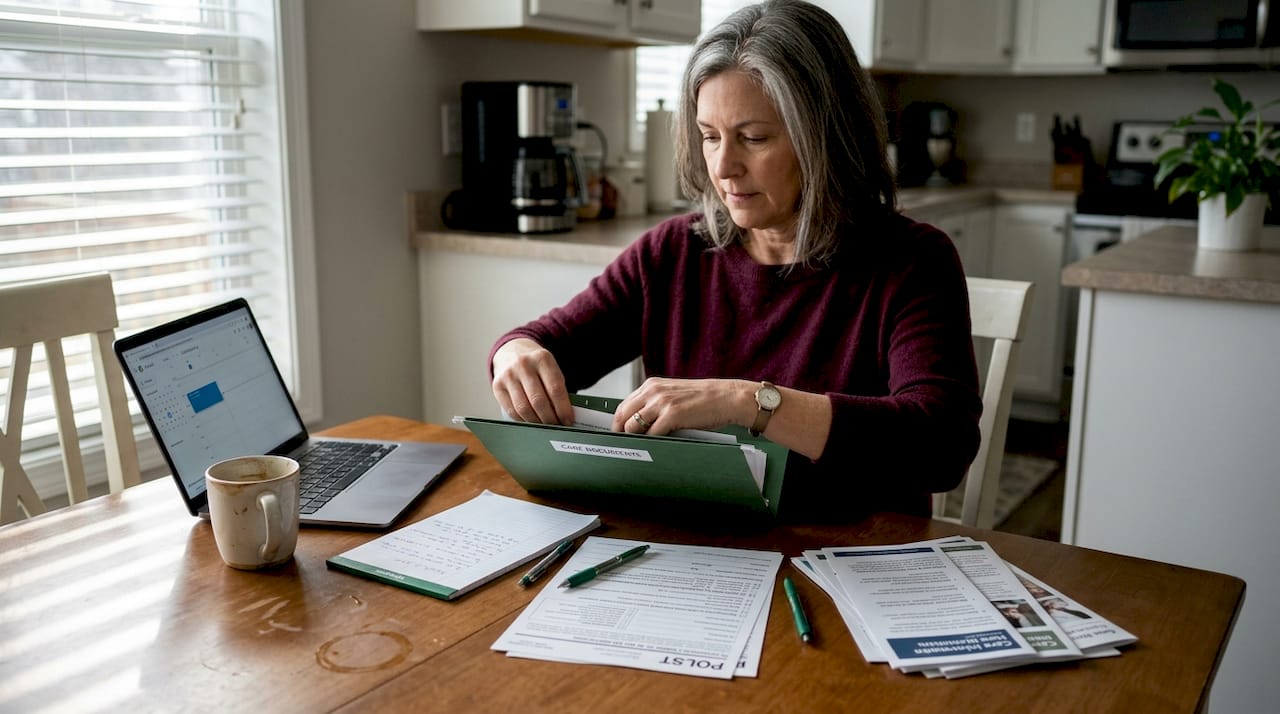
Gather necessary documents before your first planning meeting. You’ll need advance directives like POLST forms, DNR orders if applicable, medication lists, insurance information, and the hospice election form. Having these ready streamlines the process and ensures nothing gets overlooked during emotional conversations.
Pro Tip: Create a dedicated folder for all hospice documents, including the care plan, medication schedules, and contact information for each team member. This central resource saves time during urgent situations and helps coordinate communication.
Step-by-step process to create the hospice care plan
Creating your hospice care plan follows a structured sequence that ensures comprehensive coverage of your loved one’s needs. Each step builds on the previous one to create a complete, actionable document.
-
Conduct comprehensive assessment: The interdisciplinary team evaluates your loved one’s physical symptoms, pain levels, emotional state, spiritual concerns, and social support network. This initial assessment identifies current challenges and establishes baseline measurements for tracking progress.
-
Set personalized goals: Work with the team to define specific, achievable goals that reflect your loved one’s priorities. Common goals include maintaining pain below a certain level, staying at home rather than hospitalized, preserving dignity during personal care, or resolving family relationships.
-
Assemble the interdisciplinary group: Confirm which professionals will participate in ongoing care. Your team typically includes a primary nurse who visits regularly, a physician who oversees medical decisions, a social worker for counseling and resources, a chaplain for spiritual support, and aides for personal care assistance.
-
Document the detailed plan: Key steps include documenting medication protocols, visit schedules, equipment needs, and measurable outcomes. The written plan specifies which medications address which symptoms, frequency of professional visits, durable medical equipment like hospital beds or oxygen, respite care options for caregiver relief, and bereavement support for family members.
-
Schedule regular reviews: Plans must be reviewed every 15 days minimum to assess effectiveness and make necessary adjustments. These reviews examine whether goals are being met, if symptoms are adequately controlled, and whether new needs have emerged.
The documented plan should include specific interventions for each identified need. For example, if pain management is a goal, the plan lists exact medications, dosages, timing, and breakthrough pain protocols. If anxiety is a concern, it might include scheduled chaplain visits, music therapy, or anti-anxiety medications. Core components include symptom management, medications, equipment, family support, and measurable outcomes that allow the team to track progress objectively.
| Care Plan Component | What Gets Documented | Review Frequency |
|---|---|---|
| Symptom management | Pain scale targets, nausea control methods, breathing support strategies | Daily by caregivers, weekly by nurses |
| Medication protocols | Drug names, dosages, schedules, side effects to monitor | Every visit, adjusted as needed |
| Professional visits | Nurse visits 2-3 times weekly, aide visits daily, social worker monthly | Confirmed at each 15-day review |
| Equipment and supplies | Hospital bed, oxygen concentrator, incontinence supplies, wound care materials | Assessed weekly, ordered as needed |
| Family support services | Respite care hours, caregiver training sessions, counseling availability | Discussed at monthly team meetings |
Understanding managing pain and symptoms helps you recognize when interventions are working and when adjustments are needed. The plan should empower you to make minor adjustments within established parameters, like giving breakthrough pain medication, while knowing when to contact the nurse for guidance.
The hospice visit workflow typically includes vital sign checks, symptom assessment, medication review, care technique demonstration, and documentation updates. Each visit contributes data that informs plan revisions and ensures continuity across team members.
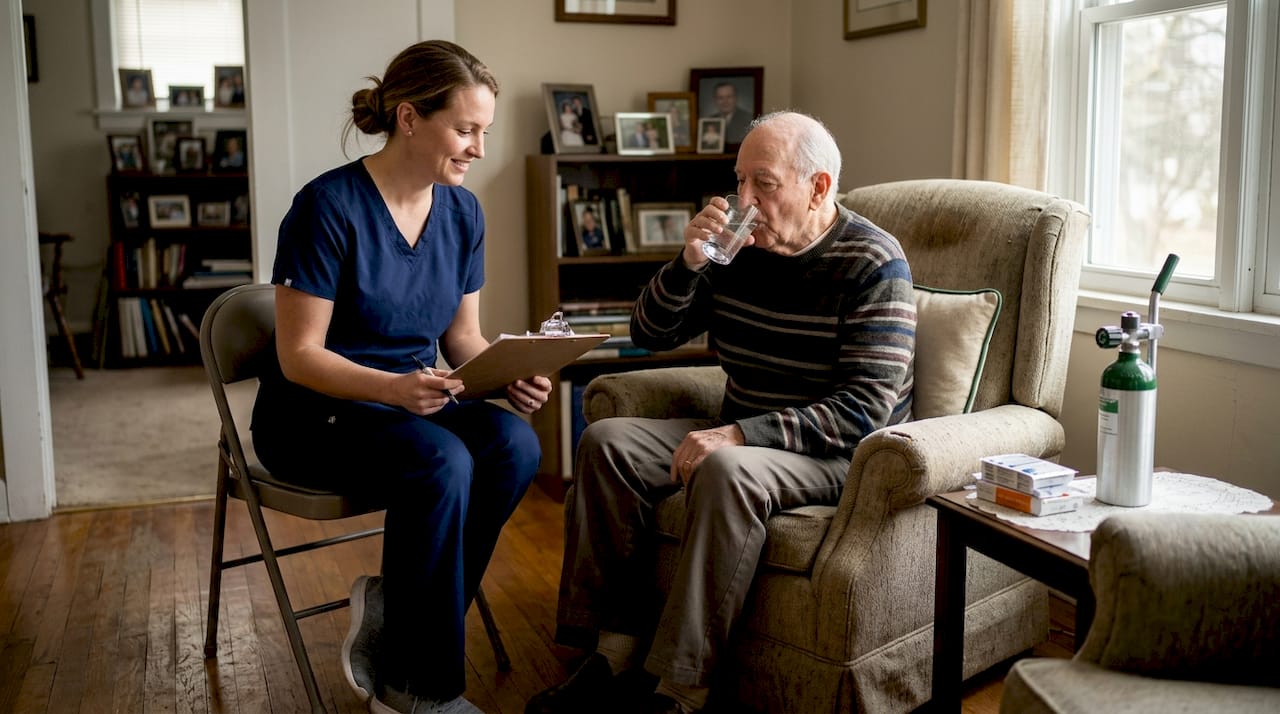
Pro Tip: Keep a daily log of symptoms, medications given, and notable changes in your loved one’s condition. This record becomes invaluable during team meetings and helps identify patterns that might otherwise go unnoticed.
Adapting and maintaining the hospice care plan over time
Your hospice care plan is never static. It must evolve continuously as your loved one’s condition changes, new symptoms emerge, or goals shift. Hospice care plans must be updated promptly with changes and reviewed every 15 days to maintain compliance with California regulations and ensure optimal care quality.
Significant changes trigger immediate plan updates rather than waiting for scheduled reviews. These changes include new pain that existing medications don’t control, sudden decline in function, development of new symptoms like difficulty swallowing, changes in mental status, or family requests to adjust care approaches. Contact your primary nurse immediately when you notice these shifts so the team can respond quickly.
California regulations include specific requirements that affect plan maintenance. When hospice care is provided in a nursing facility or residential care home, the hospice must provide a written care plan to the facility. For pediatric patients under 21 years old, California allows curative care alongside hospice, which means plans must coordinate both comfort measures and disease-directed treatments.
Integrating advance directives early prevents confusion during medical crises. POLST forms specify preferences for CPR, medical interventions, and artificially administered nutrition. DNR orders clarify that resuscitation should not be attempted. These documents should be prominently displayed and copies provided to all team members. Understanding end of life care steps helps you prepare for transitions and ensure wishes are honored.
Common pitfalls to avoid:
- Creating generic plans that don’t reflect individual preferences and needs
- Failing to update the plan when symptoms change or new issues arise
- Not involving family caregivers meaningfully in planning discussions
- Overlooking spiritual or emotional needs in favor of only physical care
- Skipping scheduled reviews because things seem stable
- Neglecting to share plan updates with all team members and family
Common mistakes include incomplete plans and irregular updates, which can compromise care quality and create regulatory compliance issues. Prioritizing advance directives early improves outcomes by ensuring medical decisions align with your loved one’s values.
Different levels of hospice care require different plan elements. Routine home care focuses on regular visits and family caregiver support. Continuous care provides nursing presence during crisis periods. Inpatient care in a hospice facility addresses symptoms too complex for home management. Respite care offers temporary facility placement to give family caregivers a break. Your plan should specify criteria for transitioning between these levels.
| Care Setting | When It’s Used | Plan Adjustments Needed |
|---|---|---|
| Routine home care | Stable symptoms, family caregiver available | Standard visit schedule, caregiver training emphasized |
| Continuous home care | Crisis requiring nursing presence 8+ hours | Increased professional support, crisis medication protocols |
| General inpatient | Symptoms requiring facility resources | Coordination with facility staff, family visitation plans |
| Respite care | Caregiver needs temporary relief | Temporary facility placement, communication protocols |
The emergency care hospice guide helps you distinguish between situations requiring immediate nurse contact versus those manageable with existing plan protocols. Having clear escalation criteria in your plan reduces anxiety and ensures appropriate responses.
Reviewing medication effectiveness regularly prevents unnecessary suffering. If breakthrough pain medications are needed frequently, the baseline pain regimen likely needs adjustment. If anti-anxiety medications cause excessive sedation, alternative approaches like music therapy or massage might work better. Document what works and what doesn’t to inform ongoing refinements.
Family dynamics often shift during hospice care. Adult children may disagree about care approaches, or long-distance relatives may question decisions. Including family communication strategies in your plan helps manage these tensions. Scheduled family meetings with the social worker can address concerns before they escalate into conflicts.
Explore expert hospice care support from Graceland
Creating and maintaining a comprehensive hospice care plan requires expertise, compassion, and ongoing support. Graceland Hospice Care offers exactly this partnership for California families navigating end-of-life care. Our interdisciplinary team collaborates with you to develop personalized care plans that honor your loved one’s dignity while managing symptoms effectively. We handle the complex documentation, coordinate professional visits, and provide 24/7 support when you need guidance. Explore our compassionate hospice care services to learn how we support families through every stage of the hospice journey. Visit Graceland Hospice Care to discover the difference experienced, dedicated professionals make in creating meaningful end-of-life experiences.
Frequently asked questions about creating hospice care plans
What is the first step in creating a hospice care plan?
The first step is obtaining physician certification that your loved one’s life expectancy does not exceed six months. Once certified, you’ll select a Medicare and Medi-Cal certified hospice provider who will conduct a comprehensive assessment of physical, emotional, spiritual, and social needs. This assessment forms the foundation for all subsequent planning.
How often should a hospice care plan be reviewed and updated?
Hospice care plans must be reviewed at least every 15 days by the interdisciplinary team. However, updates should happen immediately whenever your loved one experiences significant condition changes, new symptoms, or shifts in care goals. These frequent reviews ensure the plan remains relevant and effective as needs evolve.
Can hospice care continue if curative treatments are ongoing?
For adults, hospice requires forgoing curative treatments in favor of comfort-focused care. However, California regulations allow pediatric patients under 21 years old to receive both curative treatments and hospice care simultaneously. This exception recognizes the unique considerations in pediatric end-of-life care and family decision-making.
What role do family caregivers play in the interdisciplinary hospice team?
Family caregivers are essential team members who provide daily observations, communicate patient preferences, implement care plan interventions, and advocate for their loved one’s needs. You participate in all planning meetings, help set goals, report symptom changes, and coordinate with professionals. Your insights about your loved one’s personality, values, and comfort are irreplaceable.
Are there special considerations for pediatric hospice care in California?
Yes, California allows children under 21 to continue curative treatments while receiving hospice care, unlike adult hospice which requires choosing comfort care over curative approaches. Pediatric plans must coordinate both treatment types and address unique family support needs. Learn more about hospice planning fundamentals in our understanding hospice care guide.
Recommended
- Home Hospice Care Workflow: A Step-by-Step Guide for Families | Graceland Hospice Care Blog
- Understanding Hospice Care: A Guide for Families | Graceland Hospice Care Blog
- End of Life Care Guide for Compassionate At-Home Support | Graceland Hospice Care Blog
- How to Start Hospice Care for Loved Ones at Home | Graceland Hospice Care Blog