How hospice environments benefit families and patients most
How hospice environments benefit families and patients most
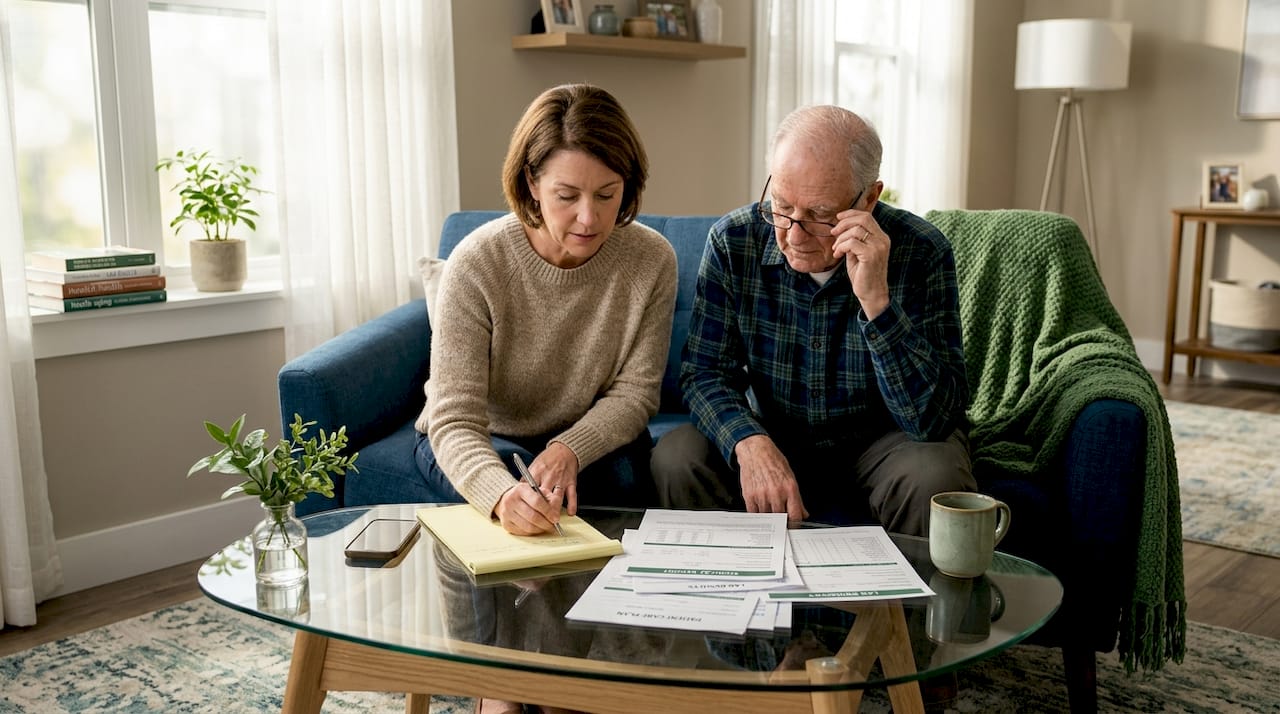
Many families believe that choosing hospice means surrendering hope. That belief, while understandable, is one of the most common and costly misconceptions in end-of-life care. The truth is that hospice enrollment correlates with higher patient satisfaction and, in some cases, longer survival. The hospice environment itself plays a central role in that outcome. From the physical space to the people surrounding your loved one, every element is designed to support comfort, dignity, and connection. This article walks you through what makes hospice environments so powerful and how they benefit both patients and the families who love them.
Table of Contents
- What makes the hospice environment unique?
- Quality of life and comfort: Evidence-backed benefits
- The physical space: Impact of design and environment
- Social support and emotional benefits in hospice
- Who benefits most from hospice, and when to consider it?
- Explore hospice environment benefits for your family
- Frequently asked questions
Key Takeaways
| Point | Details |
|---|---|
| Hospice improves quality | Research shows hospice environments increase comfort, satisfaction, and even length of life for many patients. |
| Physical space matters | Supportive, peaceful settings in hospice reduce stress and enhance well-being for families and patients. |
| Holistic support | Interdisciplinary teams in hospice address medical, emotional, and spiritual needs together. |
| Social connections help | Family, volunteers, and staff support are essential parts of the hospice experience. |
| Early hospice matters | Timely hospice referral maximizes benefits and helps families focus on what truly matters. |
What makes the hospice environment unique?
Understanding what hospice means starts with recognizing a fundamental shift in focus. Rather than pursuing aggressive treatments aimed at curing illness, hospice centers on comfort, dignity, and quality of life. That shift changes everything about how care is delivered and experienced.
The hospice philosophy treats the whole person, not just the diagnosis. Spiritual needs, emotional well-being, and personal wishes are given the same weight as physical symptoms. This holistic approach is what separates hospice from conventional medical settings.
According to the interdisciplinary team model outlined in CMS guidance, hospice care brings together nurses, social workers, chaplains, home health aides, and physicians working as a coordinated unit. Each professional contributes a different layer of support, and together they create a care plan tailored to the individual.
Here is what families can expect from a hospice environment:
- Personalized care plans built around the patient’s values and goals
- 24/7 access to clinical support, even in the middle of the night
- Family involvement as an active part of the care team
- Spiritual and emotional support that respects diverse beliefs and traditions
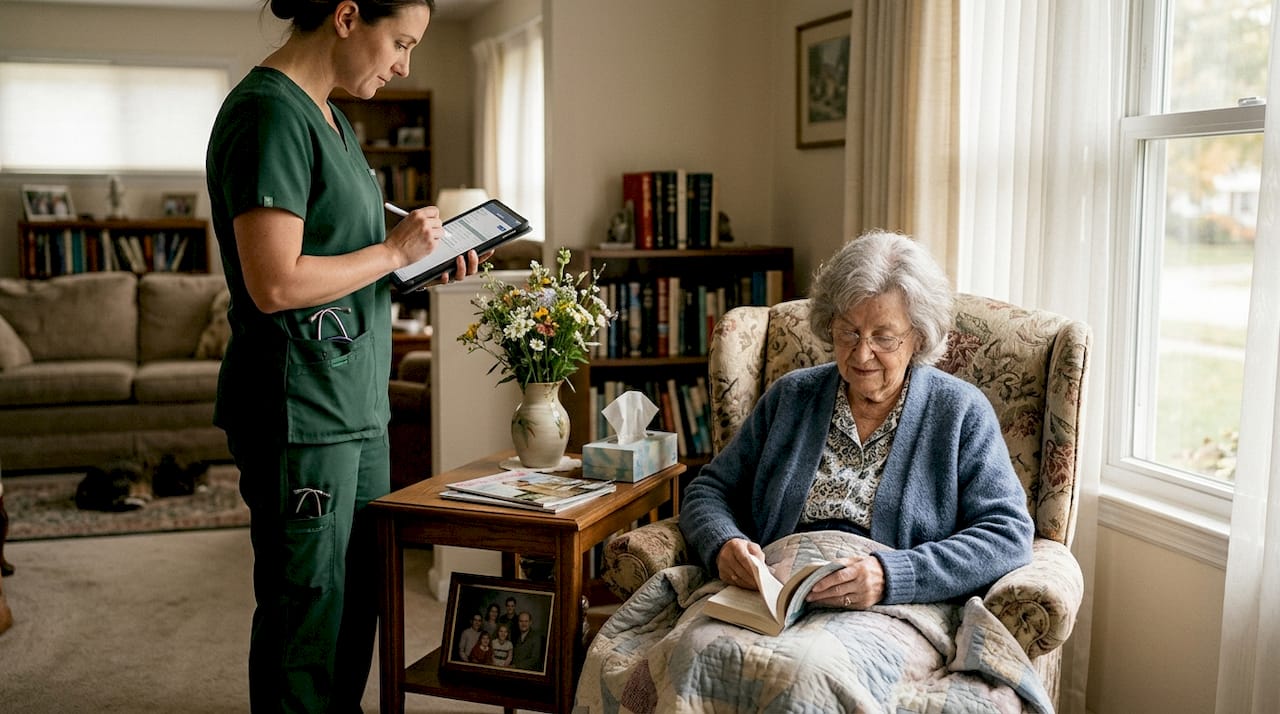
- Flexible settings including home, assisted living, or inpatient facilities
Pro Tip: If your loved one is most comfortable at home, hospice can come to them. The hospice at home benefits are significant, and many families find that familiar surroundings reduce anxiety and improve overall well-being.
Quality of life and comfort: Evidence-backed benefits
With the basics in mind, it is important to understand what families and patients actually gain from hospice enrollment. The research is clear and, for many families, surprising.
Empirical data shows that hospice patients report higher satisfaction, better quality of life, and in some diagnoses, longer survival compared to those who pursue aggressive end-of-life treatment. Pain is better controlled. Emotional distress is lower. Families feel more supported.
“Patients enrolled in hospice experience measurably better symptom management and report significantly higher satisfaction with their care than those receiving standard hospital-based end-of-life treatment.”
Hospice also reduces Medicare costs and overall end-of-life care intensity, meaning families face fewer financial burdens during an already difficult time. Fewer emergency room visits, fewer ICU stays, and less reliance on high-cost interventions all contribute to that reduction.
| Metric | Hospice care | Hospital-based end-of-life care |
|---|---|---|
| Patient satisfaction | High | Moderate to low |
| Pain and symptom control | Consistent and proactive | Reactive and variable |
| Family support services | Included and structured | Limited or unavailable |
| Average end-of-life cost | Lower | Significantly higher |
| ICU or ER visits | Rare | Common |
For families navigating hospice for advanced cancer or other serious illnesses, these differences are not just statistics. They represent real moments of peace, connection, and dignity. And caregiver support in hospice extends beyond the patient, helping family members process grief and avoid burnout.
The physical space: Impact of design and environment
Beyond care teams and philosophy, the environment itself shapes everything from daily experience to measurable outcomes. A noisy, cluttered, or impersonal space can undermine even the best clinical care.
Supportive designs like natural light, quiet rooms, and access to nature views reduce stress and improve patient outcomes. This is not a matter of aesthetics. It is a clinical reality backed by research.
“The physical environment of care directly influences patient stress levels, sleep quality, and overall satisfaction. Spaces designed with comfort in mind produce measurably better outcomes.”
Here are the features that define a truly supportive hospice environment:
- Natural light that supports healthy sleep and mood regulation
- Quiet, calm spaces that reduce sensory overload and anxiety
- Privacy for patients and families to share meaningful moments
- Nature views or outdoor access that provide gentle stimulation and peace
- Personalized touches such as family photos, familiar music, or meaningful objects
| Environmental feature | Present | Absent |
|---|---|---|
| Natural light | Lower stress, better sleep | Disrupted sleep, higher anxiety |
| Quiet surroundings | Improved comfort and rest | Increased agitation and distress |
| Privacy | Stronger family connection | Reduced emotional expression |
| Nature access | Greater sense of calm | Feelings of confinement |
Understanding the comfort care process helps families know what to look for when evaluating a hospice setting. The right environment is not a luxury. It is a core part of quality care.
Social support and emotional benefits in hospice
Even with great medical care and a well-designed environment, social support is the foundation for a positive hospice experience. Isolation is one of the greatest sources of suffering at the end of life, for patients and families alike.
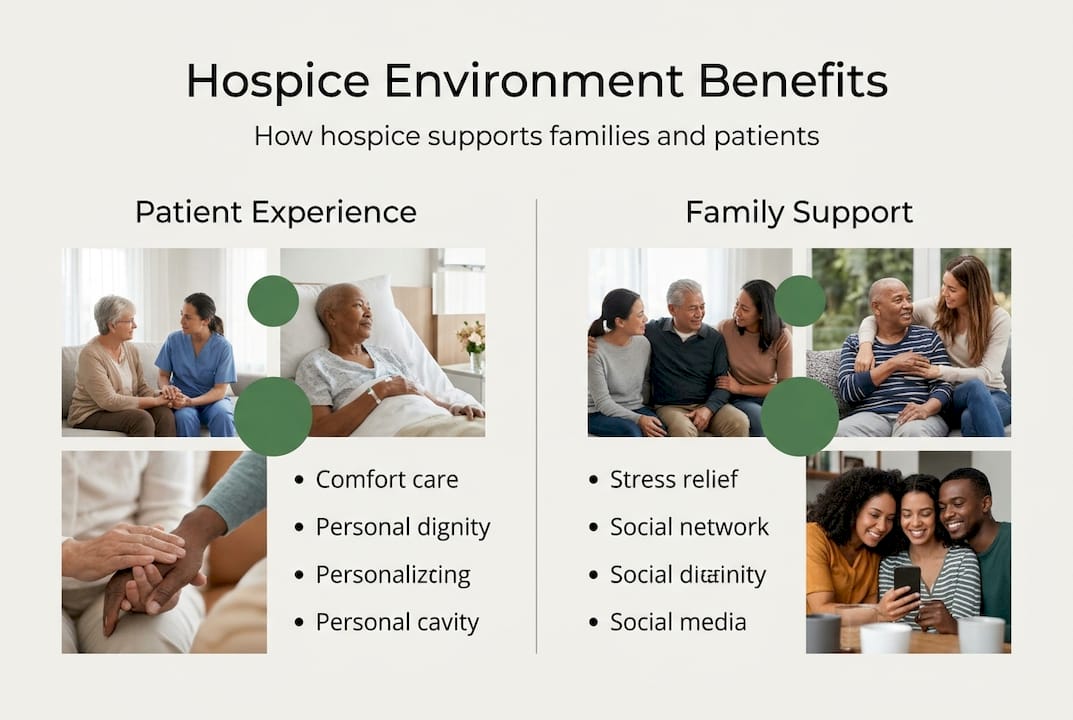
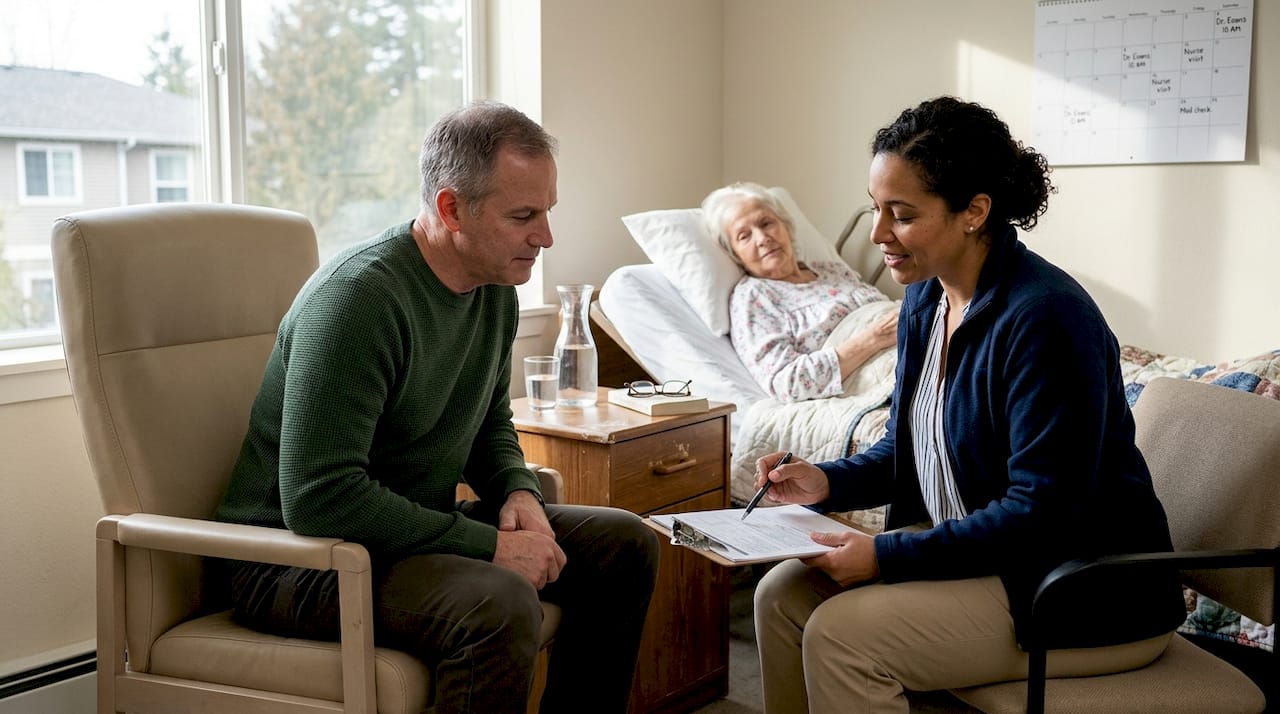
Social support from family, community members, and social workers is crucial to patient well-being. When people feel surrounded by care and connection, fear diminishes and resilience grows.
The hospice team actively builds that support network. Social workers help families navigate practical challenges and emotional strain. Chaplains offer spiritual presence without imposing beliefs. Volunteers provide companionship and give family caregivers a much-needed break.
Here are practical steps families can take to strengthen their support network during hospice:
- Designate a family coordinator who communicates updates and organizes visits.
- Schedule regular family meetings with the hospice social worker to address concerns early.
- Accept volunteer support for tasks like companionship, errands, or meal preparation.
- Connect with a grief counselor before loss occurs, not only after.
- Lean on community resources such as faith communities, neighbors, and local support groups.
Pro Tip: Setting up routine check-ins, even brief weekly calls among family members, reduces isolation and keeps everyone informed. This simple habit can prevent misunderstandings and strengthen the sense of shared purpose during a difficult time.
The caregiver and family support available through hospice is one of its most underused benefits. Many families wait too long to ask for help. The guide to at-home hospice can help you understand what is available and how to access it without hesitation.
Who benefits most from hospice, and when to consider it?
To close the core discussion, let us address who truly benefits from hospice and how to know when it is time. The answer may be broader than you expect.
Hospice is appropriate for patients with any terminal diagnosis, not just cancer. Heart failure, dementia, chronic obstructive pulmonary disease, kidney failure, and neurological conditions all qualify. Sadly, only 11.1% of Medicare cancer beneficiaries receive hospice, which means many eligible patients miss out on its benefits entirely.
Here are signs it may be time to consider hospice:
- Frequent hospitalizations that are not improving the underlying condition
- Unmanaged pain or symptoms despite ongoing treatment
- Significant decline in daily function, such as difficulty eating, walking, or communicating
- A shift in goals from curative treatment to comfort and quality of life
- Caregiver exhaustion that is affecting the patient’s care
One of the most persistent barriers to timely hospice enrollment is the belief that choosing hospice means giving up. It does not. It means choosing a different kind of care, one that prioritizes what matters most in life’s final chapter. Reviewing the steps for hospice decision can help families feel more confident and informed as they navigate this transition.
Earlier enrollment also means more time to benefit from the full range of hospice services, including emotional support, care coordination, and family counseling.
Explore hospice environment benefits for your family
Having explored the key benefits, the next step is finding the right support for your family. At Graceland Hospice, we believe every patient deserves a care environment that honors their dignity and supports their loved ones. Our compassionate hospice care is delivered by interdisciplinary teams who bring expertise, warmth, and genuine dedication to every home and facility we serve. Whether your family is considering home-based hospice or an inpatient setting, we are here to guide you through every decision. Explore our full hospice services or contact us today for a free consultation. You do not have to navigate this alone.
Frequently asked questions
Does hospice really improve quality of life?
Yes. Hospice enrollment correlates with higher patient satisfaction, better symptom control, and improved quality of life compared to standard end-of-life hospital care.
When is the right time to start hospice care?
Hospice is appropriate when curative treatments are no longer effective and the focus shifts to comfort. Timely hospice referral is important because delays can increase distress and reduce the time families have to benefit from full support services.
How does hospice care affect family members?
Hospice provides structured emotional and social support that helps families cope with the caregiving role and the grief process. Social support from family networks, combined with professional guidance, significantly reduces caregiver stress and feelings of isolation.
Is hospice only for cancer patients?
No. Hospice supports patients with a wide range of end-stage illnesses, including dementia, heart failure, and kidney disease. Eligibility is based on prognosis, not diagnosis, and many conditions beyond cancer qualify for hospice and compliance-based care.
Does hospice care cost more than hospital care?
Research consistently shows that hospice reduces end-of-life costs compared to hospital-based care, largely by reducing ICU stays, emergency visits, and high-intensity interventions that do not improve quality of life.