Hospice Volunteer Roles 2026: 5% Hours Boost Care
Hospice Volunteer Roles 2026: 5% Hours Boost Care
Selecting the right hospice volunteer role can feel overwhelming when you’re facing dozens of options with different time commitments, training needs, and emotional demands. You want to make a meaningful difference, but where do you start? This guide clarifies role types, regulatory basics, training requirements, and helps you find the perfect fit for your skills, schedule, and passion in Orange and LA Counties.
Table of Contents
- How to Choose the Right Hospice Volunteer Role: Key Selection Criteria
- Direct Patient Support Roles: Companionship, Emotional Support, and Respite Care
- Family Support and Bereavement Assistance Roles
- Administrative, Fundraising, and Special Skill Volunteer Roles
- Regulatory Requirements, Training, and Compliance for Hospice Volunteers
- Comparing Hospice Volunteer Roles: Which Fits You Best?
- Situational Recommendations Based on Volunteer Goals and Availability
- Discover Meaningful Hospice Volunteer Opportunities with Graceland Hospice Care
- Frequently Asked Questions About Hospice Volunteer Roles
Key Takeaways
| Point | Details |
|---|---|
| Medicare Requirement | Volunteers must provide at least 5% of total patient care hours for hospice certification. |
| Role Variety | Options include direct patient support, family respite, bereavement assistance, and administrative tasks. |
| Training Mandatory | All volunteers complete 8-20 hours of training plus background checks before service. |
| Selection Factors | Choose based on time availability, skills, emotional readiness, and regulatory compliance. |
| Special Skills | Unique talents like music, massage, or bilingual skills enrich patient care significantly. |
How to Choose the Right Hospice Volunteer Role: Key Selection Criteria
You need a clear framework to evaluate hospice volunteer opportunities effectively. Start by understanding the three main role categories: direct patient support, administrative tasks, and special skills contributions. Each demands different time investments and emotional energy.
Consider your weekly availability honestly. Direct patient roles typically require 4-8 hours weekly with consistent scheduling, while administrative positions offer more flexibility with 2-4 hour shifts. If you work full time, weekend or evening administrative roles might suit you better than weekday patient visits.
Training requirements vary dramatically across roles. Basic companionship volunteers complete 8-12 hours of orientation, while specialized roles may require 15-20 hours plus skill certifications. Volunteers must complete training and background checks to serve effectively.
Assess your emotional readiness for end-of-life care. Direct patient roles expose you to death, grief, and family distress regularly. Administrative positions provide meaningful service with less emotional intensity. Choose roles matching your comfort level to avoid burnout.
Regulatory compliance affects every volunteer. Background checks, confidentiality agreements, and ongoing supervision protect patients and families. Understanding these requirements helps you prepare properly before applying.
Pro Tip: Shadow current volunteers in different roles before committing. Most hospices welcome this, and you’ll gain firsthand insight into daily responsibilities and emotional demands.
Key selection criteria include:
- Time commitment ranging from 2-8 hours weekly
- Training duration between 8-20 hours depending on role complexity
- Patient contact level from none to daily interactions
- Emotional intensity varying by role type
- Special skills or certifications you already possess
Connecting your choice to broader hospice care, understanding how to start hospice care at home and the benefits of at-home hospice helps you see where volunteer support fits into the comprehensive care model.
Direct Patient Support Roles: Companionship, Emotional Support, and Respite Care
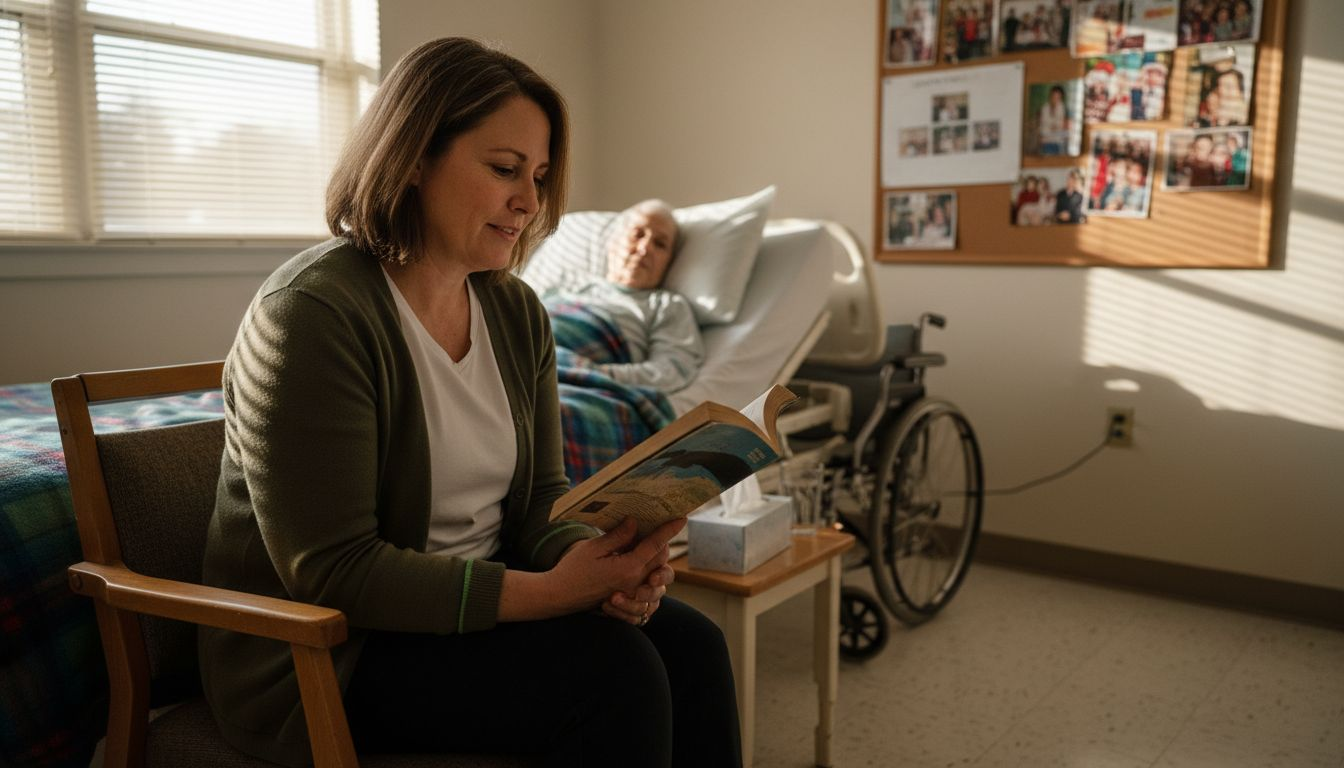
Direct patient support forms the heart of hospice volunteering. You sit with patients, read aloud, share conversations, or simply provide comforting presence during difficult moments. These interactions combat loneliness and anxiety that many end-of-life patients experience daily.
Respite care gives exhausted family caregivers crucial breaks. You stay with the patient while family members attend appointments, run errands, or rest. Volunteers provide critical respite for family caregivers and emotional benefits to patients through companionship.
Training prepares you for sensitive scenarios. You learn active listening techniques, recognize signs of patient distress, and understand when to call professional staff. Communication skills development helps you navigate conversations about mortality, fear, and unfinished business with grace.
Emotional readiness matters significantly. You’ll witness suffering, experience patient deaths, and support grieving families. Regular debriefing sessions with volunteer coordinators help process these experiences healthily. Self-care becomes essential to sustain your service long term.
These volunteer hours directly count toward Medicare’s 5% patient care requirement. Your presence enables hospices to maintain certification while improving patient quality of life measurably. Every hour you contribute strengthens the entire hospice program.
Pro Tip: Start with shorter 2-hour shifts to build emotional stamina gradually. Many successful long-term volunteers began cautiously and increased commitment as confidence grew.
Direct support responsibilities include:
- Providing companionship through conversation, reading, or quiet presence
- Offering family respite by staying with patients during caregiver breaks
- Supporting emotional needs through active listening and validation
- Recognizing changes requiring professional staff intervention
- Documenting visit details for care team coordination
Understanding hospice aide roles helps you distinguish volunteer boundaries from professional caregiving responsibilities, ensuring you stay within appropriate scope.
Family Support and Bereavement Assistance Roles
Family-centered roles address the reality that hospice care serves entire family units. You provide practical assistance that reduces caregiver stress significantly. Running errands, preparing simple meals, or watching patients while families shower demonstrates care that extends beyond medical needs.
Bereavement support continues after patient death. You help coordinate memorial services, facilitate grief support groups, or make follow-up calls to check on surviving family members. This ongoing care honors the patient’s memory while supporting those left behind.
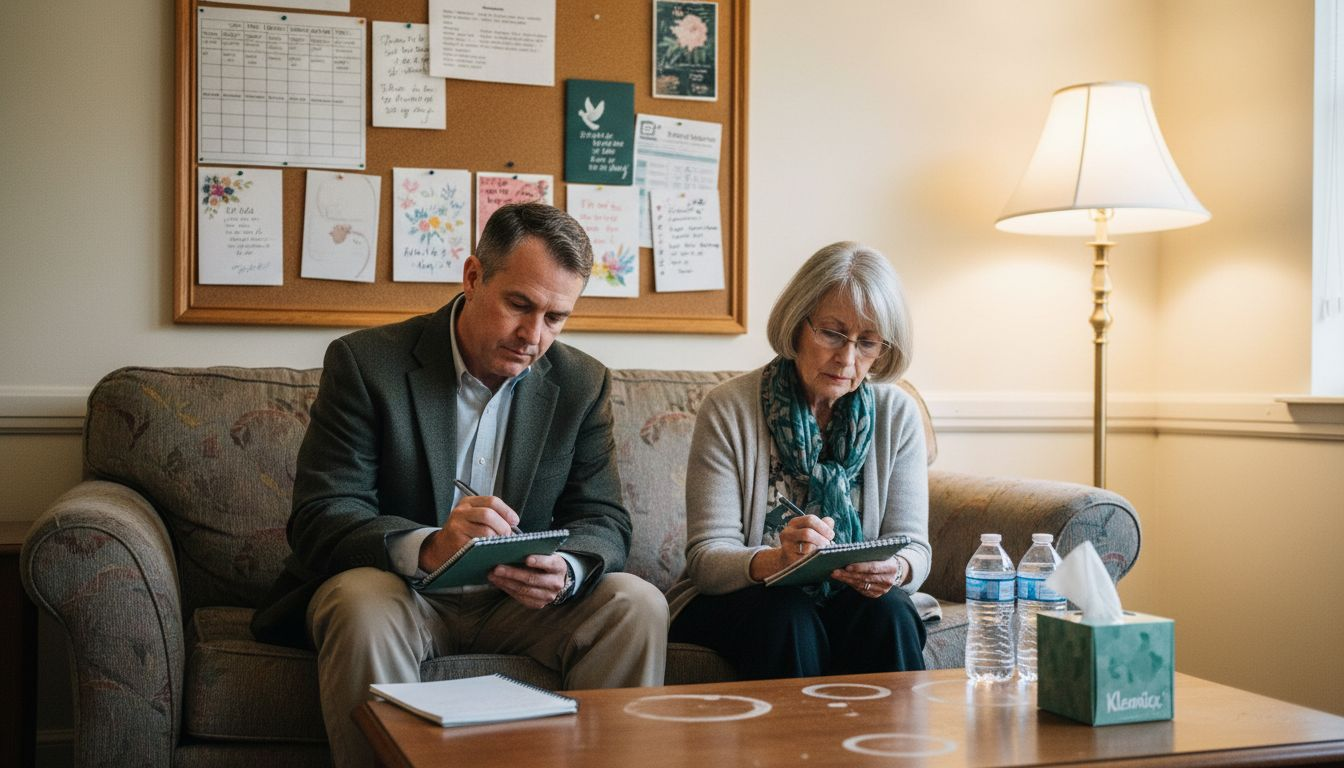
Family respite and bereavement support provide vital emotional and practical relief during and after hospice care phases. Your presence acknowledges that grief doesn’t end at death but requires sustained community support.
Training covers grief stages, cultural mourning practices, and communication techniques for supporting bereaved individuals. You learn to recognize complicated grief requiring professional intervention versus normal mourning processes. Sensitivity to diverse family dynamics guides your interactions.
These roles involve indirect patient contact, making them ideal if you prefer supporting families over direct patient care. Scheduling flexibility accommodates various volunteer availability patterns. You might attend evening support groups or weekend memorial events based on your schedule.
Family support tasks include:
- Providing respite through errands, light housekeeping, or companionship
- Assisting bereavement group facilitation and coordination
- Making compassionate follow-up calls to grieving families
- Helping with memorial service logistics and preparation
- Offering emotional presence during difficult transitions
Exploring caregiver support in hospice reveals how volunteer contributions integrate with professional services to create comprehensive family-centered care.
Administrative, Fundraising, and Special Skill Volunteer Roles
Behind-the-scenes roles keep hospice operations running smoothly. You answer phones, organize patient files, coordinate volunteer schedules, or prepare educational materials. These tasks may lack direct patient contact but remain essential for quality care delivery.
Fundraising volunteers secure resources that expand hospice services. You assist donor outreach campaigns, staff community events, or help write grant applications. Your efforts directly impact how many families receive care and what services remain available.
Special skills volunteers bring unique talents enhancing patient experiences. Licensed massage therapists offer gentle touch therapy, musicians provide live bedside performances, aromatherapists create calming environments, and bilingual volunteers bridge language gaps. Expanding administrative and special skill volunteer roles helps hospices meet Medicare requirements creatively.
These positions typically require lighter training, often 4-8 hours covering hospice philosophy and confidentiality policies. Skill-based roles may need proof of certifications or licenses before you begin. Background checks remain mandatory regardless of patient contact level.
Scheduling flexibility makes administrative roles attractive for working professionals or students. You might volunteer during lunch breaks, evenings, or weekends fitting service around other commitments. Impact feels less immediate but proves equally valuable for sustainable hospice operations.
Administrative and special skill contributions include:
- Clerical support like answering phones and data entry
- Event coordination for fundraisers and community education
- Special skill services including music, massage, or aromatherapy
- Bilingual interpretation services for non-English speaking families
- Marketing assistance through social media and newsletter creation
Discover more about ways to get involved as hospice volunteer to understand the full spectrum of opportunities available beyond traditional patient care.
Regulatory Requirements, Training, and Compliance for Hospice Volunteers
Federal regulations govern hospice volunteer programs strictly. Medicare mandates that hospice volunteers provide at least 5% of total patient care hours for certification. This requirement protects hospice funding while ensuring volunteer integration into care teams.
Background checks screen all volunteers protecting vulnerable patients. You’ll submit fingerprints, authorize criminal history reviews, and provide references before starting. Confidentiality agreements legally bind you to protect patient health information under HIPAA regulations.
Training duration varies from 8-20 hours depending on role complexity. Orientation covers hospice philosophy, pain management basics, family dynamics, cultural competency, and volunteer boundaries. Specialized roles require additional hours focusing on specific responsibilities and skills.
Digital tracking systems help hospices monitor volunteer hours accurately. Hospices using digital volunteer hour-tracking maintain better compliance and exceed the 5% requirement consistently. You’ll likely log hours through mobile apps or web portals after each shift.
Bereaved volunteers typically observe waiting periods before service begins. Hospices require 6-12 months after personal loss to ensure emotional readiness. This policy protects both volunteers and patients from complicated grief interfering with care quality.
| Requirement | Details | Timeline |
|---|---|---|
| Background Check | Fingerprinting and criminal history review | 2-4 weeks |
| Training Hours | Orientation covering hospice philosophy and role basics | 8-20 hours |
| Confidentiality Agreement | HIPAA compliance and patient privacy protection | Before first shift |
| Bereavement Waiting Period | Time since personal loss before volunteering | 6-12 months |
Compliance elements include:
- Background clearance before patient or family contact
- Completed training covering role-specific responsibilities
- Signed confidentiality and volunteer agreements
- Accurate hour tracking through approved systems
- Regular supervision meetings with volunteer coordinator
Learn how to become hospice volunteer for step-by-step guidance through application, training, and placement processes.
Comparing Hospice Volunteer Roles: Which Fits You Best?
Side-by-side comparison clarifies how different volunteer roles match your circumstances. Training intensity, time commitment, patient contact level, and emotional demands vary significantly across categories. Understanding these differences guides you toward sustainable, rewarding service.
Hospice volunteer roles vary significantly in training length, patient contact, and emotional demands. Direct patient support requires greatest emotional investment but offers deepest interpersonal connections. Administrative roles provide meaningful contribution with lower stress and scheduling flexibility.
Special skills roles fall across the spectrum depending on your talent. A musician providing bedside performances experiences high patient contact and emotional intensity, while a volunteer graphic designer creating brochures works independently with minimal patient interaction.
| Role Type | Training Hours | Weekly Time | Patient Contact | Emotional Intensity | Ideal For |
|---|---|---|---|---|---|
| Direct Patient Support | 12-20 hours | 4-8 hours | High (daily) | High | Those seeking deep connections |
| Family Respite | 10-15 hours | 4-6 hours | Medium (indirect) | Medium-High | Flexible schedules, family focus |
| Bereavement Support | 8-12 hours | 2-4 hours | Low (post-death) | Medium | Grief-experienced individuals |
| Administrative | 4-8 hours | 2-4 hours | None | Low | Working professionals, students |
| Special Skills | 6-15 hours | 2-6 hours | Varies | Varies | Those with unique talents |
Comparison insights reveal:
- Higher patient contact correlates with greater training needs
- Emotional intensity increases with direct patient interaction
- Scheduling flexibility improves in administrative roles
- Special skills roles offer unique contribution opportunities
- Time commitment ranges accommodate diverse volunteer availability
Explore how to compare hospice volunteer roles systematically using personal criteria to identify your best match.
Situational Recommendations Based on Volunteer Goals and Availability
Matching roles to your situation ensures sustainable, fulfilling service. Limited time availability points toward administrative or special skills roles requiring 2-4 hours weekly. Full-time workers, students, or caregivers thrive in flexible positions fitting around existing commitments.
Strong interpersonal skills and emotional resilience make direct patient support ideal. You’ll build meaningful relationships, witness profound moments, and impact patient quality of life directly. Consistent availability matters since patients benefit from familiar volunteer faces.
Special talents deserve application in hospice settings. Licensed massage therapists, certified aromatherapists, accomplished musicians, or fluent bilingual speakers enrich patient experiences uniquely. Your skills provide comfort that standard care cannot replicate.
Recent bereavement requires careful timing. Wait 6-12 months after personal loss before volunteering, allowing healthy grief processing. Starting with low-intensity administrative roles helps you ease into hospice work while honoring your emotional journey.
Follow this selection process:
- Assess your weekly available hours realistically, accounting for existing commitments
- Evaluate emotional readiness for end-of-life exposure using self-reflection and coordinator discussion
- Inventory special skills or certifications that could benefit patients uniquely
- Review training time you can commit before beginning service
- Shadow volunteers in 2-3 role types to experience daily realities
- Discuss observations with volunteer coordinator to finalize role selection
- Complete application, background check, and required training thoroughly
Understand why choose at-home hospice and explore diverse hospice volunteer involvement options to align personal goals with community needs effectively.
Discover Meaningful Hospice Volunteer Opportunities with Graceland Hospice Care
Graceland Hospice Care matches volunteers with roles fitting your unique skills, schedule, and passion for making a difference in Orange and LA Counties. We provide comprehensive training, ongoing support, and personalized placement ensuring rewarding service experiences.
Explore our compassionate hospice care approach, review our end of life care guide, and discover varied hospice volunteer opportunities available now. Our volunteer coordinator works individually with you to identify the perfect role matching your circumstances.
Pro Tip: Contact our volunteer coordinator early in the year to secure preferred training sessions and role placements. Popular direct patient positions fill quickly, and early application gives you best selection.
Frequently Asked Questions About Hospice Volunteer Roles
What are the eligibility requirements and background check processes for hospice volunteers?
You must be at least 18 years old, pass criminal background checks including fingerprinting, and provide professional or personal references. The background clearance process typically takes 2-4 weeks, and confidentiality agreements are required before any patient contact.
How long does volunteer training typically take and what does it cover?
Training ranges from 8-20 hours depending on your role, covering hospice philosophy, communication skills, pain management basics, cultural competency, and volunteer boundaries. Specialized roles require additional hours focusing on specific responsibilities like bereavement support or patient companionship techniques.
How much time do hospice volunteers usually commit per week or month?
Most volunteers commit 2-8 hours weekly depending on role type. Direct patient support typically requires 4-8 hours weekly with consistent scheduling, while administrative positions offer flexibility with 2-4 hour shifts fitting various schedules including evenings and weekends.
What support is available to volunteers managing emotional challenges?
Hospices provide regular debriefing sessions with volunteer coordinators, access to grief counselors, peer support groups, and ongoing education about self-care strategies. Supervision meetings occur monthly or as needed to process difficult experiences and prevent burnout.
How do I apply and get started as a hospice volunteer in Orange or LA County?
Contact local hospice programs directly through their volunteer coordinator, complete an application form, attend an informational session, undergo background screening, and participate in required training. Most programs accept applications year-round with training sessions scheduled quarterly. Graceland Hospice Care welcomes inquiries about current volunteer openings tailored to your interests and availability.
Recommended
- 7 Ways to Get Involved With Hospice Volunteer Opportunities | Graceland Hospice Care Blog
- Blog & Resources | Graceland Hospice Care
- Role of Hospice Aides – Impact on Home Care | Graceland Hospice Care Blog
- Hospice Visit Workflow for Comfort Care at Home | Graceland Hospice Care Blog
- Kako se vsak dan izboljšati za 1%
- Techniques to Motivate Staff: Complete Expert Guide – Hoop Mentality