End-of-life services for compassionate home care 2026
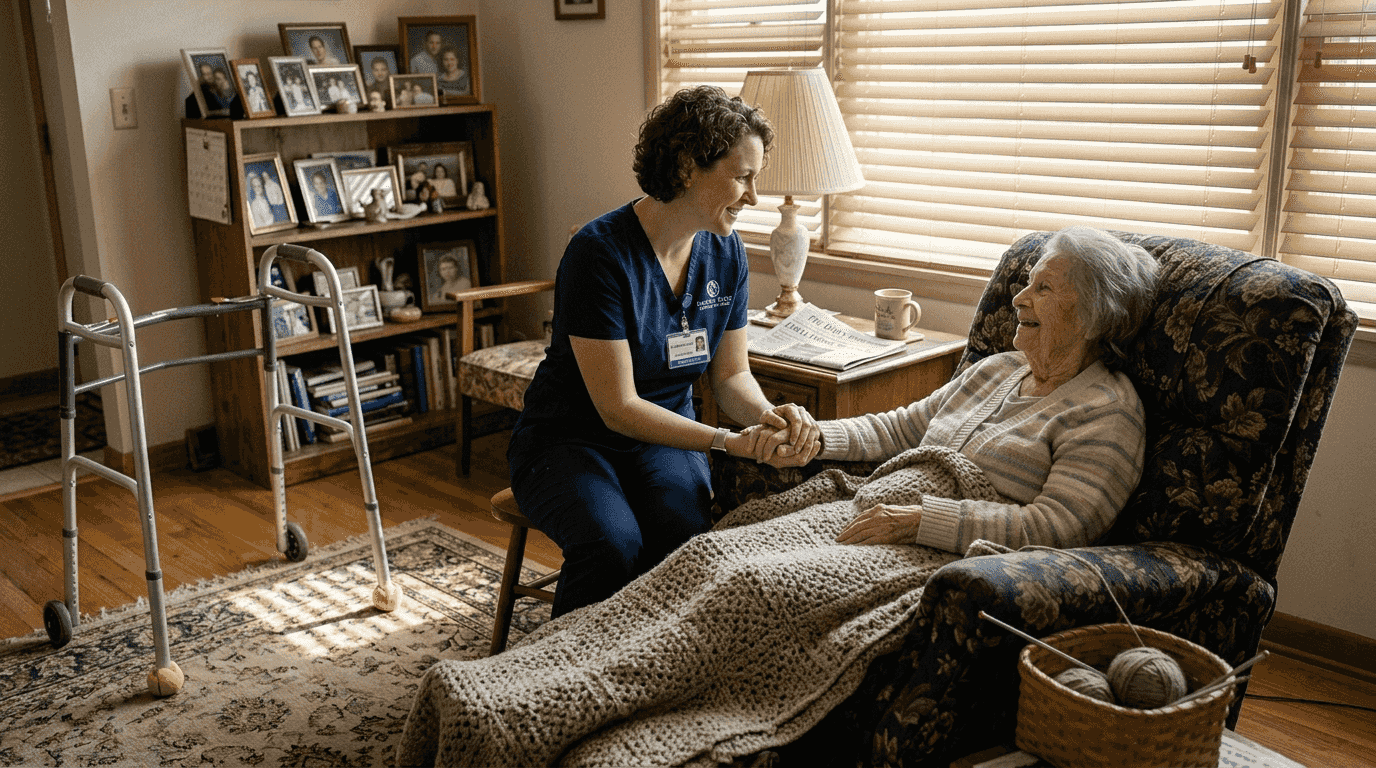
End-of-life services for compassionate home care 2026
Choosing the right end-of-life services for a loved one at home can feel overwhelming for family caregivers in California. Understanding the different types of care available is essential for making compassionate, informed decisions that honor your loved one’s wishes while supporting your own wellbeing. This guide breaks down key service options, selection criteria, and practical comparisons to help you navigate this emotional journey with confidence and clarity.
Table of Contents
- Criteria For Choosing End-Of-Life Services At Home
- 1. Hospice Care At Home: Comprehensive Comfort And Support
- 2. Palliative Care Services: Managing Symptoms Alongside Curative Treatment
- 3. Supportive Services Beyond Medical Care: Caregiver Assistance And Bereavement Resources
- Comparing Types Of End-Of-Life Services: A Practical Overview
- Choosing The Right End-Of-Life Service For Your Loved One: Recommendations For California Caregivers
- How Graceland Hospice Care Supports Families In California
- Frequently Asked Questions
Key takeaways
| Point | Details |
|---|---|
| Hospice care improves outcomes | Home hospice reduces hospital readmissions by up to 30% while improving quality of life for patients. |
| Medicare coverage matters | Medicare covers hospice services including medications, equipment, and support for eligible patients. |
| Caregiver support is essential | Family caregivers experience significant strain during end-of-life care, making support services critical. |
| Multiple service types available | Options include hospice care, palliative services, and specialized support like bereavement counseling and veteran programs. |
Criteria for choosing end-of-life services at home
Selecting appropriate end-of-life care starts with understanding what matters most for your family’s situation. The right service should balance medical needs, emotional support, and practical considerations that fit your home environment.
Pro Tip: Start by listing your loved one’s specific symptoms and your own capacity to provide daily care. This honest assessment guides you toward services that fill actual gaps rather than overwhelming you with unnecessary options.
Consider these essential criteria when evaluating services:
- Medicare coverage: Verify if Medicare covers the service to minimize financial burden and access comprehensive benefits.
- Caregiver support: Assess how the service supports you emotionally and physically through respite care, counseling, and education.
- Care quality and scope: Look for specialized symptom management, spiritual counseling, and integrated therapies that address multiple needs.
- Service flexibility: Ensure the provider can adapt to changing home care demands and your loved one’s evolving condition.
- Veteran-specific programs: If applicable, seek providers offering tailored support recognizing unique military service experiences.
Understanding your end of life care checklist essential steps caregivers need helps match criteria to available services. Many families benefit from caregiver support hospice families receive through comprehensive programs.
With these criteria established, you can evaluate specific types of end-of-life services designed for home care settings.
1. Hospice care at home: comprehensive comfort and support
Hospice care represents the most comprehensive end-of-life service available for patients with terminal diagnoses. This Medicare-covered benefit transforms your home into a sanctuary focused entirely on comfort, dignity, and quality time with loved ones.
Home hospice care improves quality of life significantly for patients with life-limiting illnesses. Research shows it reduces hospital readmissions by approximately 30%, giving families more peaceful time together at home.
Pro Tip: Many families wait too long to start hospice, missing months of valuable support. If your loved one has a life expectancy of six months or less, exploring hospice now opens doors to immediate relief and resources.
Hospice care teams provide:
- Medical management: Skilled nurses and physicians coordinate pain control, symptom relief, and medication management.
- Emotional and spiritual support: Social workers and chaplains offer counseling for patients and families facing grief and difficult decisions.
- Practical assistance: Home health aides help with bathing, dressing, and daily comfort needs.
- Equipment and supplies: Hospital beds, oxygen, wheelchairs, and medications arrive at no cost under Medicare coverage.
- Respite care: Temporary relief admissions give family caregivers essential breaks to rest and recharge.
“Hospice transformed our final months with Mom from fearful and chaotic to peaceful and meaningful. The team supported all of us, not just her.”
Learning what is hospice care orange county families receive helps set realistic expectations. California maintains strict hospice care standards california providers must meet, ensuring consistent quality across agencies.
Following hospice care, other service types offer complementary or alternative support pathways for different situations.
2. Palliative care services: managing symptoms alongside curative treatment
Palliative care differs from hospice by supporting patients still pursuing curative treatments. This option works well when your loved one isn’t ready to stop treatment but needs better symptom management and quality of life support.
The focus centers on relieving pain, nausea, fatigue, and other distressing symptoms while coordinating with oncologists, cardiologists, or other specialists. Palliative teams help patients tolerate treatments better and maintain daily functioning longer.
Key palliative care benefits include:
- Symptom relief: Expert pain and symptom management reduces suffering without stopping disease-directed treatments.
- Care coordination: Palliative specialists bridge communication between multiple doctors, reducing confusion and conflicting advice.
- Emotional support: Counselors help patients and families process complex feelings about ongoing illness and uncertain futures.
- Home-based delivery: Many palliative programs provide services at home, reducing exhausting hospital and clinic visits.
- Earlier intervention: Starting palliative care early in serious illness improves outcomes and prepares families for eventual transitions.
Understanding palliative support for families at home helps you recognize when this service fits your situation better than hospice.
Beyond direct medical care, specialized support services address the broader needs of both patients and caregivers throughout the end-of-life journey.
3. Supportive services beyond medical care: caregiver assistance and bereavement resources
End-of-life care extends far beyond managing physical symptoms. Comprehensive programs recognize that family caregivers and loved ones need emotional, spiritual, and practical support to navigate this challenging time successfully.

Sharp HospiceCare provides services including advance care planning, bereavement care, integrative therapies, and veterans’ programs. These holistic offerings address the full spectrum of family needs during and after a loved one’s illness.
Pro Tip: Don’t wait until after your loved one passes to access bereavement services. Many hospice programs offer anticipatory grief counseling that helps families process emotions and prepare for loss while still providing care.
Essential supportive services include:
- Counseling and therapy: Licensed therapists help caregivers manage stress, anxiety, and complex emotions throughout the caregiving journey.
- Bereavement support: Grief counseling, support groups, and memorial services continue for 13 months after loss, helping families heal.
- Integrative therapies: Massage, music therapy, art therapy, and pet visits improve comfort and emotional wellbeing for patients and families.
- Veteran-specific programs: Specialized support acknowledges military service, connects families with VA benefits, and addresses service-related trauma.
- Caregiver education: Training sessions teach practical caregiving skills, reducing anxiety about providing physical care at home.
| Service Type | Primary Benefit | Typical Duration | Coverage |
|---|---|---|---|
| Counseling | Emotional health support | Ongoing during care | Often included in hospice |
| Bereavement | Grief processing after loss | 13 months post-death | Included in hospice |
| Integrative therapies | Comfort and wellbeing | Per session as needed | Varies by provider |
| Veteran programs | Military-specific support | Ongoing | Often supplemental |
Families benefit from grief bereavement support after loss and guidance on supporting loved one end of life care throughout the journey.
Now let’s compare these service types side by side to clarify which option best fits your unique situation.
Comparing types of end-of-life services: a practical overview
Understanding how hospice, palliative care, and supportive services differ helps you choose the right combination for your family’s needs. Each serves distinct purposes with varying eligibility requirements and benefits.
| Service Type | Primary Focus | Key Services | Eligibility | Medicare Coverage | Best For |
|---|---|---|---|---|---|
| Hospice care | Comfort in final months | Pain management, nursing, counseling, equipment | Life expectancy ≤6 months | Fully covered | Patients choosing comfort over cure |
| Palliative care | Symptom relief during treatment | Symptom management, care coordination | Any serious illness stage | Limited coverage | Patients still pursuing curative treatment |
| Supportive services | Caregiver and family wellbeing | Counseling, bereavement, therapies | Varies by program | Often included with hospice | All families needing emotional support |
Factors influencing your optimal service choice:
- Treatment goals: Patients pursuing cure benefit from palliative care, while those focusing on comfort choose hospice.
- Prognosis: Hospice requires terminal diagnosis with six-month prognosis, while palliative care has no time restrictions.
- Financial resources: Medicare coverage makes hospice accessible, while palliative care may require private payment.
- Caregiver capacity: Families with limited caregiving ability need services offering substantial hands-on support and respite.
- Symptom severity: Intense pain or distressing symptoms warrant immediate specialist intervention regardless of prognosis.
Reviewing the hospice visit workflow comfort care home demonstrates how comprehensive services integrate into daily life.
With this comparison framework, you can make personalized decisions based on your specific circumstances and values.
Choosing the right end-of-life service for your loved one: recommendations for California caregivers
Selecting appropriate end-of-life services requires balancing your loved one’s medical needs with your own capacity and available resources. These practical steps guide California families toward compassionate, sustainable care decisions.
Pro Tip: Schedule consultations with multiple providers before making final decisions. Meeting teams in person reveals communication styles, responsiveness, and cultural fit that matter enormously during vulnerable times.
- Assess medical needs and preferences: Have honest conversations with your loved one about comfort versus curative goals and document wishes clearly.
- Evaluate your caregiving capacity: Family caregivers experience strain that impacts health, so honestly assess your physical and emotional limits.
- Prioritize caregiver support: Choose services offering robust respite care, counseling, and education to sustain your wellbeing throughout the journey.
- Maximize Medicare benefits: Verify coverage to access comprehensive services without devastating financial burden on your family.
- Ask about integrated programs: Seek providers offering therapies, veteran services, and bereavement support that address whole-family needs.
- Research California standards: Familiarize yourself with state regulations ensuring quality and accountability in hospice providers.
Understanding the role of caregivers in hospice clarifies what you can expect to handle versus what professionals manage.
Transitioning from service selection to implementation becomes smoother when you partner with experienced providers who understand California families’ unique needs.
How Graceland Hospice Care supports families in California
At Graceland Hospice, we provide comprehensive end-of-life services tailored specifically for California families navigating this challenging journey. Our experienced interdisciplinary teams deliver medical care, emotional support, and spiritual guidance that honors your loved one’s dignity while supporting your wellbeing as a caregiver.
We offer integrative therapies, veteran-specific programs, and extensive caregiver education that prepares you for each stage of care. Our commitment extends beyond patient comfort to ensuring every family member receives the compassionate support they deserve throughout this profound experience.
Explore our hospice care philosophy and comprehensive services, or visit our homepage to begin planning care with our team today.
After learning about service selection and available support, let’s address common questions family caregivers frequently ask about end-of-life care.
Frequently asked questions
What types of end-of-life services are covered by Medicare?
Medicare covers hospice care comprehensively for eligible patients, including medications, medical equipment, nursing visits, and support services. Coverage requires a terminal diagnosis with life expectancy of six months or less. Medicare does not typically cover palliative care unless provided under specific qualifying conditions or demonstration projects.
How can family caregivers get support during home end-of-life care?
Caregivers access critical support through respite care, counseling, and support groups offered by hospice providers. Caregiver support hospice families receive includes educational resources preparing you for daily tasks and emotional challenges. Research shows caregivers face strain that makes these support services essential for sustaining your health and caregiving ability.
What specialized end-of-life services are available for veterans?
Many California hospice providers offer veteran-specific programs with tailored care recognizing military service experiences. Sharp HospiceCare provides veterans’ services addressing physical wounds, PTSD, and service-related trauma. These programs connect families with VA benefits and offer ceremonies honoring military service during end-of-life care.
When should families transition from palliative care to hospice?
Transition becomes appropriate when curative treatments no longer benefit the patient or when focus shifts entirely to comfort and quality of life. Discuss prognosis openly with physicians to time this change optimally. Starting hospice earlier rather than later maximizes the support and symptom management benefits your family receives during final months together.
Recommended
- End of Life Care Guide for Compassionate At-Home Support | Graceland Hospice Care Blog
- End of Life Care Steps for Home Hospice Success | Graceland Hospice Care Blog
- Blog & Resources | Graceland Hospice Care
- What Is End of Life Care? Choices for Families | Graceland Hospice Care Blog
- Family Therapy in Oakland & Walnut Creek | Revive Health Therapy
- Understanding Notary Services: A Guide for Seniors - My Mobile Notary