End-of-Life Caregiving Guide for CA Families
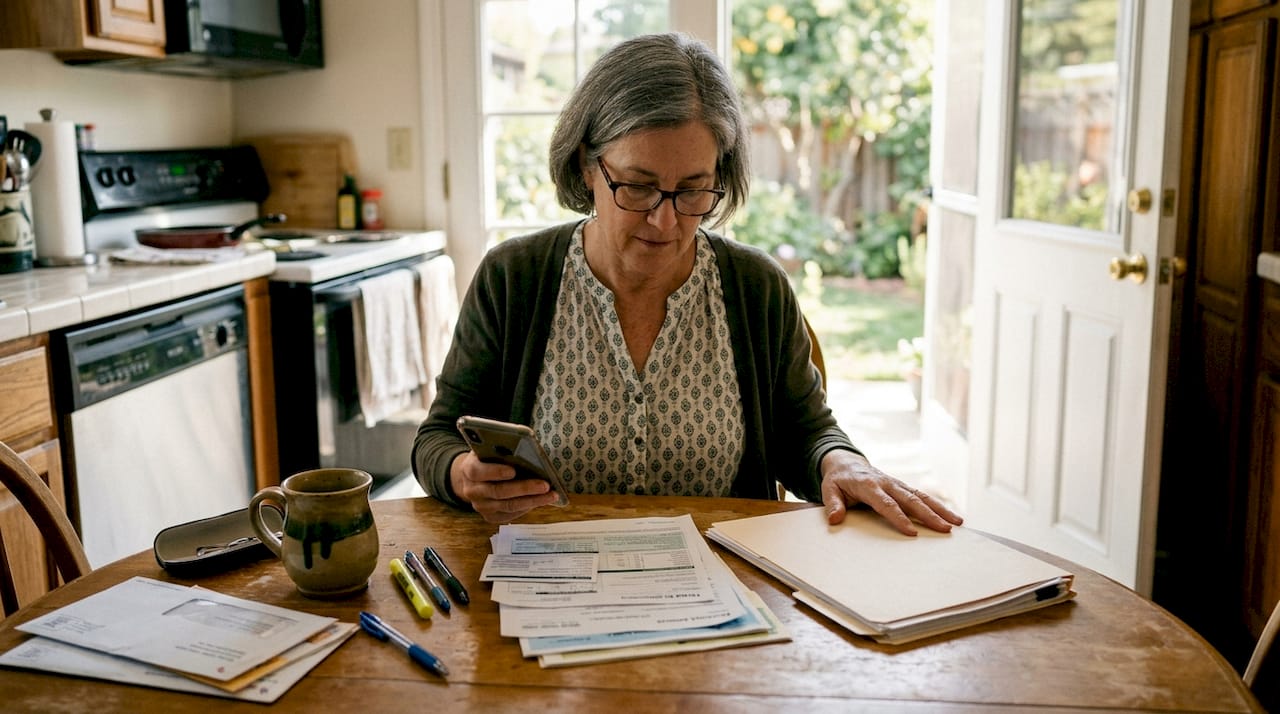
End-of-life caregiving workflow: steps for California families
TL;DR:
- California end-of-life care requires specific legal steps like physician certification and hospice election forms.
- Daily symptom management and environmental comfort are crucial for quality hospice care at home.
- Culturally responsive approaches and caregiver support are vital for effective and compassionate end-of-life care.
When a loved one enters life’s final chapter, the emotional weight can feel staggering. Suddenly, you’re navigating medical paperwork, coordinating care teams, and trying to stay present for someone you love, all at once. For California families, the process has specific legal and logistical requirements that can feel overwhelming without a clear roadmap. This guide walks you through a compassionate, practical workflow for providing end-of-life care at home, from gathering the right documents to managing daily comfort and honoring your loved one’s wishes with dignity.
Table of Contents
- What you need to start end-of-life care at home
- Step-by-step caregiving workflow in California
- Supporting comfort, managing symptoms, and honoring wishes
- Family-centered support, respite, and resources for California caregivers
- Adapting care for cultural values and complex situations
- A fresh perspective on compassionate end-of-life care
- How Graceland supports California caregivers
- Frequently asked questions
Key Takeaways
| Point | Details |
|---|---|
| Start with the right documentation | Gather physician forms, advance directives, and Medi-Cal paperwork before care begins. |
| Follow a stepwise workflow | Use an interdisciplinary team and California’s hospice structure for smooth, coordinated care. |
| Prioritize comfort and support | Effective symptom management and honoring patient wishes are at the heart of care. |
| Lean on resources and respite | Access community centers and short-term relief to prevent caregiver burnout. |
| Adapt for personal and cultural needs | Customize care plans for your family’s values and unique situations. |
What you need to start end-of-life care at home
With the challenge in mind, the first step is making sure you have the right tools, documents, and team. Getting organized early reduces stress and helps your loved one receive care without unnecessary delays.
According to the California Hospice Manual, the end-of-life caregiving workflow in California begins with physician certification, hospice election via the DHCS 8052 form, and assembling an interdisciplinary care team. Each of these steps builds the legal and clinical foundation for everything that follows.
Key documents you will need:
- Physician’s certification of terminal illness
- Completed DHCS 8052 hospice election form (required for Medi-Cal)
- Advance directive or POLST (Physician Orders for Life-Sustaining Treatment)
- Emergency contact list and insurance information
- Medication list and current care plan
Your care team will typically include a registered nurse, a social worker, a chaplain, a home health aide, and a supervising physician. Each person plays a distinct role in supporting both the patient and your family.
| Item | Purpose |
|---|---|
| DHCS 8052 form | Medi-Cal hospice election |
| Advance directive | Documents patient’s care wishes |
| Hospital bed/wheelchair | Home comfort and mobility |
| Emergency contacts | Rapid response coordination |
| Medication log | Tracks symptom management |
Preparing your home matters just as much as paperwork. Consider whether the patient’s room allows easy caregiver access, proper ventilation, and space for medical equipment. You can explore Medi-Cal hospice resources to understand what equipment may be covered.
Pro Tip: Start advance care planning conversations as early as possible. Families who discuss wishes before a crisis tend to feel more confident and less conflicted when decisions need to be made quickly.
Step-by-step caregiving workflow in California
Once you have everything in place, here’s how the actual workflow unfolds, step by step.
The California Hospice Manual outlines that California requires physician certification of terminal illness, hospice election, and offers two 90-day periods followed by unlimited 60-day periods for hospice, as long as the patient continues to meet eligibility criteria.
The core workflow sequence:
- Confirm medical eligibility with the attending physician
- Complete and submit the DHCS 8052 hospice election form
- Schedule an initial nursing assessment within 48 hours of enrollment
- Develop an individualized care plan with the interdisciplinary team
- Begin routine home care visits (nurse, aide, social worker, chaplain)
- Monitor symptoms and update the care plan as needed
- Complete recertification at the end of each benefit period
Routine home care is the default level of service for most patients. However, if symptoms become harder to manage, crisis care (also called continuous home care) can be activated, where a nurse or aide stays for extended hours. Inpatient respite is another option when caregivers need temporary relief.
The Palliative Care Guide notes that a face-to-face encounter with a hospice physician or nurse practitioner is required no more than 30 days before the third recertification period and beyond. Missing this step can delay recertification, so schedule it early.
| Care level | Setting | When used |
|---|---|---|
| Routine home care | Patient’s home | Daily baseline care |
| Continuous home care | Patient’s home | Symptom crisis |
| Inpatient respite | Facility | Caregiver relief |
| General inpatient | Facility | Uncontrolled symptoms |
Pro Tip: Ask your hospice nurse to walk you through the home hospice care workflow during the first visit. Understanding the schedule and who to call in an emergency reduces anxiety significantly.
Supporting comfort, managing symptoms, and honoring wishes
With structure in place, daily care centers on practical comfort measures and honoring the individual’s values.
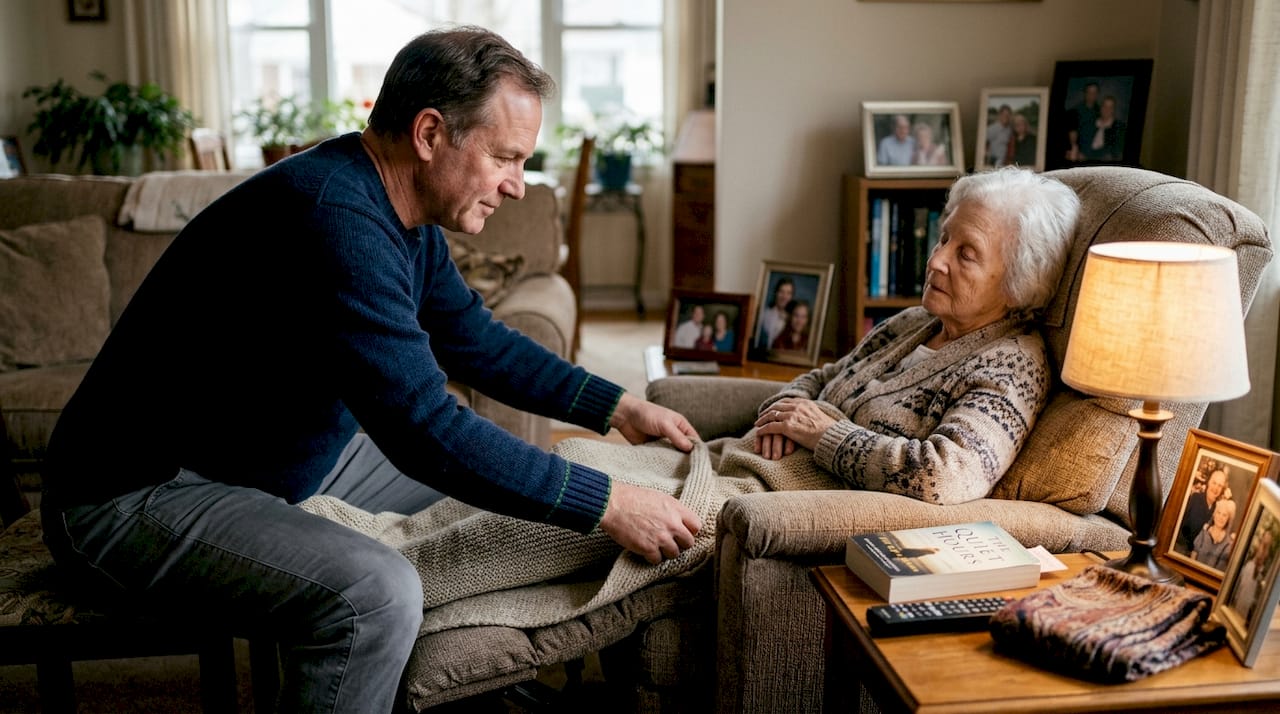
Managing symptoms well is one of the most meaningful things you can do. Nursing interventions in California reduce pain by 30% and agitation by 25%, with routine home care supporting 76% of hospice cases. These numbers reflect real relief for real families.
Daily symptom monitoring should include:
- Pain level (using a scale or the PAINAD tool for non-verbal patients)
- Breathing patterns and any signs of breathlessness
- Agitation, restlessness, or confusion
- Skin condition and pressure sore risk
- Appetite, hydration, and bowel function
The PAINAD (Pain Assessment in Advanced Dementia) is a validated tool that helps caregivers observe and score pain in patients who cannot speak for themselves. It evaluates breathing, facial expression, body language, and other cues. Your nurse can teach you how to use it in just one visit.
Comfort goes beyond medication. Gentle repositioning every two hours prevents pressure sores. Soft lighting, familiar music, and a calm environment reduce agitation. Touch, when welcomed, communicates presence and love in ways words sometimes cannot.
Honoring your loved one’s wishes means revisiting their advance directive regularly. Spiritual and cultural preferences, such as specific prayers, rituals, or dietary needs, should be documented and shared with the full care team. You can also explore nursing care plans to better understand how clinical teams structure comfort-focused care.
For a deeper look at daily symptom support, the pain and symptom management resources on our blog offer practical guidance. The at-home support guide also covers environmental and emotional comfort strategies in detail.
The median hospice length of stay in California is 31 days, which means many families are navigating this workflow quickly. Having a clear daily routine helps everyone stay grounded.
Family-centered support, respite, and resources for California caregivers
Caring for your loved one can be all-consuming, but supporting yourself and your family is vital, too.
The California Hospice Manual confirms that short-term inpatient respite care of up to five days is available for caregiver relief, and California has caregiver resource centers statewide to provide additional support. These centers offer counseling, education, and peer connection for families in your situation.
Warning signs of caregiver burnout to watch for:
- Persistent exhaustion that sleep doesn’t fix
- Increased irritability or emotional numbness
- Neglecting your own medical needs
- Feeling isolated or resentful
- Difficulty concentrating on simple tasks
Respite care is not a luxury. It is a clinical recommendation. When caregivers are rested, they provide better care. Accessing respite through your hospice team is straightforward: simply ask your social worker to arrange it.
Research shows that advance directive completion increases by 40% with hospice involvement, reflecting how structured support empowers families to make informed, values-based decisions together.
Psychosocial support is also part of the hospice benefit. Social workers can connect you with grief resources, community programs, and trauma-informed self-care strategies that help caregivers process the emotional weight of this experience. If you’re already anticipating loss, coping with grief resources can help you begin that journey with support.
You do not have to carry this alone. Asking for help is one of the most loving things you can do, for your family and for yourself.
Adapting care for cultural values and complex situations
Finally, no workflow is one-size-fits-all. Personal, cultural, and logistical factors often shape what works best for your family.
Research from Caregiver California shows that Latinos in California are statistically less likely to elect hospice care, primarily due to cultural barriers and lack of knowledge. This gap is significant, and it underscores why culturally responsive care is not optional. It is essential.
Common adaptations your care team can make:
- Providing interpreters or bilingual staff for non-English-speaking families
- Incorporating specific religious or spiritual rituals into the care plan
- Adjusting communication styles to align with family decision-making dynamics
- Honoring dietary restrictions or traditional healing practices
- Scheduling visits around family prayer times or cultural observances
Complex situations, like a sudden symptom crisis or a patient who lives alone, require real-time care plan updates. Your hospice team can activate higher levels of care quickly when circumstances change. The interdisciplinary team approach at Graceland is built to respond to these shifts without disrupting the continuity of care.
For families navigating grief through a cultural lens, culturally centered healing resources can provide meaningful support that honors your community’s traditions and values.
Pro Tip: During your first team meeting, share your family’s cultural and spiritual values openly. The more your care team understands your background, the more they can tailor the plan to feel right for your family, not just clinically appropriate.
A fresh perspective on compassionate end-of-life care
Here is something that step-by-step guides rarely say out loud: the workflow is a framework, not a formula. Families who approach end-of-life care expecting a neat, linear process often feel like they’re failing when reality doesn’t match the plan. It never does, completely.
The most experienced hospice professionals will tell you that the families who navigate this journey best are not the ones who follow every protocol perfectly. They’re the ones who stay curious, communicate openly, and give themselves permission to adapt. Grief, love, and caregiving don’t follow a checklist.
Self-compassion is a clinical skill here, not just a wellness buzzword. Caregivers who acknowledge their own limits, rest when they need to, and seek support without guilt are more present and effective for their loved ones. That matters enormously in the final days.
The compassionate at-home support you provide doesn’t have to be perfect to be meaningful. Intentional care, offered with love and honesty, is what your loved one will feel. That is what endures.
How Graceland supports California caregivers
If this guide has helped clarify the workflow, we’re here to support your next steps with hands-on care and real resources.
At Graceland Hospice Care, our interdisciplinary team works alongside California families to provide care that is clinically sound and deeply human. From the first paperwork to the final days, we walk with you. We help you understand your options, coordinate your care team, and ensure your loved one’s comfort and dignity are never compromised.
We offer a free consultation so you can ask questions, understand eligibility, and explore what hospice care looks like for your family specifically. Visit our end-of-life care resources for additional guides, or reach out directly. You don’t have to figure this out alone.
Frequently asked questions
What paperwork do I need to start home hospice care in California?
You need a physician’s certification of terminal illness, a completed DHCS 8052 hospice election form for Medi-Cal, and any advance directives such as a POLST or living will.
How long can a loved one stay on hospice in California?
Most patients start with two 90-day periods followed by unlimited 60-day periods, as long as the patient continues to meet clinical eligibility criteria.
What is caregiver respite and how can I access it?
Respite care offers short-term relief, up to five days inpatient, so trained staff can care for your loved one while you rest. Ask your hospice social worker to arrange it.
Is hospice care in California covered by Medi-Cal or Medicare?
Yes, both Medi-Cal and Medicare fully cover hospice services for eligible patients in California, with more than 2,092 providers statewide.
What if my family’s cultural needs differ from standard hospice care?
Share your beliefs and customs with your care team early. Hospice plans can adapt to cultural needs as a core part of person-centered planning, including language access, spiritual rituals, and family decision-making styles.
Recommended
- 7 Essential Steps in an End of Life Care Checklist for Caregivers | Graceland Hospice Care Blog
- Role of Caregivers in Hospice – Making End-of-Life More Compassionate | Graceland Hospice Care Blog
- Supporting a Loved One Through End-of-Life Care | Graceland Hospice Care Blog
- Home Hospice Care Workflow: A Step-by-Step Guide for Families | Graceland Hospice Care Blog
- Coping with Grief: Effective Steps for Healing After Loss - Mastering Conflict