8 signs hospice is needed: when to seek compassionate care

8 signs hospice is needed: when to seek compassionate care
Watching a loved one’s health decline is one of the most emotionally exhausting experiences a family can face. You may find yourself wondering whether the treatments they’re receiving are still helping, or whether a different kind of care would bring more comfort and peace. Many families in California struggle with this question, often waiting longer than necessary because they’re unsure what to look for. Recognizing the signs that hospice may be appropriate can make a meaningful difference in your loved one’s quality of life during life’s final chapter. This guide will walk you through the key indicators, eligibility criteria, and practical steps to help you make a confident, compassionate decision.
Table of Contents
- Understanding when hospice is appropriate
- 8 key signs your loved one may need hospice
- Comparing hospice to other end-of-life care options
- The path to starting hospice care in California
- A compassionate perspective: The real signs beyond the checklist
- How Graceland Hospice Care can support your family
- Frequently asked questions
Key Takeaways
| Point | Details |
|---|---|
| Recognize early signs | Persistent decline, uncontrolled symptoms, and frequent hospitalizations all signal it may be time to consider hospice. |
| Eligibility is clear | A physician’s certification and a six-month prognosis are needed for hospice enrollment in California. |
| Comparison matters | Understanding the differences between hospice, palliative, and home health care helps families make the right choice. |
| Start the conversation | Talking with your loved one’s doctor about hospice can maximize comfort and support for everyone involved. |
Understanding when hospice is appropriate
Hospice care is a specialized form of support that shifts the focus from curing an illness to providing comfort, dignity, and quality of life. It is not about giving up. It is about choosing a path that honors your loved one’s wishes and reduces suffering when curative treatment is no longer beneficial.
To qualify for hospice, a terminal illness prognosis of six months or less must be certified by a physician, with care focused entirely on comfort rather than cure. This is the standard used by Medicare and most insurance programs across the country.
In California, Medi-Cal hospice eligibility follows Medicare guidelines closely, covering hospice services when a patient has a terminal illness, a six-month-or-less prognosis, and a care plan focused on quality of life. Families who rely on Medi-Cal can access the full range of hospice services without financial barriers when these criteria are met.
Some of the most common misconceptions about hospice include:
- It is only for cancer patients (not true, as many conditions qualify)
- It means care will stop (hospice actively manages symptoms and pain)
- It can never be reversed (patients can leave and return to hospice)
- It requires a hospital stay (most hospice care happens at home)
If you are noticing changes in your loved one’s condition, learning more about at-home hospice care can help you understand what support looks like day to day. It is also worth reviewing the differences between hospice and palliative care to make sure you are comparing the right options.
Pro Tip: You do not need to wait for a crisis to speak with your loved one’s doctor. If you are noticing consistent changes in their health or energy, you have every right to ask directly whether hospice eligibility should be evaluated.
| Eligibility factor | Requirement |
|---|---|
| Prognosis | Six months or less |
| Physician certification | Required |
| Care focus | Comfort, not cure |
| Coverage in California | Medicare and Medi-Cal |
8 key signs your loved one may need hospice
Once you understand the general criteria, it is crucial to recognize the signs that can appear at home. These changes may develop gradually, which is why knowing what to watch for matters so much.
- Significant, unintended weight loss. Losing 10% or more of body weight over a few months, especially without trying, often signals that the body is no longer able to absorb nutrition effectively.
- Frequent hospitalizations. When your loved one is being admitted to the hospital repeatedly for the same condition, it may indicate that curative treatment is no longer stabilizing their health.
- Uncontrolled pain or discomfort. If pain and symptom management at home or in a clinical setting is no longer effective, hospice teams are specifically trained to address this.
- Increasing confusion or cognitive decline. Sudden or worsening confusion, especially in patients with dementia or organ failure, can indicate disease progression.
- Difficulty swallowing or eating. Trouble with basic functions like swallowing often reflects a significant decline in overall health.
- Spending most of the day in bed. When a person’s activity level drops dramatically and they are mostly bedridden, their body may be conserving the little energy it has left.
- Shortness of breath at rest. Labored breathing even without physical exertion is a serious sign in patients with heart disease, COPD, or advanced cancer.
- Withdrawal from social activities and loved ones. Emotional and social withdrawal, loss of interest in things once enjoyed, and changes in communication can all signal a deeper decline.
It is important to note that hospice serves patients with cancer and non-cancer diagnoses alike, including heart disease, dementia, and COPD. No single diagnosis determines eligibility.
“Over 50% of Medicare decedents now use hospice, but disparities exist by race and ethnicity, meaning many families who could benefit are still not receiving this care.”
Using an end-of-life care checklist can help you track changes systematically. Families navigating grief alongside caregiving may also find support through resources focused on coping with grief.
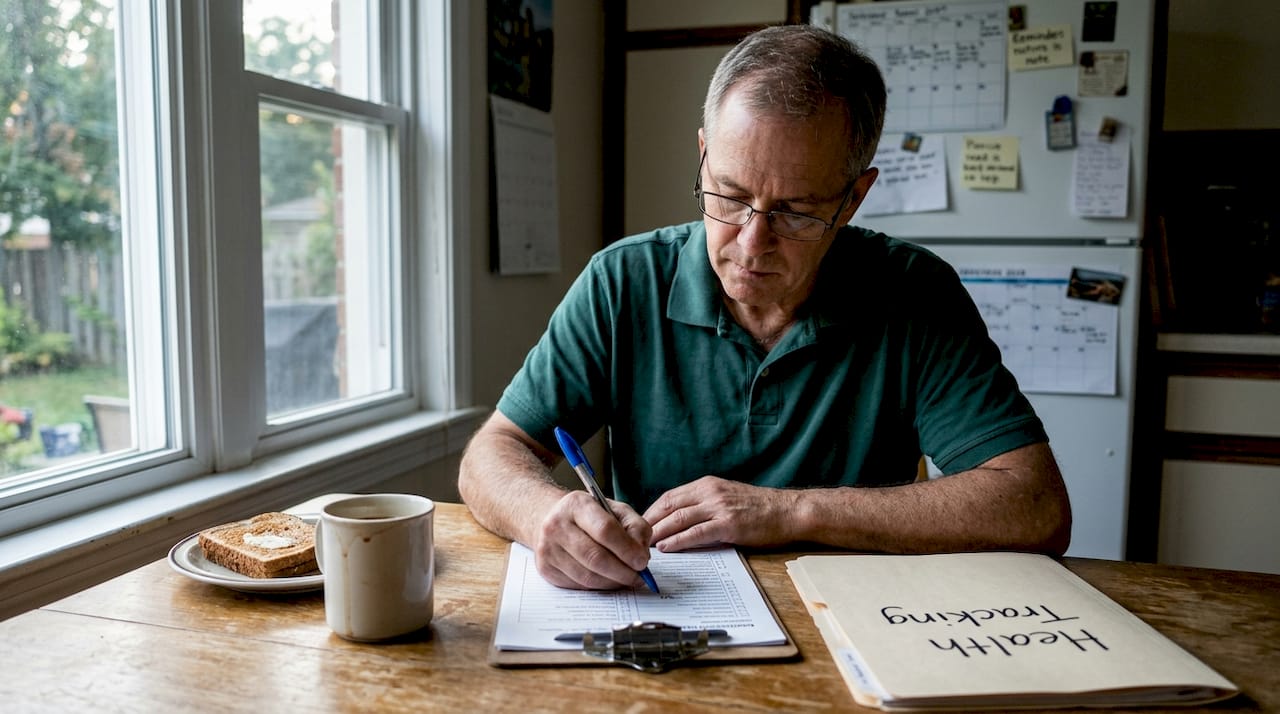
Pro Tip: Do not rely on a single symptom to make your decision. Track the frequency and severity of changes over several weeks. A pattern of decline is often more telling than any one event.
Comparing hospice to other end-of-life care options
Recognizing signs is only one part. Choosing the right care model for your loved one is just as vital. Three main types of care are often discussed in this context: hospice, palliative care, and home health.
Palliative care can begin at any stage of illness, even alongside curative treatment. It focuses on relieving symptoms and improving quality of life without requiring a terminal prognosis. Learning about the advantages of palliative care can help caregivers understand when this option is the right bridge before hospice becomes necessary.
Home health care is typically short-term and recovery-focused, designed to help patients regain function after surgery or illness. It differs significantly from hospice in both philosophy and goals. For a detailed breakdown, the comparison of hospice vs home health outlines these distinctions clearly.
Hospice is appropriate when the goal shifts entirely to comfort, and a physician has certified a terminal prognosis.
| Care type | Eligibility | Primary goal | Curative treatment |
|---|---|---|---|
| Hospice | Terminal, 6 months or less | Comfort and dignity | No |
| Palliative care | Any stage of illness | Symptom relief | Yes |
| Home health | Recovery or chronic management | Function and recovery | Yes |
One important and often overlooked fact: patients may revoke hospice to resume curative care and recertify for hospice later if needed. This flexibility means choosing hospice is not a permanent, irreversible decision. Families sometimes hesitate because they fear locking their loved one into a path with no return. That fear is understandable, but it does not reflect how hospice actually works.
For children under 21 in California, concurrent care rules allow them to receive both hospice and curative treatment at the same time, which is an important distinction from adult hospice guidelines. You can explore more about hospice vs palliative care to understand how these two approaches work together.
The path to starting hospice care in California
Once you are confident hospice is the right choice, knowing what to do next makes the process less overwhelming. Here is a clear sequence of steps:
- Have an honest conversation with the treating physician. Ask directly whether your loved one meets hospice criteria and request a formal evaluation.
- Obtain physician certification. Two physicians must certify the terminal prognosis and agree that hospice is appropriate.
- Choose a licensed hospice provider. Research providers in your area and ask about their services, availability, and experience with your loved one’s specific condition.
- Complete the election paperwork. The patient or their authorized representative signs a hospice election form, formally shifting the care focus to comfort.
- Coordinate coverage. Confirm whether Medicare, Medi-Cal, or private insurance will cover services and what is included.
Timing matters more than many families realize. In 2024, 1.91 million Medicare beneficiaries enrolled in hospice, with an average length of stay of 92 days and a median of just 17 days. That gap between average and median tells an important story: many patients enter hospice very late, missing weeks or months of support that could have improved their comfort.
Under California’s rules, Medi-Cal covers hospice services devoted to palliation when the patient or their representative formally elects hospice care. Coverage typically includes:
- Nursing visits and physician oversight
- Medications related to the terminal diagnosis
- Medical equipment such as hospital beds and wheelchairs
- Emotional and spiritual support for the patient and family
- Bereavement counseling after the patient passes
For practical guidance, reviewing steps for home hospice and understanding how to start hospice at home can prepare your family for what to expect. A helpful hospice insurance guide for California families can also clarify coverage questions before you meet with a provider.
A compassionate perspective: The real signs beyond the checklist
Checklists are useful, but they can only take you so far. After working closely with families navigating this journey, we have seen something that no list fully captures: the moment a family member says, “I just know something has changed.”
That instinct deserves respect. Waiting until every clinical box is checked can sometimes mean your loved one spends precious time in discomfort that hospice could have eased weeks earlier. The signs on any list are guideposts, not gates. They exist to validate what you may already be feeling.
Open conversations with your care team, even before a hard decline, consistently lead to better outcomes. Families who ask questions early, who voice concerns about suffering and quality of life, tend to feel more prepared and less overwhelmed when the time comes to make a decision.
We also encourage families to document behavioral and emotional changes alongside medical ones. Did your loved one stop asking about their favorite TV program? Did they stop wanting visitors? These shifts carry real meaning. Exploring compassionate end-of-life guidance can help you process these observations and bring them into conversations with your care team.
Pro Tip: Keep a simple daily log of behavioral and emotional shifts, not just medical events. This record can be invaluable when speaking with a physician about hospice eligibility.
How Graceland Hospice Care can support your family
If the signs described in this article feel familiar, you do not have to navigate the next steps alone. At Graceland Hospice Care, our team is here to help you understand your loved one’s options and determine whether hospice is the right fit. We offer personalized assessments, compassionate guidance, and ongoing support for families throughout California.
We believe every eligible patient deserves access to compassionate hospice care without exception, and we are committed to making that access as simple and supportive as possible. Whether you are just beginning to ask questions or are ready to take the next step, our team is available for a free consultation. Visit our hospice resources to explore additional guides, or reach out directly to speak with someone who understands what your family is going through.
Frequently asked questions
What qualifies a patient for hospice care in California?
A physician must certify a terminal illness with a life expectancy of six months or less if the illness runs its normal course. California Medi-Cal follows this same standard, with care focused entirely on comfort and quality of life.
Can a patient leave hospice and return later?
Yes. Patients may revoke hospice to pursue curative treatment and re-enroll in hospice later if they again meet eligibility criteria. This flexibility makes hospice a less permanent decision than many families assume.
Is hospice only for cancer patients?
No. Hospice serves patients with a wide range of serious illnesses, including heart disease, dementia, COPD, and other conditions. Any terminal diagnosis with a qualifying prognosis may be eligible.
How long do people typically stay in hospice?
The average hospice stay is approximately 92 days, but the median is only 17 days, reflecting that many patients enroll very late. Earlier enrollment generally provides greater comfort and more comprehensive support.
Can children in California receive hospice and curative treatment at the same time?
Yes. Under concurrent care rules, children under 21 may receive both hospice and curative treatment simultaneously, which is a key difference from the standard adult hospice benefit.
Recommended
- End of Life Care Guide for Compassionate At-Home Support | Graceland Hospice Care Blog
- 6 Examples of Hospice Services for Families in Need | Graceland Hospice Care Blog
- End of Life Care Steps for Home Hospice Success | Graceland Hospice Care Blog
- 7 Key Qualities of Hospice Staff Every Caregiver Should Know | Graceland Hospice Care Blog
- Silver Link Companion — AI Voice Companion for Seniors
- Coping with Grief: Effective Steps for Healing After Loss - Mastering Conflict