How volunteers in hospice care support families
How volunteers in hospice care support families
TL;DR:
- Hospice volunteers provide essential emotional support and practical assistance alongside clinical care.
- They face emotional challenges like grief and stress, requiring organizational support and clear boundaries.
- Families can actively support volunteers through acknowledgment, proper communication, and participating in volunteer programs.
Most people think of hospice care as a medical service. Doctors, nurses, medications, and symptom management come to mind first. But the quiet, steady presence of a hospice volunteer sitting beside a patient, holding a hand, or simply listening is just as essential as any clinical intervention. For families in Southern California navigating life’s final chapter with a loved one, understanding what hospice care means in its fullest sense can change everything. Volunteers fill a space that medicine simply cannot, offering emotional presence, practical help, and genuine human connection when families need it most.
Table of Contents
- What hospice volunteers do: Beyond basic care
- The emotional demands and challenges of hospice volunteering
- Clarity and boundaries: Preventing burnout for volunteers and families
- How families can get involved with hospice volunteering
- Why real support for hospice volunteers must start with families
- Support for volunteers and families: Next steps with Graceland Hospice Care
- Frequently asked questions
Key Takeaways
| Point | Details |
|---|---|
| Volunteers provide unique support | Hospice volunteers fill emotional and practical gaps that paid staff cannot always address. |
| Emotional care is central | Managing emotional demands is crucial for volunteers and families seeking compassionate end-of-life experiences. |
| Boundaries prevent burnout | Clear responsibilities and open communication help volunteers and families maintain healthy relationships and avoid stress. |
| Families can actively participate | Direct volunteering or supporting hospice programs gives families meaningful ways to help during end-of-life care. |
| Retention is a real challenge | Volunteer commitment dropped post-pandemic, highlighting the need for better support and understanding. |
What hospice volunteers do: Beyond basic care
Now that you have a sense of why volunteers matter, let’s look closer at what they actually do day-to-day.
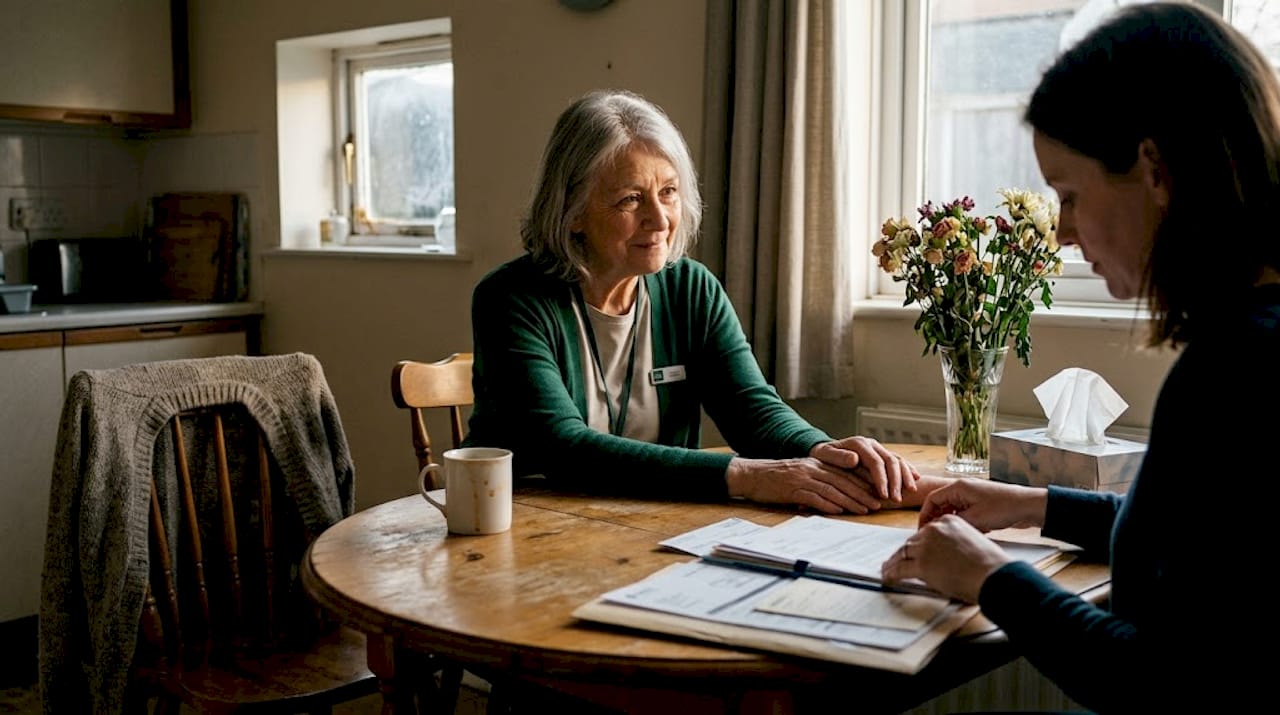
Hospice volunteers are trained, unpaid individuals who work alongside clinical staff to support patients and their families. They are not caregivers in the medical sense. They do not administer medications, perform clinical assessments, or make care decisions. Instead, they occupy a unique and valuable space between professional care and personal connection.
Understanding the full range of caregiver roles in hospice helps clarify where volunteers fit. Their contributions are relational and practical, not clinical.
Common volunteer tasks include:
- Sitting with patients to provide companionship and reduce feelings of isolation
- Reading aloud, playing music, or engaging in light conversation
- Running errands such as picking up prescriptions or groceries for families
- Offering respite care, meaning they stay with the patient so family caregivers can rest, attend appointments, or simply take a break
- Writing letters or helping patients record memories and life stories
- Supporting families with light household tasks during difficult periods
- Being present at the bedside when a patient is actively dying and family members need a moment away
That last point deserves attention. One of the most profound things a volunteer can do is simply be present. Research shows that volunteer emotional challenges are real and significant, with volunteers facing situations like patient death, patient silence, or outright refusal of company, all of which require supervision, clear boundaries, and ongoing support.
| Volunteer role | What it involves | Who it helps most |
|---|---|---|
| Companionship visits | Conversation, reading, music | Patient |
| Respite support | Staying with patient so family rests | Family caregiver |
| Errand assistance | Groceries, pharmacy runs | Whole family |
| Legacy projects | Recording memories, letter writing | Patient and family |
| Bedside presence | Sitting with actively dying patients | Family and patient |
Pro Tip: If you are a family caregiver, ask your hospice coordinator specifically about respite volunteer visits. Many families do not realize this service is available and included as part of the hospice benefit.
Volunteers are carefully trained before they begin. Most hospice programs require 10 to 20 hours of orientation covering topics like communication skills, grief awareness, self-care, and professional boundaries. This training is what separates a well-supported volunteer program from one that risks emotional harm to both the volunteer and the family.
The emotional demands and challenges of hospice volunteering
Understanding these tasks requires recognizing that hospice volunteers face unique emotional challenges that most people in other volunteer settings never encounter.
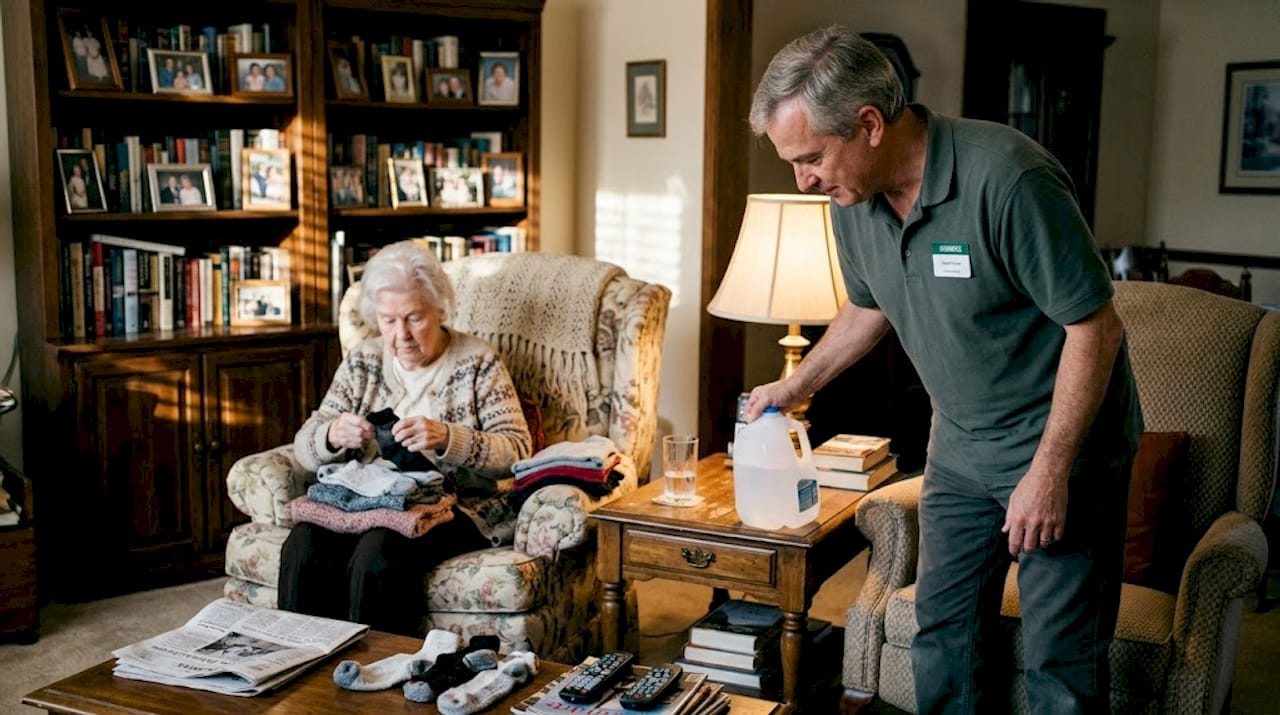
Grief is present in every visit. A volunteer walks into a home or facility knowing the patient will not recover. They witness family members in pain. They may sit with a patient who cannot speak, or who refuses to engage. They return week after week, building a relationship, and then one day that person is gone. This cycle of connection and loss is emotionally demanding in ways that are difficult to fully prepare for.
The emotional challenges hospice volunteers commonly face include:
- Anticipatory grief, meaning they begin mourning a patient before death occurs
- Feelings of helplessness when they cannot fix pain or suffering
- Secondary traumatic stress from repeated exposure to death and dying
- Complicated family dynamics, including conflict between family members or between family and the care team
- Isolation after a patient dies, since volunteers may not have formal bereavement support
“Hospice volunteers operate in one of the most emotionally charged environments imaginable. They give freely of their time and heart, and the organizations that support them well are the ones that retain them.” This reflects what many experienced hospice coordinators across Southern California observe firsthand.
Post-pandemic retention challenges have made this even more urgent. Nationally, hospice programs lost between 30 and 50 percent of their volunteer workforce after 2020. Health concerns, shifting priorities, and the emotional weight of volunteering during a global health crisis all contributed to this significant loss. Southern California programs were not immune to this trend.
This is why caregiver support systems are so important, not just for paid staff, but for volunteers too. Access to debriefing sessions, peer support groups, and regular check-ins with a volunteer coordinator can make the difference between a volunteer who thrives and one who quietly disappears after a few months.
Social workers in hospice settings often play a critical role in supporting volunteers as well. They can identify when a volunteer is struggling emotionally and connect them with appropriate resources before burnout sets in.
Pro Tip: If you are considering hospice volunteering, ask the organization what specific support they offer volunteers after a patient dies. A good program will have a clear answer. If they hesitate, that tells you something important.
Psychosocial support in hospice is a recognized component of quality care. When volunteers receive this kind of support themselves, they are better equipped to offer it to patients and families. The emotional health of volunteers is not a secondary concern. It is central to the quality of care your loved one receives.
Clarity and boundaries: Preventing burnout for volunteers and families
Since burnout is a real risk in hospice environments, clear boundaries matter for everyone involved, including the families being served.
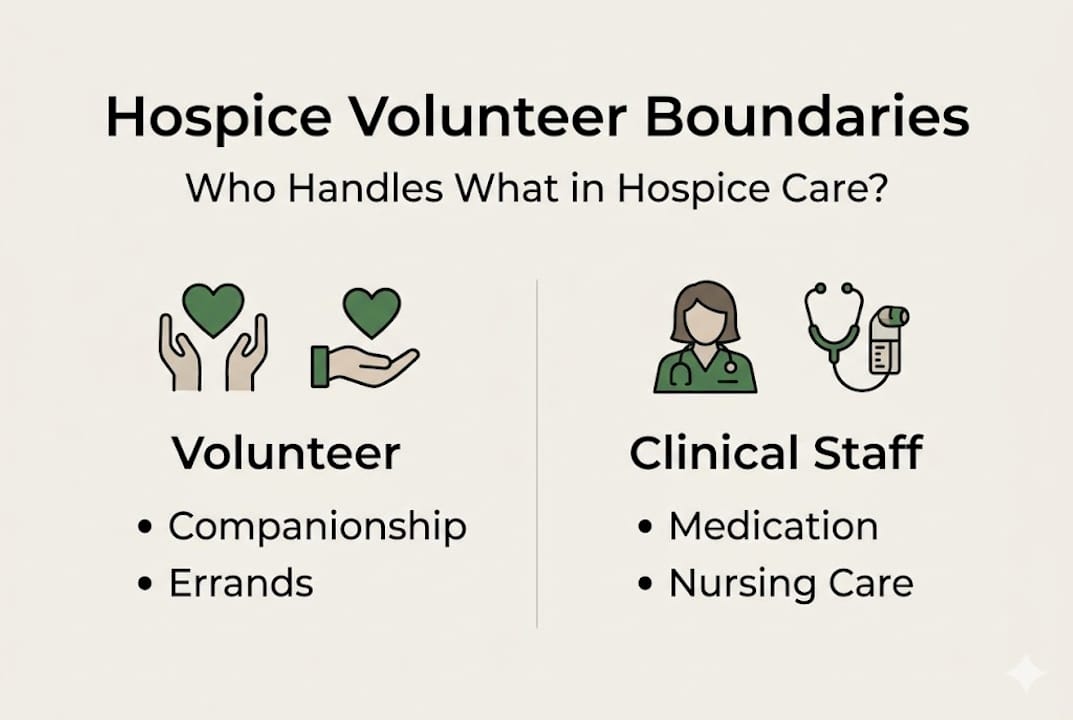
Role confusion is one of the most common problems in hospice volunteer programs. A well-meaning volunteer may start doing tasks that fall outside their training, such as offering medical opinions, becoming emotionally enmeshed with a family, or taking on responsibilities that belong to paid staff. This creates risk for the volunteer, the family, and the patient. Expert insights on boundaries consistently point to clear role clarity as the most effective tool for preventing volunteer burnout.
| Responsibility | Hospice volunteer | Paid clinical staff |
|---|---|---|
| Medication management | Never | Always |
| Emotional presence and companionship | Yes | Sometimes |
| Clinical assessments | Never | Always |
| Errand support and practical tasks | Yes | Rarely |
| Family communication about care plans | Never | Always |
| Respite sitting | Yes | Rarely |
| Grief support conversations | Light, informal | Formal, trained |
Understanding these distinctions helps families know what to expect and how to work effectively with volunteers. When families ask a volunteer to step into a clinical role, even with the best intentions, it puts that volunteer in an impossible position.
Steps for establishing healthy boundaries with hospice volunteers:
- Attend the intake meeting where the hospice team explains the volunteer program. Ask specific questions about what volunteers can and cannot do.
- Communicate your family’s needs clearly to the volunteer coordinator, not directly to the volunteer. This keeps expectations organized and fair.
- Respect the volunteer’s schedule. Volunteers have their own lives and commitments. Avoid last-minute requests or pressure to extend visits.
- Thank volunteers, but avoid over-relying on them. Emotional dependency can create unhealthy dynamics for both parties.
- Report concerns to the coordinator. If a volunteer seems overwhelmed or is overstepping, speak with the hospice team rather than addressing it directly with the volunteer.
Families who understand the qualities of hospice staff and how volunteers fit into the broader care team are better equipped to create a supportive environment for everyone. This knowledge also connects to broader compassionate at-home care practices that make the final chapter of life more peaceful for patients and families alike.
How families can get involved with hospice volunteering
Families also play an important part in shaping a supportive environment for hospice volunteers, and some families find that participating directly in volunteer efforts becomes a meaningful part of their own healing.
There are more ways to get involved than most families realize. Some families begin volunteering with hospice programs after their own loved one has passed, finding purpose and connection in supporting others going through similar experiences. Others want to support the volunteer program while their loved one is still receiving care.
Ways families can support or participate in hospice volunteer programs:
- Offer to become a trained volunteer with the hospice organization after your caregiving experience concludes
- Donate supplies or resources that support the volunteer program, such as books, music, or activity materials
- Advocate within your community for hospice volunteering, helping to recruit new volunteers
- Provide feedback to the volunteer coordinator about what was most helpful during your family’s care experience
- Participate in volunteer appreciation events that hospice organizations regularly host
Research on low-threshold conversation techniques shows that the most effective volunteer interactions focus on presence and restraint rather than intervention. This means volunteers are trained to listen more than they speak, to sit quietly when words are not needed, and to follow the patient’s lead rather than filling silence with activity. Families who understand this approach are less likely to misread a volunteer’s quiet presence as disengagement.
Steps for connecting with hospice volunteer programs in Southern California:
- Contact your hospice provider directly and ask to speak with the volunteer coordinator. Most programs have a dedicated person managing this.
- Review available volunteer opportunities to understand what roles exist and which might suit your interests or schedule.
- Complete the required training. Most programs require background checks and orientation before volunteers begin.
- Start with a limited commitment. Beginning with one visit per week allows you to gauge your emotional readiness before increasing involvement.
- Use the end-of-life care checklist as a reference for understanding the full scope of care so you can see where volunteer support fits in.
- Know your rights. Families in California have specific protections and entitlements under hospice care regulations. Reviewing patient rights in California hospice ensures you understand what to expect from all members of the care team, including volunteers.
Setting realistic expectations is essential. Volunteers are not available around the clock. They are not substitutes for paid caregivers, and they should never be placed in situations that exceed their training. When families approach volunteer involvement with clarity and gratitude, the experience becomes richer for everyone.
Why real support for hospice volunteers must start with families
Here is something that most articles on this topic will not say directly: the quality of a volunteer’s experience is shaped more by the families they serve than by any organizational policy or training manual.
We have seen this pattern repeatedly. A volunteer can have excellent training, a supportive coordinator, and a healthy mindset, and still feel overwhelmed and unseen if the family treats them as an afterthought or an extra set of hands. Conversely, a volunteer who feels genuinely welcomed, respected, and appreciated by a family will often go far beyond the minimum, showing up with greater presence, more creativity, and deeper emotional investment.
This is not about placing additional burden on families who are already stretched thin. It is about recognizing that small gestures matter. A brief thank-you. A moment of acknowledgment. Treating the volunteer as a human being who is also navigating grief, not just a resource to be scheduled and deployed.
The importance of psychosocial support extends to everyone in the care environment, including volunteers. When families understand this, they become active participants in creating a culture of mutual care rather than passive recipients of a service.
Volunteer retention is a community issue, not just an organizational one. The 30 to 50 percent drop in volunteer numbers post-pandemic reflects a workforce that felt depleted and undervalued. Rebuilding that workforce requires hospice organizations to do better, yes. But it also requires communities and families to recognize the extraordinary gift that volunteers offer and to respond with the respect and awareness that gift deserves.
The most effective hospice environments are ones where everyone, paid staff, volunteers, and families, operates with a shared sense of purpose and mutual regard. That kind of environment does not happen by accident. It is built, one interaction at a time, by people who choose to show up with both clarity and compassion.
Support for volunteers and families: Next steps with Graceland Hospice Care
If you’re looking for actionable next steps, here’s how Graceland Hospice Care can help. At Graceland Hospice, we believe that exceptional end-of-life care is built on a foundation of compassion, community, and clear communication. Our team in Southern California is committed to supporting not just patients, but the families and volunteers who make quality care possible. Whether you want to learn about hospice care for a loved one or explore hospice services that fit your family’s specific needs, we are here to guide you every step of the way. Please contact us for a free consultation and let us help you find the support your family deserves.
Frequently asked questions
What tasks do hospice volunteers typically perform?
Hospice volunteers commonly provide companionship, assist with errands, offer emotional support, and give families respite care. According to research on volunteer emotional demands, these roles require supervision and clear boundaries to be carried out safely and sustainably.
How does volunteering in hospice impact emotional well-being?
Hospice volunteers experience emotional challenges such as grief and loss, which can be managed through support, supervision, and clear role boundaries. Studies on volunteer emotional challenges confirm that structured organizational support is essential for protecting volunteer mental health.
Can families participate in hospice volunteering?
Yes, families can volunteer or support volunteer programs directly by reaching out to local hospice care providers and setting clear expectations regarding their involvement. Research on low-threshold conversations shows that even quiet, restrained presence is a meaningful form of support.
Why did volunteer retention drop after the pandemic?
Volunteer retention dropped nationally by 30 to 50 percent because of increased emotional demands, health concerns, and changing priorities post-pandemic, making recruitment and support more urgent than ever.
How can clear boundaries benefit both volunteers and families?
Clear boundaries help volunteers avoid burnout and ensure families know what support to expect from volunteer involvement. Role clarity research consistently identifies defined responsibilities as the most effective safeguard against emotional overload for everyone in the care environment.