Nutrition support for hospice patients: home care guide
Nutrition support for hospice patients: home care guide
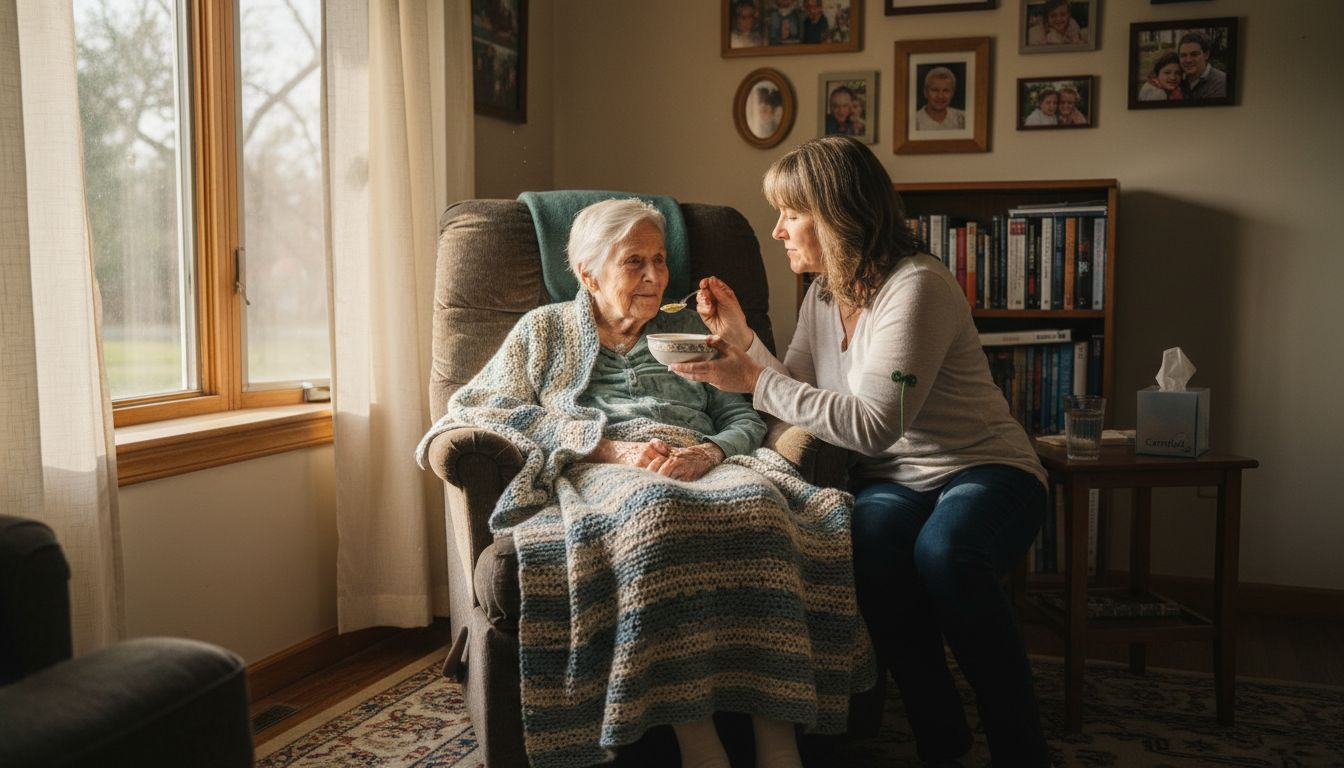
Caring for a loved one in hospice often brings uncertainty about nutrition, especially when appetite fades and eating becomes difficult. You want to provide comfort and nourishment, but fear making mistakes that could cause distress. This guide offers compassionate, practical strategies to support nutrition at home while honoring your loved one’s comfort and dignity throughout their hospice journey.
Table of Contents
- Understanding Nutrition Support In Hospice Care
- What You Need Before Starting Nutrition Support
- Feeding Strategies And Modifications For Hospice Patients
- Hydration Strategies And Comfort Measures
- When And How To Modify Or Stop Nutrition Support
- Common Mistakes And Troubleshooting
- Expected Outcomes And Success Metrics
- Discover Compassionate Hospice Care With Graceland Hospice
- FAQ
Key takeaways
| Point | Details |
|---|---|
| Comfort is the priority | Hospice nutrition focuses on symptom relief and patient wishes, not aggressive feeding or strict nutritional targets. |
| Small, frequent offerings work best | Favorite foods in small portions improve intake and satisfaction better than forcing full meals. |
| Safety reduces complications | Proper positioning, slow feeding, and texture modifications prevent aspiration and choking risks. |
| Hydration supports comfort | Small sips and ice chips relieve dry mouth without causing fluid overload or respiratory distress. |
| Respect patient cues | Honoring refusal and preferences reduces stress for both patient and caregiver while maintaining dignity. |
Understanding nutrition support in hospice care
Hospice nutrition differs fundamentally from feeding approaches in curative settings. While traditional medical care aims to prolong life through aggressive nutrition interventions, hospice care prioritizes comfort and symptom management over strict dietary goals. This shift helps you adjust expectations and reduces the pressure to meet traditional nutritional targets that may no longer serve your loved one’s wellbeing.
Several symptoms commonly impact feeding in hospice patients:
- Loss of appetite as the body’s natural response to disease progression
- Swallowing difficulties that increase choking and aspiration risks
- Dry mouth that makes eating uncomfortable and unpleasant
- Nausea that causes food aversion and reduces intake
- Fatigue that limits energy available for eating
Understanding these challenges helps you recognize that decreased eating is often a natural part of the dying process, not a caregiving failure. Your role shifts from ensuring adequate nutrition to providing comfort through food and maintaining your loved one’s dignity. When you align feeding efforts with patient preferences and comfort rather than rigid nutritional standards, you reduce stress for everyone involved.
The end of life care guide compassionate at home support framework emphasizes this person-centered approach. Consulting with your hospice team through caregiver support hospice families resources ensures you receive ongoing guidance tailored to your loved one’s changing needs.
What you need before starting nutrition support
Before beginning any feeding assistance, assess your loved one’s current medical condition and swallowing ability. A hospice nurse or speech therapist can evaluate swallowing function to identify aspiration risks and recommend safe feeding methods. Never assume feeding methods that worked previously remain appropriate as the disease progresses.
Gather these essential tools and supplies:
- Adaptive utensils with built-up handles for easier gripping
- Cups with lids and spouts to prevent spills
- Wedge pillows or positioning aids for safe upright feeding
- Soft cloths and water for gentle mouth care
- Small dishes for portion control and visual appeal
| Preparation Area | Key Considerations |
|---|---|
| Medical assessment | Swallowing evaluation, medication review, symptom inventory |
| Patient preferences | Favorite foods, cultural traditions, texture preferences |
| Environment setup | Quiet space, comfortable seating, good lighting, minimal distractions |
| Team coordination | Hospice nurse contact, dietitian input, family communication plan |
Know your loved one’s food preferences, including cultural and religious considerations that honor their identity and values. Document these preferences and share them with the care team to ensure consistency across all caregivers. The role of hospice nurse orange county includes providing personalized feeding guidance based on individual patient needs.
Create a safe feeding environment by removing distractions, ensuring adequate lighting, and positioning your loved one upright at a 60 to 90 degree angle. This preparation reduces complications and makes feeding sessions more pleasant for both of you. Follow end of life care steps hospice protocols to maintain safety throughout the care journey.
Feeding strategies and modifications for hospice patients
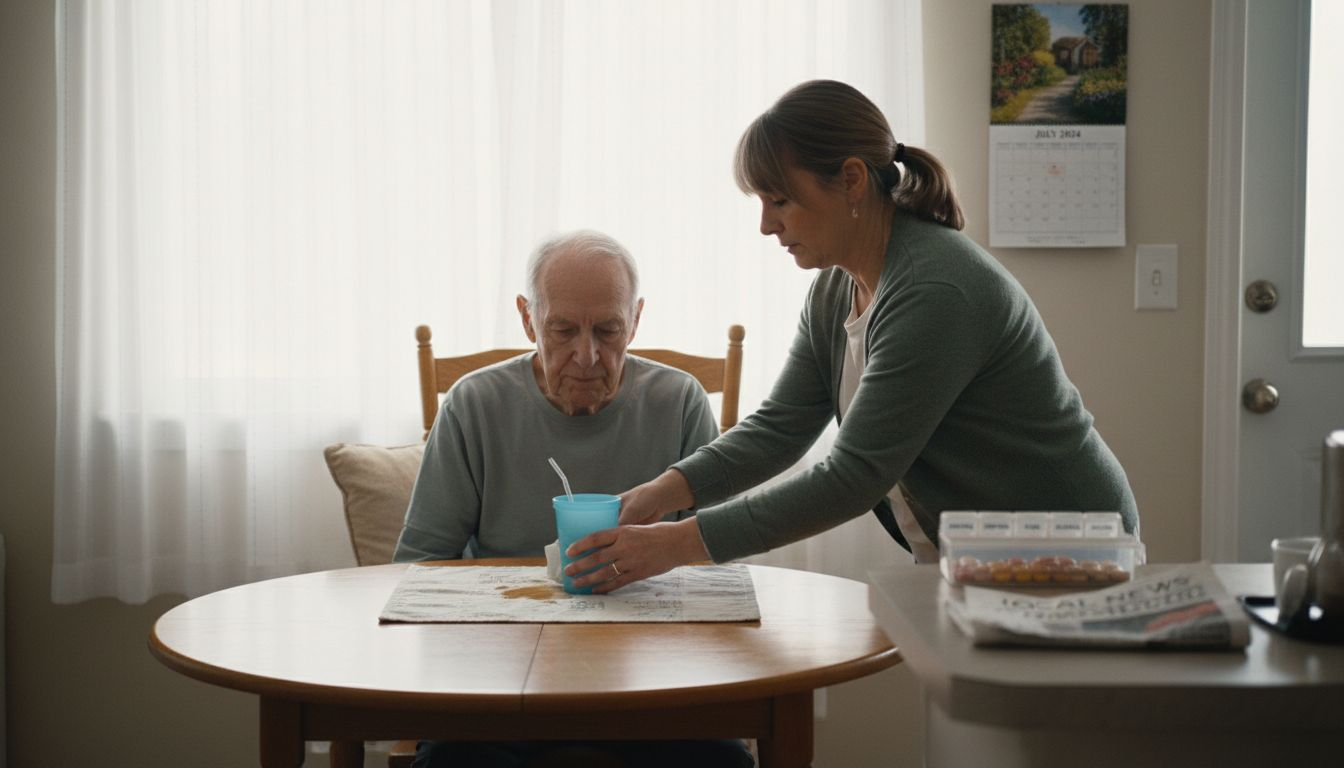
Offering small, frequent, favorite foods proves more effective than pushing standard full meals. Patients respond better to familiar comfort foods in portions they can manage without feeling overwhelmed. Focus on quality over quantity, allowing your loved one to enjoy eating rather than viewing it as an obligation.
Follow these steps for safe, comfortable feeding:
- Position your loved one upright at 60 to 90 degrees and ensure they remain upright for 30 minutes after eating.
- Offer small bites using adaptive utensils, allowing plenty of time between bites for thorough chewing and swallowing.
- Watch for signs of difficulty such as coughing, choking, or food pocketing in the cheeks.
- Provide sips of liquid between bites only if recommended by the care team, as liquids can increase aspiration risk for some patients.
- Never rush or force feeding; respect your loved one’s pace and cues to stop.
- Complete each feeding session with gentle mouth care using a soft, moistened cloth or foam swab.
Modify food textures based on swallowing ability. Pureed or minced foods reduce choking risk for patients with severe dysphagia, while others may handle soft, moist foods cut into small pieces. Always verify texture recommendations with your hospice team before making changes.
| Approach | Meal Structure | Patient Response | Caregiver Effort |
|---|---|---|---|
| Small, frequent offerings | 5-6 small servings of favorite foods throughout day | Higher intake, less distress, better satisfaction | Flexible timing, less food waste |
| Standard three meals | Traditional breakfast, lunch, dinner portions | Lower intake, increased pressure, more refusal | Rigid schedule, more uneaten food |
Incorporate regular oral care to soothe dry mouth and promote eating. Gentle mouth cleaning before and after meals removes debris, freshens breath, and makes food more appealing. Use soft toothbrushes, foam swabs, or moistened cloths with water or prescribed mouth rinses.
Pro Tip: Create a calm atmosphere during feeding by playing soft music, maintaining gentle conversation, or simply sitting quietly together. A relaxed environment encourages eating and transforms mealtimes into meaningful connection rather than stressful tasks.
For detailed daily routines, reference the home hospice care workflow guide and hospice visit workflow comfort care home resources that integrate feeding into comprehensive care plans.
Hydration strategies and comfort measures
Hydration in hospice focuses on comfort rather than achieving specific fluid intake volumes. Small sips of water, ice chips, or flavored liquids relieve dry mouth and provide pleasure without forcing fluids that could cause complications. Avoid pressuring your loved one to drink set amounts, as forced hydration can lead to edema, respiratory distress, and increased discomfort.
Provide these comfort-focused hydration options:
- Small sips of water, juice, or preferred beverages throughout the day
- Ice chips or frozen juice cubes that melt slowly in the mouth
- Moist cloths placed on lips for external moisture without swallowing
- Popsicles or flavored ice for variety and enjoyment
- Specialized mouth moisturizers recommended by your hospice team
Monitor hydration status by observing mouth moisture, skin turgor, and comfort level rather than measuring urine output or fluid intake totals. If your loved one shows signs of discomfort from dry mouth, increase mouth care frequency and offer moisture in small amounts. Conversely, if breathing becomes labored or swelling increases, reduce fluid offerings and consult your hospice nurse immediately.
Pro Tip: Freeze small amounts of favorite beverages like ginger ale, lemonade, or herbal tea into ice cubes. These provide familiar, comforting flavors while controlling fluid intake and preventing choking risks associated with liquid swallowing.
The caregiver support hospice families program offers guidance on balancing hydration comfort with symptom management, ensuring you feel confident in your daily care decisions.
When and how to modify or stop nutrition support
Recognize signs that feeding methods need adjustment or should stop entirely. Watch for distress indicators during feeding sessions:
- Persistent coughing or choking with small amounts of food or liquid
- Visible discomfort, grimacing, or pulling away during feeding attempts
- Increased respiratory distress or breathing difficulty after eating
- Sustained refusal to open mouth or turn head away from food
- Extreme fatigue that prevents safe swallowing
Research shows no survival benefit from artificial nutrition in advanced hospice patients. Feeding tubes, intravenous nutrition, and aggressive feeding interventions do not improve quality of life or extend meaningful survival time. Instead, these approaches often increase discomfort, infection risk, and emotional distress for patients and families.
Important: Patient comfort and dignity always take priority over nutritional intake. When feeding causes distress or your loved one consistently refuses food, shifting to comfort-focused mouth care honors their wishes and maintains quality of life without forcing unwanted interventions.
Consult your hospice team when you notice feeding difficulties or consider stopping nutrition support. They provide expert guidance on transitioning care focus and offer emotional support during this challenging adjustment. Document your loved one’s advance directives and honor their stated wishes regarding feeding interventions.
As eating declines, shift emphasis to comfort mouth care, presence, and alternative forms of connection that do not involve food. This transition represents compassionate care, not abandonment. The end of life care guide compassionate at home support addresses this natural progression with sensitivity and practical guidance.
Common mistakes and troubleshooting
Avoiding common feeding errors improves outcomes and reduces complications. Forcing patients to eat causes emotional distress, damages trust, and often triggers stronger refusal. When you pressure your loved one to finish meals or meet intake goals, mealtimes become battles rather than opportunities for comfort and connection.
Frequent mistakes include:
- Overusing nutritional supplements that cause nausea, constipation, or loss of appetite for real food
- Ignoring swallowing difficulties and continuing regular textures that increase aspiration risk
- Neglecting oral care between meals, leading to dry mouth and feeding refusal
- Measuring success by quantity consumed rather than patient comfort and satisfaction
- Failing to communicate concerns with the hospice team, missing opportunities for helpful interventions
Pro Tip: Keep a simple feeding log noting what foods your loved one enjoyed, amounts eaten, and any difficulties observed. This record helps you identify patterns, communicate effectively with the hospice team, and celebrate small successes rather than focusing on decline.
When problems arise, troubleshoot systematically. If your loved one refuses previously enjoyed foods, try different preparation methods, temperatures, or presentation styles. If swallowing becomes difficult, request a reassessment before continuing current feeding methods. If mouth care seems ineffective, ask about alternative products or techniques.
The home hospice care workflow guide provides structured approaches to identifying and resolving feeding challenges while maintaining patient comfort as the primary goal.
Expected outcomes and success metrics
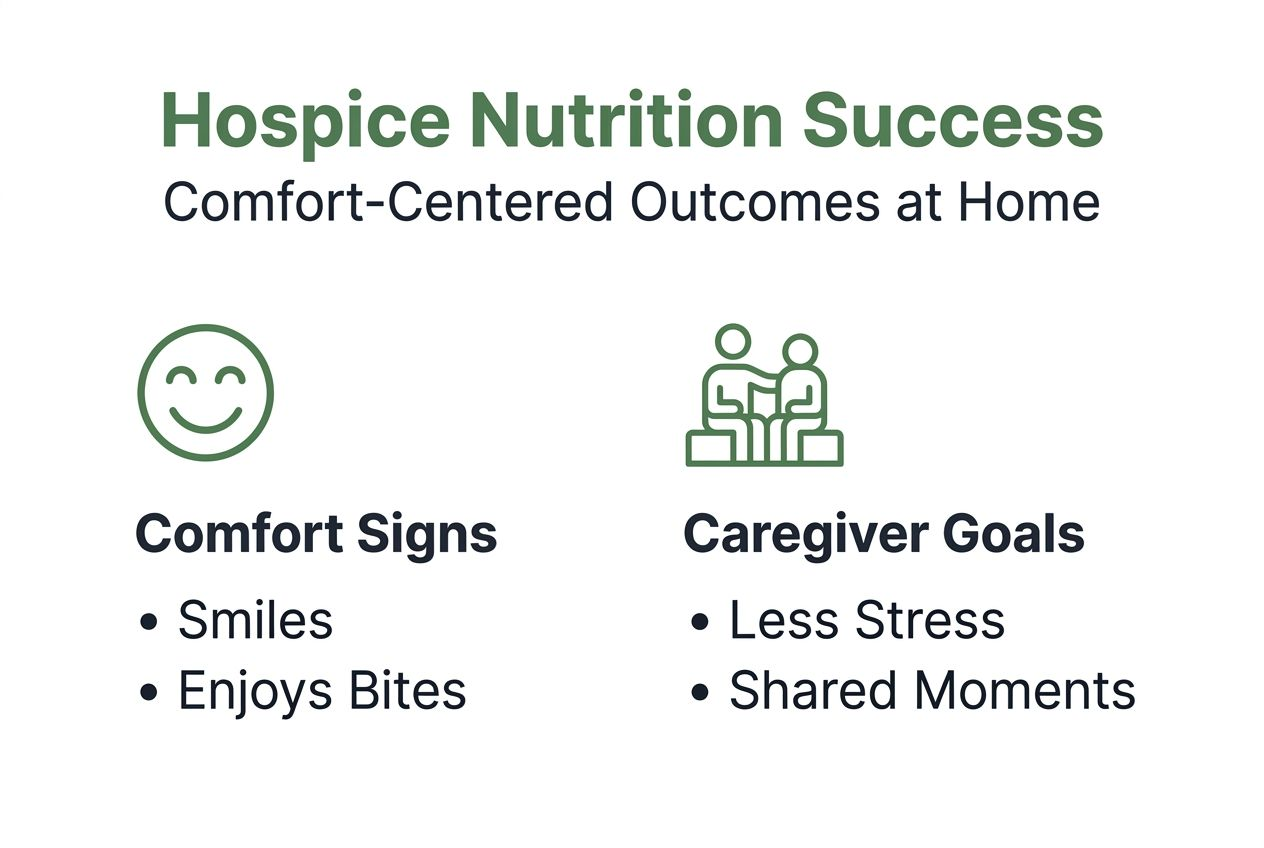
Success in hospice nutrition looks different from traditional feeding goals. Measure positive outcomes by comfort indicators rather than nutritional metrics:
- Improved patient mood and engagement during mealtimes
- Reduced feeding complications like aspiration, choking, or digestive distress
- Increased caregiver confidence and reduced anxiety about feeding decisions
- Maintained mouth comfort without signs of dehydration distress
- Preserved patient dignity and autonomy in food choices
| Traditional Nutrition Goals | Hospice Comfort-Centered Metrics |
|---|---|
| Meeting daily calorie targets | Patient enjoys favorite foods without pressure |
| Maintaining or gaining weight | Stable comfort level and symptom control |
| Achieving protein requirements | Reduced feeding-related complications |
| Measuring intake volumes | Mouth moisture and patient satisfaction |
| Preventing malnutrition | Honoring preferences and maintaining dignity |
Celebrate when your loved one smiles during a meal, requests a favorite food, or shows pleasure in tasting something enjoyable. These moments represent meaningful success in hospice care. Reduced caregiver stress also indicates effective feeding approaches, as confidence in your methods supports overall wellbeing for the entire family.
Realistic expectations prevent frustration and guilt. Appetite naturally decreases as the body prepares for death, and this progression does not reflect caregiving quality. Your attentive presence, gentle offers of comfort foods, and respect for your loved one’s wishes provide the most valuable nutrition support possible.
Explore types of palliative support for families at home to understand the broader care context. Additional comfort measures from resources like smart home aging comfort tips can complement your nutrition support efforts.
Discover compassionate hospice care with Graceland Hospice
Navigating nutrition support for your loved one requires expertise, compassion, and ongoing guidance tailored to changing needs. Graceland Hospice Care provides comprehensive support for hospice patients and families, including specialized nutrition management and symptom relief. Our experienced team helps caregivers develop personalized feeding strategies that honor patient comfort and dignity while reducing caregiver burden. We walk alongside you through every stage of the hospice journey with respect and understanding. Explore our compassionate hospice care approach and complete range of hospice care services. Contact Graceland Hospice Care today for a free consultation and discover how our team can support your family.
FAQ
What is the role of hydration in hospice nutrition support?
Hydration in hospice prioritizes comfort over fluid volume targets. Small sips of water, ice chips, or moist cloths relieve dry mouth without causing fluid overload or respiratory distress. This approach maintains patient comfort while avoiding complications from forced hydration.
How can caregivers safely feed hospice patients with swallowing difficulties?
Use proper upright positioning at 60 to 90 degrees and feed slowly with modified food textures. Seek hospice team guidance for swallowing evaluations and specific recommendations. Watch for coughing or choking and stop immediately if distress occurs.
When should nutrition support be modified or stopped in hospice care?
Modify or stop feeding when it causes choking, persistent coughing, visible distress, or sustained refusal. Always follow your loved one’s expressed wishes and advance directives. Consult your hospice team for guidance on transitioning to comfort-focused mouth care when feeding becomes burdensome.
What foods work best for hospice patients with poor appetite?
Small portions of favorite comfort foods work best, focusing on familiar flavors and pleasant textures. Offer foods with emotional significance like childhood favorites or cultural dishes. Prioritize enjoyment and satisfaction over nutritional content or portion size.
How can caregivers reduce stress around hospice feeding responsibilities?
Shift focus from nutritional targets to patient comfort and dignity. Keep feeding sessions relaxed without pressure or time limits. Communicate openly with your hospice team about concerns and celebrate small successes like shared moments rather than quantities consumed.
Recommended
- End of Life Care Guide for Compassionate At-Home Support | Graceland Hospice Care Blog
- End of Life Care Steps for Home Hospice Success | Graceland Hospice Care Blog
- Hospice Visit Workflow for Comfort Care at Home | Graceland Hospice Care Blog
- Home Hospice Care Workflow: A Step-by-Step Guide for Families | Graceland Hospice Care Blog
- 15 modyfikacji domu dla pacjentów po udarze | UdarRehab.pl