7 key benefits of comfort care for families in California
7 key benefits of comfort care for families in California
Choosing end-of-life care for a terminally ill loved one is one of the most challenging decisions families face. You want to ensure your family member receives compassionate, personalized support that honors their dignity while managing symptoms effectively. Comfort care in home hospice settings offers a proven path to achieving these goals, providing holistic support that addresses physical, emotional, and spiritual needs. This article explores the key benefits of comfort care, helping you make an informed choice during this critical time.
Table of Contents
- Understanding Comfort Care: Meeting Unique Needs At Home
- Benefit 1: Personalized Symptom Management For Improved Quality
- Benefit 2: Emotional Well-Being Through Familiar Surroundings
- Comparing Comfort Care Options: Home Hospice Vs. Institutional Care
- Explore Compassionate Hospice Care Options With Graceland Hospice
- Frequently Asked Questions About Comfort Care
Key takeaways
| Point | Details |
|---|---|
| Personalized symptom management | Home hospice delivers customized pain and symptom control with over 90% effectiveness rates. |
| Familiar environment benefits | Patients maintain dignity and autonomy while receiving care in their own homes. |
| Holistic support approach | Care addresses physical, psychological, social, and spiritual needs simultaneously. |
| Medi-Cal coverage available | California families can access hospice services through established eligibility criteria. |
| Family caregiver assistance | Professional teams reduce caregiver burden while providing guidance and respite. |
Understanding comfort care: meeting unique needs at home
Comfort care prioritizes relieving pain and managing symptoms rather than attempting to cure terminal illness. Hospice care meets unique needs by focusing on alleviating suffering and enhancing quality of life during a patient’s final months. This approach recognizes that aggressive treatments may cause more distress than benefit when cure is no longer possible.
The care model addresses four interconnected dimensions. Physical needs include pain management, breathing support, and nutrition assistance. Psychological support helps patients process emotions and maintain mental well-being. Social services connect families with resources and community support. Spiritual care honors individual beliefs and provides comfort through faith or personal philosophy.
Personalized care plans adapt to each patient’s specific situation, preferences, and changing needs. Your care team collaborates with you and your loved one to establish goals, adjust medications, and modify support as symptoms evolve. This flexibility ensures care remains aligned with your family member’s wishes throughout their journey.
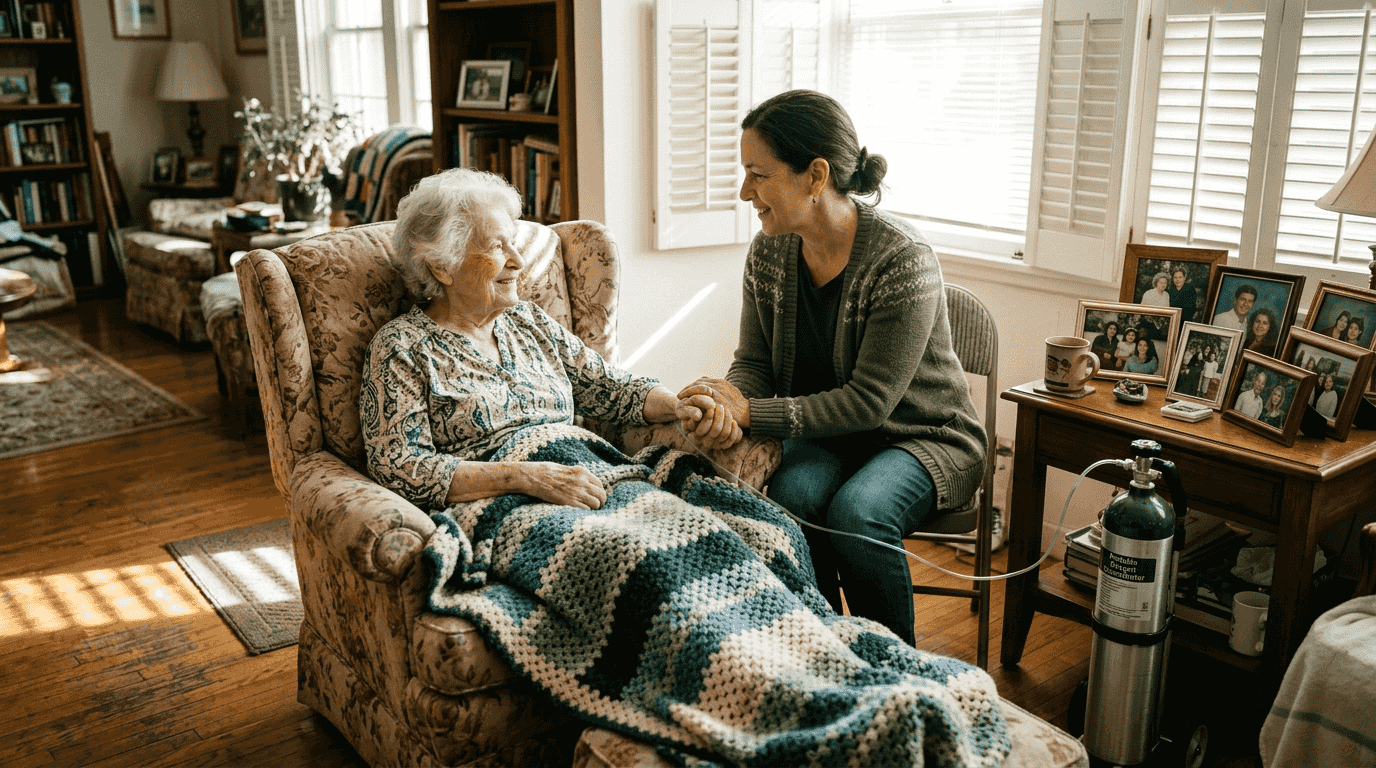
Home delivery enhances comfort by keeping patients surrounded by familiar sights, sounds, and people. You avoid the clinical atmosphere of hospitals while maintaining access to expert medical guidance. The collaborative approach involves family members as active participants, ensuring everyone understands the care plan and feels supported.
Pro Tip: Schedule a family meeting with the hospice team within the first week to discuss care goals, communication preferences, and how each family member can contribute to your loved one’s comfort.
Benefit 1: personalized symptom management for improved quality
Home hospice enables highly customized symptom control that adapts to your loved one’s changing needs. Unlike institutional settings with standardized protocols, at-home care allows immediate adjustments based on real-time observations from family and visiting nurses. This responsiveness leads to patient satisfaction scores of 85-95%, significantly higher than facility-based care.
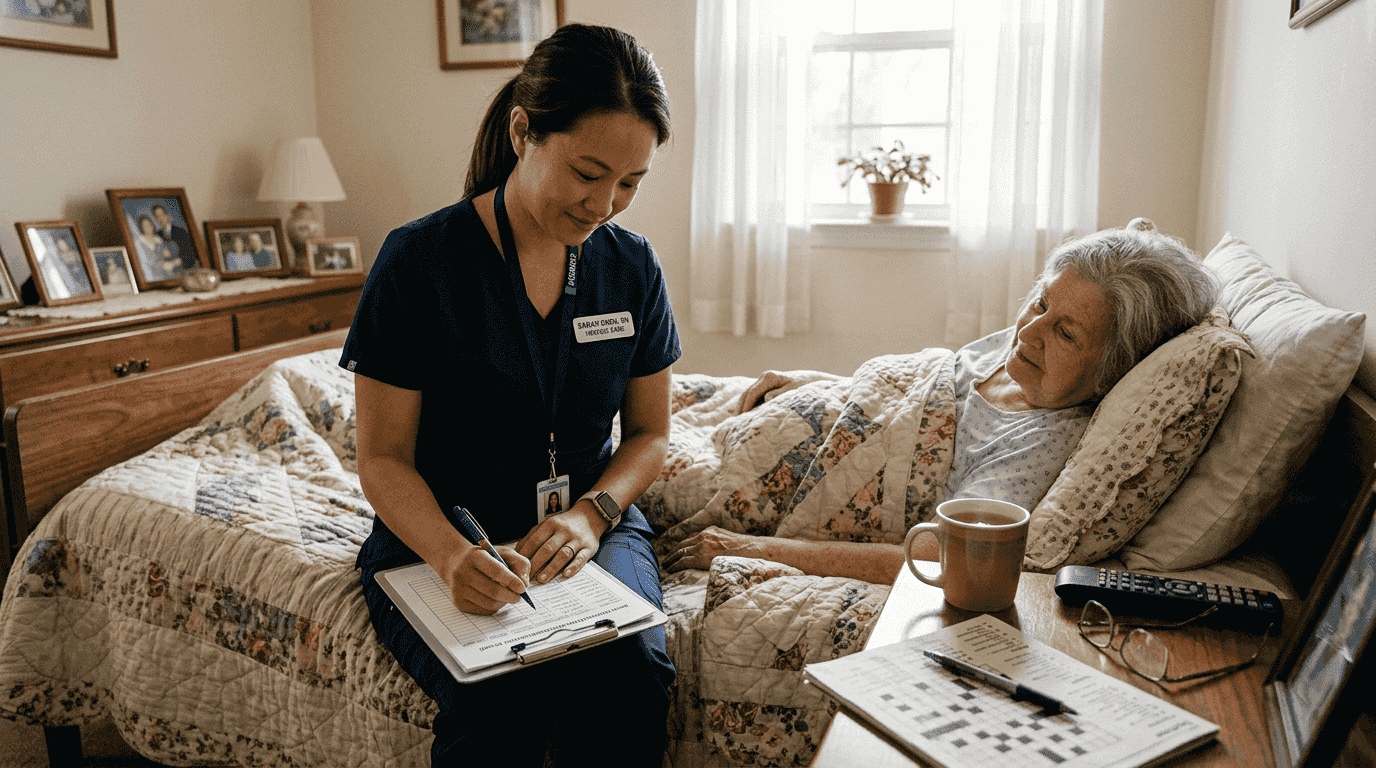
Effective pain management stands as the cornerstone of comfort care. Specialized techniques combine medications, positioning strategies, and complementary therapies to achieve relief. Studies document that over 90% of patients report adequate pain control in home hospice programs. Your care team monitors pain levels continuously and adjusts interventions before discomfort escalates.
Symptom management extends beyond pain to address breathing difficulties, nausea, anxiety, and fatigue. Each symptom receives targeted attention through evidence-based protocols tailored to your family member’s specific condition. The team anticipates common complications and prepares you with strategies to manage them confidently.
Physical comfort directly supports emotional peace. When pain and distressing symptoms are well controlled, patients can focus on meaningful activities like conversations with loved ones, listening to music, or simply resting peacefully. This quality of life improvement represents the true measure of successful comfort care.
Common symptoms managed in home hospice:
- Pain from cancer, organ failure, or other terminal conditions
- Shortness of breath and respiratory distress
- Nausea, vomiting, and digestive issues
- Anxiety, restlessness, and sleep disturbances
- Fatigue and weakness affecting daily activities
Pro Tip: Keep a simple symptom diary noting when discomfort occurs and what provides relief, helping your hospice nurse fine-tune the care plan during each visit.
| Symptom Type | Management Approach | Typical Effectiveness |
|---|---|---|
| Pain | Medication protocols, positioning, massage | 90-95% adequate control |
| Breathing issues | Oxygen therapy, medications, positioning | 85-90% symptom relief |
| Anxiety | Counseling, medications, relaxation techniques | 80-85% improvement |
| Nausea | Anti-nausea medications, dietary adjustments | 85-90% symptom control |
Benefit 2: emotional well-being through familiar surroundings
Receiving care at home preserves your loved one’s sense of identity and connection to their life story. Familiar surroundings provide psychological comfort that clinical environments cannot replicate. Patients experience greater dignity when surrounded by personal belongings, family photos, and the routines that define their daily lives.
Autonomy remains a central concern during end-of-life care. At home, patients maintain control over their environment, deciding when to rest, who visits, and how to spend their time. This independence supports emotional well-being by honoring personal preferences and respecting individual choices until the very end.
Family connections deepen when care happens at home. You share meals, watch favorite shows together, and create final memories in a space associated with love and security. Children and grandchildren can visit naturally without navigating institutional restrictions, fostering intergenerational bonds during this precious time.
The sense of security that home provides reduces anxiety for many patients. They know where everything is located, understand the daily rhythms, and feel safe in their own space. This psychological comfort complements physical symptom management, creating a holistic sense of well-being.
Emotional benefits of home-based comfort care:
- Preservation of personal identity and life story
- Maintained control over daily routines and decisions
- Strengthened family relationships and shared experiences
- Reduced anxiety from familiar, secure environment
- Enhanced dignity through personalized care settings
“Being at home means I can see my garden every morning, hear my grandchildren playing, and sleep in my own bed. These simple comforts matter more than any hospital could offer.” - Home hospice patient reflection
Comparing comfort care options: home hospice vs. institutional care
Understanding the differences between home and facility-based hospice helps you choose the best fit for your family’s situation. Both options provide quality end-of-life care, but they differ in environment, flexibility, and family involvement. Medi-Cal enrolled providers must meet rigorous standards regardless of setting, ensuring baseline quality across California.
Home hospice excels in personalization and family engagement. You control the environment, maintain normal routines, and participate actively in care delivery. The hospice team visits regularly but you provide continuous presence and immediate comfort. This arrangement works well when family members are available and the home environment is suitable for medical equipment and nursing visits.
Institutional hospice, whether in dedicated facilities or hospital units, offers 24-hour professional staffing and comprehensive medical resources. This option suits situations requiring intensive symptom management, complex medical needs, or when family caregivers need relief. Facilities provide structured environments with immediate access to medical interventions.
Patient satisfaction typically runs higher in home settings due to personalized attention and familiar surroundings. However, institutional care may be necessary for short periods during symptom crises or to provide family respite. Many families use both options strategically, starting at home and transitioning temporarily to facilities when needs intensify.
California’s Medi-Cal program covers both home and facility hospice care when providers meet enrollment requirements. Understanding these standards helps you evaluate potential providers and ensure your loved one receives care that meets state quality benchmarks.
| Feature | Home Hospice | Institutional Hospice |
|---|---|---|
| Environment | Familiar, personalized home setting | Clinical facility with medical resources |
| Family involvement | High, family provides continuous presence | Moderate, scheduled visiting hours |
| Flexibility | Highly adaptable to patient preferences | Structured routines and protocols |
| Medical resources | Visiting nurse access, on-call support | 24-hour staffing, immediate interventions |
| Best suited for | Stable symptoms, available family caregivers | Complex needs, caregiver respite periods |
Factors to consider when choosing care settings:
- Availability and capacity of family caregivers
- Complexity of medical needs and symptom management
- Home environment suitability for equipment and nursing visits
- Patient preference for familiar vs. structured environments
- Geographic proximity to professional hospice services
Explore compassionate hospice care options with Graceland Hospice
After learning about comfort care benefits, you may wonder how to access these services for your loved one. Graceland Hospice specializes in delivering personalized, compassionate home hospice throughout California. Our experienced team guides families through every step, from initial consultation to ongoing symptom management and emotional support.
We adhere to all Medi-Cal standards while providing the individualized attention that makes home hospice so effective. Our nurses, social workers, chaplains, and volunteers work collaboratively with your family to create care plans honoring your loved one’s unique needs and wishes. We handle the medical complexities so you can focus on spending meaningful time together.
Whether you’re just beginning to explore hospice options or need immediate support, Graceland Hospice offers free consultations to discuss your situation and answer questions. Contact us today to learn how we can help your family navigate this journey with dignity, comfort, and expert care.
Frequently asked questions about comfort care
What are the eligibility criteria for hospice care under Medi-Cal?
Patients qualify for Medi-Cal hospice when a physician certifies a terminal illness with a life expectancy of six months or less if the disease follows its natural course. The patient must elect hospice care and agree to focus on comfort rather than curative treatments. Medi-Cal covers all hospice services including nursing, medications, medical equipment, and support services without copayments or deductibles.
How do we start comfort care at home for our loved one?
Begin by contacting a Medi-Cal enrolled hospice provider to schedule an initial assessment. The hospice team evaluates your loved one’s medical condition, discusses care goals, and explains available services. If eligible, you complete enrollment paperwork and the team develops a personalized care plan. Understanding the home hospice workflow helps families prepare for this transition and know what to expect during the first weeks of care.
What is the difference between comfort care and curative treatments?
Curative treatments aim to eliminate disease or extend life through aggressive interventions like chemotherapy, surgery, or intensive medical procedures. Comfort care focuses exclusively on relieving symptoms, managing pain, and enhancing quality of life without attempting to cure the underlying illness. Patients choosing hospice agree to forgo curative approaches in favor of maximizing comfort and dignity during their remaining time.
What support is available for family caregivers during hospice?
Hospice programs provide extensive caregiver support including nursing education, respite care, counseling services, and 24-hour phone access for questions or concerns. Social workers connect families with community resources and assist with practical matters. Caregiver support services help prevent burnout by offering emotional guidance, practical training, and temporary relief when family members need rest.
What should we expect during hospice visits at home?
Nurses typically visit two to three times weekly to assess symptoms, adjust medications, and provide hands-on care like wound management or catheter care. Social workers and chaplains visit based on family needs, offering emotional and spiritual support. Aides may assist with bathing and personal care several times per week. All visits are scheduled around your family’s routine, and the team remains available by phone between visits for urgent concerns or questions.
Recommended
- 7 Key Advantages of Palliative Care for Caregivers | Graceland Hospice Care Blog
- Emergency care in hospice: a guide for California families | Graceland Hospice Care Blog
- Blog & Resources | Graceland Hospice Care
- Why Choose At-Home Hospice for Orange County Families | Graceland Hospice Care Blog
- Safety in elderly care: essential guide for families