Hospice care for dementia: compassionate support 2026
Hospice care for dementia: compassionate support 2026
Many families hesitate to choose hospice for dementia, fearing it means giving up on their loved one. In reality, hospice care improves quality of life during dementia’s final stage and provides compassionate support for both patients and caregivers. This guide clarifies when hospice care becomes appropriate, how it manages complex symptoms, and what families can expect from specialized dementia hospice services.
Table of Contents
- Understanding Hospice Care And Dementia
- When And How To Seek Hospice Care For Dementia
- How Hospice Manages Symptoms In Dementia Patients
- Supporting Family Caregivers Through Hospice
- Dispelling Common Myths About Hospice Care In Dementia
- Practical Steps To Prepare For Hospice Care At Home
- Explore Compassionate Hospice Care Options With Graceland
- FAQ
Key takeaways
| Point | Details |
|---|---|
| Hospice focuses on comfort | Care emphasizes dignity and symptom relief during dementia’s end stage rather than attempting cure. |
| Eligibility requires specific markers | Six-month prognosis with functional decline like inability to walk or eat independently signals hospice appropriateness. |
| Specialized symptom management | Multidisciplinary teams use tailored medication and non-drug approaches to reduce agitation, pain, and distress. |
| Caregiver support is essential | Families receive counseling, education, respite services, and ongoing communication to reduce burnout. |
| Myths delay critical care | Misconceptions about hospice hastening death prevent many families from accessing compassionate end-of-life support. |
Understanding hospice care and dementia
Hospice care shifts focus from curing disease to maximizing comfort and quality of life when treatments no longer work. For dementia patients, this means addressing the unique challenges of progressive cognitive decline with specialized approaches that honor dignity during the final months.
Dementia creates complex care needs that standard medical settings often struggle to meet. Patients experience confusion, behavioral changes, difficulty swallowing, and communication challenges that require nuanced expertise. Hospice teams bring this specialized knowledge directly to families.
Hospice eligibility generally requires a 6-month prognosis with defined cognitive and functional decline. For dementia, this typically means patients can no longer walk independently, eat without assistance, or recognize family members. These milestones signal the disease has reached its end stage.
Key aspects of dementia hospice care include:
- Comprehensive symptom management addressing physical discomfort, agitation, and psychological distress
- Medication adjustments to reduce harmful side effects while maximizing comfort
- Environmental modifications creating calm, familiar spaces that reduce confusion
- Communication strategies helping families connect meaningfully despite cognitive barriers
- 24/7 support ensuring families never face crises alone
Hospice does not abandon patients or hasten death. Instead, it provides intensive support during a natural process, ensuring every moment emphasizes comfort rather than invasive interventions that cause distress without improving outcomes.
When and how to seek hospice care for dementia
Recognizing the right moment for hospice referral remains one of caregiving’s most difficult challenges. Families often delay because dementia’s decline feels gradual rather than sudden, making it hard to identify clear transitions.
Specific functional markers indicate hospice appropriateness. Watch for these signs:
- Inability to walk or move without complete assistance
- Requiring help with all daily activities like bathing, dressing, and toileting
- Eating difficulties including refusal, choking, or inability to swallow
- Severe speech loss or complete inability to communicate
- Recurring infections, pneumonia, or pressure wounds despite treatment
- Weight loss exceeding 10% over six months
Advance care planning conversations significantly improve hospice enrollment timing. When families discuss end-of-life wishes early in dementia’s progression, they feel more prepared to act when symptoms worsen. These discussions also ensure care aligns with patient values rather than default medical interventions.
Uncertain prognosis often delays referral. Doctors struggle to predict dementia timelines precisely, leading some to recommend waiting. However, research shows early referral enhances both symptom control and caregiver well-being. Families gain months of specialized support rather than scrambling during crisis moments.
Pro Tip: Keep a symptom journal documenting eating difficulties, mobility changes, and behavioral shifts. This record helps doctors assess eligibility objectively and speeds referral decisions when you need guidance.
Once you recognize these markers, contact your physician or reach directly to hospice providers. Most organizations offer free consultations to assess eligibility without commitment. Starting this conversation early gives families time to explore options rather than making rushed decisions during medical emergencies.
How hospice manages symptoms in dementia patients
Hospice care significantly reduces physical discomfort and agitation in advanced dementia through medication management and non-pharmacological comfort measures. Teams customize approaches for each patient’s unique combination of cognitive and physical symptoms.
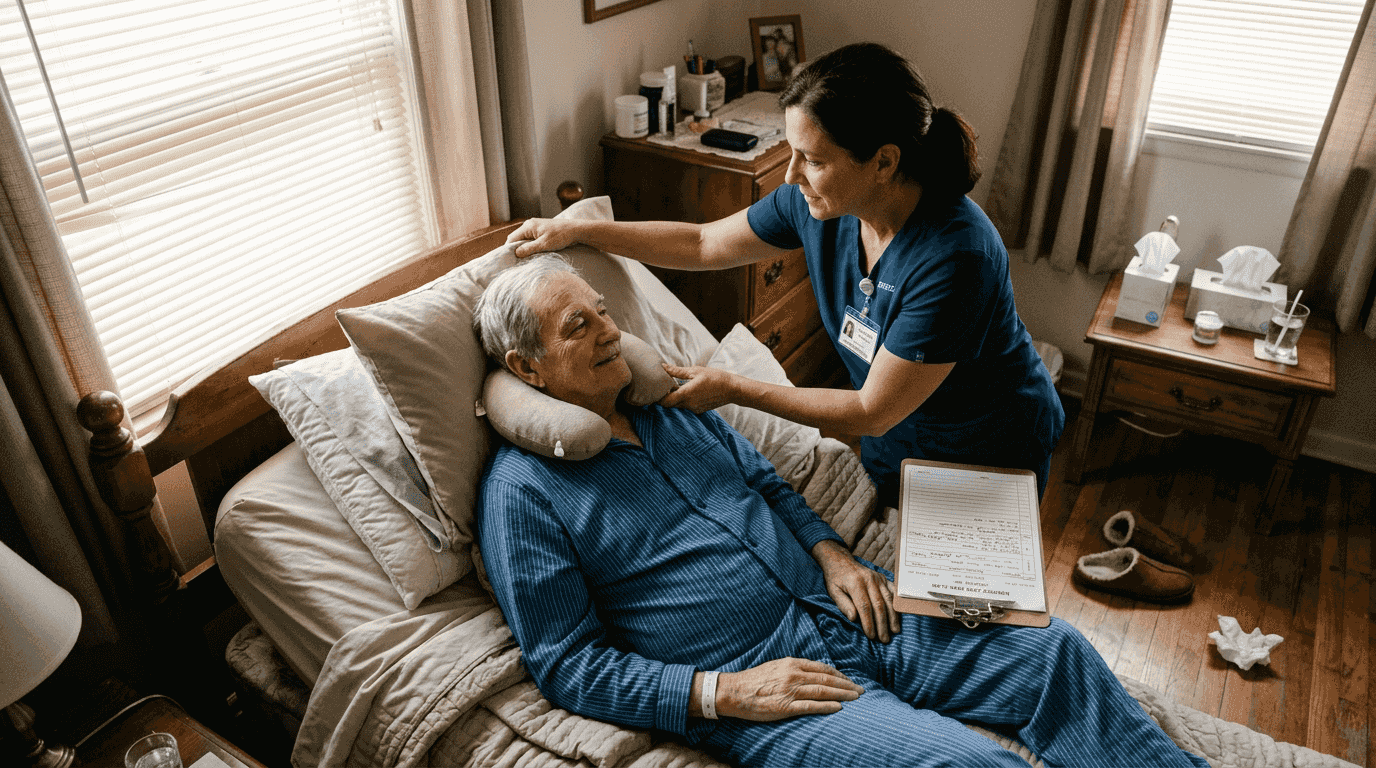
Pain management becomes particularly complex when patients cannot verbalize discomfort. Hospice nurses use facial expressions, body language, and behavioral cues to identify pain, then adjust medications accordingly. This careful monitoring prevents both under-treatment and excessive sedation.
Behavioral symptoms like agitation, aggression, or anxiety respond well to combined strategies:
- Low-dose medications targeting specific symptoms without heavy sedation
- Music therapy using familiar songs to calm and connect
- Gentle touch and massage reducing physical tension
- Consistent routines minimizing confusion and fear
- Environmental adjustments like reduced noise and controlled lighting
Home hospice settings generally decrease distress compared to hospitals or nursing facilities. Familiar surroundings, family presence, and personalized routines help patients feel safer despite cognitive decline. This comfort translates to fewer behavioral crises and reduced need for emergency interventions.
| Symptom | Hospice Management Approach | Benefit |
|---|---|---|
| Pain | Regular assessment, adjusted medications, positioning | Maintains comfort without over-sedation |
| Agitation | Calming techniques, routine, low-dose medications | Reduces distress for patient and family |
| Swallowing difficulty | Modified food textures, careful feeding, comfort feeding | Prevents choking while honoring dignity |
| Sleep disturbance | Sleep hygiene, medication timing, comfort measures | Improves rest for patient and caregivers |
Confusion and hallucinations require gentle redirection rather than confrontation. Hospice staff teach families techniques for validating feelings while maintaining safety. This approach reduces patient fear without creating conflict.
Pro Tip: Track what triggers agitation in your loved one. Patterns around time of day, hunger, or bathroom needs help hospice teams prevent crises before they start. Share these observations during team meetings for more effective symptom management.
Swallowing difficulties present ethical and practical challenges near life’s end. Hospice teams help families understand comfort feeding principles. Rather than forcing nutrition through tubes, careful hand-feeding respects patient cues while maintaining dignity and connection.
Supporting family caregivers through hospice
Family caregivers carry immense physical and emotional burdens during dementia’s final stage. Hospice recognizes that supporting caregivers directly improves patient care quality and family well-being long after their loved one passes.
Counseling services address grief, guilt, and exhaustion that accumulate through years of caregiving. Licensed counselors provide individual sessions, support groups, and crisis intervention when emotions become overwhelming. This emotional support continues for 13 months after patient death through bereavement programs.
Respite care gives caregivers essential breaks without guilt. Hospice arranges temporary inpatient stays or in-home care allowing families to rest, handle other responsibilities, or simply recharge. These breaks prevent burnout that leads to caregiver health crises.
Education empowers families to provide better care confidently:
- Understanding dementia progression helps families anticipate changes
- Learning symptom recognition enables faster response to discomfort
- Practicing care techniques builds competence and reduces anxiety
- Knowing what to expect during active dying removes fear of the unknown
Regular communication with hospice teams provides ongoing support beyond scheduled visits. Nurses answer questions by phone 24/7, ensuring families never face scary moments alone. This accessibility dramatically reduces emergency room visits driven by panic rather than medical necessity.
Social workers connect families with community resources, financial assistance programs, and legal guidance. They help navigate insurance complexities, apply for benefits, and plan for practical needs. This holistic support addresses the full range of challenges families face.
Spiritual care honors diverse beliefs and values throughout the journey. Chaplains provide comfort, facilitate difficult conversations, and help families find meaning during loss. This support extends to all family members regardless of religious affiliation.
Caregiver empowerment creates ripple effects improving patient comfort. When families feel supported and confident, they provide calmer, more responsive care. This reduces patient anxiety and creates peaceful final months focused on connection and dignity.
Caregivers also benefit from connecting with others facing similar challenges. Many hospice programs facilitate support groups where families share experiences, advice, and emotional support. These connections reduce isolation and provide practical wisdom that only those in similar situations truly understand.
The role of caregivers in hospice extends beyond physical tasks. Your presence, advocacy, and love create the foundation for compassionate end-of-life care. Hospice teams partner with you, never replacing your irreplaceable role.
Dispelling common myths about hospice care in dementia
Misconceptions about hospice prevent many families from accessing care that would significantly improve their loved one’s final months. Understanding the truth behind these myths helps families make informed decisions.
Myth 1: Hospice hastens death. Reality: Hospice neither prolongs nor shortens life. Care focuses on comfort during a natural process. Studies show hospice patients often live as long or longer than those receiving aggressive treatments because reduced stress and better symptom management improve overall health.
Myth 2: Choosing hospice means giving up. Reality: Hospice represents active care focused on what matters most, quality time and comfort. Teams work intensively to manage symptoms and support families. This commitment continues throughout the journey.
Myth 3: Hospice only provides care in the final days. Reality: Patients qualify when prognosis reaches six months or less, allowing months of specialized support. Early enrollment maximizes benefits for both patients and families.
Myth 4: You cannot receive hospice at home. Reality: Most hospice care happens in patients’ homes with regular nurse visits and 24/7 phone support. This setting often provides the most comfort and familiarity.
| Aspect | Palliative Care | Hospice Care |
|---|---|---|
| Goal | Symptom relief alongside curative treatment | Comfort and quality of life when cure is not pursued |
| Prognosis | Any stage of serious illness | Six months or less if disease follows expected course |
| Treatment focus | Can include disease-modifying therapies | Focuses on symptom management and dignity |
| Coverage | May require out-of-pocket costs | Fully covered by Medicare, Medicaid, and most insurance |
| Team approach | Consult service alongside other doctors | Comprehensive multidisciplinary team as primary care |
Myth 5: Hospice means no more medical care. Reality: Patients receive comprehensive care including medications, medical equipment, and nursing services. The difference lies in care goals, prioritizing comfort over cure.
Myth 6: Only cancer patients qualify for hospice. Reality: Dementia, heart disease, lung disease, and many other conditions qualify when they reach end stage with appropriate prognosis.
Educating families about these realities increases timely hospice acceptance. When misconceptions no longer create barriers, patients access comfort-focused care that honors their dignity and supports families through one of life’s most challenging transitions.
Practical steps to prepare for hospice care at home
Preparing the home by adapting the environment and educating caregivers reduces hospitalizations and improves hospice experience for dementia patients. Taking these steps before hospice begins creates smoother transitions and better outcomes.
-
Assess mobility and safety needs throughout your home. Remove tripping hazards like rugs and cords. Install grab bars in bathrooms and near beds. Ensure adequate lighting in hallways and bathrooms for nighttime safety.
-
Create a comfortable primary care space. Position the bed to allow caregiver access from both sides. Keep frequently needed items within easy reach. Consider a hospital bed if transfers become difficult.
-
Organize medication and supplies in a dedicated area. Use pill organizers and tracking systems to prevent errors. Keep emergency contact numbers posted prominently where all caregivers can access them.
-
Establish communication systems with the hospice team. Program contact numbers into phones. Understand protocols for routine questions versus emergencies. Know what situations require immediate calls versus waiting for scheduled visits.
-
Educate all family caregivers on basic care techniques before intensive needs arise. Practice transfers, positioning, and personal care while your loved one can still provide feedback. This builds confidence and identifies questions to ask hospice staff.
-
Plan for respite and backup support. Identify family members or friends who can provide breaks. Understand hospice respite options. Create schedules preventing any single caregiver from becoming overwhelmed.
Additional preparation considerations include:
- Gathering important documents like advance directives, insurance cards, and medication lists
- Setting up comfortable seating for family members who will spend extended time in the care space
- Creating memory books or music playlists that bring comfort and connection
- Discussing end-of-life wishes while your loved one can still participate in decisions
- Identifying spiritual or cultural practices important for final days and after death
Smart home technologies can enhance safety and comfort when used appropriately. Motion sensors alert caregivers to nighttime wandering. Smart thermostats maintain comfortable temperatures. Voice-activated lights eliminate fumbling for switches during urgent nighttime needs.
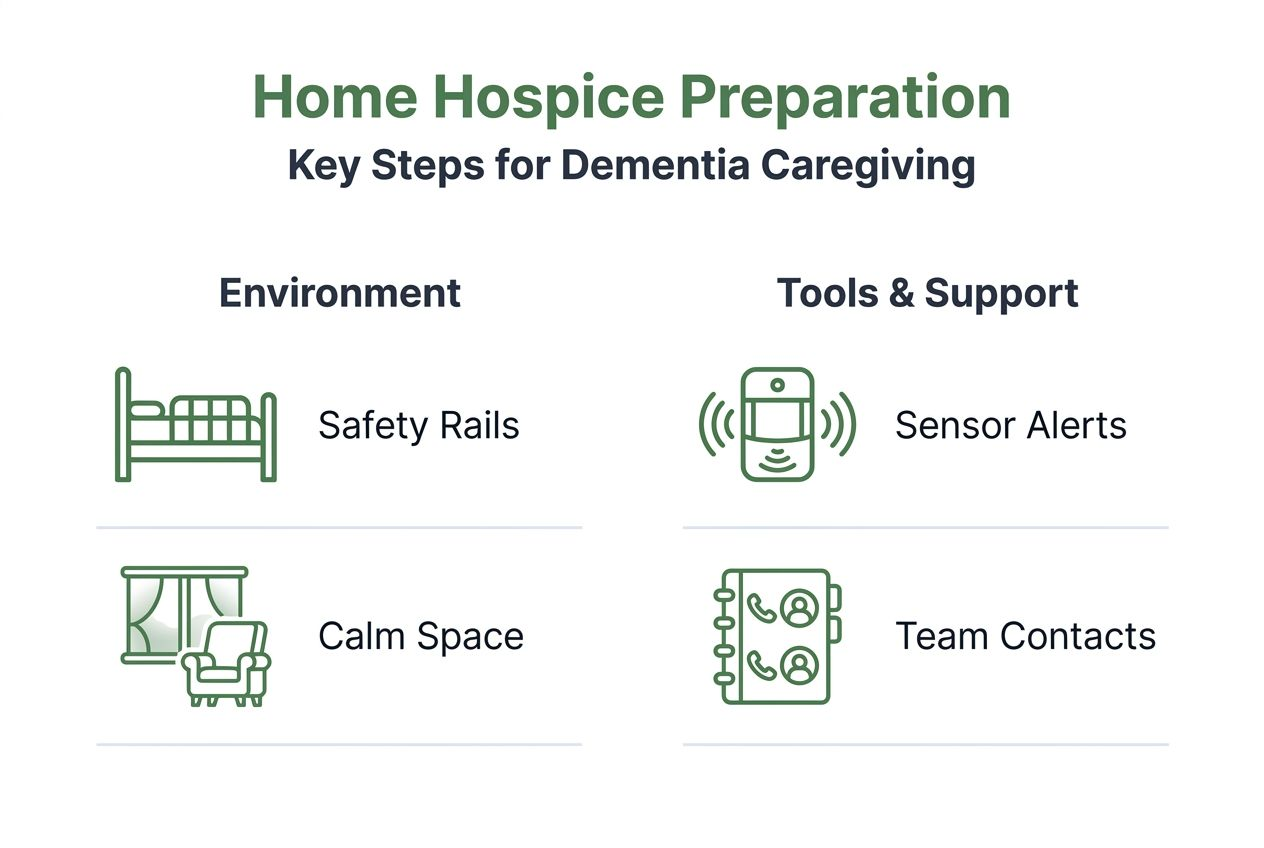
The home hospice care workflow guide provides detailed steps for coordinating daily care activities. Understanding typical visit schedules, emergency protocols, and team communication patterns helps families feel prepared rather than overwhelmed.
Early preparation demonstrates love and commitment while reducing crisis-driven decisions. When families take time to ready their homes and themselves, they create environments where comfort and dignity flourish throughout end-of-life care steps. This proactive approach transforms potentially chaotic final months into peaceful, meaningful time together.
Coordinating with your hospice team from the start ensures your preparation aligns with their care approach. Most programs offer pre-enrollment home assessments identifying modifications that improve safety and care delivery. Taking advantage of this expertise prevents costly mistakes and creates optimal care environments.
Remember that hospice visit workflows adapt to your family’s needs rather than forcing you into rigid schedules. Open communication about what works and what feels overwhelming helps teams customize support for your unique situation.
Explore compassionate hospice care options with Graceland
Navigating dementia’s final stage requires specialized support that honors your loved one’s dignity while sustaining your family through profound challenges. Graceland Hospice Care brings decades of expertise in dementia-specific hospice services directly to your home.
Our multidisciplinary teams understand the unique complexities of dementia end-of-life care. We combine clinical excellence with genuine compassion, creating care plans tailored to each patient’s needs and family’s circumstances. From symptom management to caregiver education, we provide comprehensive support throughout the journey.
We help families prepare comfortable home environments, navigate eligibility questions, and coordinate seamlessly with existing medical providers. Our 24/7 availability means you never face difficult moments alone, whether you need clinical guidance or emotional support.
Contact Graceland today for a free consultation. Let us help you provide the compassionate, dignified care your loved one deserves during life’s final chapter.
FAQ
What is hospice care for dementia?
Hospice care offers comfort-focused end-of-life support specifically tailored to dementia’s unique challenges. It prioritizes symptom relief, dignity, and quality time when cure is no longer possible or desired. Teams address physical discomfort, behavioral symptoms, and family support needs comprehensively.
How do I know when my loved one with dementia is eligible for hospice?
Eligibility requires advanced cognitive decline plus functional loss with a prognosis under six months. Look for inability to walk independently, difficulty swallowing, loss of meaningful communication, or being bedbound as key signals. Recurring infections or significant weight loss also indicate appropriateness.
Will hospice care hasten my loved one’s death?
Hospice care focuses exclusively on comfort and never hastens death through harmful interventions. It supports a natural dying process with dignity, symptom relief, and family support. Research shows hospice patients often experience equal or longer survival compared to those receiving aggressive treatments because reduced stress improves overall health.
What support is available for caregivers during hospice care?
Caregivers receive comprehensive support including emotional counseling, education about symptom management, and respite services for essential breaks. Hospice teams provide 24/7 communication access, support groups, and practical guidance on daily care activities. This support continues for over a year after your loved one passes through bereavement programs.
How can I prepare my home for hospice care?
Modify safety features by removing tripping hazards, installing grab bars, and improving lighting to reduce hospital trips. Create a comfortable primary care space with easy caregiver access. Educate yourself on basic care techniques and coordinate closely with your hospice team using resources like our home hospice care workflow guide for detailed preparation steps.
Recommended
- End of Life Care Guide for Compassionate At-Home Support | Graceland Hospice Care Blog
- Caregiver Support in Hospice: Easing End-of-Life Care | Graceland Hospice Care Blog
- Blog & Resources | Graceland Hospice Care
- Graceland Hospice Care | Compassionate Hospice Care in Orange County
- AI Care Plans - Comprehensive Treatment Planning | Meelio AI