Goals of hospice care: comfort, dignity, and support
Goals of hospice care: comfort, dignity, and support
Many families believe hospice care is only about dying, but this misconception misses the true purpose of hospice services. Hospice care prioritizes comfort, dignity, and quality of life for terminally ill patients and their families. In California, understanding what hospice truly offers helps families make informed decisions about compassionate end-of-life care. This guide explains the core goals of hospice care, from pain management to emotional support, and shows how these services ease the burden on loved ones during difficult times. You’ll discover why home hospice is the most common setting and how holistic care supports the whole person.
Table of Contents
- What Are The Primary Goals Of Hospice Care?
- Where Hospice Care Happens: Why Home Is The Most Common Setting
- Holistic Hospice Care: Supporting Emotional, Spiritual, And Family Needs
- Understanding Hospice Care Coverage And Practical Support
- Summary Of Hospice Care Goals And How Families Can Apply Them
- Discover Compassionate Hospice Care Options With Graceland Hospice Care
- What Are The Goals Of Hospice Care?
Key takeaways
| Point | Details |
|---|---|
| Comfort and dignity focus | Hospice care prioritizes symptom relief and preserving patient dignity over curative treatment. |
| Home-based care | Most hospice services occur at home, allowing families to participate in care within familiar surroundings. |
| Comprehensive coverage | Medicare and other programs cover medications, equipment, nursing, and counseling at no extra cost. |
| Holistic support | Emotional, spiritual, and caregiver support are integral components of hospice care. |
| Family assistance | Hospice services ease the physical and emotional burden on loved ones through education and respite care. |
What are the primary goals of hospice care?
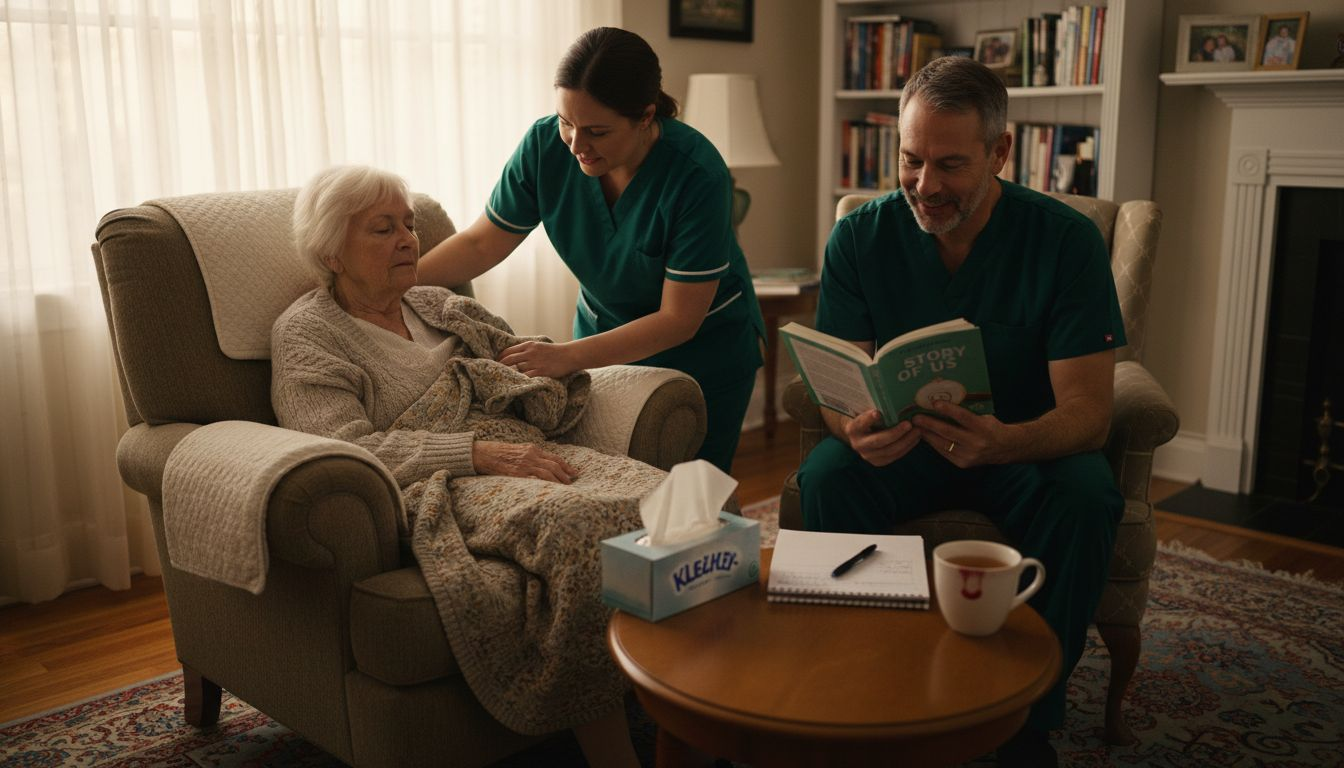
Hospice care centers on four fundamental goals that distinguish it from traditional medical treatment. The primary focus is comfort rather than cure, meaning medical teams work to relieve pain and manage symptoms instead of pursuing aggressive interventions. This approach preserves dignity and allows patients to spend their remaining time on what matters most to them and their families.
Pain and symptom management forms the cornerstone of hospice philosophy. Specialized nurses and physicians coordinate care to address physical discomfort through medications and equipment coverage such as hospital beds, oxygen, and pain-relief medicine. These resources support patient comfort whether care occurs at home or in facilities. The goal is to keep patients alert and engaged while minimizing distressing symptoms like nausea, shortness of breath, or anxiety.
Emotional support extends to both patients and families. Social workers, counselors, and trained volunteers provide companionship and help families navigate the complex feelings that arise during end-of-life transitions. This support enhances quality of life by reducing isolation and fear. Patients often express relief when they can discuss their concerns openly with someone trained in hospice care.
Spiritual care addresses the deeper questions patients face about meaning, legacy, and faith. Chaplains and spiritual counselors respect individual beliefs while offering guidance tailored to each person’s background. This dimension of care recognizes that comfort involves more than physical relief.
The hospice team creates personalized care plans that evolve as patient needs change. Regular assessments ensure interventions remain effective and aligned with patient wishes. Family members receive education about what to expect and how to provide hands-on care, which strengthens their confidence and involvement.
Key hospice care goals include:
- Managing pain and symptoms to maximize comfort
- Preserving dignity through personalized, respectful care
- Providing emotional support for patients and families
- Addressing spiritual needs and existential concerns
- Coordinating medical equipment and medication delivery
- Educating families about care techniques and expectations
Pro Tip: Starting hospice care early, when patients still have energy and clarity, improves symptom control and gives families more time to prepare emotionally. Many people wait too long, missing valuable support during the transition period. For more guidance on symptom relief, explore managing pain symptoms hospice care strategies.
Where hospice care happens: why home is the most common setting
Nearly 63.6% of Medicare beneficiaries receive hospice services at home, making it the most prevalent setting for end-of-life care. This preference reflects the deep human need for familiar surroundings during vulnerable times. Home hospice allows patients to remain in environments filled with personal memories, surrounded by loved ones who can participate actively in care.
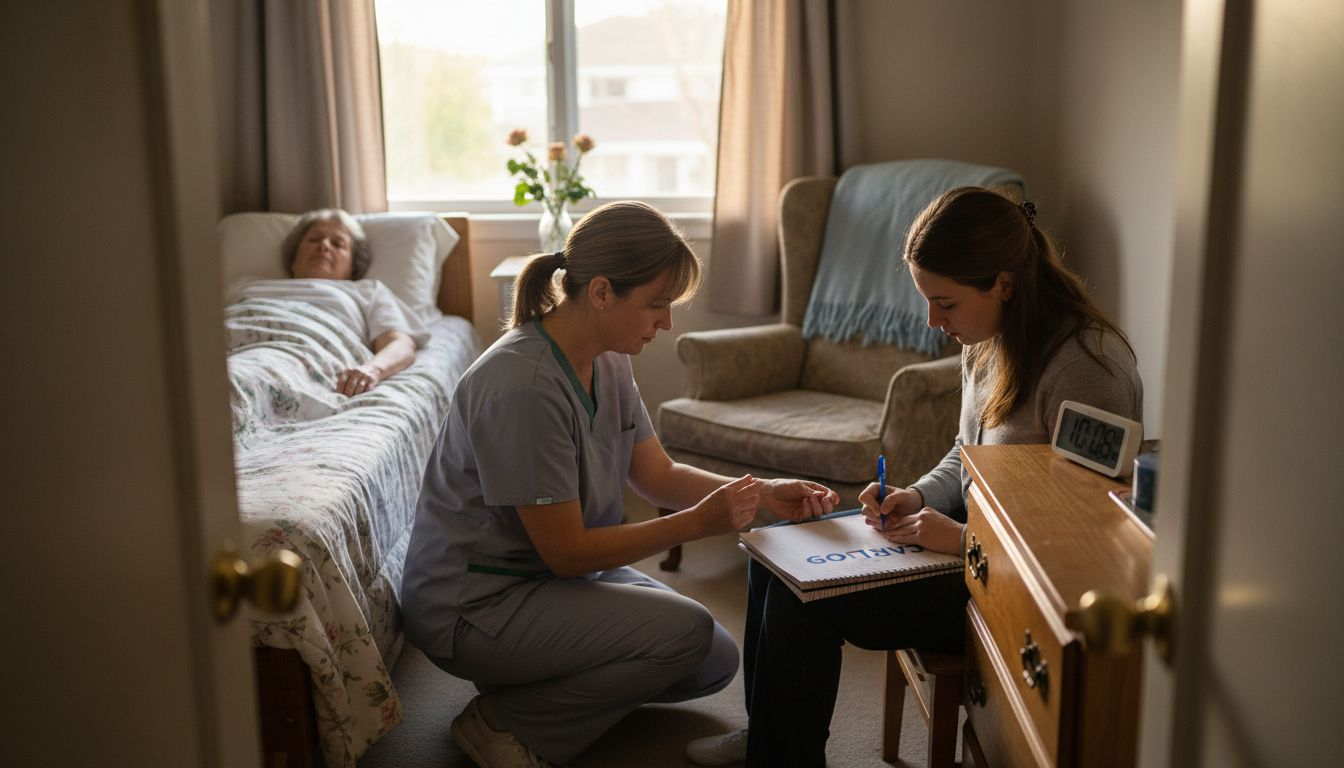
The benefits of home hospice extend beyond emotional comfort. Families can maintain daily routines while integrating care activities, which reduces the disruption that hospital stays create. Children, pets, and extended family can visit freely without institutional restrictions. This flexibility supports the patient’s sense of normalcy and control during a period when many aspects of life feel uncertain.
Home hospice teams bring comprehensive support directly to the residence. Nurses make regular visits to assess symptoms, adjust medications, and teach family members care techniques. Medical equipment arrives promptly, including hospital beds that adjust for comfort, oxygen concentrators for breathing support, and specialized mattresses to prevent skin breakdown. All these resources arrive at no cost to families under Medicare hospice coverage.
Personalized care flourishes in home settings because providers can observe how patients interact with their environment and loved ones. This context helps teams tailor interventions to individual preferences and cultural practices. A patient who loves gardening might receive care near a window overlooking their flowers, while someone who values privacy can retreat to a quiet room when needed.
Other hospice settings serve patients whose needs exceed what home care can provide. Inpatient hospice units in hospitals offer intensive symptom management when pain or other symptoms become difficult to control at home. Nursing homes and assisted living facilities also provide hospice services for residents already living in those communities. The setting choice depends on medical complexity, family capacity, and patient preference.
Home hospice advantages:
- Familiar environment reduces stress and anxiety
- Family members participate directly in care
- Flexible visiting hours for all ages
- Personalized routines and cultural practices honored
- All necessary equipment and medications provided
- Professional nursing support available 24/7 by phone
Learn more about why hospice at home families choose this option and review the home hospice care workflow guide for practical implementation steps.
Holistic hospice care: supporting emotional, spiritual, and family needs
Hospice care recognizes that people are more than their physical symptoms. Emotional well-being, spiritual peace, and family stability all contribute to quality of life during end-of-life transitions. This holistic approach addresses the full spectrum of human needs, ensuring patients feel supported on every level.
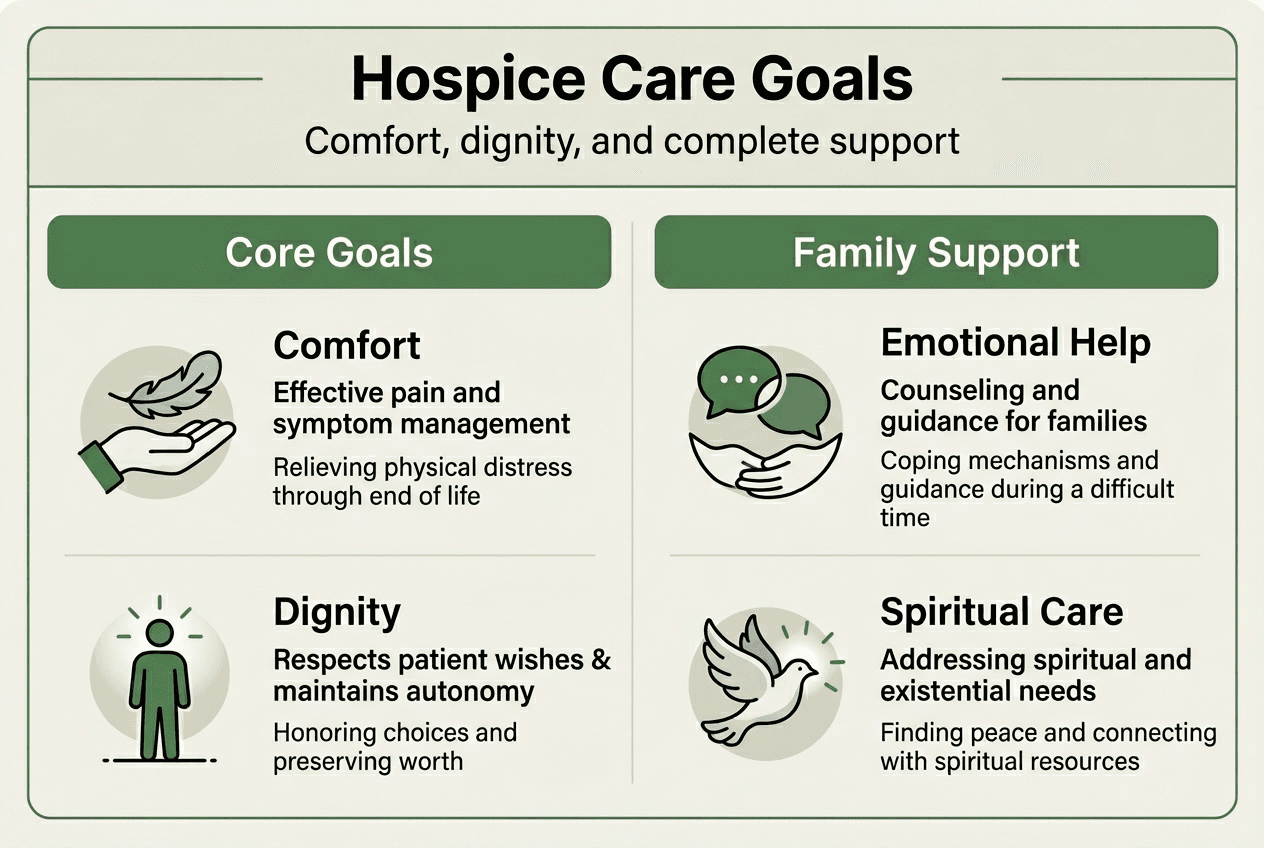
Emotional support helps reduce the anxiety, fear, and isolation that often accompany terminal illness. Licensed counselors and social workers meet with patients to discuss concerns about dying, unfinished business, or family relationships. These conversations create space for honest expression without judgment. Patients often find relief in acknowledging their fears rather than suppressing them.
Spiritual care adapts to each patient’s beliefs and practices. Chaplains trained in interfaith counseling offer guidance for those seeking religious comfort, while respecting the wishes of patients who prefer secular approaches. Some patients want prayer or scripture reading, others seek meditation or reflection on life’s meaning. The importance spiritual care hospice extends beyond religion to encompass questions of purpose, legacy, and connection.
Family support forms a critical component of holistic hospice care. Caregivers face physical exhaustion from hands-on care duties and emotional strain from watching a loved one decline. Hospice teams provide education on care techniques, which builds caregiver confidence and competence. Respite care offers temporary relief, allowing family members to rest or attend to other responsibilities without guilt.
Grief counseling begins before death occurs, helping families process anticipatory grief and prepare for loss. After death, bereavement support continues for up to 13 months under most hospice programs. This extended support recognizes that grief doesn’t end at the funeral. Support groups connect families with others who understand their experience.
Social workers coordinate practical matters that cause stress during end-of-life care. They help families navigate insurance questions, arrange medical equipment, and connect with community resources. This advocacy removes barriers that might otherwise prevent families from accessing full hospice benefits.
Holistic support components:
- Licensed counseling for emotional processing
- Spiritual care tailored to individual beliefs
- Family education on care techniques
- Respite services for caregiver relief
- Bereavement support extending beyond death
- Social work assistance with practical matters
Pro Tip: Involving social workers and chaplains early in hospice care maximizes their effectiveness. These professionals need time to build trust and understand family dynamics before crises arise. Explore caregiver support hospice families resources and examples of hospice services for families for comprehensive support options.
Understanding hospice care coverage and practical support
Many families worry about the cost of hospice care, but Medicare and most insurance plans cover hospice services completely. Understanding what’s included helps families access the full range of support available without financial stress. This coverage represents one of the most comprehensive benefits in the healthcare system.
Medicare hospice benefits include all services related to the terminal diagnosis. This encompasses nursing care, physician services, medications for symptom management, medical equipment like hospital beds and wheelchairs, and counseling for patients and families. Medications and equipment coverage includes hospital beds, oxygen, and pain-relief medicine delivered directly to the home. There are no deductibles or copayments for these services.
The coverage extends beyond medical care to support services that enhance quality of life. Home health aides assist with bathing, dressing, and personal care. Volunteers provide companionship and respite for family caregivers. These services reduce the burden on families while ensuring patients receive attentive, dignified care.
| Service Category | Standard Medicare | Hospice Coverage |
|---|---|---|
| Nursing visits | Limited frequency | Unlimited as needed |
| Pain medications | 20% copay | No cost |
| Medical equipment | 20% copay | No cost |
| Counseling services | Not covered | Fully covered |
| Respite care | Not covered | Up to 5 days |
Accessing hospice benefits requires three simple steps. First, a physician certifies that the patient has a life expectancy of six months or less if the illness follows its natural course. This doesn’t mean patients must die within six months, many people live longer and continue receiving hospice care. Second, the patient chooses a Medicare-approved hospice provider. Third, the patient signs a consent form electing hospice care instead of curative treatment for the terminal condition.
Steps to access hospice coverage:
- Obtain physician certification of terminal illness with six-month prognosis
- Select a Medicare-approved hospice provider in your area
- Sign consent form electing hospice benefit over curative treatment
Families can revoke hospice care at any time if they change their minds or want to pursue curative treatment again. This flexibility ensures patients maintain control over their care decisions. For comprehensive information, review understanding hospice care guide for families and check Medicare hospice coverage details.
Summary of hospice care goals and how families can apply them
The core goals of hospice care revolve around comfort, dignity, holistic support, and family involvement. These principles guide every decision and intervention, ensuring patients spend their remaining time focused on what brings them peace and meaning. Families who understand these goals can advocate effectively for their loved ones and make informed choices about care options.
Discussing hospice early with healthcare providers opens doors to support that might otherwise remain closed. Many physicians hesitate to raise the topic, fearing it will discourage patients. Families can initiate these conversations by asking about hospice eligibility and what services might benefit their situation. Early enrollment allows more time to establish relationships with the care team and adjust to the hospice philosophy.
When evaluating hospice providers, families should consider several practical factors. The provider’s reputation for responsiveness matters because needs can arise suddenly. Geographic coverage area determines how quickly nurses can reach the home. Staff qualifications and training in pain management affect the quality of symptom control. Cultural sensitivity ensures care aligns with family values and traditions.
Tips for evaluating hospice care options:
- Ask about average response time for urgent calls
- Verify the provider serves your specific location
- Inquire about staff training in pain and symptom management
- Discuss how the team honors cultural and spiritual preferences
- Request references from families who used the service
- Confirm availability of 24/7 nursing support by phone
Personalized, compassionate care aligned with the patient’s wishes should guide all hospice decisions. Some patients want aggressive symptom management even if it causes sedation, while others prefer staying alert despite some discomfort. These choices deserve respect and accommodation. Families serve their loved ones best by listening to expressed preferences and advocating for care that honors those wishes.
Hospice care eases both emotional and physical burdens for families. The knowledge that professional support is available around the clock reduces anxiety. Education from nurses and aides builds confidence in providing hands-on care. Respite services prevent caregiver burnout. These supports allow families to focus on spending quality time with their loved one rather than struggling with medical tasks alone. For location-specific guidance, explore what is hospice care orange county resources.
Discover compassionate hospice care options with Graceland Hospice Care
Graceland Hospice Care delivers personalized services that embody the goals of comfort and dignity discussed throughout this guide. Our team specializes in expert pain management, ensuring patients remain comfortable while staying as alert as they choose. We provide comprehensive emotional and spiritual support tailored to each family’s unique needs and beliefs.
Located in Orange County, we serve families throughout California with accessible, responsive care. Our nurses, social workers, chaplains, and volunteers work together to address every dimension of end-of-life needs. We include family caregiver assistance as a core component of our services, recognizing that supporting caregivers directly benefits patients.
Pro Tip: Contacting Graceland early maximizes the support and planning capabilities available to your family. Early enrollment allows our team to build relationships, understand preferences, and implement proactive symptom management before crises develop.
Our mission reflects our commitment: “We honor your loved one’s wishes with compassionate, holistic care that prioritizes their comfort and dignity above all else.” This philosophy guides every interaction and decision. We believe the gift of hospice should reach all eligible patients and families without exception.
Explore our compassionate hospice care services and learn more about Orange County hospice care options. Visit our hospice care blog and resources for additional guidance on navigating end-of-life decisions with confidence and peace.
What are the goals of hospice care?
What does hospice care focus on besides dying?
Hospice care emphasizes comfort, dignity, and quality of life rather than death itself. The focus includes managing symptoms, providing emotional and spiritual support, and helping patients engage in meaningful activities. Families receive education and respite services to ease caregiving burdens.
Can hospice care be provided at home?
Yes, most hospice care occurs at home where patients feel most comfortable. Nurses visit regularly, and medical equipment arrives as needed. Families can participate in care while maintaining familiar routines and surroundings.
What services are covered under hospice care?
Medicare and most insurance plans cover all hospice services related to the terminal diagnosis at no cost. This includes medications, medical equipment, nursing care, physician services, counseling, and spiritual support. There are no deductibles or copayments for covered services.
How does hospice support family caregivers?
Hospice teams provide caregiver education on care techniques, building confidence and competence. Respite care offers temporary relief so caregivers can rest. Social workers help with practical matters, and grief counseling supports families before and after death.
When should a family consider hospice care?
Families should consider hospice when curative treatment is no longer effective or desired for a terminal illness. A physician certifies eligibility based on a six-month prognosis if the disease follows its natural course. Earlier enrollment provides more time to benefit from comprehensive support services.