10 comforting ways to support hospice patients at home
10 comforting ways to support hospice patients at home
TL;DR:
- Comfort care focuses on symptom management to enhance quality of life, not curing illness.
- Combining medications with non-pharmacological methods like music and massage improves physical comfort.
- Emotional and spiritual support through presence, conversation, and spiritual resources is vital for peace.
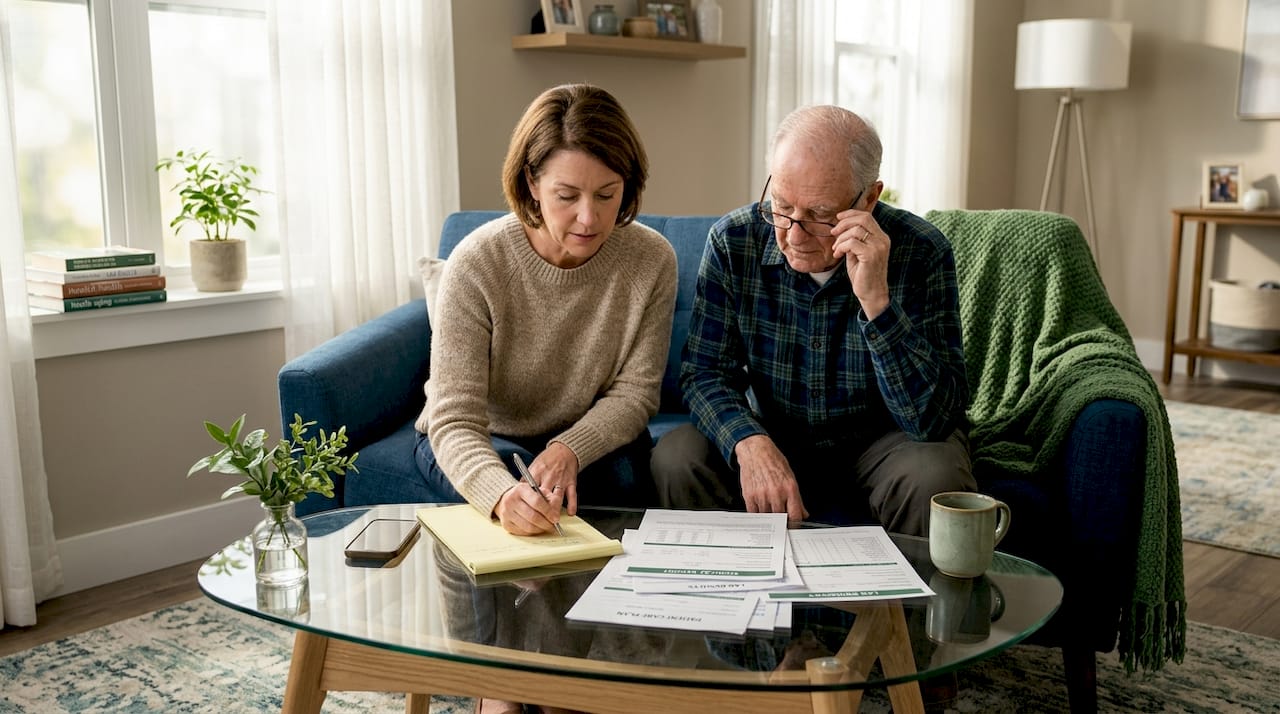
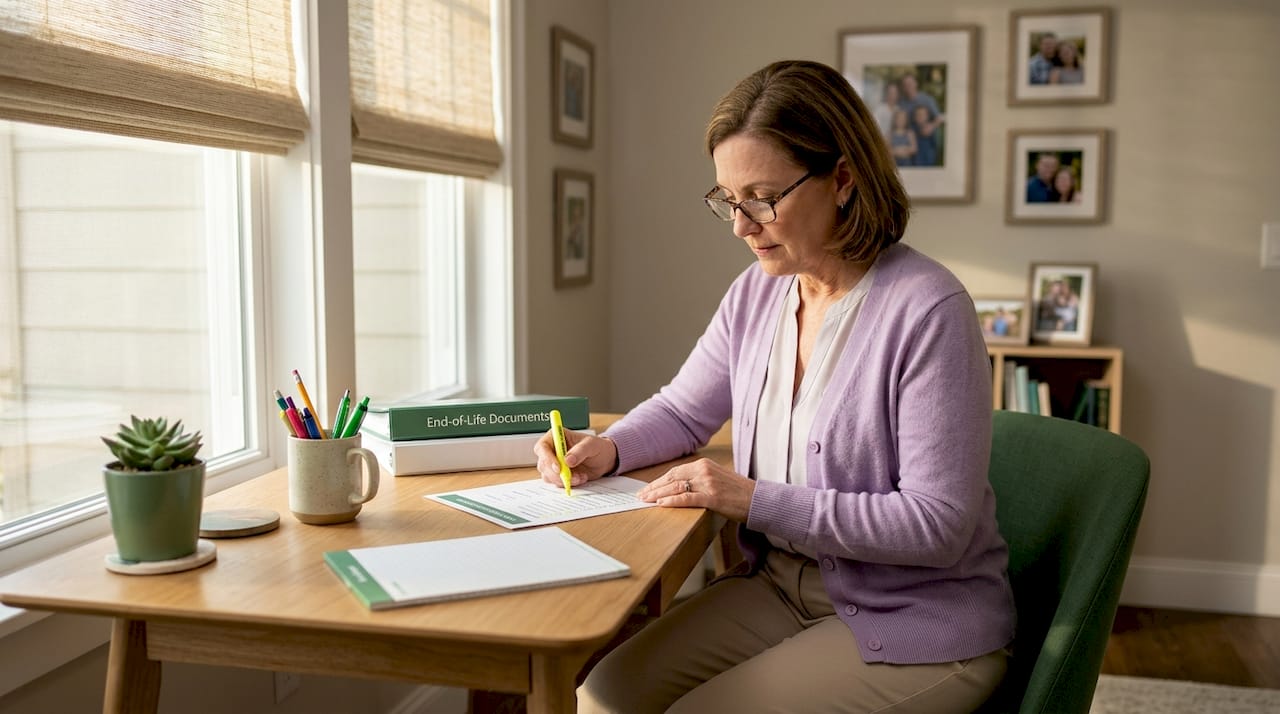
Caring for a loved one at home during hospice is one of the most meaningful and demanding roles a family can take on. You are managing physical symptoms, emotional needs, and daily logistics, all while navigating grief and uncertainty. California families have access to a range of hospice support programs, but knowing how to use them, and which comfort strategies actually work, can feel overwhelming. This guide walks you through 10 practical, evidence-based approaches to comfort care at home, so you can feel more confident, more prepared, and more present during life’s final chapter.
Table of Contents
- Understanding comfort care in California hospice
- Physical comfort methods: Managing pain and symptoms
- Emotional and spiritual support techniques
- Practical collaboration: Working with your hospice team
- What most guides miss about comfort at home
- How Graceland Hospice Care supports you at home
- Frequently asked questions
Key Takeaways
| Point | Details |
|---|---|
| Comfort care focus | Prioritizing comfort and dignity at home benefits both patients and their families. |
| Non-drug strategies work | Simple non-pharmacological methods like music and massage can provide substantial relief. |
| Team collaboration matters | Partnering with the hospice team is essential for effective and coordinated support. |
| Self-care for caregivers | Taking care of yourself allows you to provide the best comfort possible for your loved one. |
Understanding comfort care in California hospice
Comfort care is not the same as giving up. It is a deliberate shift in focus, from treating an illness to managing symptoms and improving quality of life. In a home hospice setting, this means every decision centers on what makes your loved one feel better, safer, and more at peace.
Unlike curative care, which aims to fight disease, comfort care prioritizes dignity and relief. This distinction matters because it shapes how medications are given, how symptoms are managed, and how the care team communicates with your family.
In California, hospice programs offer several levels of support:
- Routine home care: The most common level, where a hospice team visits regularly while family members provide daily care.
- Continuous home care: Intensive nursing support during a medical crisis, available for short periods.
- Respite care: Temporary inpatient care that gives family caregivers a break, typically up to five days at a time.
- General inpatient care: For symptoms that cannot be managed at home, available when medically necessary.
Medi-Cal covers routine, continuous, and respite hospice care with a focus on comfort, involving coordinated 24/7 support between family and hospice teams. This means many California families can access professional hospice services without significant out-of-pocket costs.
When choosing comfort methods, consider your loved one’s personal preferences first. Does music bring them peace? Do they prefer quiet? Factor in the type and severity of symptoms, your own availability, and what resources the hospice team can provide. Reviewing hospice care standards in California can also help you understand what to expect and what to ask for.
The most effective comfort plans are built together, with input from the patient, the family, and the interdisciplinary hospice team.
Physical comfort methods: Managing pain and symptoms
Physical comfort is the foundation of good hospice care. When pain, breathlessness, or restlessness are well managed, your loved one can be more present, more communicative, and more at ease.
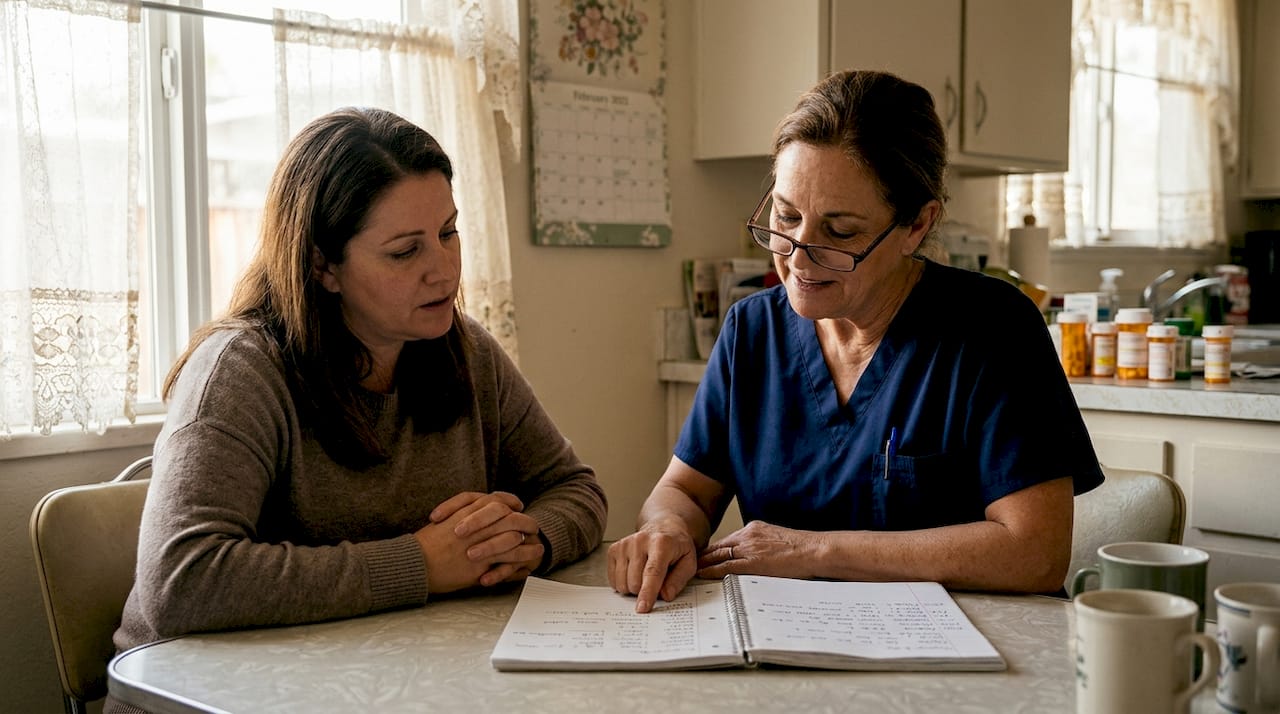
Physician-coordinated medications remain the primary tool for symptom control. Opioids, anti-anxiety medications, and anti-nausea drugs are commonly used and carefully adjusted based on regular assessments. Never adjust medications without consulting your hospice nurse, but do report any changes in symptoms right away.
Beyond medications, non-pharmacological methods can make a significant difference. Music therapy and massage have proven effectiveness in improving comfort among hospice patients. Here are practical options you can use at home:
- Music therapy: Play familiar, calming music softly in the background. Even patients with limited awareness often respond positively to music.
- Gentle massage: Light hand or foot massage can reduce tension and create a sense of connection.
- Repositioning: Changing your loved one’s position every two hours prevents pressure sores and reduces discomfort.
- Warm or cool compresses: These can ease localized pain or fever without medication.
- Aromatherapy: Lavender and chamomile scents may promote relaxation for some patients.
- Breathing support: Elevating the head of the bed and using a small fan can ease breathlessness.
Pain, breathlessness, and lethargy are the most common symptoms in hospice. Effective management hinges on regular assessment and tailored interventions.
| Method | Effectiveness | Effort level |
|---|---|---|
| Music therapy | High for anxiety and pain | Low |
| Gentle massage | High for tension and connection | Moderate |
| Repositioning | High for pressure relief | Moderate |
| Standard medication | High for acute symptoms | Low (once prescribed) |
| Aromatherapy | Moderate for relaxation | Low |
For more guidance on managing pain and symptoms at home, your hospice nurse is your best resource. You can also review the comfort care visit workflow to understand how visits are structured and what to prepare.
Pro Tip: Keep a simple daily log of symptoms, including time, severity, and what helped. This record helps your hospice team fine-tune medications and non-pharmacological strategies much more quickly. Explore therapy techniques for comfort that can complement your care routine.
Emotional and spiritual support techniques
Beyond physical comfort, addressing emotional and spiritual needs is essential for a peaceful and dignified end-of-life experience. Many families focus so heavily on physical symptoms that emotional care becomes secondary. In reality, both are equally important.
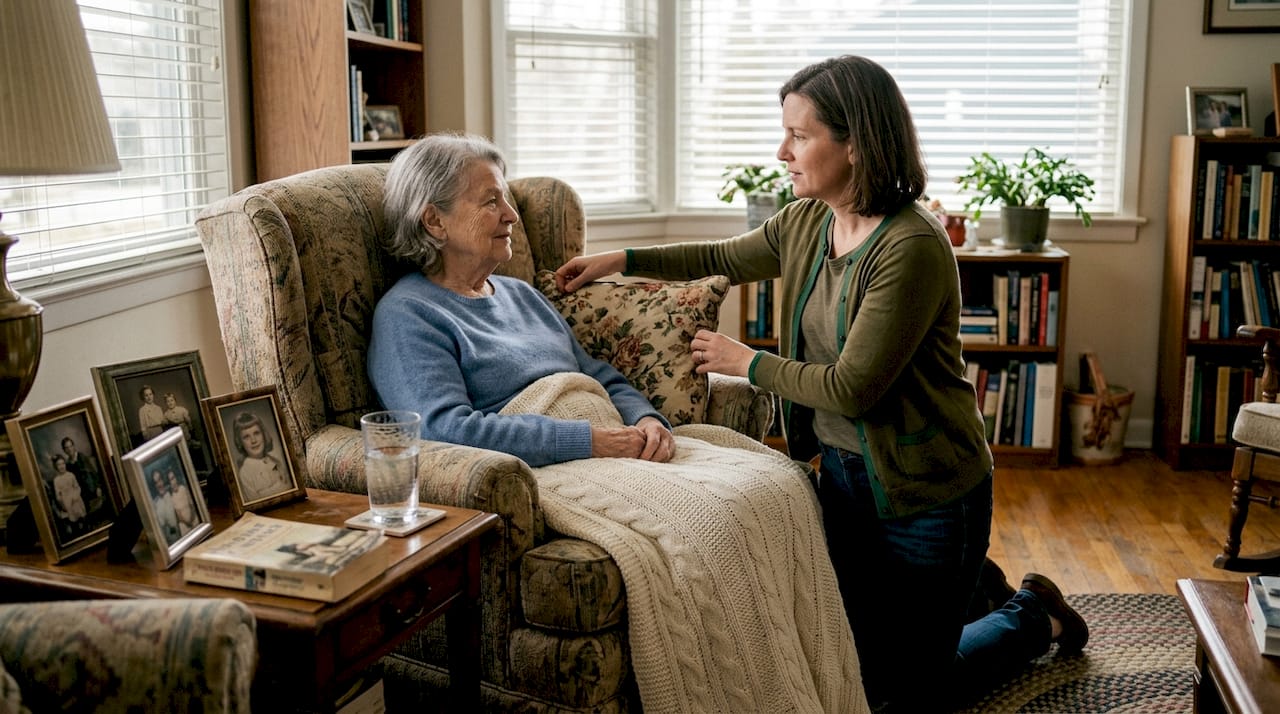
Simple gestures carry enormous weight. Sitting quietly beside your loved one, holding their hand, or reading aloud from a favorite book can communicate presence and love without words. These acts of “holding space” acknowledge that your loved one is seen and valued.
Here are practical emotional and spiritual support techniques:
- Reminiscence conversations: Invite your loved one to share memories. Ask about their childhood, favorite experiences, or proudest moments. This affirms their life story.
- Legacy and memory projects: Help create a memory book, record voice messages, or write letters to family members. These projects give patients a sense of purpose and leave something meaningful behind.
- Involving chaplains or clergy: Hospice chaplains are trained to support patients and families of all faiths and no faith. They can facilitate meaningful conversations about life, meaning, and peace.
- Music and familiar surroundings: Familiar objects, photos, and music can reduce anxiety and create a sense of safety.
- Compassionate communication: Speak directly to your loved one, even if they appear unresponsive. Hearing is often the last sense to fade.
Family caregivers acting as advocates and partners with interdisciplinary hospice teams yield improved quality of dying and relational outcomes. Your involvement is not just helpful, it is genuinely transformative.
Pro Tip: Before each hospice team meeting, write down two or three questions or observations about your loved one’s emotional state. This keeps conversations focused and ensures nothing important is missed. For deeper guidance, explore this at-home support guide and review available caregiver support resources designed specifically for hospice families.
Practical collaboration: Working with your hospice team
To tie these comfort strategies together, it is crucial to work alongside the entire hospice support network. No caregiver should feel alone in this role, and the hospice team is designed to be your partner, not just a service provider.
Sharing the right information with your hospice team makes a real difference. Here is what to communicate at every visit or call:
- Any new or worsening symptoms, including pain, breathing changes, or restlessness
- Changes in eating, drinking, or sleeping patterns
- Emotional or behavioral shifts, such as increased anxiety or withdrawal
- Your loved one’s stated wishes or preferences, even if they have changed
- Your own concerns or questions as a caregiver
Caregivers who actively partner with hospice teams report higher satisfaction and improved outcomes. Active communication is not just courteous, it is clinically effective.
| Team member | Role | Best way to interact |
|---|---|---|
| Hospice nurse | Symptom management, medication oversight | Call with any symptom changes; document daily observations |
| Home health aide | Personal care, bathing, grooming | Share daily routine preferences and comfort habits |
| Social worker | Emotional support, resource coordination | Discuss family concerns, financial questions, or care transitions |
| Chaplain | Spiritual and existential support | Request visits when your loved one or family needs emotional grounding |
| Physician | Medical oversight, prescription adjustments | Communicate through the nurse; request a call for major concerns |
Most hospice programs offer a 24/7 support line. Use it. It exists for moments of uncertainty, not just emergencies. Document every call, including who you spoke with and what was recommended. This creates a clear record that supports better care. For a full overview of how to navigate this process, review this hospice workflow for families and the practical end of life care steps available through Graceland’s resource center.
What most guides miss about comfort at home
Most hospice guides focus on clinical protocols and team coordination, and those things matter. But there is something they consistently underestimate: the power of ordinary family presence.
Hospital-centric thinking assumes that professional intervention is always superior. At home, the opposite is often true. Familiar voices, familiar smells, a beloved pet nearby, these are not secondary comforts. For many patients, they are the primary source of peace. No nurse visit, however skilled, can replicate what a family member provides simply by being there.
We also see families undervalue non-pharmacological methods because they feel “too simple.” Music, touch, and life review conversations are not supplementary. They address dimensions of suffering that medications cannot reach.
Finally, self-care for caregivers is not a luxury. It is what sustains the quality of care your loved one receives. Comparing hospice vs home health options can help you understand when additional support is appropriate. Trust your instincts. You know your loved one better than any care plan does. Perfection is not the goal. Presence is.
How Graceland Hospice Care supports you at home
If you are feeling uncertain about how to bring these strategies together, you do not have to figure it out alone. Graceland Hospice Care serves California families with personalized, compassionate home hospice support, including 24/7 guidance for caregivers, coordinated interdisciplinary care, and resources tailored to each patient’s needs. We believe families are partners in care, not bystanders, and we are here to empower you every step of the way. Visit our blog and resources center to explore additional guides on comfort strategies, caregiver support, and navigating California hospice programs. Contact us today for a free consultation.
Frequently asked questions
What are non-pharmacological comfort measures in hospice?
Common non-pharmacological measures include music therapy, massage, positioning, touch, and creating a calming environment. These approaches complement medications and address emotional as well as physical comfort.
How does Medi-Cal support home hospice care for families?
Medi-Cal covers hospice at home in California, offering routine, continuous, and respite services with coordinated family and professional support. Eligible patients can access these benefits without significant out-of-pocket costs.
Why is collaboration with the hospice team important?
Active partnership with hospice teams improves patient comfort, caregiver satisfaction, and the overall end-of-life experience. Sharing observations and preferences regularly helps the team make better, faster adjustments to care.
How can caregivers balance self-care while supporting a loved one?
Caregivers should set realistic boundaries, delegate tasks when possible, and use available respite care periods to rest and recharge. Maintaining your own wellbeing directly supports the quality of care you provide.
Recommended
- End of Life Care Guide for Compassionate At-Home Support | Graceland Hospice Care Blog
- Hospice Visit Workflow for Comfort Care at Home | Graceland Hospice Care Blog
- End of Life Care Steps for Home Hospice Success | Graceland Hospice Care Blog
- Blog & Resources | Graceland Hospice Care
- Understanding Palliative Care: A Holistic Approach to Serious Illness with Dr. John Horton