How psychosocial support in hospice eases end-of-life care
How psychosocial support in hospice eases end-of-life care
TL;DR:
- Up to 70% of caregivers during hospice experience depression, highlighting the need for emotional support.
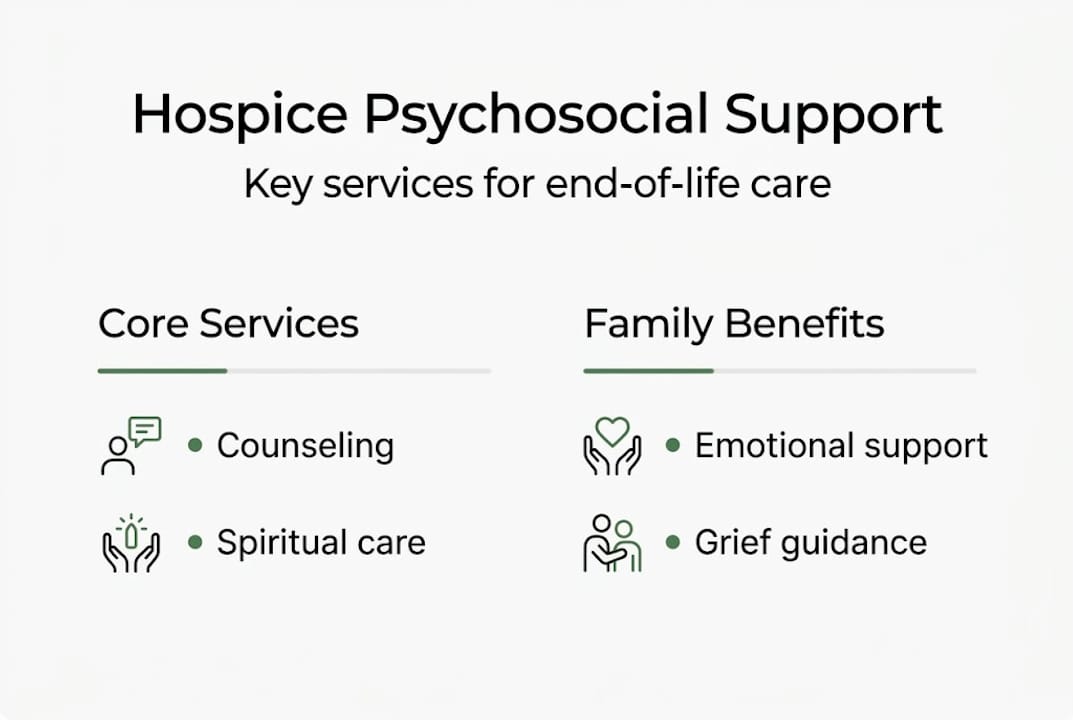
- Hospice psychosocial services include emotional counseling, spiritual care, grief support, and family mediation.
- Proactive advocacy ensures families access comprehensive, culturally sensitive psychosocial resources throughout hospice care.
Between 40 and 70% of caregivers experience symptoms of depression while caring for a loved one during hospice. That number is striking, and it tells us something important: hospice is not only about the patient. It is about the entire family. Many families in California arrive at hospice believing the care team is there solely for their loved one, only to discover a full network of emotional, spiritual, and social support waiting for them, too. This guide breaks down exactly what psychosocial support means in a hospice setting, which services California families can expect, and how to make sure you receive everything you and your family are entitled to.
Table of Contents
- What is psychosocial support in hospice?
- Core psychosocial support services families can expect
- How hospice teams deliver psychosocial support
- Barriers, gaps, and proven impact of psychosocial support
- What most families miss about hospice psychosocial support
- Connect with compassionate hospice support in California
- Frequently asked questions
Key Takeaways
| Point | Details |
|---|---|
| Support extends to families | Psychosocial care in hospice includes services for loved ones, not just patients. |
| Multiple evidence-based therapies | Families can access counseling, group support, and tailored interventions like CBT and dignity therapy. |
| California mandates coverage | Medi-Cal certified hospices must provide comprehensive psychosocial and bereavement services for the family unit. |
| Early intervention matters | Routine screenings and early support can reduce caregiver distress and depression by up to 38 percent. |
| Advocacy improves outcomes | Families should proactively request support to overcome barriers and make the most of available services. |
What is psychosocial support in hospice?
Psychosocial support is a broad term that covers the emotional, mental, social, and spiritual needs of both patients and their families. In hospice, it goes well beyond a brief check-in. It is a structured, ongoing effort to help everyone affected by a serious illness feel seen, heard, and supported throughout life’s final chapter.
The interdisciplinary hospice team typically includes social workers, chaplains, grief counselors, and mental health counselors. Each professional plays a distinct role. Social workers address practical and emotional concerns. Chaplains offer spiritual care regardless of religious affiliation. Grief counselors guide families through loss, both before and after a loved one passes.
Importantly, family and caregiver support is not an add-on. It is central to the hospice model. Psychosocial support includes emotional care, spiritual guidance, grief counseling, and bereavement services extending up to 13 months after loss. This timeline matters because grief does not end at the funeral.
In California, Medi-Cal requirements reinforce this broad approach. Families accessing bereavement support in California through a certified hospice program are covered for a meaningful range of psychosocial services. To understand the full picture of what is available, reviewing types of palliative support can help you ask the right questions.
Here is a quick overview of who provides psychosocial support in hospice:
- Social workers: Coordinate care, assess family needs, and connect families to community resources
- Chaplains: Provide non-denominational spiritual support for patients and families of all backgrounds
- Grief counselors: Offer structured sessions to process loss, anticipatory grief, and emotional distress
- Mental health counselors: Address anxiety, depression, and complex grief requiring clinical intervention
“Compassionate hospice care recognizes that emotional pain is just as real as physical pain, and both deserve to be treated with equal seriousness.”
Core psychosocial support services families can expect
With the foundation set, it is important to clarify exactly which services you and your family can expect during hospice. California’s Medi-Cal program is explicit: Medi-Cal hospice covers physical, psychological, social, and spiritual needs for the patient and family unit together.
Here are the primary services most families will encounter:
- Emotional counseling: One-on-one sessions to process fear, sadness, anger, and anticipatory grief
- Spiritual care: Personalized support aligned with each family’s beliefs, traditions, and values
- Bereavement services: Structured grief support continuing for up to 13 months after the patient passes
- Psychoeducation: Clear, compassionate information about what to expect during the dying process
- Family conflict mediation: Guided conversations to reduce tension and improve communication during a difficult time
- Caregiver self-care coaching: Practical guidance on managing stress and protecting your own well-being
The role of social workers is especially vital here. They act as coordinators, making sure families are connected to the right services at the right time. Similarly, spiritual care in hospice is more flexible and inclusive than many families expect, welcoming all faiths and none.
| Service | Who provides it | When it’s available |
|---|---|---|
| Emotional counseling | Social worker or counselor | Throughout hospice enrollment |
| Spiritual support | Chaplain | Ongoing, by request |
| Bereavement services | Grief counselor | Up to 13 months post-loss |
| Family mediation | Social worker | As needed |
| Caregiver coaching | Social worker or nurse | Scheduled visits |
Understanding the role of caregivers in the hospice system helps families feel more confident advocating for these services.
Pro Tip: Ask your hospice team at the very first meeting to walk you through each psychosocial service. Many families only discover the full menu of support weeks in, when earlier access would have made a real difference.
How hospice teams deliver psychosocial support
Understanding the service menu is useful, but how do teams actually put this into practice, especially for diverse California families? The answer lies in individualized assessment and flexible delivery.
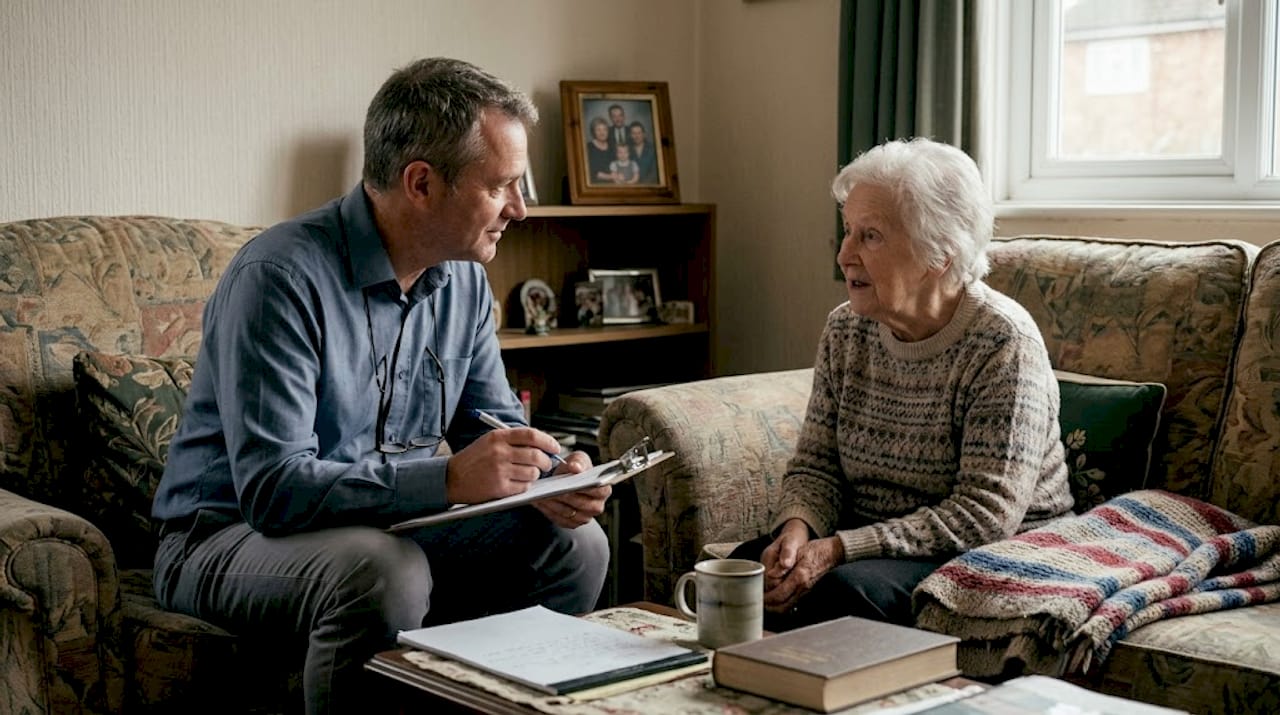
Every enrolled family receives a psychosocial assessment early in care. This screening identifies distress levels, cultural preferences, religious needs, and the particular vulnerabilities of family members, including children and teenagers. Age-sensitive support for younger family members is a standard part of quality hospice care.
Teams use a range of evidence-based methodologies including psychosocial assessments, counseling, cognitive behavioral therapy (CBT), mindfulness practices, group support sessions, and dignity therapy. Each approach is matched to the individual’s needs and comfort level.
Here is how support delivery typically progresses:
- Initial assessment: The social worker meets with the family to identify emotional, social, and spiritual needs
- Care plan development: Psychosocial goals are written into the overall hospice care plan
- Regular visits: Counselors, chaplains, and social workers visit on a scheduled basis
- Crisis support: Continuous care is available for acute emotional distress, not just physical crises
- Bereavement follow-up: After the patient passes, grief counselors stay in contact for up to 13 months
California’s cultural diversity makes this individualized approach especially important. A family from a Vietnamese background may need a chaplain who understands Buddhist traditions. A Spanish-speaking family may need counselors who are fluent in both language and cultural context. Quality hospice teams build this sensitivity into every interaction.
Learning about the advantages of palliative care can help you see how psychosocial delivery fits into a broader care philosophy. Families who also explore caregiver support strategies often feel far more prepared.
Pro Tip: If your family has specific cultural or spiritual preferences, share them clearly during the initial assessment. Teams can adapt their approach, but only if they know what matters to you.
Barriers, gaps, and proven impact of psychosocial support
Even with best practices in place, families need to know the real-world limitations and how to overcome them for the best outcomes.
The evidence on effectiveness is clear. Structured psychosocial support is linked to 38% lower rates of caregiver depression, and between 40 and 60% of caregivers experience anticipatory grief, which is grief that begins before the loss actually happens. Without structured support, these emotional burdens often go unaddressed for months or years.
Yet real barriers remain: caregiver burnout, family denial, limited access to specialists in certain regions, and cultural or language mismatches all reduce how much support families actually receive.
Common gaps families experience include:
- Assuming psychosocial services are optional rather than required
- Not disclosing emotional distress because of stigma or pride
- Failing to request culturally appropriate services
- Missing bereavement follow-up because families do not know it continues after the patient passes
- Children and teens being overlooked in family-focused support plans
“The families who benefit most from psychosocial support are the ones who ask for it. The support exists. The challenge is knowing you deserve it.”
Here are concrete steps you can take to close these gaps:
- Request a formal psychosocial screening at enrollment and again after any major change in your loved one’s condition
- Ask specifically whether counselors are trained in your family’s cultural or religious background
- Advocate for all family members, including children and teenagers, to be included in support planning
- Review the end-of-life care checklist to ensure no services go unclaimed
- Speak up if you feel depressed, overwhelmed, or isolated. Your hospice team is there for you, too
What most families miss about hospice psychosocial support
After years of walking alongside California families through this process, one pattern stands out clearly. Families consistently underestimate what psychosocial support can do for them, and they wait too long to ask for it.
Many families treat emotional support as a luxury, something they will get to once the medical needs are handled. In reality, unaddressed caregiver stress worsens patient outcomes, increases family conflict, and leaves lasting emotional wounds long after bereavement. Supporting the caregiver is supporting the patient.
Another overlooked truth is that not every benefit is automatically offered in a busy California hospice system. Culturally adapted services, specialized mental health counseling, and family mediation often require a direct request. If you do not ask, you may not receive. Being proactive is not pushy. It is smart care.
Planning ahead for hospice means more than choosing a program. It means understanding the full scope of emotional and psychological resources available to your family, and then using them without apology. The families who engage early and advocate clearly are the ones who emerge from this season with fewer regrets and more peace.
Connect with compassionate hospice support in California
At Graceland Hospice, we believe every California family deserves full access to psychosocial support, not just the basics. Our certified, compassionate team includes social workers, chaplains, and grief counselors who understand the emotional weight you are carrying. We work with families across Southern California, including those seeking hospice care in Orange County, to make sure no one navigates this journey alone. Explore our Graceland Hospice Care services to see the full range of emotional and psychosocial programs we provide. For additional reading and practical guidance, visit our more resources for California families. Contact us today for a free consultation. We are here to help.
Frequently asked questions
What does psychosocial support in hospice include?
Psychosocial support covers emotional care, spiritual guidance, grief counseling, and bereavement services for up to 13 months, serving both patients and their families.
How do I know if my hospice covers these services in California?
Confirm that your hospice is Medi-Cal certified, since California mandates coverage for comprehensive psychosocial, spiritual, and bereavement support as part of the hospice benefit.
Which interventions are most effective for caregiver stress?
CBT, mindfulness, and group support have the strongest evidence for reducing caregiver distress, and most hospice programs offer at least one or more of these approaches.
Can I access support for children or teens in my family?
Yes. Age-sensitive support for children and teenagers is a recognized component of quality hospice care, and you can request it directly from your hospice social worker.
Recommended
- Caregiver Support in Hospice: Easing End-of-Life Care | Graceland Hospice Care Blog
- How social workers support families in hospice care | Graceland Hospice Care Blog
- The Importance of Spiritual Care in Hospice | Graceland Hospice Care Blog
- Role of Caregivers in Hospice – Making End-of-Life More Compassionate | Graceland Hospice Care Blog