Why choose hospice care for your loved one in 2026
Why choose hospice care for your loved one in 2026
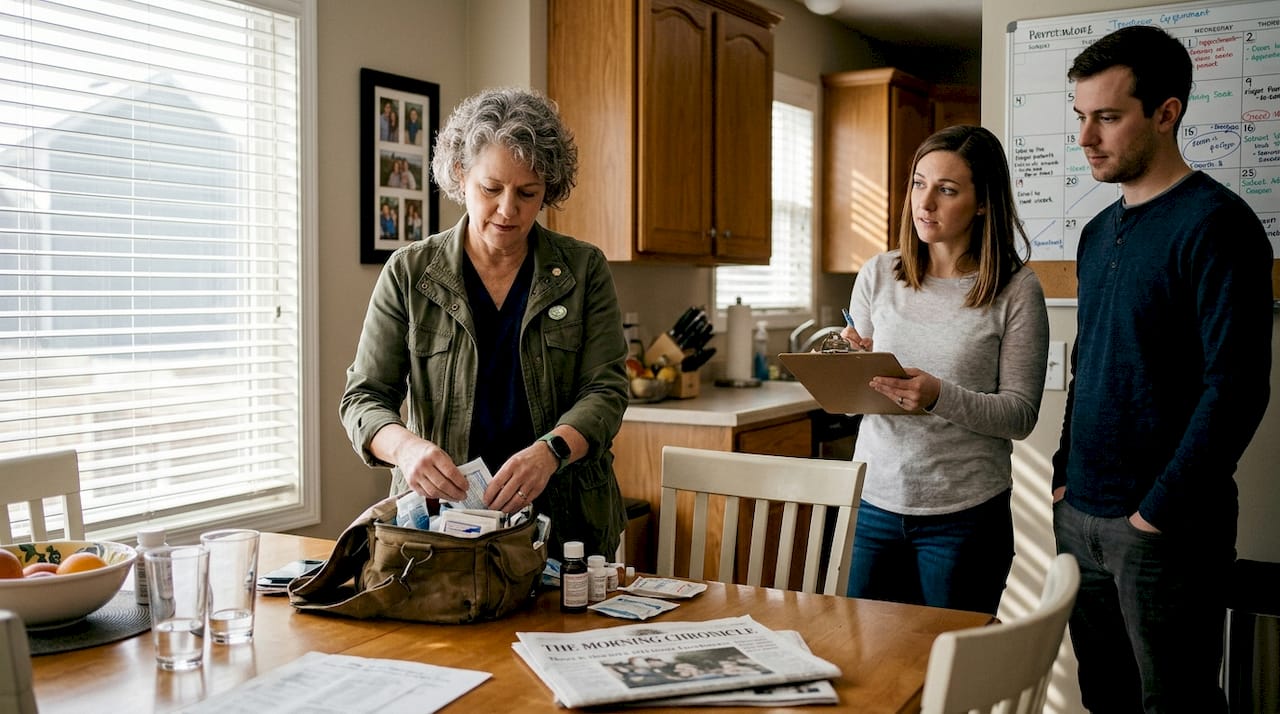
When families hear the word hospice, many imagine giving up hope or hastening death. This misconception prevents countless Californians from accessing compassionate care that could dramatically improve their loved one’s final months. Hospice care focuses on comfort, dignity, and quality of life for terminally ill patients, providing comprehensive medical and emotional support at home. Understanding what hospice truly offers helps families make informed decisions during one of life’s most challenging transitions.
Table of Contents
- Key takeaways
- What is hospice care and how does it work at home?
- Benefits of choosing hospice care in California
- Common misconceptions and eligibility for hospice care
- How to choose the right hospice care provider for your family
- Find compassionate hospice care for your loved one
- Frequently asked questions about hospice care
Key Takeaways
| Point | Details |
|---|---|
| Home based hospice | Hospice care centers on comfort and quality of life delivered at home by an interdisciplinary team. |
| Medi Cal coverage | Eligible Californians with six months or less prognosis receive full Medi Cal hospice coverage with no copays for medications, equipment, or visits related to the terminal condition. |
| Caregiver support | Hospice teams provide emotional, practical help and education to families. |
| Early enrollment matters | Misconceptions about giving up hope delay referrals, and earlier enrollment improves quality of life and outcomes. |
What is hospice care and how does it work at home?
Hospice care represents a fundamental shift in treatment philosophy for patients facing terminal illness with a prognosis of six months or less. Rather than pursuing aggressive curative interventions, hospice provides comprehensive support focusing on comfort, pain management, and quality of life through an interdisciplinary team approach. This specialized care model recognizes that medical treatment extends beyond physical symptoms to encompass emotional, spiritual, and practical needs of both patients and families.
The hospice team brings diverse expertise directly into your home, creating a coordinated care network that operates around your family’s schedule and preferences. Core team members include:
- Physicians who oversee medical care and adjust treatment plans based on changing symptoms
- Registered nurses who provide hands-on care, medication management, and family education
- Social workers who address emotional challenges, coordinate resources, and facilitate difficult conversations
- Chaplains who offer spiritual support regardless of religious background or beliefs
- Physical and occupational therapists who maintain patient comfort and mobility
- Home health aides who assist with daily activities like bathing and dressing
This team delivers services that transform a house into a healing environment. Medical equipment arrives as needed, from hospital beds to oxygen concentrators. Medications related to the terminal diagnosis come at no cost, eliminating financial barriers to symptom control. Nurses visit regularly, with 24/7 phone support available for urgent concerns that arise between scheduled visits.
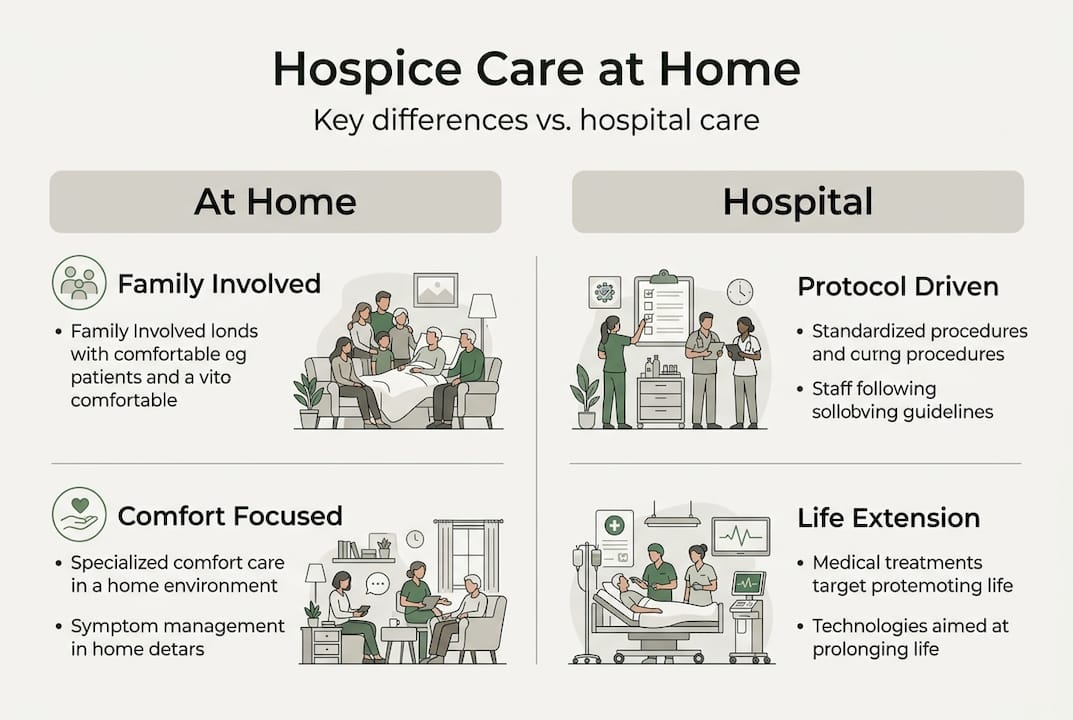
Unlike hospital settings where protocols prioritize life extension, hospice care at home allows families to participate actively in caregiving while professionals handle complex medical needs. You maintain control over daily routines, meal preferences, and visitor schedules. Your loved one sleeps in their own bed, surrounded by familiar photos and comforting sounds rather than beeping monitors and fluorescent lights.
Pro Tip: Many families worry about managing medical emergencies at home, but hospice nurses teach you simple techniques for common situations and respond quickly when you need guidance, often preventing unnecessary hospital transfers that disrupt comfort.
California residents can access detailed information about hospice program requirements and covered services through state resources, ensuring families understand their rights and available support before making enrollment decisions.
Benefits of choosing hospice care in California
Financial concerns often prevent families from exploring hospice options, yet Medi-Cal fully covers hospice services for eligible Californians with a six-month prognosis. This comprehensive coverage eliminates copays for medications, equipment, and visits related to the terminal condition, removing economic barriers that force impossible choices between comfort care and financial stability. Private insurance and Medicare also provide extensive hospice benefits, making this compassionate option accessible regardless of income level.
The medical advantages extend far beyond cost savings. Research demonstrates hospice improves quality of life through superior symptom management, with patients reporting better pain control and reduced anxiety compared to those receiving standard medical care. Counterintuitively, studies consistently show hospice patients often live longer than similar patients pursuing aggressive treatments, likely because reduced stress and better symptom management support overall health. The focus shifts from fighting disease to optimizing each remaining day.
Caregivers receive dedicated support that recognizes their critical role and prevents burnout. Services include:
- Individual counseling to process grief and manage caregiver stress
- Respite care that provides temporary relief so family members can rest or handle personal obligations
- Educational training on medication administration, wound care, and recognizing changes in condition
- Bereavement support extending 13 months after the patient’s death
- 24/7 access to nursing guidance for questions or concerns
These caregiver support services address the reality that family members shoulder enormous physical and emotional burdens during end-of-life care. Without professional backup, exhaustion and isolation can overwhelm even the most devoted caregivers, compromising care quality and damaging their own health.
“Hospice care reduces unnecessary hospitalizations by providing expert symptom management at home, allowing patients to avoid traumatic emergency room visits and die peacefully in familiar surroundings surrounded by loved ones.”
Despite proven benefits, hospice remains underutilized because families delay referrals until the final days or weeks of life. Late enrollment means missing months of comfort care, caregiver support, and opportunities to create meaningful final memories. Early hospice involvement allows time to establish relationships with care teams, adjust medication regimens, and focus energy on connection rather than crisis management. The advantages of early palliative care compound over time, making enrollment timing a critical decision that affects the entire end-of-life experience.
Common misconceptions and eligibility for hospice care
Many families believe hospice serves only elderly cancer patients in their final days, but terminal illness affects people of all ages with diverse conditions. Heart failure, kidney disease, dementia, ALS, and chronic lung disease all qualify when physicians certify a likely prognosis of six months or less if the disease follows its expected course. Pediatric patients with life-limiting conditions also receive specialized hospice care designed for children and their families.
Eligibility determination requires two physicians to certify the terminal prognosis, but this assessment involves educated medical judgment rather than precise prediction. Some patients stabilize or improve, living well beyond initial estimates. Hospice enrollment remains flexible and fully revocable if patients choose to pursue curative treatments again or if their condition improves beyond terminal status. You never lose the right to change your mind or seek aggressive interventions if circumstances shift.
Understanding the enrollment process helps families navigate this transition:
- Discuss hospice eligibility with your physician, who evaluates disease progression and treatment response
- Research hospice providers in your area, comparing services, philosophy, and family testimonials
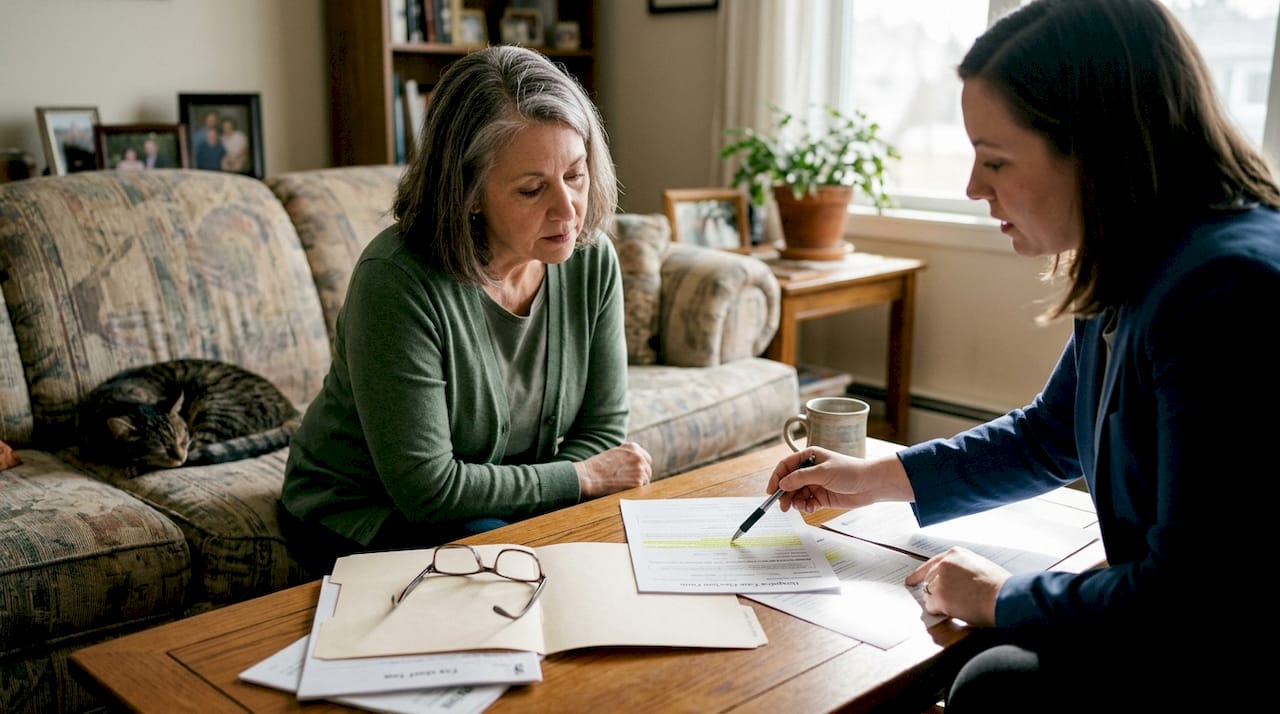
- Meet with hospice representatives to ask questions and understand the care plan
- Sign consent forms acknowledging the shift from curative to comfort-focused care
- Begin receiving services, typically within 24 to 48 hours of enrollment
- Participate in regular care team meetings to adjust the plan as needs evolve
Concurrent care programs allow pediatric Medi-Cal patients to receive both hospice services and curative treatments simultaneously, recognizing that children’s medical needs and family circumstances differ from adult hospice models. This flexibility improves cost-effectiveness while supporting families through impossible decisions about their child’s care.
Pro Tip: If your loved one’s condition improves significantly after starting hospice, you can discharge from services and re-enroll later if the terminal illness progresses again, ensuring you receive appropriate care for each stage of the disease journey.
Misconceptions create dangerous delays. Families worry hospice hastens death through medication or neglect, but evidence shows the opposite. The myth that choosing hospice means giving up ignores how comfort care honors patient autonomy and dignity. Understanding caregiver roles in hospice reveals how this model empowers families rather than sidelining them, creating collaborative partnerships between professionals and loved ones.
How to choose the right hospice care provider for your family
Location preferences significantly impact end-of-life experiences. Home hospice serves 76% of California patients who discharge to hospice care, reflecting strong preferences for dying in familiar environments surrounded by family rather than institutional settings. This model reduces hospitalizations, allows personalized routines, and creates space for intimate family time without institutional restrictions on visiting hours or noise levels.
Evaluating potential providers requires asking targeted questions that reveal care quality and organizational values. Essential inquiries include:
- What is your nurse-to-patient ratio, and how quickly do nurses respond to urgent calls?
- Which services do you provide directly versus contracting to other agencies?
- How do you support family caregivers through training, respite care, and emotional counseling?
- What spiritual and cultural accommodations can you make for our family’s beliefs and practices?
- How do you handle symptom crises that occur outside regular business hours?
- What bereavement support do you offer families after the patient’s death?
Comparing care settings helps families choose environments matching their priorities and resources:
| Factor | Home Hospice | Facility-Based Hospice |
|---|---|---|
| Environment | Familiar surroundings with personal belongings and routines | Professional care setting with medical infrastructure |
| Family Involvement | High participation in daily care with professional backup | Visiting schedule with staff handling most medical tasks |
| Cost Coverage | Fully covered by Medi-Cal and most insurance | Fully covered by Medi-Cal and most insurance |
| Caregiver Burden | Moderate to high depending on patient needs and family capacity | Lower as facility staff provide around-the-clock care |
| Privacy | Complete control over visitors and activities | Shared spaces may limit privacy and personal routines |
Provider credentials matter as much as philosophy. Verify the hospice meets California hospice care standards through state licensing and Medicare certification. Ask about staff qualifications, continuing education requirements, and quality metrics like patient satisfaction scores and successful symptom management rates. Experienced providers demonstrate competence through concrete examples of handling complex situations rather than generic promises about compassionate care.
Family testimonials reveal how organizations perform under pressure. Request references from families who faced similar diagnoses or cultural backgrounds. Online reviews provide additional perspective, though remember that end-of-life care involves intense emotions that may color feedback. Look for patterns in comments about responsiveness, communication clarity, and follow-through on commitments.
The decision to choose home hospice care reflects deeply personal values about dignity, control, and family connection during life’s final chapter. No single approach suits every situation, but understanding options empowers families to make choices aligned with their loved one’s wishes and their capacity to provide support.
Find compassionate hospice care for your loved one
Navigating hospice decisions requires trusted guidance from experienced professionals who understand California families’ unique needs and concerns. Graceland Hospice Care brings specialized expertise in home-based end-of-life services, combining medical excellence with genuine compassion for patients and families facing terminal illness. Our interdisciplinary teams create personalized care plans addressing physical comfort, emotional well-being, and spiritual needs while supporting caregivers through education, respite services, and 24/7 accessibility. We operate throughout California with deep knowledge of Medi-Cal coverage, cultural sensitivity, and local resources that help families access comprehensive support. Choosing a provider committed to excellence ensures your loved one receives dignified, comfortable care during life’s most precious final months.
Frequently asked questions about hospice care
What criteria determine hospice eligibility in California?
Two physicians must certify that a patient has a terminal illness with a likely prognosis of six months or less if the disease follows its expected course. Eligibility applies to any terminal condition, not just cancer, including heart failure, dementia, kidney disease, and chronic lung conditions. Patients must agree to focus on comfort care rather than curative treatments for the terminal diagnosis.
Can patients leave hospice care if their condition improves?
Yes, hospice enrollment is completely voluntary and revocable at any time. If a patient’s condition stabilizes or improves beyond terminal status, or if they decide to pursue curative treatments again, they can discharge from hospice services. Patients can also re-enroll later if the terminal illness progresses and they meet eligibility criteria again.
How does hospice care support family caregivers at home?
Hospice provides comprehensive caregiver support including hands-on training for medication administration and symptom monitoring, individual counseling to manage stress and grief, respite care for temporary relief, and 24/7 phone access to nurses for guidance. Social workers coordinate community resources and help families navigate practical challenges while bereavement counselors offer support extending 13 months after the patient’s death.
Is hospice care available for pediatric patients with terminal illness?
Yes, specialized pediatric hospice programs serve children with life-limiting conditions. California’s Medi-Cal concurrent care allows pediatric patients to receive both hospice services and curative treatments simultaneously, recognizing that families face unique challenges when caring for terminally ill children. These programs provide age-appropriate support, sibling counseling, and family-centered care plans.
What happens if symptoms worsen after enrolling in hospice?
Hospice teams adjust care plans immediately when symptoms change or intensify. Nurses increase visit frequency, physicians modify medication regimens, and additional team members provide specialized support as needed. If symptoms become unmanageable at home, hospice can arrange short-term inpatient care at contracted facilities for crisis stabilization before returning home, all covered under hospice benefits without additional cost.
Recommended
- Blog & Resources | Graceland Hospice Care
- Hospice vs Home Health – Choosing Compassionate Care | Graceland Hospice Care Blog
- Hospice vs. Palliative Care: Choosing What’s Best | Graceland Hospice Care Blog
- Long-Term Care vs Hospice – Choosing the Right Path | Graceland Hospice Care Blog
- Top geriatric care tips for families in Florida 2026