How to transition to hospice care: California guide 2026
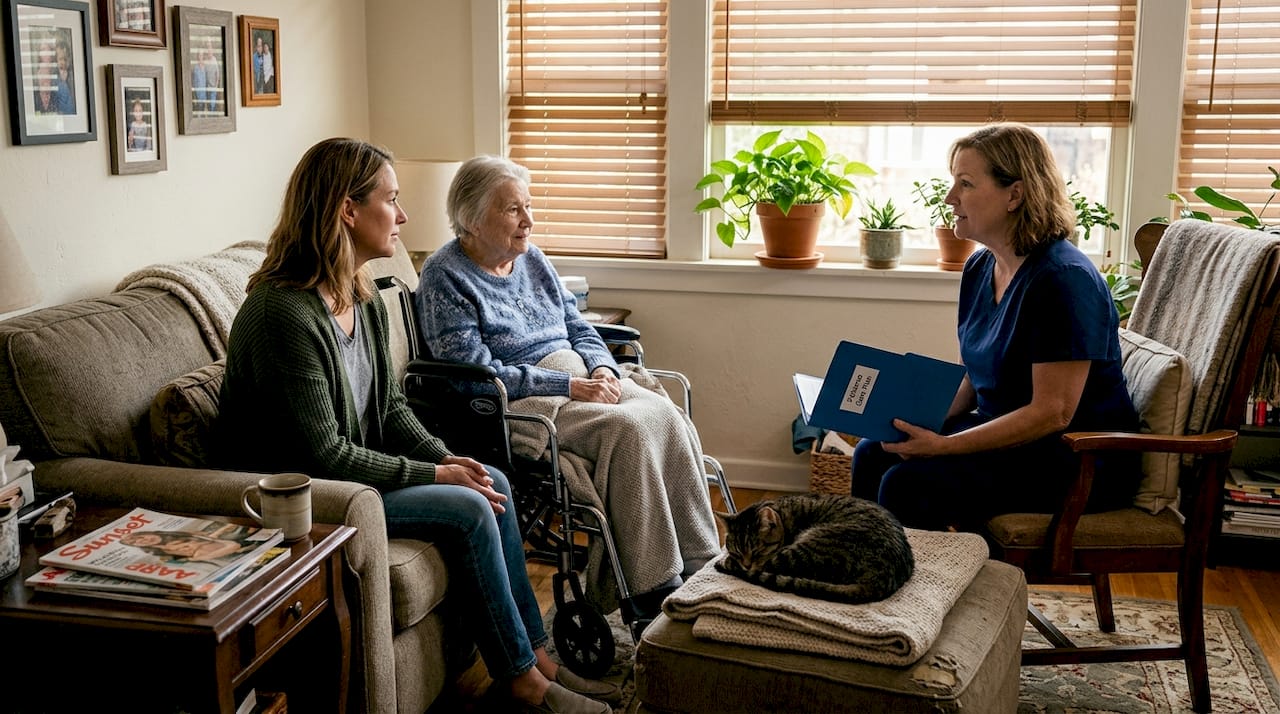
How to transition to hospice care: California guide 2026
Transitioning a loved one to hospice care in California represents one of the most emotionally challenging decisions families face. The process involves understanding complex eligibility requirements, coordinating with healthcare providers, managing legal paperwork, and accessing support resources while coping with grief. This comprehensive guide walks you through every step of the hospice transition, from determining eligibility and preparing essential documents to executing the move and finding ongoing caregiver support. You’ll learn practical strategies to navigate California’s hospice system with confidence and compassion.
Table of Contents
- Understanding When Hospice Care Is Appropriate In California
- Preparing For The Transition: Key Steps And Legal Considerations
- Executing The Transition To Hospice Care: What To Expect And Essential Actions
- Ongoing Support And Resources For Family Caregivers During Hospice Care
- Explore Compassionate Hospice Care With Graceland Hospice Care
- Frequently Asked Questions About Transitioning To Hospice Care In California
Key takeaways
| Point | Details |
|---|---|
| Eligibility criteria | Hospice requires physician certification of six months or less life expectancy and comfort-focused care. |
| Preparation essentials | Complete advance directives, select a provider, and arrange care location before transition. |
| Execution steps | Admission involves medical assessment, care plan development, and immediate symptom management setup. |
| Caregiver resources | California offers multiple support programs including counseling, respite care, and financial assistance. |
| Flexibility options | Patients can revoke hospice or transfer providers anytime without penalty. |
Understanding when hospice care is appropriate in California
Determining the right time for hospice care requires understanding specific eligibility criteria that differ from other medical services. Physician certification of six months or less life expectancy marks the primary requirement for hospice eligibility in California. This timeline assumes the illness follows its normal course without curative intervention. Patients must also elect to focus on comfort and quality of life rather than pursuing aggressive treatments aimed at curing their condition.
Medicare and Medi-Cal provide comprehensive coverage for hospice services in California with defined benefit periods. The first two benefit periods last 90 days each, followed by unlimited 60-day periods as long as patients continue meeting eligibility criteria. Coverage includes nursing care, medical equipment, medications for symptom management, counseling services, and respite care for family caregivers.
Understanding the differences between hospice and palliative care helps families make informed decisions. Palliative care can be provided alongside curative treatments at any disease stage, focusing on symptom relief and quality of life without requiring patients to forgo other medical interventions. Hospice, by contrast, requires patients to elect comfort care over curative treatment and typically begins when life expectancy reaches six months or less.
Special provisions exist for pediatric patients in California. Children under 21 years old may receive both curative treatments and hospice care simultaneously under certain circumstances. This flexibility recognizes the unique needs of families caring for seriously ill children who may benefit from both comfort measures and ongoing medical interventions.
Key eligibility factors include:
- Terminal diagnosis with limited prognosis
- Patient consent to comfort-focused care
- Physician certification and recertification
- Coverage through Medicare, Medi-Cal, or private insurance
- Documented decline in functional status
Pro Tip: Schedule a family meeting with your loved one’s physician to discuss prognosis and hospice eligibility openly. Bringing written questions helps ensure you address all concerns and understand the medical reasoning behind hospice recommendations.
Preparing for the transition: key steps and legal considerations
Successful hospice transitions begin with thorough preparation that addresses both practical logistics and emotional readiness. Open communication with the entire care team and family members creates a foundation for smooth coordination. Discussing prognosis, treatment options, and hospice benefits honestly helps everyone understand what to expect and align on care goals.

Legal documentation forms a critical component of hospice preparation. Advance directives outline patient wishes for medical care when they cannot communicate preferences themselves. These documents include living wills specifying desired treatments and healthcare power of attorney designating someone to make medical decisions. Do Not Resuscitate orders inform emergency responders and healthcare providers about resuscitation preferences. Completing these forms before hospice admission prevents confusion and ensures patient autonomy.
Selecting the right hospice provider requires research into California-licensed agencies with strong reputations and appropriate expertise. Review patient satisfaction scores, staff qualifications, service areas, and specialty programs that match your loved one’s needs. Interview multiple providers to compare approaches, availability, and cultural sensitivity. Verify Medicare or Medi-Cal certification and check for any regulatory violations or complaints.
Pro Tip: Ask potential hospice providers about their after-hours availability and average response times for urgent calls. Quality agencies maintain 24/7 nursing support and typically respond to crisis calls within one hour.
Planning the care location involves evaluating home environment suitability, family caregiver capacity, and patient preferences. Most California hospice patients receive care at home with visiting professional support. Alternative settings include assisted living facilities, nursing homes, or inpatient hospice units for complex symptom management. Arrange necessary medical equipment like hospital beds, oxygen concentrators, and mobility aids before admission day.
Follow these preparation steps:
- Hold family discussions about hospice goals and expectations
- Complete all advance directive paperwork with legal review
- Research and interview at least three hospice providers
- Assess home environment and arrange equipment delivery
- Create medication lists and gather medical records
- Identify primary family caregiver and backup support
- Notify current healthcare providers about hospice decision
Understanding your rights provides peace of mind during this transition. Patients can revoke hospice anytime and return to standard Medicare or Medi-Cal coverage without penalty. Live discharge rates have increased nationally to 19%, reflecting growing numbers of patients who stabilize or choose to pursue curative treatment again. You also maintain the right to transfer between hospice providers if services don’t meet expectations.
Executing the transition to hospice care: what to expect and essential actions
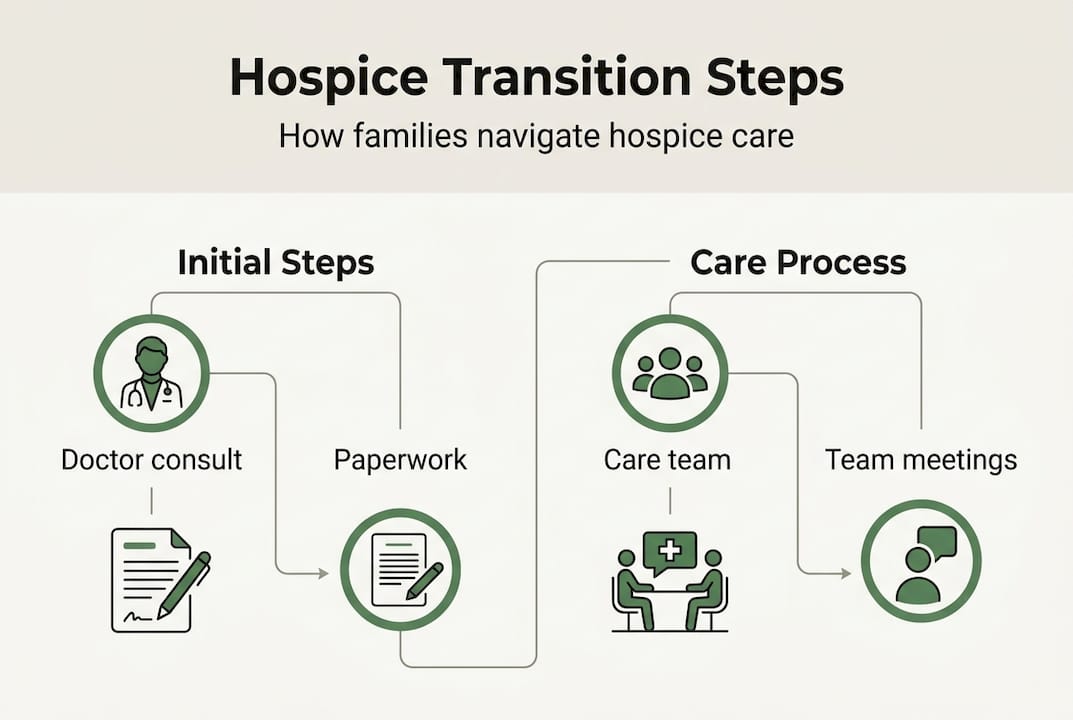
The actual hospice admission process involves comprehensive assessment and immediate care coordination. A registered nurse conducts an initial evaluation documenting medical history, current symptoms, medications, and care needs. This assessment forms the basis for developing an individualized care plan addressing physical comfort, emotional support, spiritual needs, and family education. The hospice team typically includes physicians, nurses, social workers, chaplains, and volunteers who collaborate on care delivery.
Home hospice care represents 76% of California hospice discharges in 2023, with Medicare serving as primary payer for 79% of cases. This preference for home-based care reflects patient desires to remain in familiar surroundings surrounded by loved ones. Visiting nurses provide regular assessments and skilled interventions, while home health aides assist with personal care tasks. Social workers address emotional concerns and connect families with community resources.
Preparing for the first days of hospice care requires organizing essential information and supplies:
- Compile complete medication lists including dosages and schedules
- Gather emergency contact numbers for hospice team members
- Stock comfort supplies like ice chips, lip balm, and soft blankets
- Create a quiet, comfortable space for patient rest
- Establish communication protocols with family members
- Review pain management plans and symptom control strategies
Immediate care priorities focus on symptom relief and comfort optimization. Pain management often requires adjusting medications or introducing new interventions to achieve adequate relief. The hospice team monitors symptoms like shortness of breath, nausea, anxiety, and restlessness, making prompt adjustments to treatment plans. Emotional support for both patient and family begins immediately through counseling services and grief education.
Understanding the hospice visit workflow helps families know what to expect during team visits. Nurses typically assess vital signs, evaluate pain and symptom levels, review medications, provide wound care if needed, and educate caregivers on comfort measures. Visits occur more frequently initially, then adjust based on patient stability and family needs. Most patients receive at least weekly nursing visits with additional support available as conditions change.
| Care Component | Frequency | Primary Provider |
|---|---|---|
| Nursing assessment | Weekly minimum | Registered nurse |
| Personal care | 2-3 times weekly | Home health aide |
| Social work support | Monthly or as needed | Licensed social worker |
| Physician oversight | Ongoing with visits as needed | Hospice medical director |
| Spiritual care | Upon request | Chaplain or counselor |
Regular team meetings ensure care plan effectiveness and allow for adjustments as patient needs evolve. Hospice staff communicate changes to family caregivers and provide ongoing education about what to expect as illness progresses. This collaborative approach helps families feel supported and confident in managing day-to-day care responsibilities between professional visits.
Pro Tip: Keep a simple notebook by the bedside to track symptoms, medication times, and questions for the hospice team. This record helps you communicate effectively during visits and ensures nothing important gets forgotten.
Ongoing support and resources for family caregivers during hospice care
Family caregivers shoulder significant physical and emotional burdens during hospice care that require ongoing support systems. Recognizing caregiver needs as equally important to patient comfort improves outcomes for everyone involved. California offers extensive resources including Caregiver Resource Centers, AARP guides, In-Home Supportive Services, and the California Hospice and Palliative Care Association to assist families throughout the hospice journey.
Emotional counseling provides critical support for caregivers processing grief, anxiety, and stress. Hospice agencies include bereavement services for family members both during care and for 13 months following death. Individual counseling, support groups, and educational workshops help caregivers develop coping strategies and connect with others facing similar challenges. Many programs offer specialized support for children, spouses, and adult children navigating loss.
Respite care gives family caregivers essential breaks to rest and recharge. Hospice benefits cover short-term inpatient stays specifically designed to provide temporary relief for exhausted caregivers. These respite periods typically last up to five days and can be arranged when families need time away for their own health appointments, family events, or simply to prevent burnout. Volunteer programs also provide companionship and light assistance, allowing primary caregivers brief periods of relief.
Building a robust support network reduces isolation and improves caregiver resilience. Strategies include:
- Joining local or online caregiver support groups
- Accepting help offers from friends and neighbors
- Utilizing hospice volunteer services for companionship
- Connecting with faith communities for spiritual support
- Accessing professional counseling when needed
- Taking advantage of respite care benefits regularly
Practical assistance programs address financial and logistical challenges families face. In-Home Supportive Services provides paid help with activities of daily living for eligible low-income seniors and disabled adults. Veterans Aid and Attendance benefits offer additional financial support for qualifying veterans and surviving spouses. Local Area Agencies on Aging connect families with meal delivery, transportation, and home modification services that ease caregiving burdens.
| Resource | Services Provided | Contact Information |
|---|---|---|
| Caregiver Resource Centers | Case management, counseling, education | Statewide network locations |
| AARP California | Guides, advocacy, support groups | Online and phone support |
| In-Home Supportive Services | Personal care assistance, housekeeping | County social services offices |
| California Hospice Association | Provider directory, family education | Industry organization resources |
Knowing when to reach out for help prevents crises from escalating. Contact your hospice team immediately if pain becomes uncontrolled, new symptoms develop suddenly, patient becomes unresponsive unexpectedly, or caregiver feels overwhelmed and unable to cope. Hospice agencies maintain 24/7 phone support specifically for these situations and can dispatch nurses for urgent home visits when needed.
Understanding the role of caregivers in hospice helps families set realistic expectations and boundaries. While caregivers provide essential comfort and companionship, professional team members handle skilled medical interventions. Families should never feel they must manage complex medical situations alone or sacrifice their own health to provide care.
Explore compassionate hospice care with Graceland Hospice Care
Navigating hospice transitions requires expert guidance and compassionate support tailored to your family’s unique needs. Graceland Hospice Care specializes in providing comprehensive end-of-life services throughout California, combining clinical excellence with genuine emotional support for patients and caregivers alike. Our interdisciplinary teams bring decades of combined experience helping families through this profound journey with dignity and comfort.
Our hospice services include 24/7 nursing support, pain and symptom management, spiritual care, grief counseling, and extensive caregiver education. We coordinate all aspects of care, from medical equipment delivery to medication management, ensuring seamless transitions and ongoing support. Contact Graceland Hospice Care today for a free consultation to learn how we can support your family during this important time.
Frequently asked questions about transitioning to hospice care in California
What qualifies someone for hospice care in California?
Hospice eligibility requires physician certification that life expectancy is six months or less if illness follows its normal course. Patients must also elect comfort-focused care over curative treatments. Medicare, Medi-Cal, and most private insurers cover hospice services when these criteria are met.
Can hospice care be provided at home?
Yes, most California hospice patients receive care at home with support from visiting nurses, aides, social workers, and other team members. Home hospice allows patients to remain in familiar surroundings while receiving professional medical care and symptom management. Alternative settings include assisted living facilities, nursing homes, or inpatient hospice units.
How do I revoke or change hospice providers?
Patients can revoke hospice care at any time by signing a revocation form and returning to standard Medicare or Medi-Cal coverage. Transferring between hospice providers simply requires notifying your current agency and completing admission paperwork with the new provider. No penalties apply for either decision.
What support is available for family caregivers?
California caregivers access multiple resources including Caregiver Resource Centers offering case management and counseling, AARP guides and support groups, In-Home Supportive Services for personal care assistance, and hospice agency bereavement programs. Respite care benefits provide temporary relief when primary caregivers need breaks.
Are there costs involved with hospice under Medi-Cal or Medicare?
Medicare and Medi-Cal cover all hospice services with minimal patient costs. Medicare requires no deductibles or copayments for hospice care itself, though small copayments may apply for respite care or medications. Medi-Cal hospice benefits include comprehensive coverage without cost sharing for eligible beneficiaries.
When should we contact the hospice team for help?
Call your hospice agency’s 24/7 line immediately if pain becomes uncontrolled, new symptoms develop suddenly, patient experiences significant status changes, or caregivers feel overwhelmed. Hospice teams expect these calls and can dispatch nurses for urgent home visits when needed. Never hesitate to reach out with concerns.
Recommended
- Emergency care in hospice: a guide for California families | Graceland Hospice Care Blog
- How to Start Hospice Care for Loved Ones at Home | Graceland Hospice Care Blog
- End of Life Care Guide for Compassionate At-Home Support | Graceland Hospice Care Blog
- Understanding Hospice Care: A Guide for Families | Graceland Hospice Care Blog
- Silver Link Companion — AI Voice Companion for Seniors