Hospice philosophy: compassion, dignity & support
Hospice philosophy: compassion, dignity & support
TL;DR:
- Hospice philosophy emphasizes comfort and quality of life over curative treatments.
- Care involves an interdisciplinary team supporting patients and families at home or in facilities.
- Early enrollment enhances support, emotional well-being, and respects individual values and wishes.
When a loved one faces a life-limiting illness, the instinct is often to fight harder, try more treatments, and push forward at any cost. But what if the most compassionate path is one that shifts focus from fighting the illness to honoring the person? Hospice philosophy does exactly that. It centers care on quality of life, comfort, and meaning rather than cure. Many families feel confused about what hospice really means, fearing it signals abandonment or defeat. This guide walks you through the principles, daily practices, and real benefits of hospice care so you can make informed, confident decisions for yourself or someone you love.
Table of Contents
- What is hospice philosophy?
- Core principles of hospice philosophy
- How hospice philosophy is practiced
- Why choose hospice? Real benefits for patients and families
- A fresh perspective on hospice philosophy
- How Graceland Hospice Care can help
- Frequently asked questions
Key Takeaways
| Point | Details |
|---|---|
| Focus on quality of life | Hospice philosophy centers care on comfort, dignity, and meaningful moments instead of cure. |
| Holistic, interdisciplinary support | Care teams address the physical, emotional, and spiritual needs of patients and families together. |
| Proven real-world benefits | Hospice improves pain control, satisfaction, and can even increase a patient’s survival and family wellbeing. |
| Care wherever you call home | Most hospice support is provided at home by professionals working alongside family and volunteers. |
What is hospice philosophy?
Hospice philosophy is not simply a type of medical service. It is a complete way of thinking about care at life’s final chapter. According to palliative care principles, hospice philosophy is a model of care focusing on palliative support for patients with life-limiting illnesses, emphasizing quality of life over curative treatment and holistic support for patients and families.
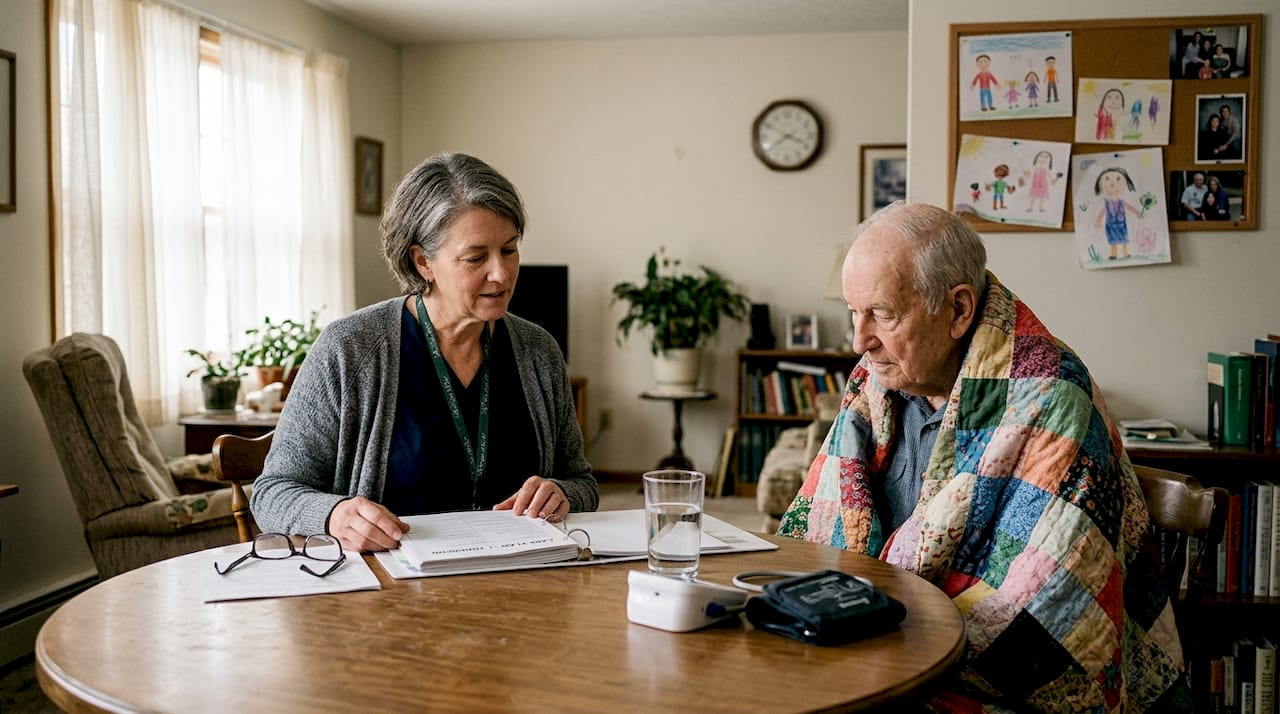
This means the care team is not trying to cure the illness. Instead, they work to relieve pain, ease emotional distress, and support spiritual well-being. The patient is treated as a whole person, not a diagnosis. Family members are included as part of the care unit, not just visitors. This is what makes hospice so different from traditional medical care.
For understanding hospice care more fully, it helps to know where this philosophy came from. The concept of hospice has roots in medieval times, when travelers and the sick were sheltered in places of rest. The modern hospice movement, however, was shaped by Dame Cicely Saunders, who founded St. Christopher’s Hospice in London in 1967. Her work introduced the idea that dying patients deserve expert symptom management alongside emotional and spiritual support. That vision spread globally and now defines how we understand hospice care explained today.
Here is a comparison that shows what sets hospice apart:
| Feature | Hospice care | Curative/treatment model |
|---|---|---|
| Primary goal | Comfort and quality of life | Cure or disease control |
| Focus | Whole person (body, mind, spirit) | Disease and symptoms |
| Family role | Active care partners | Visitors or observers |
| Setting | Home, facility, or inpatient unit | Hospital or clinic |
| Emotional support | Core service | Often secondary |
| Prognosis requirement | Six months or less | Any stage |
“Hospice care is about living as fully as possible. It honors the patient’s dignity by addressing not just physical pain, but the emotional and spiritual dimensions of being human.”
This philosophy does not rush death, and it does not delay it. It simply walks alongside the patient and family with skill, presence, and respect.
Core principles of hospice philosophy
After understanding what hospice philosophy is, the next step is to examine the core principles that guide every aspect of hospice care.
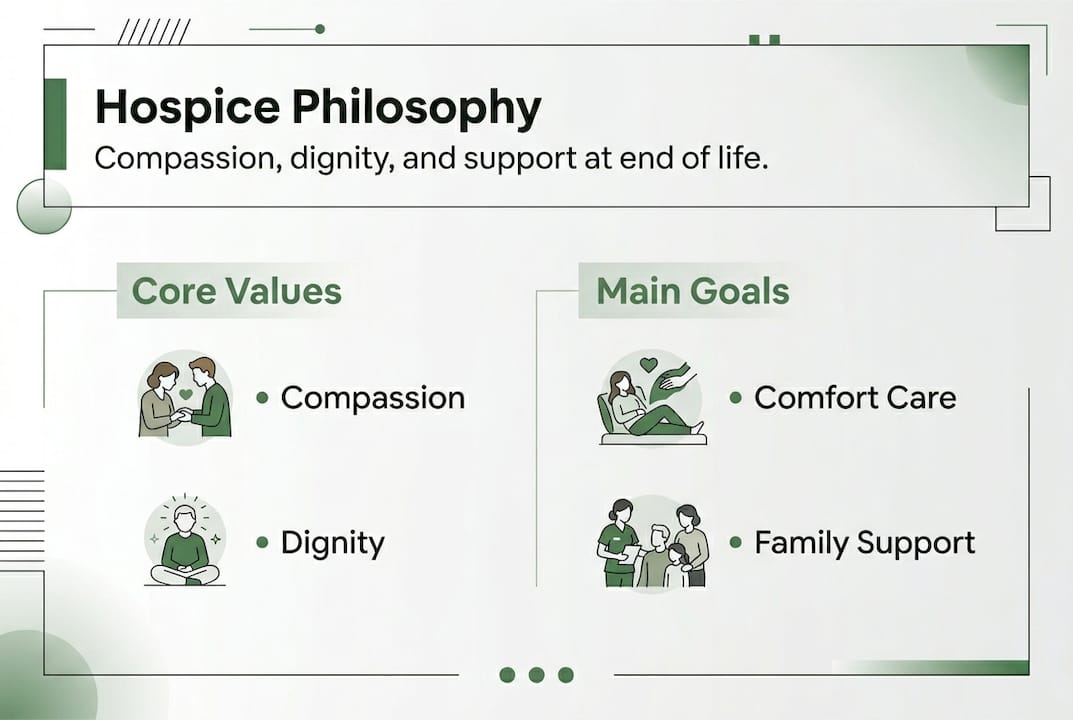
These principles are not abstract ideals. They are the daily commitments that shape every conversation, every medication decision, and every moment of care. Core hospice values include patient-centered care, pain and symptom management, dignity, autonomy, family involvement, and bereavement support.
Let’s look at what each of these means in practice:
- Patient-centered care: Every decision starts with the patient’s wishes, values, and goals. The care plan is built around what matters most to the individual.
- Pain and symptom management: Comfort is the top priority. Teams use medications, therapies, and careful monitoring to keep patients as comfortable as possible. Learn more about pain and symptom management in hospice settings.
- Dignity: Patients are treated with deep respect at every stage. Privacy, preferences, and personal identity are honored without exception.
- Autonomy: Patients have the right to make decisions about their own care, including what treatments they accept or decline.
- Family involvement: Caregivers and family members are supported as active participants, not bystanders. Their needs matter too.
- Bereavement support: Care does not end at the patient’s passing. Grief counseling and emotional support continue for families afterward.
One principle that often surprises families is the ethical concept known as the principle of double effect. This means that when a medication relieves suffering but may also carry some risk, the ethical intent to relieve pain takes priority. Hospice teams are trained to navigate this carefully and transparently. Knowing this can help families feel more confident about hospice care standards and the decisions being made.
Pro Tip: Ask the hospice care team to walk you through the patient’s care plan in plain language. You have every right to understand each decision, and a good team will welcome your questions and input.
How hospice philosophy is practiced
With the guiding principles understood, it’s helpful to see how these values are applied in daily hospice care.
Hospice care is organized around an interdisciplinary team, often called an IDT. This means that instead of one doctor making all the decisions, a group of specialists works together. According to NHPCO care data, hospice delivers four levels of care, with an interdisciplinary team developing a personalized plan and 24/7 on-call support available.
Here is what the team typically looks like:
| Team member | Role |
|---|---|
| Registered nurse | Manages symptoms, coordinates care, monitors changes |
| Social worker | Addresses emotional, practical, and financial concerns |
| Chaplain | Provides spiritual support regardless of faith background |
| Home health aide | Assists with personal care and daily activities |
| Therapists | Offer physical, occupational, or speech therapy as needed |
| Volunteers | Provide companionship and respite for family caregivers |
The four levels of hospice care under Medicare are:
- Routine home care: The most common level, provided wherever the patient lives, with regular visits from the care team.
- Continuous home care: Intensive nursing support during a medical crisis, provided at home to manage acute symptoms.
- Inpatient respite care: Short-term care in a facility to give family caregivers a temporary break.
- General inpatient care: Hospital-level care for symptoms that cannot be managed at home.
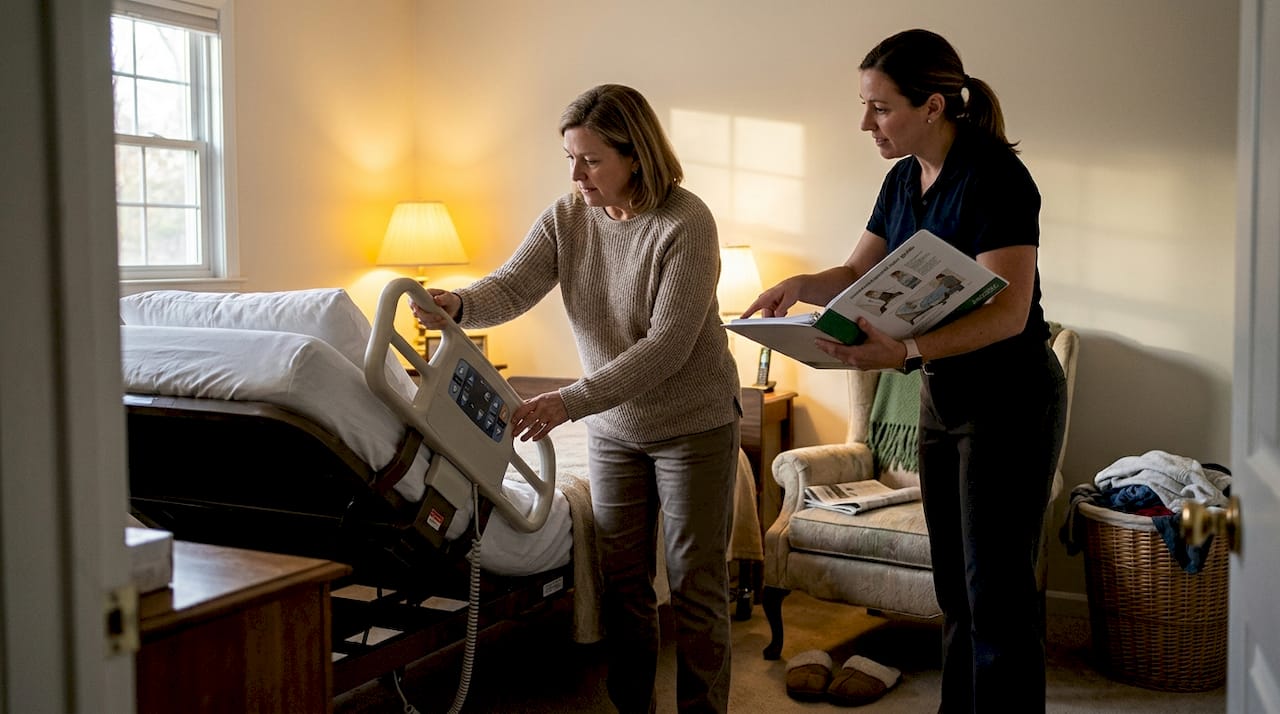
When a patient enters hospice, the team begins with a thorough assessment. They review medical history, current symptoms, personal goals, and family dynamics. A care plan is created together with the patient and family. Visits are scheduled, medications are arranged, and equipment like hospital beds or oxygen is delivered to the home. You can explore hospice service examples to get a clearer picture of what this looks like day to day.
Most care, roughly 90%, happens at home. The role of caregivers is central to this model. Hospice teams train and support family members so they feel prepared, not overwhelmed. And for families who need more structured support, palliative support at home options are available at every step.
Why choose hospice? Real benefits for patients and families
Understanding how hospice is delivered leads to the natural question: Why choose hospice, and what do real families experience?
The evidence is clear and, for many families, surprising. Hospice patients live longer on average by 29 days compared to similar patients who did not receive hospice care. They also report better pain control, higher satisfaction with care, reduced costs, and significantly fewer hospitalizations.
Statistic: Over 1.7 million Medicare beneficiaries received hospice care in recent years, with studies consistently showing fewer emergency room visits and hospitalizations compared to those who did not enroll.
Here are the main benefits families report:
- Patients experience less pain and greater comfort throughout their illness.
- Families feel more supported, less isolated, and better prepared.
- Emotional and spiritual needs are addressed alongside physical ones.
- Caregivers receive training, respite, and ongoing caregiver support throughout the journey.
- Bereavement counseling helps families process grief after the loss.
- Care is delivered at home, preserving normalcy and family connection.
One of the most persistent myths is that hospice is only for the final days of life. In reality, patients can enroll when they have a prognosis of six months or less, and the earlier they enroll, the more support they and their families receive. Families who choose hospice at home benefits earlier often describe it as one of the most meaningful decisions they made.
Pro Tip: If a doctor mentions that curative treatment is no longer working, ask about hospice eligibility right away. Early referral means more time to build relationships with the care team and access the full range of services.
A fresh perspective on hospice philosophy
All the facts and frameworks above are important, but there is something that data alone cannot fully capture.
Many families wait too long to consider hospice, often out of fear that choosing it means giving up. But earlier hospice enrollment is consistently linked to better outcomes for patients and less burnout for families. Waiting until the final days does not honor the philosophy. It limits it.
It is also worth acknowledging that hospice, as it was originally designed, reflects certain cultural assumptions about death, family structure, and spirituality. Some families find the model does not immediately fit their traditions or values. That is a fair concern. The answer is not to avoid hospice but to ask your care team how they can adapt their approach to honor your family’s specific beliefs and practices. A good hospice team will listen.
Choosing hospice is not surrender. It is an act of love. It says: we want this person to be comfortable, seen, and surrounded by meaning. That is not giving up. That is a guide for families toward something more intentional. Open, honest conversations with your care team about goals and values are not just encouraged. They are essential to making hospice work the way it was meant to.
How Graceland Hospice Care can help
If you’re considering how hospice philosophy translates into real support for your family, Graceland Hospice Care is here to help.
At Graceland Hospice Care, we believe that every patient deserves to be treated with deep compassion and genuine dignity. Our interdisciplinary team brings the full range of hospice philosophy to life, from personalized pain management to spiritual care and family counseling. We are committed to meeting each family where they are, honoring their values, and ensuring that no one navigates this journey alone. Explore our hospice services to learn how we can support your family, and contact us today for a free consultation. We are here for you.
Frequently asked questions
Does hospice philosophy mean giving up on treatment?
No. Hospice philosophy prioritizes comfort and quality of life over curative intent, focusing on the patient’s wishes rather than abandoning care altogether.
Can hospice care be provided at home?
Yes. 90% of hospice care is delivered wherever the patient lives, with interdisciplinary team members visiting regularly and family caregivers supported throughout.
How is pain managed in hospice philosophy?
Hospice teams create personalized care plans that use appropriate medications and therapies to relieve pain and suffering, always keeping the patient’s comfort and dignity at the center.
Is hospice only for the last days of life?
No. Hospice is appropriate for patients with a prognosis of six months or less, and enrolling earlier allows families to access more comprehensive support and build meaningful relationships with the care team.
Recommended
- Graceland Hospice Care | Compassionate End-of-Life Care
- End of Life Care Guide for Compassionate At-Home Support | Graceland Hospice Care Blog
- Managing Pain and Symptoms in Hospice Care | Graceland Hospice Care Blog
- Blog & Resources | Graceland Hospice Care
- Understanding Palliative Care: A Holistic Approach to Serious Illness with Dr. John Horton
- A Guide to Anticipatory Grief: Coping When a Loved One is Terminally Ill