How hospice supports families: compassionate care 2026
How hospice supports families: compassionate care 2026
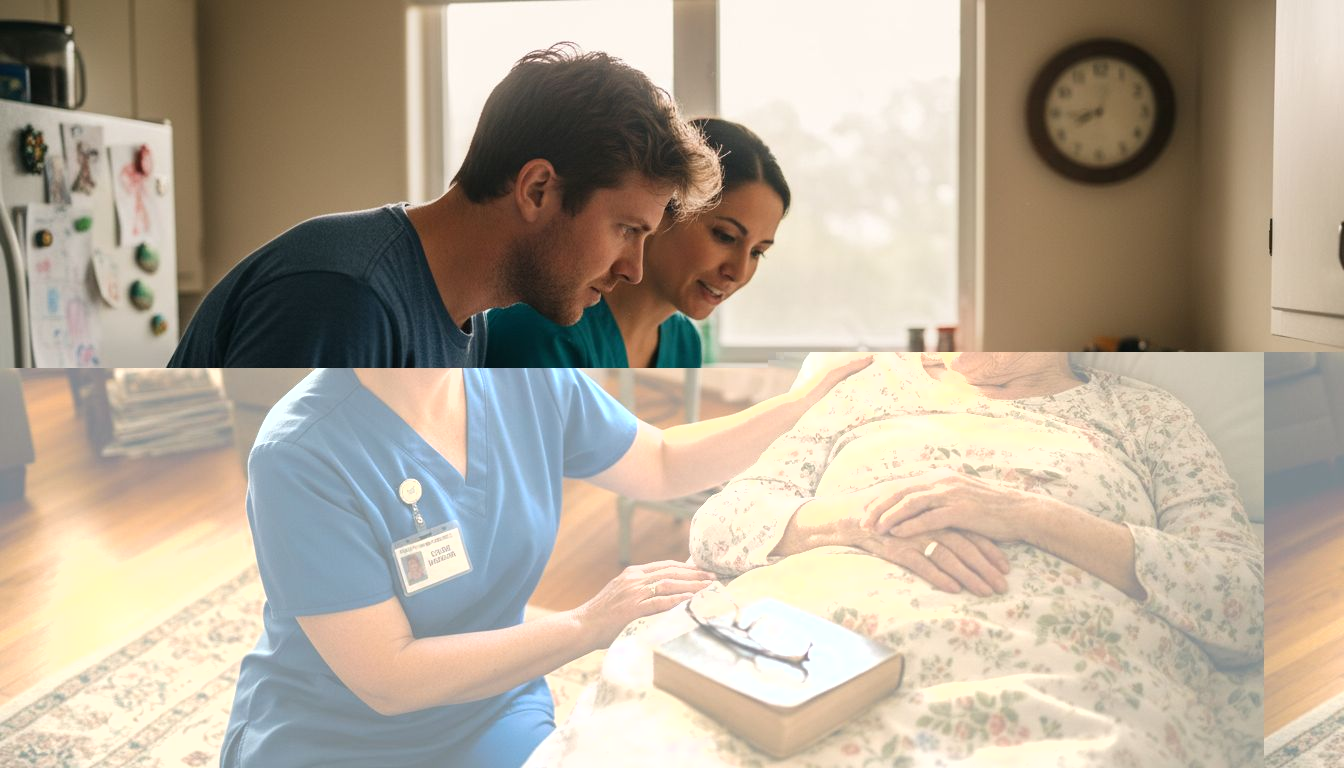
Many families believe hospice only provides care during the final days of life, but this common misconception overlooks the months of comprehensive support hospice offers. Hospice teams actually begin working with families early in a terminal diagnosis to address emotional strain, practical caregiving needs, and spiritual concerns. This guide explains how hospice eases the challenges families face when caring for terminally ill loved ones.
Table of Contents
- How Hospice Eases Emotional Challenges For Families
- An Interdisciplinary Team Approach: Holistic Family Support
- Practical Support Hospice Provides To Families
- Benefits Of Early Hospice Integration For Families And Patients
- How Graceland Hospice Care Supports Your Family
Key takeaways
| Point | Details |
|---|---|
| Reduced caregiver burden | Hospice care significantly reduces family anxiety and improves quality of life through comprehensive support services. |
| Interdisciplinary team approach | Physicians, nurses, social workers, chaplains, and aides collaborate to address emotional, physical, social, and spiritual needs. |
| Early enrollment benefits | Starting hospice sooner leads to better symptom control, fewer hospitalizations, and improved end-of-life experience for patients and families. |
| Practical assistance | Families receive caregiving education, medication management guidance, medical equipment, and community resource coordination. |
| Ongoing grief support | Bereavement counseling continues for 13 months after loss to help families process grief and adjust to life changes. |
How hospice eases emotional challenges for families
Watching a loved one decline from a terminal illness creates overwhelming emotional stress for families. Hospice care significantly reduces caregiver burden and improves quality of life for families through targeted emotional support services.
Hospice teams offer multiple forms of emotional assistance:
- Individual counseling sessions to process anticipatory grief and anxiety
- Family support groups connecting caregivers facing similar challenges
- One-on-one guidance for difficult conversations about end-of-life wishes
- 24/7 crisis support when emotional distress becomes overwhelming
Spiritual care specialists tailor their approach to each family’s beliefs and values, whether religious or secular. This personalized support helps families find meaning during an incredibly difficult time.
Research shows psychological distress interventions in palliative care improved caregiver outcomes significantly, reducing depression and anxiety among family members. The emotional relief families experience through caregiver support hospice families receive allows them to focus on precious time with their loved one rather than managing crisis after crisis alone.
Pro Tip: Families who openly communicate with their hospice team about emotional struggles from the start report better outcomes and less regret after their loved one passes. Don’t wait until you’re in crisis to ask for emotional support.
An interdisciplinary team approach: holistic family support
Hospice operates through an interdisciplinary team (IDT) model where multiple professionals collaborate to support the whole family. This coordinated approach addresses needs that a single provider could never manage alone.
The hospice IDT typically includes:
- Physicians overseeing medical care and symptom management plans
- Registered nurses providing skilled nursing care and family education
- Social workers addressing financial concerns, advance directives, and family dynamics
- Chaplains offering spiritual and existential support tailored to beliefs
- Home health aides assisting with bathing, dressing, and personal care
- Volunteers providing companionship and respite for exhausted caregivers
Coordinated care by physicians, nurses, social workers, chaplains, and aides leads to better symptom management and bereavement outcomes. Each team member brings specialized expertise while communicating regularly to ensure comprehensive support.
| Team Member | Primary Role | Family Benefit |
|---|---|---|
| Physician | Medical oversight and symptom protocols | Peace of mind about medical decisions |
| Nurse | Direct care and medication management | Expert guidance for caregiving tasks |
| Social Worker | Emotional counseling and resource connection | Help navigating insurance and financial stress |
| Chaplain | Spiritual and existential support | Comfort through faith or meaning-making |
| Aide | Personal care assistance | Physical relief from demanding care tasks |
The collaborative approach also improves outcomes. Studies show hospice patients experience fewer emergency room visits and hospital readmissions because the IDT proactively manages symptoms at home. This team structure ensures families never feel alone in the caregiving journey, with importance of spiritual care in hospice being just one component of comprehensive support.
Practical support hospice provides to families
Beyond emotional care, hospice delivers concrete practical assistance that transforms the daily caregiving experience. Many families struggle with the physical demands and technical aspects of caring for someone with a terminal illness at home.
Hospice teams provide hands-on education in essential caregiving skills:
- Safe patient positioning and transfers to prevent injuries
- Medication administration schedules and proper dosing techniques
- Wound care and skin integrity maintenance
- Recognizing signs of pain or distress in non-verbal patients
- Home safety modifications to prevent falls and accidents
- Nutrition and hydration strategies as appetite changes
Families receive education on caregiving tasks, medication management, home safety, plus community resource coordination that connects them to local services like meal delivery, transportation assistance, and respite care options.

Hospice also supplies necessary medical equipment at no cost to families, including hospital beds, wheelchairs, oxygen concentrators, and specialized mattresses for pressure relief. This equipment would otherwise cost thousands of dollars and create financial strain during an already stressful time.
Pro Tip: Keep a dedicated notebook for tracking medication schedules, symptom changes, and questions for your hospice team. This simple tool prevents forgotten details during overwhelming days and ensures consistent care.
The difference between managing terminal illness with and without hospice practical support becomes clear:
| Aspect | Without Hospice | With Hospice |
|---|---|---|
| Medical equipment | Family purchases or rents at high cost | Provided at no charge |
| Caregiving knowledge | Learn through trial and error | Expert training and ongoing guidance |
| Medication access | Family manages pharmacy trips and costs | Delivered to home, covered by benefit |
| Resource awareness | Family researches options alone | Team coordinates community services |
| Crisis management | Emergency room visits for symptoms | 24/7 nurse phone support |
These examples of hospice services for families demonstrate how practical support removes obstacles that prevent families from focusing on their loved one. The home hospice care workflow guide further explains how these services integrate into daily routines.
Benefits of early hospice integration for families and patients
Timing matters tremendously when it comes to hospice enrollment. Families often delay hospice referrals due to misconceptions, yet starting earlier provides substantial benefits for both patients and caregivers.
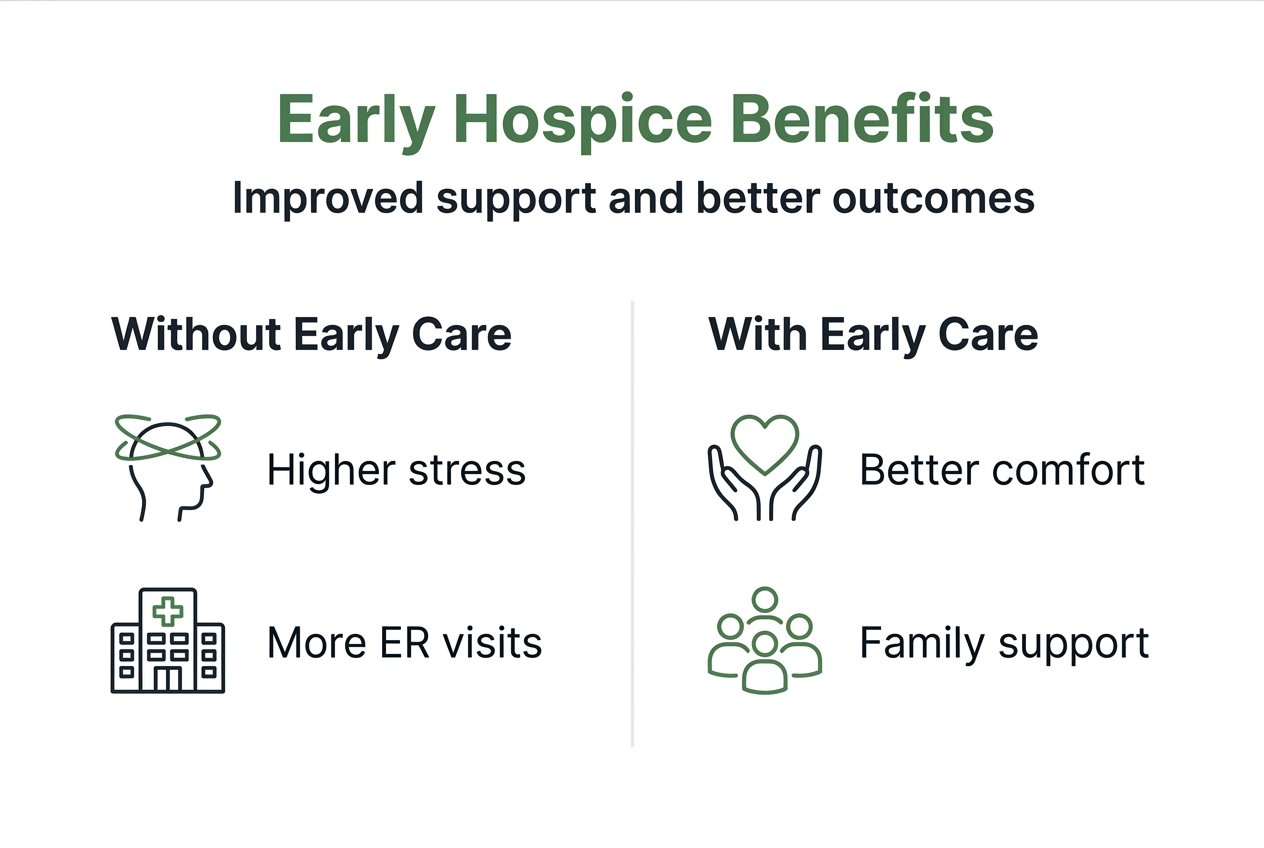
Early hospice enrollment leads to fewer hospitalizations and better pain management because teams have time to establish effective symptom control protocols. Patients who enroll in hospice with months remaining experience more stable comfort levels than those who wait until the final weeks.
Early integration also gives families:
- More time to build trust and rapport with the care team
- Opportunities to create meaningful memories without crisis interruptions
- Extended bereavement support beginning before loss occurs
- Better preparation for the dying process through gradual education
Research confirms these advantages. Hospice improves quality of dying and grief coping among family caregivers, with early enrollees showing significantly better adjustment after loss compared to families who started hospice in the final days.
“Families consistently report wishing they had started hospice sooner. The support, education, and symptom relief we provide work best when we have adequate time to build relationships and address needs proactively rather than reactively.” – Hospice Medical Director
Recognizing hospice eligibility early requires understanding key indicators:
- Progressive weight loss despite adequate caloric intake
- Increasing hospitalizations or emergency visits for the same condition
- Declining ability to perform daily activities independently
- Disease progression continuing despite aggressive treatment
- Patient expressing readiness to focus on comfort over cure
The understanding hospice care guide for families offers detailed information about eligibility criteria and enrollment processes. Starting the conversation with healthcare providers when these signs appear allows families to access months of valuable support rather than just weeks.
How Graceland Hospice Care supports your family
At Graceland Hospice, our interdisciplinary team brings compassionate expertise to families facing terminal illness. We understand the emotional weight and practical challenges of caring for a loved one during this journey, and we’re committed to supporting your entire family through every step.
Our comprehensive hospice care services include 24/7 medical support, expert symptom management, spiritual care tailored to your beliefs, and practical assistance with caregiving tasks. We provide all necessary medications and equipment at no cost to your family, removing financial barriers to quality end-of-life care.
Our team serves with passion and treats every individual with deep compassion, ensuring the gift of hospice reaches all eligible patients and families. We invite you to contact us for a free consultation to discuss how we can support your family’s unique needs during this difficult time.
FAQ
What does hospice support for families include?
Hospice provides comprehensive support addressing emotional, practical, spiritual, and medical needs for both patients and families. Services include counseling, caregiver education, 24/7 crisis support, medication and equipment provision, and bereavement care extending 13 months after loss. The interdisciplinary team coordinates all aspects of care to reduce family burden.
When should families consider hospice care?
Families should explore hospice when a loved one has a terminal diagnosis with a prognosis of six months or less if the disease follows its expected course. Earlier enrollment provides more time for symptom management and family support. Signs include progressive decline despite treatment, increasing hospitalizations, and patient desire to focus on comfort over aggressive interventions.
Does hospice only provide care in the final days?
No, this is a common misconception. Patients typically qualify for hospice when they have six months or less to live if their illness progresses naturally, and many receive care for several months. Some patients even improve temporarily and graduate from hospice, later re-enrolling if their condition declines again. The focus is quality of life throughout the terminal journey.
How does hospice help with caregiver stress?
Hospice reduces caregiver stress through respite care, counseling services, practical caregiving education, and 24/7 support access. The team handles medication management, provides medical equipment, and coordinates community resources, removing many burdens from family members. Grief and bereavement support continues long after loss to help families process their experience.
Is hospice covered by insurance?
Medicare, Medicaid, and most private insurance plans cover hospice services at 100% with no out-of-pocket costs for families. The hospice benefit includes all medications related to the terminal diagnosis, medical equipment, nursing visits, and interdisciplinary team support. Families never receive bills for hospice-covered services, ensuring financial concerns don’t prevent access to quality end-of-life care.