Hospice at Home vs. Hospice Facilities: Which Is Right for Your Family?

When a loved one is approaching the end of life, one of the most important decisions families face is where care should happen. Should your loved one receive hospice at home, surrounded by familiar comforts? Or would an inpatient hospice house or facility better meet their needs? Both options share the same goal—comfort, dignity, and quality of life—but they differ in setting, support, and day-to-day experience.
What Is Hospice at Home?
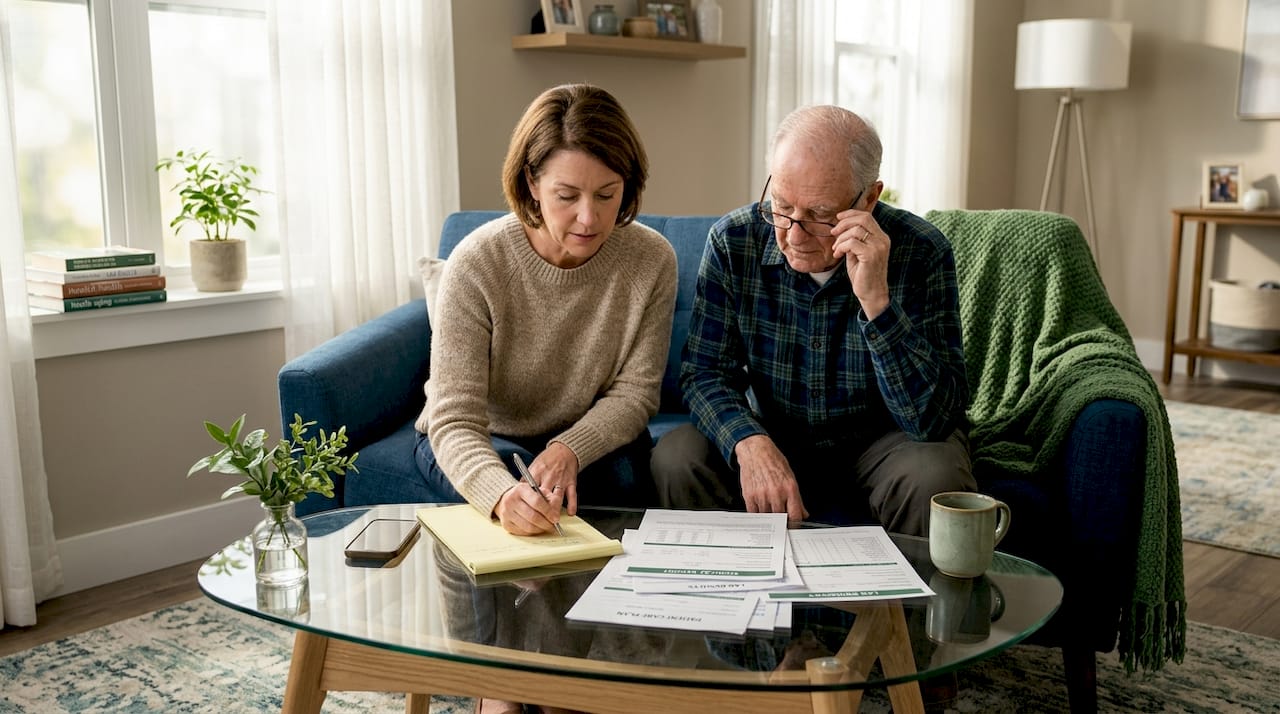
Hospice at home brings the full hospice care team directly to where your loved one lives. Nurses, aides, social workers, chaplains, and volunteers visit on a schedule tailored to the patient's needs, while family members and caregivers provide day-to-day support in between visits.
For most families, home is where people feel safest. Familiar surroundings, personal belongings, pets, and the comfort of loved ones nearby can ease anxiety and bring a profound sense of peace during life's final chapter.
Benefits of hospice at home
- Familiar surroundings that bring comfort and reduce confusion, especially for patients with dementia
- Family closeness—loved ones can be present around the clock without visiting-hour limits
- Personalized routines built around the patient's preferences, meals, and sleep
- Lower cost in most cases, as it avoids facility room-and-board charges
- One-on-one attention from caregivers who know the patient intimately
What Is an Inpatient Hospice House or Facility?
An inpatient hospice house (sometimes called a "hospice house") is a residential setting where patients receive around-the-clock clinical care from on-site staff. Facilities may also include hospice units within hospitals or nursing homes.
Inpatient care is often the right choice when symptoms become difficult to manage at home, when a patient needs intensive medical monitoring, or when family caregivers are unable to provide the level of support required.
Benefits of a hospice facility
- 24/7 on-site clinical staff for complex symptom and pain management
- Relief for family caregivers who may be exhausted or unable to provide full-time care
- Specialized equipment readily available on site
- A calm, home-like environment designed specifically for end-of-life comfort
Comparing the Two Settings
| Consideration | Hospice at Home | Hospice Facility | | --- | --- | --- | | Setting | The patient's own home | A dedicated residential facility | | Clinical staffing | Scheduled visits + family caregivers | 24/7 on-site staff | | Cost | Typically lower (no room & board) | Higher (room & board may apply) | | Caregiver role | Significant family involvement | Staff handles most daily care | | Best for | Stable symptoms, strong home support | Complex symptoms, limited home support |
How to Decide
There's no single right answer—the best setting depends on your loved one's medical needs, your family's caregiving capacity, and your loved one's own wishes. Ask yourself:
- How complex are the symptoms? If pain or breathing difficulties are hard to control at home, a facility may offer faster relief.
- What support is available at home? Strong family or caregiver support makes home hospice more feasible.
- What does your loved one want? Many people express a clear wish to remain at home.
- What can your family sustain? Caregiving is demanding; honesty about your limits protects everyone's well-being.
It's also worth knowing that care can shift over time. Many families begin with hospice at home and transition to inpatient care if needs change—or use short inpatient stays to stabilize symptoms before returning home.
How Graceland Hospice Care Can Help
At Graceland Hospice Care, we specialize in compassionate in-home hospice care for families across Orange County, California. Our team works closely with you to build a care plan around your loved one's comfort and your family's needs—and to guide you honestly if a different setting would serve them better.
If you're weighing your options, you don't have to decide alone. Contact our team for a no-obligation conversation about what's right for your loved one. Choosing where to receive hospice care isn't about giving up—it's about choosing comfort, dignity, and time well spent with the people who matter most.