What Is End of Life Care? Choices for Families
What Is End of Life Care? Choices for Families
Caring for a loved one with a terminal illness in Orange or LA County often means facing unfamiliar decisions and emotions. Many families struggle with uncertainty around end of life care, feeling overwhelmed by choices and misconceptions about hospice support at home. This article clears up confusion about end of life care, explains the various types of services available, and highlights how compassionate home hospice can empower caregivers with medical, emotional, and spiritual support when it matters most.
Table of Contents
- Defining End of Life Care and Common Misconceptions
- Types of End of Life Care Services Available
- How Home Hospice Supports Families and Patients
- Patient Rights, Decision-Making, and Advance Directives
- Costs, Insurance, and Access in Southern California
Key Takeaways
| Point | Details |
|---|---|
| End of Life Care Focus | End of life care prioritizes quality of life and comfort for patients with terminal illnesses, rather than curative treatments. |
| Common Misconceptions | Many people mistakenly believe end of life care is only for imminent death; in reality, it can begin months or years prior. |
| Palliative vs. Hospice Care | Palliative care can occur at any illness stage and may include curative treatment, while hospice care is specifically for terminal patients focusing solely on comfort. |
| Financial Resources | Families should explore various insurance coverage options and local financial assistance programs available for end of life care. |
Defining End of Life Care and Common Misconceptions
End of life care represents a compassionate healthcare approach focused on supporting patients with terminal illnesses and providing comfort during their final journey. Unlike traditional medical treatments that aim to cure, end of life care prioritizes quality of life, pain management, and emotional support for patients and their families.
Many people misunderstand end of life care, often associating it exclusively with imminent death. In reality, this specialized form of care can begin months or even years before a patient’s passing, depending on their medical condition and prognosis. Key aspects of end of life care include:
- Comprehensive pain management
- Emotional and psychological support
- Dignity preservation
- Family counseling
- Symptom control
- Spiritual care
Hospice care represents a specific type of end of life care, typically offered when curative treatments are no longer effective or desired. The primary goal is not to extend life artificially but to ensure patients experience maximum comfort and minimal suffering.
End of life care is about honoring a person’s dignity, managing symptoms, and providing holistic support during life’s most vulnerable moments.
Common misconceptions about end of life care can create unnecessary anxiety for families. Many believe this care means giving up hope or accelerating death, but the reality is quite different. End of life care aims to enhance the remaining time a patient has, focusing on emotional well-being, pain reduction, and creating meaningful experiences.
Pro tip: Discuss end of life care options early with healthcare providers to understand the full range of supportive services available and reduce potential family stress.
Types of End of Life Care Services Available
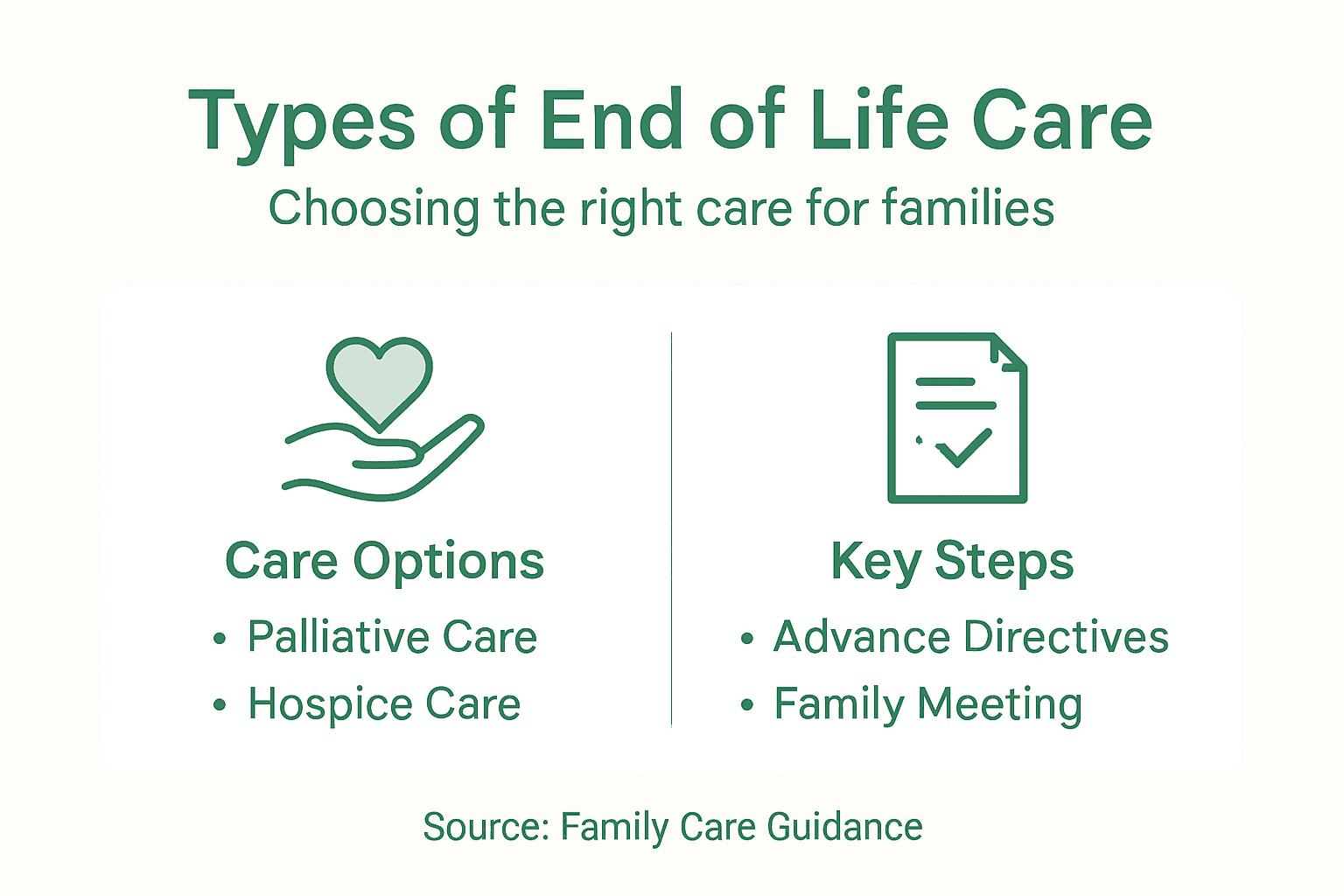
End of life care encompasses several specialized services designed to provide comprehensive support for patients facing terminal illnesses. Palliative and hospice care represent the primary approaches to managing patient comfort and quality of life during challenging medical journeys.
Palliative Care Services offer a holistic approach to patient support, available at any stage of serious illness. Key characteristics include:
- Symptom management
- Pain relief
- Emotional support
- Treatment alongside curative medical interventions
- Comprehensive family counseling
- Coordination with primary healthcare providers
Hospice Care Services provide specialized support for patients with terminal conditions, typically when curative treatments are no longer effective. End of life care settings can include multiple environments:
- Home-based care
- Dedicated hospice facilities
- Hospital inpatient units
- Nursing home environments
- Outpatient clinic support
Hospice and palliative care services aim to transform medical treatment from prolonging life to enhancing life’s quality during its most vulnerable moments.
Understanding the nuanced differences between these services helps families make informed decisions. While palliative care can be provided concurrently with treatment, hospice care typically begins when medical interventions transition toward comfort and quality of life management.
Here’s a comparison of palliative care and hospice care to clarify their distinct roles:
| Criteria | Palliative Care | Hospice Care |
|---|---|---|
| Timing of Initiation | At any illness stage | Patients with six months or less to live |
| Treatment Approach | Can include curative treatment | Focuses only on comfort care |
| Care Setting | Hospitals, clinics, home | Home, hospice facilities, nursing homes |
| Eligibility Requirement | Any serious illness | Terminal diagnosis with limited prognosis |
| Payment Sources | Insurance, Medicare, private pay | Medicare, Medicaid, donations |
Pro tip: Request a comprehensive consultation with healthcare providers to understand which end of life care services best match your specific medical and emotional needs.
How Home Hospice Supports Families and Patients
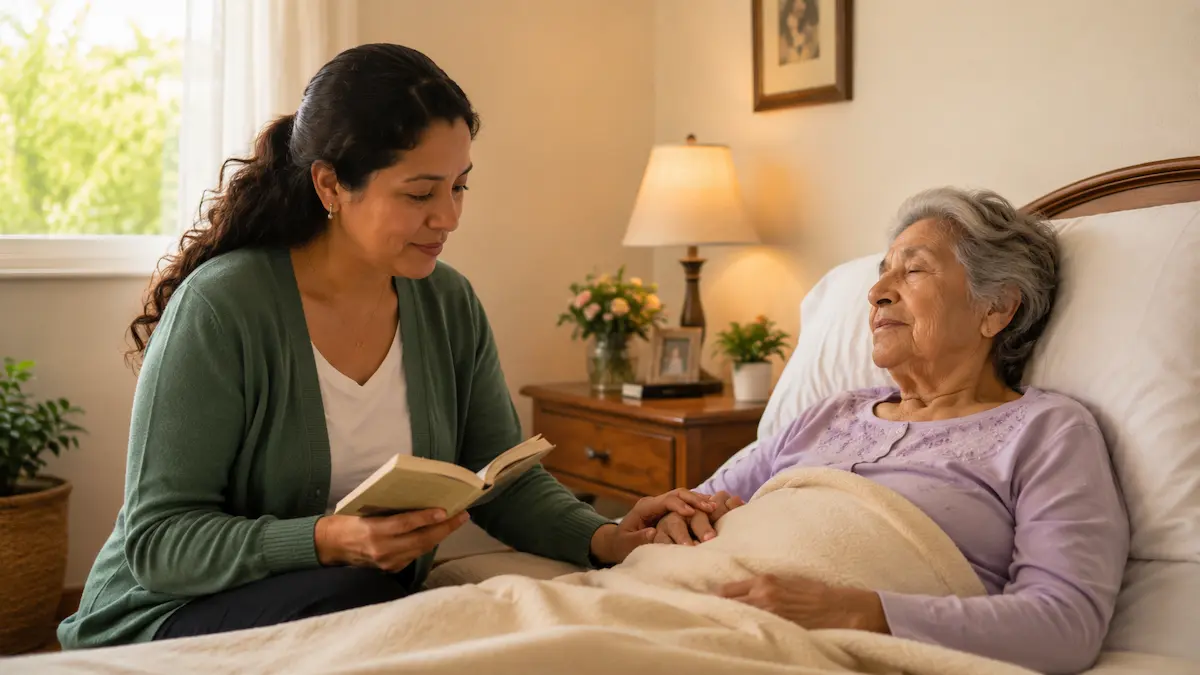
Home hospice care provides a compassionate and personalized approach to end of life support, enabling patients to receive medical care and emotional comfort within the familiar surroundings of their own home. This specialized service transforms the challenging journey of terminal illness by prioritizing patient dignity, comfort, and family involvement.
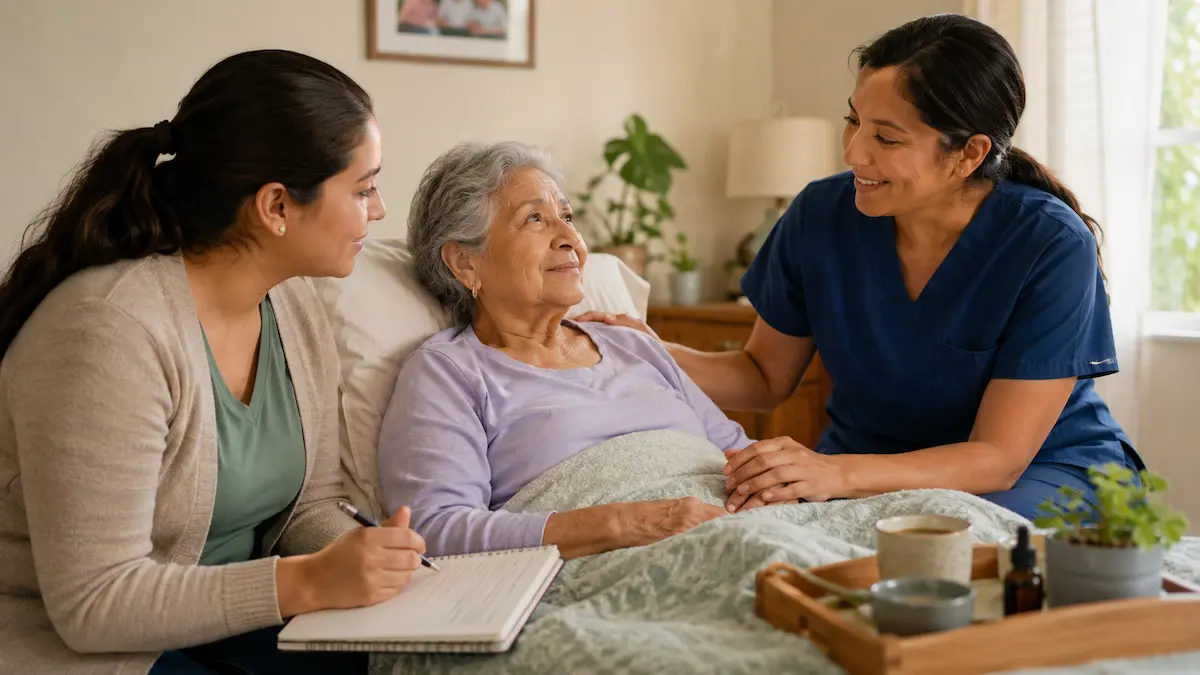
Home Hospice Support Services typically include comprehensive assistance for both patients and families:
- Medical equipment provision
- Pain and symptom management
- 24/7 professional nursing support
- Emotional counseling services
- Spiritual care resources
- Medication management
- Family caregiver training
Caring support strategies extend beyond medical interventions, recognizing that end of life care involves holistic support for the entire family unit. Hospice professionals understand that each patient’s journey is unique and requires personalized, compassionate approaches tailored to individual needs and family dynamics.
Home hospice transforms medical care from a clinical experience to a deeply human, dignified process of support and healing.
The emotional and practical support provided by home hospice teams is crucial. They help families navigate complex medical decisions, manage stress, and create meaningful moments during challenging times. By offering respite services and bereavement support, home hospice teams ensure families are not alone in their most vulnerable moments.
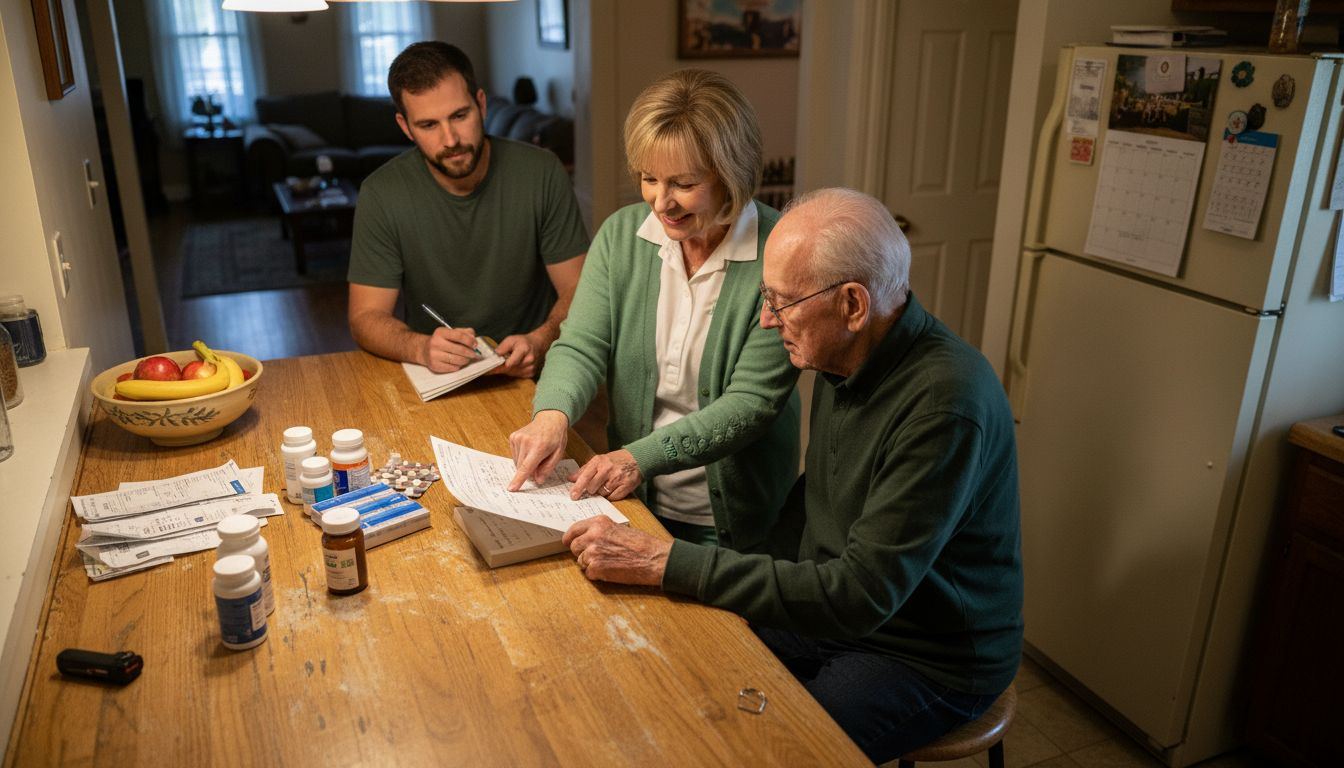
Pro tip: Create a supportive care plan with your hospice team that includes specific roles for family members and clear communication protocols to reduce stress and uncertainty.
Patient Rights, Decision-Making, and Advance Directives
Patient rights in end of life care represent a fundamental aspect of medical autonomy and personal dignity. These rights empower individuals to make informed decisions about their healthcare, ensuring their values and preferences are respected during the most vulnerable moments of their medical journey.
Advance Directive Components provide patients with critical tools for expressing their healthcare wishes:
- Living will documentation
- Healthcare power of attorney
- Treatment preference specifications
- Life-sustaining intervention guidelines
- Personal value statements
- Emergency medical instructions
- Organ donation preferences
Patient decision-making rights encompass several key principles that protect individual autonomy. Patients have the fundamental right to:
- Receive complete medical information
- Understand proposed treatments
- Accept or refuse medical interventions
- Change healthcare directives
- Select preferred care environments
- Designate medical decision-makers
Advance directives transform patient vulnerability into a powerful expression of personal choice and self-determination.
Effective communication with healthcare providers and family members is crucial in creating meaningful advance directives. These documents not only guide medical teams but also provide emotional relief for families during challenging medical circumstances, reducing potential conflicts and uncertainty.
Below is a summary of advance directive components and why each is important:
| Advance Directive Component | Purpose Highlight | Typical Impact on Care |
|---|---|---|
| Living Will | Specifies medical wishes | Guides end-of-life treatments |
| Healthcare Power of Attorney | Appoints healthcare agent | Ensures decisions match preferences |
| Emergency Medical Instructions | Describes actions in emergencies | Prevents unwanted interventions |
| Organ Donation Preferences | States donor choices | Informs transplantation consent |
Pro tip: Review and update your advance directives annually, ensuring they accurately reflect your current health status, personal values, and medical preferences.
Costs, Insurance, and Access in Southern California
End of life care expenses in Southern California represent a complex landscape of financial considerations that families must carefully navigate. Understanding the nuanced insurance coverage and available support systems can significantly reduce the financial burden during an already emotionally challenging time.
Insurance Coverage Options for end of life care in Southern California typically include:
- Medicare hospice benefits
- Medicaid support programs
- Private health insurance plans
- Veterans Administration benefits
- Nonprofit organization assistance
- County-level healthcare support
- Sliding scale payment programs
Medicare provides the most comprehensive coverage for hospice services, with specific eligibility requirements that families should thoroughly understand. Patients must typically meet the following criteria:
- Have a terminal diagnosis with life expectancy of six months or less
- Elect to receive hospice care instead of curative treatments
- Be certified by a physician as hospice-eligible
- Receive care from a Medicare-certified hospice provider
Southern California families have multiple financial resources available to support end of life care, but proactive research and communication are key to accessing these benefits.
Additional financial support options exist for families struggling with end of life care costs. Many local Southern California hospice providers offer financial counseling, payment plans, and connections to charitable organizations that can help offset medical expenses.
Pro tip: Contact multiple insurance providers and local hospice organizations to compare coverage options and explore financial assistance programs specific to your unique situation.
Compassionate End of Life Care Tailored for Your Family’s Needs
Facing decisions about end of life care can feel overwhelming. This article highlights the challenges families encounter, such as managing pain, understanding hospice versus palliative care, and navigating patient rights like advance directives. At Graceland Hospice, we recognize these concerns and are committed to providing compassionate, personalized support that respects your loved one’s dignity and wishes.
Explore how our expert team can help ease your journey by offering comprehensive home hospice services, emotional counseling, and guidance on crucial decisions. Learn more about the choices available and how to create a meaningful care plan by visiting our Graceland Hospice Blog for valuable insights. Contact us now for a free consultation and let us partner with you to ensure comfort and peace of mind during this important time. Start your conversation today at Graceland Hospice Blog and discover how we turn challenging moments into compassionate care.
Frequently Asked Questions
What is end of life care?
End of life care is a compassionate approach to healthcare that focuses on supporting patients with terminal illnesses, prioritizing comfort, dignity, and quality of life during their final journey.
How does palliative care differ from hospice care?
Palliative care can be provided at any stage of a serious illness and can involve curative treatments, whereas hospice care is specifically for patients with terminal conditions when curative options are no longer pursued, focusing solely on comfort and quality of life.
What services are typically included in home hospice care?
Home hospice care usually includes pain and symptom management, 24/7 nursing support, emotional counseling, medication management, and family caregiver training, all provided in the patient’s familiar environment.
What are advance directives and why are they important in end of life care?
Advance directives are legal documents that allow patients to specify their healthcare preferences, such as treatment wishes and designating decision-makers, ensuring their values and choices are honored during critical medical situations.
Recommended
- Graceland Hospice Care | Compassionate End-of-Life Care
- Graceland Hospice Care | Compassionate End-of-Life Care
- Graceland Hospice Care | Compassionate End-of-Life Care
- Graceland Hospice Care | Compassionate End-of-Life Care
- Grief Therapy for Families – Rebuilding Connections Together
- GRIEF Therapy - ReviveHealthTherapy
- Handling the Unthinkable: Coverage for Repatriation of Mortal Remains