Family Support in Hospice – Impact on Home Care
Family Support in Hospice – Impact on Home Care
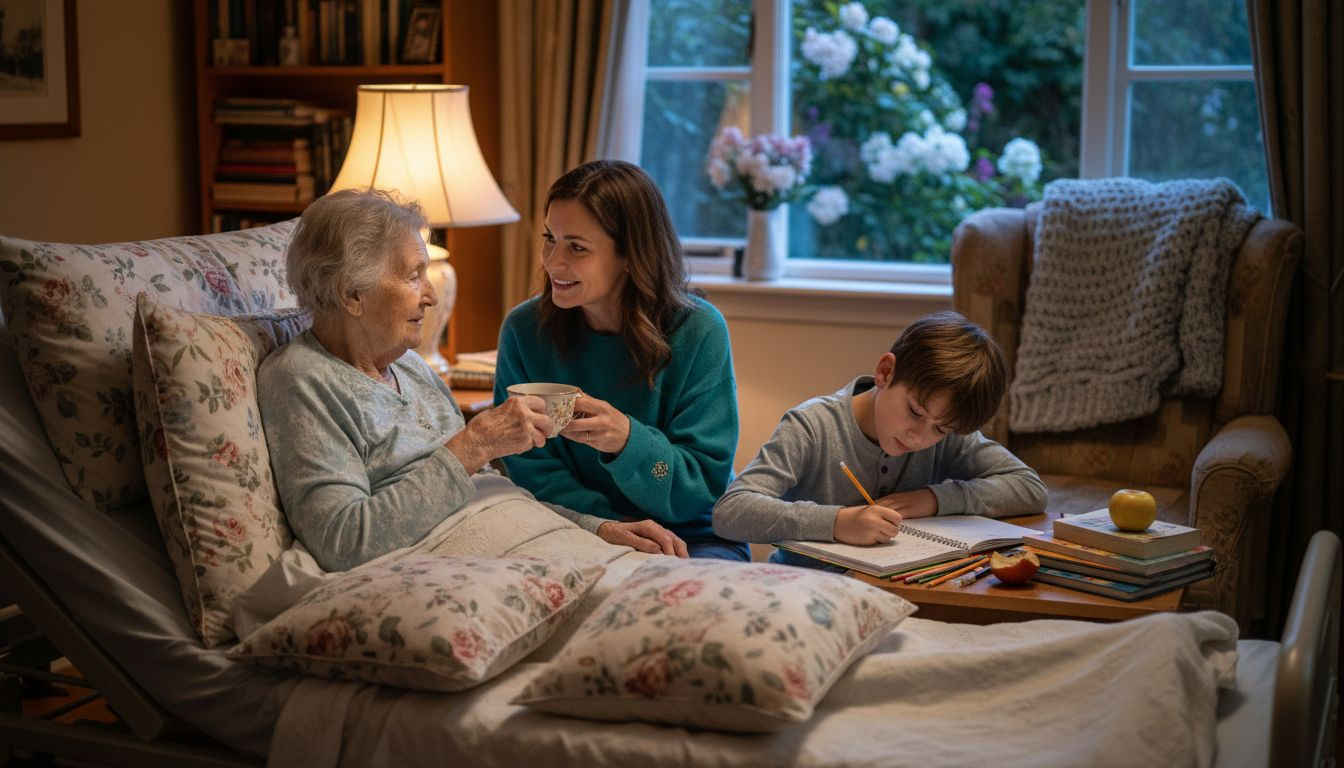
Caring for a loved one at home during their final days brings new responsibilities and emotional challenges. For families in Orange County, California, finding compassionate hospice support makes a profound difference in honoring end-of-life wishes. This overview highlights family support in hospice care, showing how emotional companionship, practical assistance, and professional resources all combine to create a dignified, comforting experience for both patients and caregivers.
Table of Contents
- Defining Family Support In Hospice Care
- Types Of Hospice Family Support Services
- Role Of Families In Home Hospice Care
- Emotional And Practical Needs Of Caregivers
- Common Challenges And Effective Solutions
Key Takeaways
| Point | Details |
|---|---|
| Family Support is Multifaceted | Family involvement includes emotional companionship, practical care, decision-making, and spiritual guidance. Each dimension is crucial for honoring a loved one’s final phase with dignity. |
| Professional Guidance Enhances Care | Hospice teams educate and support families, enabling them to confidently advocate for patient needs and facilitate coordinated care. |
| Emotional and Practical Support are Essential | Caregivers face emotional overwhelm and practical challenges; access to counseling, training, and structured support systems is vital for their well-being. |
| Communication is Key | Open dialogue with hospice teams allows families to navigate complexities, establish expectations, and optimize care for both patient and caregivers. |
Defining Family Support in Hospice Care
Hospice care represents a profound journey of compassion where families become integral partners in providing end-of-life support. Family support in hospice is more than medical assistance—it’s an emotional and spiritual commitment to honoring a loved one’s final chapter with dignity and respect.
At its core, family support in hospice involves multiple interconnected dimensions:
- Emotional Companionship: Providing comfort, presence, and unconditional love
- Practical Care: Assisting with daily needs and medical support
- Decision-Making: Collaborating with hospice teams to respect patient wishes
- Spiritual Guidance: Offering spiritual and psychological comfort
The hospice care model recognizes that families are not passive observers but active participants in the end-of-life process. Professional hospice teams work closely with families, offering guidance, education, and emotional resources to help them navigate this challenging transition.
Caregivers play a crucial role in translating medical recommendations into compassionate care. They become the primary advocates for their loved ones, interpreting subtle needs and ensuring comfort. This partnership between hospice professionals and family members creates a holistic support system focused on quality of life and emotional well-being.
Here’s a quick overview of how professional hospice teams and families work together in the care process:
| Participant | Main Role | Impact on Care |
|---|---|---|
| Family Members | Provide daily comfort | Ensure patient dignity |
| Hospice Team | Guide and educate families | Enhance quality of life |
| Caregivers | Interpret patient needs | Foster emotional well-being |
| Spiritual Advisors | Offer psychological support | Address spiritual concerns |
Pro tip: Communicate openly with your hospice team and don’t hesitate to ask for emotional support resources during this challenging time.
Types of Hospice Family Support Services
Hospice family support services represent a comprehensive approach to end-of-life care that extends far beyond medical treatment. Comprehensive family support encompasses multiple critical dimensions designed to address the holistic needs of patients and their families during challenging times.
The key types of hospice family support services include:
- Medical Care and Equipment: Providing necessary medical supplies, adaptive equipment, and professional healthcare resources
- Emotional Support: Offering counseling, therapy, and psychological guidance for patients and family members
- Respite Care: Delivering temporary relief for primary caregivers to prevent burnout
- Advance Care Planning: Helping families navigate complex medical decisions and document patient wishes
- Bereavement Counseling: Supporting families before and after patient’s passing
Practical Assistance plays a crucial role in hospice support. Coordinated care services help families manage the intricate responsibilities of end-of-life care, including medical coordination, financial guidance, and social support. Professional teams work closely with families to ensure seamless care and emotional comfort.
Therapeutic support extends beyond traditional medical interventions. Hospice programs often include specialized services like physical therapy, occupational therapy, and spiritual counseling to address the multifaceted needs of patients and their loved ones. These comprehensive services recognize that healing involves emotional, psychological, and spiritual dimensions alongside physical care.
Pro tip: Request a complete service overview from your hospice provider to understand the full range of support available for your family.
Role of Families in Home Hospice Care
Family caregivers in home hospice are the cornerstone of compassionate end-of-life care, transforming medical support into deeply personal, loving assistance. Their role extends far beyond basic medical tasks, encompassing emotional, spiritual, and practical dimensions of patient care.
The primary responsibilities of families in home hospice include:
- Direct Patient Care: Providing daily personal assistance and comfort
- Emotional Support: Offering consistent companionship and love
- Communication Bridge: Facilitating interactions with healthcare providers
- Medical Coordination: Helping manage treatment plans and medications
- Decision-Making: Advocating for patient’s wishes and preferences
Emotional Presence becomes a critical therapeutic intervention in home hospice. Families create an environment of comfort, security, and dignity, which medical professionals recognize as essential to patient well-being. Their intimate knowledge of the patient’s history, preferences, and personality allows for nuanced, personalized care that transcends clinical protocols.
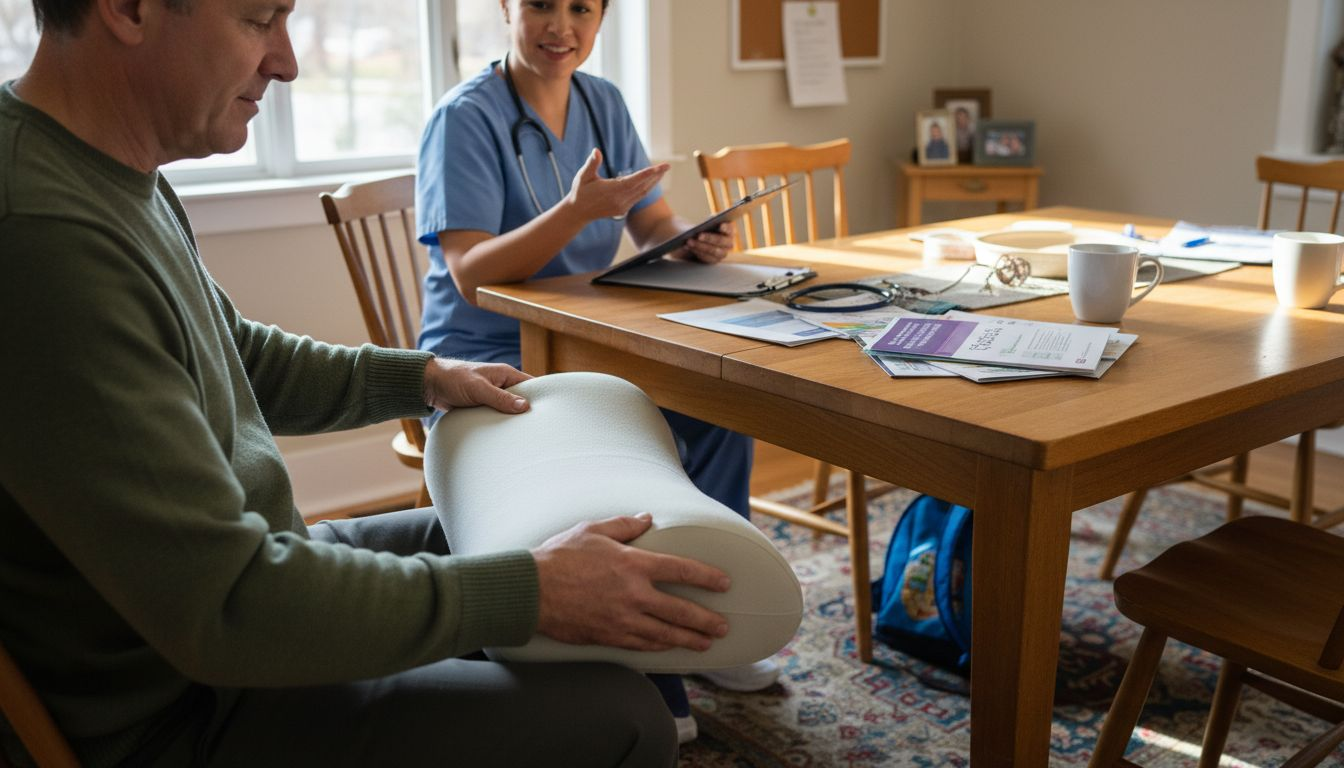
Hospice teams provide comprehensive training and support to help families feel confident in their caregiving roles. This collaborative approach ensures that families are not overwhelmed but empowered, equipped with the skills, resources, and emotional support necessary to navigate this profound journey with grace and resilience.
Pro tip: Communicate openly with your hospice team and create a structured care schedule that allows for both professional support and personal connection.
Emotional and Practical Needs of Caregivers
Caregiving in hospice environments demands an extraordinary balance of emotional resilience and practical skills. The journey of supporting a loved one through end-of-life care creates intense emotional landscapes that require deliberate self-care strategies and comprehensive support systems.
The critical emotional and practical needs of caregivers encompass:
- Emotional Resilience: Managing grief, stress, and complex feelings
- Physical Self-Care: Maintaining personal health and preventing burnout
- Psychological Support: Accessing counseling and mental health resources
- Financial Management: Navigating medical expenses and potential income challenges
- Respite Care: Securing temporary relief and personal recovery time
Psychological Challenges represent a significant dimension of caregiver experience. The emotional weight of witnessing a loved one’s declining health can trigger profound feelings of anticipatory grief, anxiety, and overwhelming responsibility. Caregivers often experience complex emotional states that oscillate between deep love, profound sadness, and occasional frustration.
Practical support becomes equally crucial in sustaining caregiver well-being. This includes access to training programs, support groups, financial counseling, and professional resources that help families navigate the intricate medical, emotional, and logistical challenges of end-of-life care. Creating robust support networks can transform the caregiving experience from an isolating journey to a compassionate, shared process of love and healing.
Pro tip: Schedule regular self-care breaks and seek professional emotional support to maintain your own health while caring for your loved one.
Common Challenges and Effective Solutions
Family caregivers in hospice encounter complex challenges that demand strategic, compassionate approaches. The journey of end-of-life care is rarely straightforward, requiring resilience, adaptability, and comprehensive support systems to navigate successfully.
The most prevalent challenges for hospice families include:
- Emotional Overwhelm: Managing intense feelings of grief and anticipatory loss
- Medical Complexity: Understanding and implementing specialized care protocols
- Communication Barriers: Coordinating effectively with healthcare providers
- Physical Exhaustion: Preventing caregiver burnout and maintaining personal health
- Financial Stress: Managing medical expenses and potential income disruptions
Interdisciplinary Support emerges as a critical solution to these multifaceted challenges. Comprehensive care strategies involve creating holistic support networks that address medical, emotional, and practical needs simultaneously. Professional hospice teams provide targeted interventions, including 24/7 nursing support, counseling services, and practical caregiving education.
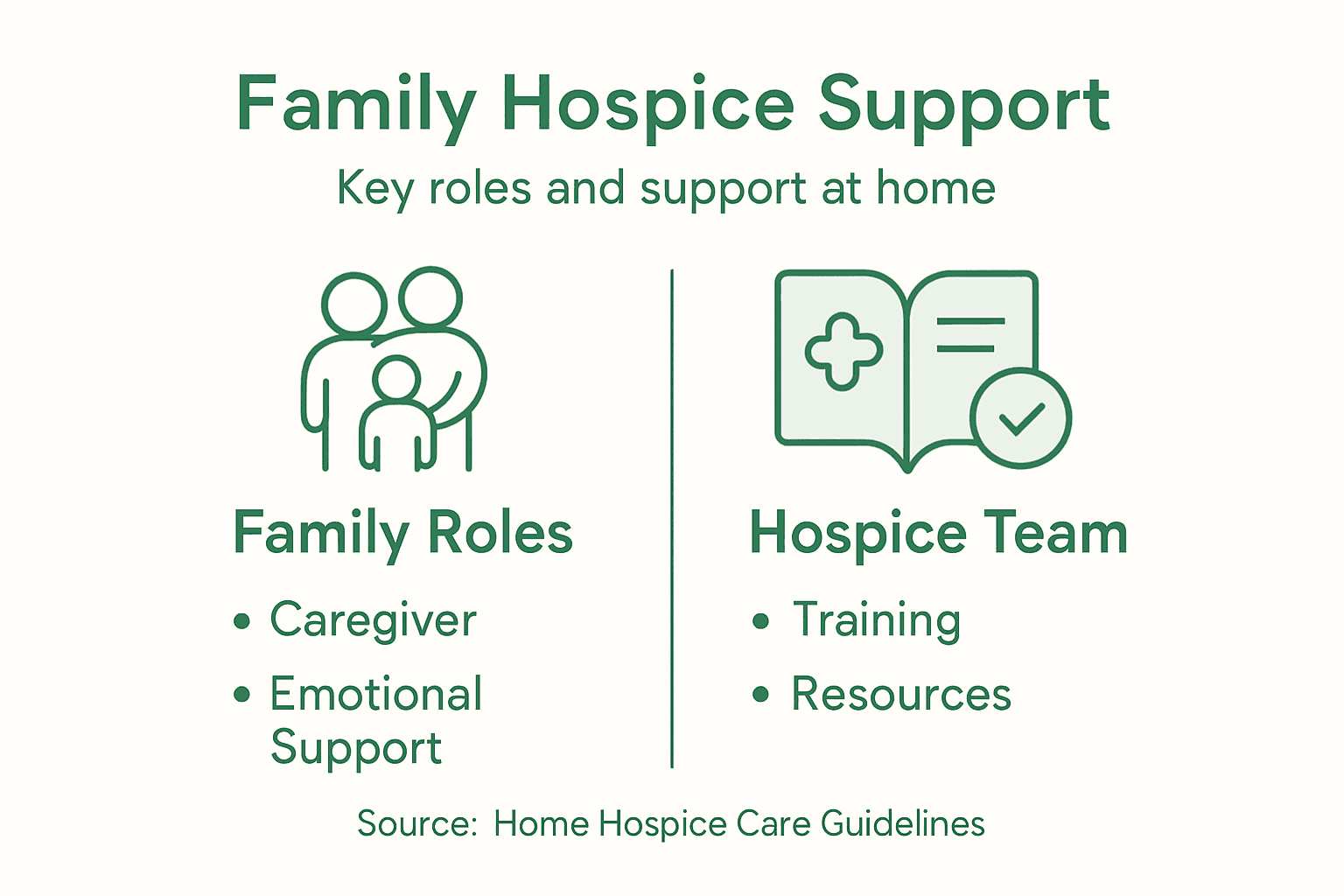
Successful navigation of hospice challenges requires proactive planning and open communication. Families benefit most when they establish clear expectations, leverage available support services, and prioritize both patient care and personal well-being. By developing flexible care strategies and maintaining realistic expectations, caregivers can transform potential obstacles into opportunities for meaningful connection and compassionate care.
The following table summarizes effective strategies for overcoming common hospice caregiver challenges:
| Challenge | Strategy to Address | Potential Benefit |
|---|---|---|
| Emotional overwhelm | Counseling and support | Improved resilience |
| Medical complexity | Professional guidance | Safer patient care |
| Physical exhaustion | Structured breaks | Sustained well-being |
| Financial stress | Financial planning help | Reduced anxiety |
Pro tip: Create a family care team that rotates responsibilities and ensures no single caregiver becomes overwhelmed.
Compassionate Family Support Starts Here
Caring for a loved one with hospice requires more than just medical attention. The article highlights the emotional overwhelm, physical exhaustion, and complex decision-making faced by family caregivers in home hospice care. At Graceland Hospice, we understand these challenges deeply and provide comprehensive support designed to ease your burden. From practical caregiver training to emotional resilience resources, we partner with families to ensure your loved one’s dignity and comfort.
Explore how our dedicated team can empower you during this emotional journey by visiting our blog for more insights. If you want to transform caregiving stress into compassionate care, contact us now for a free consultation. Let us help you provide the best family support possible—because no family should face hospice alone.
Frequently Asked Questions
What is the role of families in hospice care?
Family members in hospice care provide essential support by offering direct patient care, emotional companionship, and facilitating communication with healthcare providers while ensuring that patient wishes and preferences are respected.
How can family caregivers manage stress during hospice care?
Family caregivers can manage stress by scheduling regular self-care breaks, seeking psychological support, joining support groups, and effectively communicating with their hospice team about their emotional and practical needs.
What are common challenges faced by family caregivers in hospice settings?
Common challenges include emotional overwhelm, medical complexities, communication barriers, physical exhaustion, and financial stress associated with caregiving.
What resources are available for families providing hospice care at home?
Families can access a range of resources, including counseling services, respite care, professional training programs, and comprehensive support from hospice teams to help navigate medical, emotional, and logistical challenges.
Recommended
- Graceland Hospice Care | Compassionate End-of-Life Care
- Graceland Hospice Care | Compassionate End-of-Life Care
- Graceland Hospice Care | Compassionate End-of-Life Care
- Graceland Hospice Care | Compassionate End-of-Life Care
- Role of Caregivers in Hearing Aid Choice – Impact on Elderly Wellbeing – Audora