Grief Support in Hospice – Empowering Family Caregivers
Grief Support in Hospice – Empowering Family Caregivers
Supporting a dying parent at home brings a mix of love, exhaustion, and heartache that few truly understand. As family caregivers in the United States, you confront not just medical duties but also the emotional storms of anticipatory grief, sadness, and ongoing worry. Understanding comprehensive grief support in hospice care empowers you to find stability and comfort, offering guidance through every stage of loss with personalized resources for both you and your loved one.
Table of Contents
- Defining Grief Support in Hospice Care
- Types of Grief Encountered by Caregivers
- How Hospice Teams Deliver Support
- Bereavement Resources and Support Groups
- Caregiver Rights and Common Challenges
Key Takeaways
| Point | Details |
|---|---|
| Holistic Approach in Hospice Care | Hospice care focuses on comfort and dignity, prioritizing quality of life over traditional medical interventions. |
| Emotional Support for Families | Grief support helps families navigate loss through counseling and tailored resources, emphasizing personalized coping strategies. |
| Types of Grief | Caregivers may experience anticipatory, complicated, and normal grief, each requiring distinct support strategies. |
| Importance of Caregiver Well-being | Acknowledging caregiver rights and challenges is essential, emphasizing the need for self-care and support resources. |
Defining Grief Support in Hospice Care
Hospice care represents a profound approach to end-of-life support that extends far beyond medical treatment. Compassionate care for terminal patients focuses on providing comfort, dignity, and comprehensive emotional assistance during life’s most challenging transition. Unlike traditional medical interventions, hospice support prioritizes quality of life and holistic well-being for both patients and their families.
Grief support within hospice care is a specialized service designed to help families navigate the complex emotional landscape of losing a loved one. It encompasses psychological counseling, emotional resources, and structured guidance to help family caregivers process their anticipated loss. The primary goal is not to eliminate grief, but to provide healthy frameworks for understanding and experiencing this deeply personal journey. Trained professionals work closely with families to develop coping mechanisms, recognize grief stages, and maintain emotional resilience during this profound life transition.
The comprehensive nature of hospice grief support involves multiple dimensions of care. Bereavement resources for families typically include individual counseling, support groups, educational materials, and sometimes extended follow-up services after a patient’s passing. These resources are tailored to address the unique emotional needs of each family, recognizing that grief is not a linear process but a deeply individual experience that requires personalized attention and compassionate understanding.
Pro tip: Create a dedicated emotional support journal during your hospice journey to document your feelings, memories, and reflections, which can serve as a therapeutic tool for processing grief and preserving meaningful connections.
Types of Grief Encountered by Caregivers
Caregiving for a terminally ill loved one presents a complex emotional landscape with multiple layers of grief. Grief reactions among caregivers vary widely, reflecting the deeply personal nature of loss and emotional processing. Understanding these different types of grief can help family caregivers recognize and navigate their emotional experiences more effectively.
One primary type of grief is anticipatory grief, which occurs before the actual loss. Caregivers experience this form of grief while watching their loved one decline, processing potential future loss and mourning the gradual changes in their relationship. This preemptive emotional response can include feelings of sadness, anxiety, and profound sense of impending separation. Unlike traditional grief that follows death, anticipatory grief allows caregivers to begin emotional preparation and potentially develop more resilient coping mechanisms.
Emotional responses to loss typically include a spectrum of reactions ranging from shock and anger to guilt and acceptance. Complicated grief represents a more intense and prolonged grieving process that can significantly disrupt daily functioning. This type of grief may persist for extended periods, making it challenging for caregivers to resume normal life activities. Recognizing the signs of complicated grief early can help families seek appropriate professional support and therapeutic interventions.
Here’s a summary of key grief types caregivers may experience:
| Grief Type | When It Occurs | Common Emotions | Support Strategies |
|---|---|---|---|
| Anticipatory Grief | Before the loss | Sadness, anxiety | Counseling, open communication |
| Complicated Grief | Prolonged after loss | Intense sorrow, guilt | Professional therapy, support groups |
| Normal Grief | Shortly after loss | Shock, sadness, acceptance | Peer support, educational tools |
Pro tip: Create a structured emotional tracking journal to document your grief journey, helping you recognize patterns, validate your feelings, and communicate effectively with grief support professionals.
How Hospice Teams Deliver Support
Comprehensive hospice team support represents a holistic approach to end-of-life care that goes far beyond traditional medical treatment. This multi-disciplinary team operates as an integrated support system, bringing together professionals from diverse backgrounds to address the complex needs of patients and their families. Each team member plays a crucial role in creating a compassionate, comprehensive care experience that prioritizes comfort, dignity, and emotional well-being.
The hospice team typically comprises specialized professionals including physicians, nurses, social workers, chaplains, and trained volunteers. These experts collaborate closely to provide personalized care tailored to each patient’s unique circumstances. Nurses focus on pain management and symptom control, while social workers help families navigate emotional and practical challenges. Chaplains offer spiritual support, addressing existential questions and providing emotional comfort that transcends medical interventions. Personalized care delivery ensures that every aspect of a patient’s physical, emotional, and spiritual needs receives thoughtful attention.
Unique to hospice care is the team’s 24/7 availability and commitment to responsive support. This means families are never left alone during critical moments, with professionals ready to provide immediate guidance, medical intervention, or emotional support. The team coordinates care across multiple settings, whether at home, in a hospice center, or within a nursing facility. They not only manage medical symptoms but also provide education, counseling, and practical assistance to help families understand and cope with their loved one’s end-of-life journey.
The table below outlines common hospice team roles and their primary support functions:
| Team Member | Main Responsibility | Example of Support |
|---|---|---|
| Nurse | Pain and symptom management | Adjusts medication, monitors comfort |
| Social Worker | Emotional and practical help | Provides counseling, resources |
| Chaplain | Spiritual and existential care | Facilitates life review, offers prayers |
| Volunteer | Companionship and respite | Visits, offers caregiver breaks |
Pro tip: Create a dedicated communication folder with contact information for each hospice team member, ensuring you can quickly reach the right professional when specific needs arise.
Bereavement Resources and Support Groups
Comprehensive bereavement support services represent a critical lifeline for families navigating the complex emotional terrain of loss. These resources extend far beyond traditional counseling, providing structured support that acknowledges grief as a unique and personal journey. Recognizing that healing is not linear, hospice organizations design multifaceted programs to meet diverse emotional needs and help families rebuild their lives after losing a loved one.
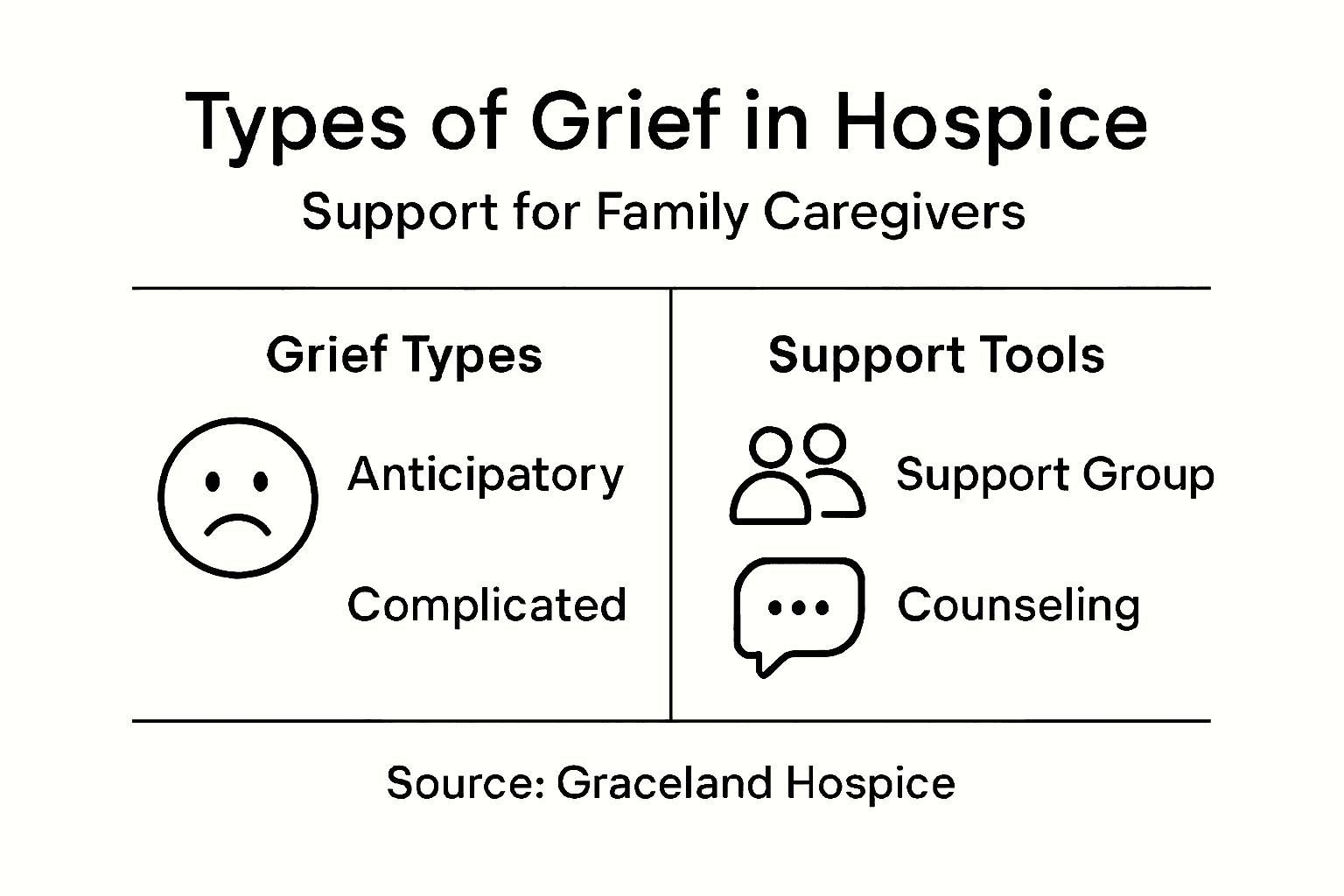
Support groups play a pivotal role in the bereavement process, offering safe spaces where individuals can share experiences and find community. These groups are often segmented to address specific types of loss, such as losing a spouse, parent, or child, ensuring participants connect with others who understand their particular grief context. Community grief support programs typically include structured discussion sessions, educational workshops, and opportunities for both group and individual healing approaches. Professionally facilitated groups help participants develop coping strategies, normalize their emotional experiences, and gradually progress through their grief journey.
Most bereavement support services extend well beyond the immediate period of loss, often providing follow-up resources for up to 13 months after a loved one’s passing. These comprehensive programs may include telephone check-ins, access to grief counseling, educational materials, and referrals to specialized mental health professionals when needed. The goal is to create a continuous support network that adapts to changing emotional needs, recognizing that grief is a complex, evolving process that requires compassionate, long-term assistance.
Pro tip: Research local hospice bereavement support groups before you feel overwhelmed, creating a support network you can access when emotional challenges become difficult.
Caregiver Rights and Common Challenges
Family caregiver challenges represent a complex intersection of emotional, physical, and psychological demands that can overwhelm even the most dedicated individuals. Caregivers often find themselves navigating an intricate landscape of responsibilities while simultaneously managing their own emotional and physical well-being. The role demands extraordinary resilience, with family members suddenly thrust into medical, emotional, and logistical roles for which they may have little formal training or preparation.

The most prevalent challenges caregivers encounter include emotional exhaustion, financial strain, and personal health deterioration. Juggling caregiving responsibilities with work, personal relationships, and self-care creates a persistent state of stress that can lead to burnout and significant mental health challenges. Caregiver support programs increasingly recognize these multifaceted challenges, offering comprehensive resources that address not just practical caregiving skills but also the emotional and psychological toll of providing long-term care. These programs emphasize the importance of recognizing warning signs of caregiver stress and developing robust self-care strategies.
Legal and institutional protections for caregivers are evolving, acknowledging the critical role these individuals play in healthcare support systems. Many workplaces now offer flexible scheduling, potential leave provisions, and resources to help employees managing caregiving responsibilities. Understanding one’s rights, accessing support networks, and implementing strategic self-care practices are crucial for maintaining personal health while providing compassionate care to a loved one. Successful caregiving requires a delicate balance between meeting the care recipient’s needs and preserving the caregiver’s own physical and emotional reserves.
Pro tip: Create a weekly self-care schedule that includes dedicated time for personal rest, professional support check-ins, and structured stress-management activities.
Supporting Family Caregivers Through Every Step of Grief
Grief expressed in hospice care is a deeply personal and challenging journey that places enormous emotional weight on family caregivers. This article highlights crucial challenges such as anticipatory grief, complicated grief, and the need for comprehensive support from dedicated hospice teams. We understand the emotional exhaustion and the importance of compassionate, holistic care to help families navigate these complex feelings with dignity and resilience.
At Graceland Hospice, our commitment is to empower family caregivers through exceptional hospice services designed to provide comfort, emotional guidance, and practical help. Our compassionate team is always available to assist you in building healthy coping strategies and accessing tailored grief support. If you are seeking knowledgeable professionals to walk alongside you and your loved ones, explore how our care can make a difference. Learn more about our approach to comprehensive hospice care and start your journey toward emotional healing today.
Contact us now for a free consultation and take the first step in receiving the support you and your family deserve during this difficult time.
Frequently Asked Questions
What is grief support in hospice care?
Grief support in hospice care is a specialized service that helps families navigate the emotional complexities of losing a loved one. It includes psychological counseling, resources, and guidance to assist caregivers in processing their anticipated loss and maintaining emotional resilience.
What types of grief do caregivers experience?
Caregivers may experience various types of grief, including anticipatory grief, which occurs before the loss, complicated grief, which is intense and prolonged, and normal grief, which typically occurs shortly after the loss. Recognizing these types can help caregivers manage their emotions effectively.
How does a hospice team support grieving families?
A hospice team provides comprehensive support through a multi-disciplinary approach. Team members, including nurses, social workers, and chaplains, work together to offer personalized care that addresses emotional, physical, and spiritual needs, ensuring families never feel alone during critical moments.
What bereavement resources are available for families after a loss?
Bereavement resources typically include support groups, individual counseling, educational materials, and follow-up services that extend for months after a loved one passes. These resources are designed to help families through their unique grief journeys and provide continuous support during the healing process.