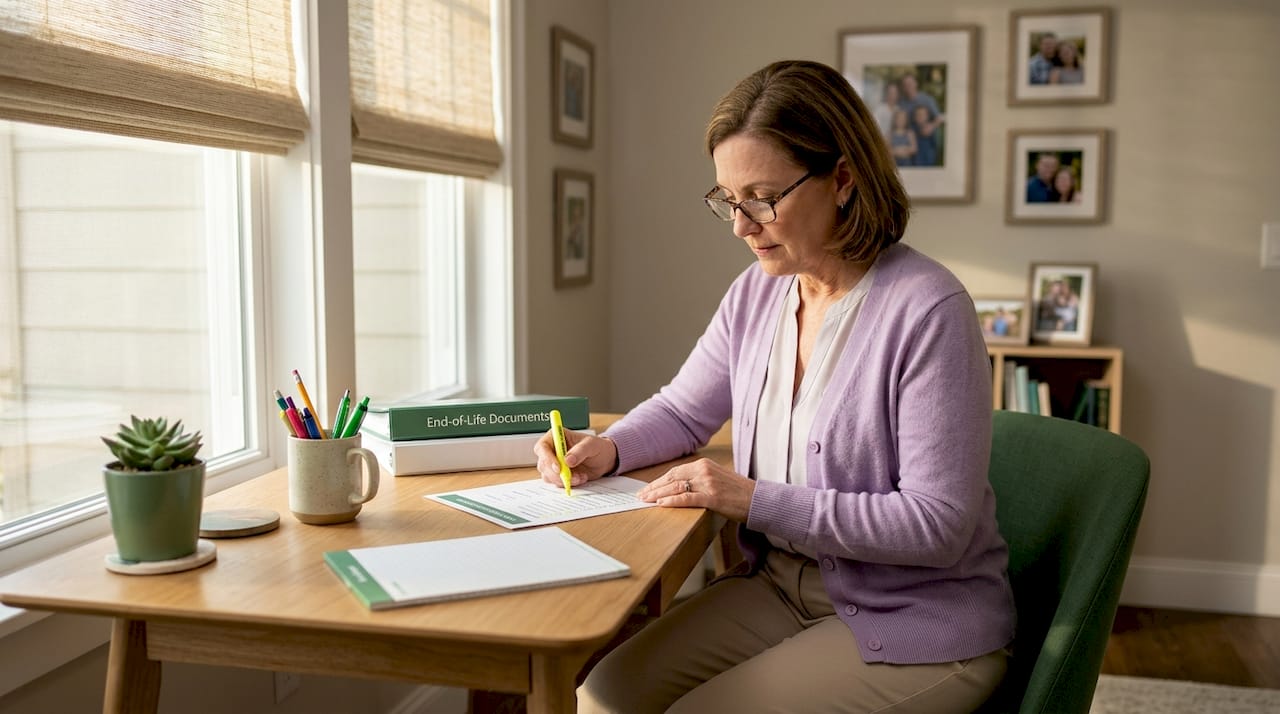
7 Essential Steps for an At-Home Hospice Care Checklist
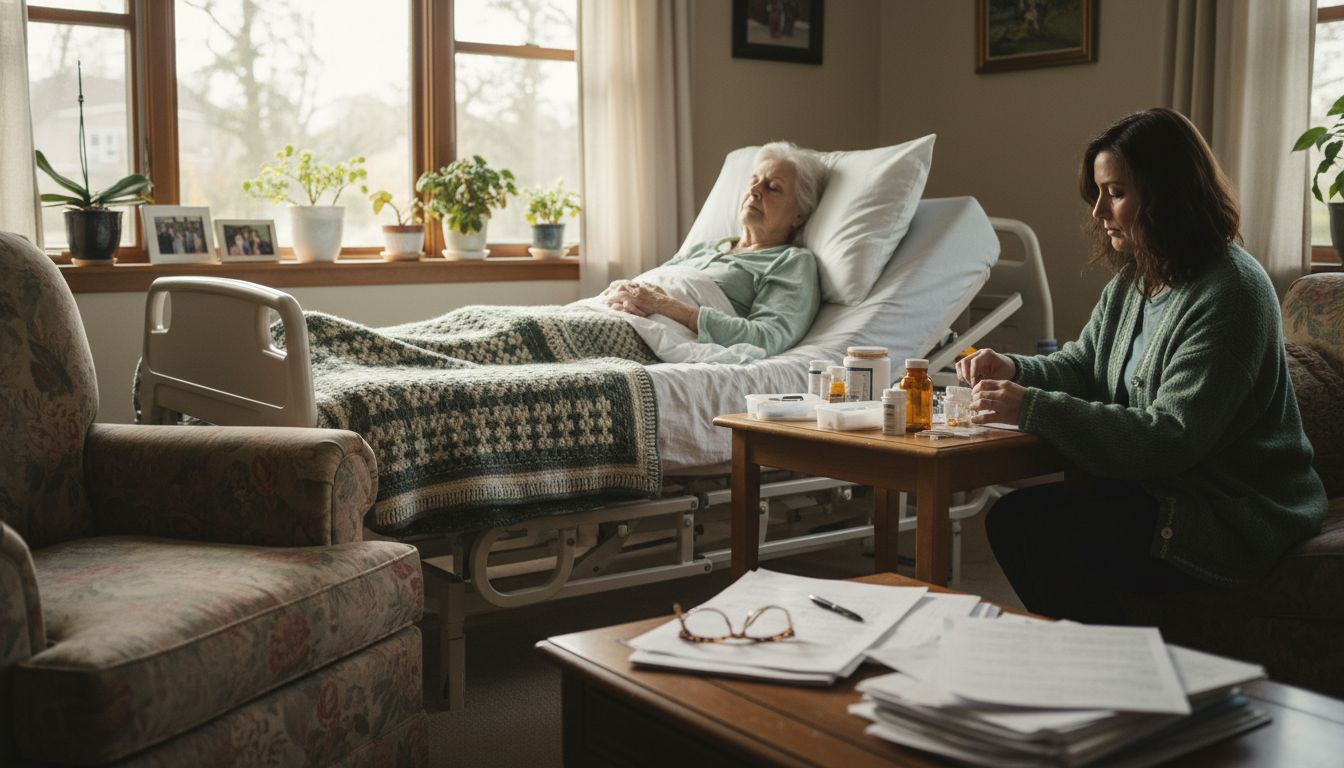
7 Essential Steps for an At-Home Hospice Care Checklist
Caring for a loved one at the end of life brings tough choices and emotional uncertainty. If you are considering hospice care, knowing what to expect and how to prepare can shape your family’s experience in meaningful ways. This guide will show you practical steps and important decisions that make home hospice care more manageable and compassionate.
You will find clear strategies to help you choose the right provider, prepare your home, coordinate care, and give your loved one the dignity and comfort they deserve. Get ready to discover actionable tips and expert-backed insights that will bring you peace of mind during a challenging journey.
Table of Contents
- Understand Hospice Care and Its Benefits
- Choose the Right Hospice Provider
- Prepare a Safe and Comfortable Home Environment
- Coordinate Medication and Supplies
- Develop a Personalized Care Plan
- Communicate with the Hospice Team Regularly
- Plan Emotional and Spiritual Support
Quick Summary
| Key Insight | Explanation |
|---|---|
| 1. Prioritize Comfort in Hospice Care | Focus on managing pain and enhancing quality of life over curative treatments for terminal illnesses. |
| 2. Choose a Medicare-Certified Provider | Selecting a certified hospice ensures standardized quality services and can simplify insurance matters. |
| 3. Create a Supportive Home Environment | Prepare the home by reducing hazards and providing comfort elements to improve the patient’s experience. |
| 4. Coordinate Medication Efficiently | Organize medications and supplies to ensure timely comfort and prevent confusion during end-of-life care. |
| 5. Foster Open Communication with the Team | Maintain regular and clear communication with hospice professionals to ensure the patient’s needs are met promptly. |
1. Understand Hospice Care and Its Benefits
Hospice care represents a compassionate and holistic approach to supporting patients with terminal illnesses during their final months of life. Unlike traditional medical treatments that focus on curing diseases, hospice care prioritizes comfort, dignity, and quality of life for patients facing life-limiting conditions.
At its core, hospice care provides specialized medical support for individuals expected to live six months or less. The primary goals of this care model include:
- Managing pain and symptoms effectively
- Providing emotional and psychological support
- Maintaining patient comfort and dignity
- Supporting family members through the end-of-life journey
Hospice care shifts the medical focus from curative treatment to compassionate symptom management, helping patients live fully in their remaining time.
Unlike palliative care, which can be provided at any stage of a serious illness, hospice care specifically addresses end-of-life needs. It can be delivered in multiple settings including homes, hospitals, nursing facilities, and assisted living centers, ensuring patients receive personalized care tailored to their unique circumstances.
Key benefits of hospice care include comprehensive support that addresses physical, emotional, and spiritual dimensions of a patient’s experience. This approach recognizes that end-of-life care involves more than medical treatment—it’s about preserving human dignity and quality of life.
Pro tip: Schedule an initial consultation with a hospice care provider early to understand all available support options and develop a personalized care plan.
2. Choose the Right Hospice Provider
Selecting the ideal hospice provider is a critical decision that can significantly impact your loved one’s end-of-life experience. The right provider offers not just medical support but compassionate care that honors the patient’s dignity and individual needs.
Most hospice providers offer similar basic services due to Medicare regulations, but key differences can make a substantial impact on care quality. When evaluating potential providers, consider these essential factors:
- Medicare certification and insurance compatibility
- Geographic service area and availability
- Specialized care for specific medical conditions
- Quality of volunteer programs
- After-hours support and coverage
- Community reputation and years of service
Choosing a hospice provider is about finding a partner who will support both the patient and family during a profoundly sensitive time.
Medicare-certified hospices follow standard service guidelines, which means fundamental care will be consistent. However, nuanced differences can significantly affect your experience. Tools like the CMS Care Compare website can help you compare providers’ quality and services.
Practical steps to choosing the right provider include gathering recommendations from healthcare professionals, consulting previous patients, and conducting thorough interviews. Ask detailed questions about their approach to pain management, emotional support, and family involvement.
Recommended Research Methods:
- Request information packets from multiple providers
- Schedule in-person or virtual consultations
- Check online reviews and ratings
- Verify Medicare certification and accreditations
- Discuss specific care needs with each provider
Pro tip: Create a detailed comparison spreadsheet to systematically evaluate different hospice providers, tracking key factors like response times, specialization, and additional support services.
3. Prepare a Safe and Comfortable Home Environment
Creating a supportive home environment is crucial for patients receiving hospice care. The physical space can significantly impact comfort, safety, and emotional well-being during this sensitive time.
Hospice care at home involves careful preparation to ensure the patient experiences maximum comfort and dignity. The goal is to transform your living space into a peaceful sanctuary that supports both medical needs and emotional healing.
Key elements of preparing a hospice-friendly home environment include:
- Arranging furniture to create easy mobility
- Ensuring good lighting and temperature control
- Minimizing fall risks and potential hazards
- Creating a calm and serene atmosphere
- Organizing medical supplies for quick access
The home becomes more than a living space—it transforms into a compassionate healing environment.
Medical Equipment Preparation:
- Request a hospital bed for easier positioning
- Install necessary medical support equipment
- Arrange oxygen concentrators if required
- Create a dedicated care station for supplies
- Ensure clear pathways for medical professionals
The hospice team will typically help install critical medical equipment like hospital beds and oxygen systems. They provide comprehensive support by delivering essential medical supplies such as incontinence pads and specialized skin care products.
Important Comfort Considerations:
- Position the bed near natural light
- Use soft, washable bedding
- Keep personal mementos within view
- Maintain a consistent room temperature
- Use calming color schemes
Pro tip: Create a dedicated care notebook to track medical supplies, medication schedules, and important contact information for seamless communication between family members and hospice professionals.
4. Coordinate Medication and Supplies
Effective medication and supply management is a critical component of successful hospice care at home. Proper coordination ensures your loved one receives timely pain management and comfort during their final journey.
Medicare’s hospice benefit covers prescription medications specifically related to the terminal condition with minimal patient copayments. Understanding how these medications are managed can help reduce stress and confusion during this challenging time.
Key aspects of medication and supply coordination include:
- Consulting with hospice physicians about medication needs
- Understanding Medicare drug coverage
- Tracking prescription requirements
- Managing symptom-specific medications
- Organizing medical supply deliveries
Effective medication management is about providing comfort and maintaining dignity during end-of-life care.
Medication Coordination Steps:
- Request a comprehensive medication review
- Establish clear communication with hospice team
- Create a detailed medication tracking system
- Understand copayment and coverage details
- Arrange timely medication deliveries
Hospice teams will assess and coordinate medical equipment and medication orders. They typically handle:
- Hospital bed arrangements
- Oxygen equipment delivery
- Incontinence care supplies
- Pain management medications
- Symptom control prescriptions
Critical Medication Management Tips:
- Keep a detailed medication log
- Store medications in a cool dry place
- Use a pill organizer for easy tracking
- Understand each medication’s purpose
- Communicate side effects promptly
Pro tip: Create a dedicated medication notebook with sections for prescription details, dosage instructions, delivery schedules, and a contact list for your hospice care team to ensure seamless communication and organization.
5. Develop a Personalized Care Plan
A personalized hospice care plan serves as a comprehensive roadmap that addresses the unique medical, emotional, and spiritual needs of your loved one during their end-of-life journey. This carefully crafted strategy ensures dignified, compassionate care tailored to individual preferences and evolving health conditions.
Hospice care plans are developed by an interdisciplinary team of healthcare professionals who collaborate to create a holistic approach to patient support. This team typically includes:
- Physicians
- Registered nurses
- Social workers
- Spiritual care providers
- Counselors
- Trained hospice aides
A well-designed care plan transforms medical support into a deeply personalized experience of comfort and respect.
Key Components of a Personalized Care Plan:
- Comprehensive medical assessment
- Pain and symptom management strategy
- Emotional and psychological support
- Spiritual care considerations
- Family support and education
Hospice teams develop comprehensive plans that go beyond traditional medical treatment. These plans address multiple dimensions of patient care:
- Medical Equipment Needs: Identifying and providing necessary medical supplies
- Medication Management: Developing precise prescription protocols
- Personal Care Requirements: Establishing individualized assistance routines
- Emotional Support: Creating strategies for psychological comfort
- Family Engagement: Designing support mechanisms for caregivers
Important Planning Considerations:
- Document patient preferences clearly
- Allow flexibility for changing health conditions
- Involve patient and family in decision making
- Review and update plan regularly
- Maintain open communication channels
Pro tip: Create a dedicated care planning binder with sections for medical information, contact details, medication logs, and personal wishes to ensure smooth communication and comprehensive support.
6. Communicate with the Hospice Team Regularly
Effective communication forms the backbone of compassionate hospice care, transforming medical support into a deeply personalized and responsive experience. Regular dialogue ensures that your loved one’s needs are understood, respected, and promptly addressed.
Communication is essential in hospice care, involving sensitive and clear conversations between patients, families, and healthcare professionals. The goal is to create an environment of trust, understanding, and collaborative care.
Key communication strategies include:
- Active and empathetic listening
- Asking clear questions
- Expressing concerns openly
- Seeking clarification
- Maintaining emotional transparency
Open communication bridges the gap between medical expertise and personal experience, creating a holistic care environment.
Effective Communication Techniques:
- Schedule regular team meetings
- Prepare questions in advance
- Take detailed notes
- Request explanations of medical terms
- Share personal observations about patient’s condition
Family meetings are crucial for discussing care plans and addressing potential misunderstandings. These discussions help align care with patient preferences and family expectations.
Communication Best Practices:
- Be honest and direct
- Express emotions respectfully
- Focus on patient’s comfort
- Ask about available support services
- Maintain a collaborative approach
Important Communication Channels:
- In-person team meetings
- Scheduled phone consultations
- Email updates
- Care plan review sessions
- Emergency contact protocols
Pro tip: Create a dedicated communication notebook to track conversations, questions, and key insights from hospice team interactions, ensuring no important details are overlooked.
7. Plan Emotional and Spiritual Support
Emotional and spiritual support serve as the gentle foundation that helps patients and families navigate the profound journey of end-of-life care. These deeply personal dimensions go far beyond medical treatment, offering comfort, meaning, and peace during life’s most challenging transition.
Spiritual care is a core component of hospice medicine, designed to address the holistic needs of patients facing serious illness. The goal is not just physical comfort but emotional and spiritual well-being.
Key aspects of emotional and spiritual support include:
- Respecting individual belief systems
- Providing compassionate listening
- Facilitating meaningful conversations
- Honoring personal values
- Creating space for emotional expression
Spiritual support transforms medical care into a deeply human experience of dignity, connection, and understanding.
Support Team Composition:
- Chaplains
- Social workers
- Counselors
- Trained volunteers
- Family support specialists
Emotional Support Strategies:
- Encourage open communication
- Create memory-sharing opportunities
- Allow space for grief and reflection
- Validate complex emotions
- Provide resources for family counseling
Spiritual Care Considerations:
- Respect patient’s religious preferences
- Offer non-denominational support
- Create quiet reflection spaces
- Support personal rituals
- Connect with community spiritual resources
Pro tip: Develop a personalized emotional support plan that includes regular check-ins, journaling opportunities, and designated time for sharing memories and processing feelings.
Below is a comprehensive table summarizing the key points regarding the principles, implementation, and benefits of hospice care as detailed in the article.
| Aspect | Details | Benefits |
|---|---|---|
| Understanding Hospice Care | Focuses on comfort, dignity, and quality of life for terminally ill patients. | Prioritizes symptom and emotional support over curative treatments. |
| Choosing a Provider | Evaluate factors such as certification, reputation, and service coverage. | Ensures the provider aligns with patient’s and family’s needs. |
| Home Environment Preparation | Arrange a safe, accessible, and comfortable living space. | Enhances emotional well-being and physical comfort. |
| Medication Coordination | Manage prescriptions and supplies effectively with professional guidance. | Ensures timely pain relief and symptom management. |
| Development of Care Plans | Create personalized roadmaps addressing individual needs and preferences. | Delivers tailored medical, emotional, and spiritual support. |
| Communication Strategies | Maintain open and empathetic dialogue with hospice teams. | Improves care quality and ensures all concerns are addressed promptly. |
| Emotional and Spiritual Support | Offer compassionate listening and respect for personal beliefs. | Provides holistic comfort and fosters meaningful connections. |
Take the Next Step in Providing Compassionate At-Home Hospice Care
Navigating the challenging process of preparing for at-home hospice care requires thoughtful planning, compassionate support, and clear communication. This article highlights essential steps such as developing a personalized care plan, coordinating medication and supplies, and creating a safe and comfortable home environment. If you are seeking to honor your loved one’s dignity while managing these complex needs, understanding these foundational concepts can make a critical difference.
At Graceland Hospice, we share your commitment to compassionate and comprehensive care. Our team is dedicated to helping families implement each part of your hospice care checklist with professionalism and warmth. From coordinating medical equipment to offering emotional and spiritual support, we ensure the highest standards throughout the journey. Do not wait to explore how we can assist you starting today. Visit our blog for valuable insights or contact us directly for a free consultation. Let us partner with you to bring comfort and peace to your home.
Learn more about developing a personalized care plan with us at Graceland Hospice Blog and discover how we support medication management and communication with your hospice team.
Frequently Asked Questions
What is the first step in preparing for at-home hospice care?
At-home hospice care preparation starts with understanding hospice care and its benefits. Schedule a consultation with a hospice provider to learn about available support options and develop a personalized care plan.
How can I choose the right hospice provider for my loved one?
To select the right hospice provider, research their Medicare certification, geographic service area, and community reputation. Gather recommendations from healthcare professionals and conduct thorough interviews regarding their approach to care.
What should I include in a safe and comfortable home environment for hospice care?
Create a calming home environment by arranging furniture for mobility, ensuring proper lighting, and minimizing fall hazards. Plan to keep personal items within reach to enhance comfort and make the space feel more like a sanctuary.
How do I coordinate medications and medical supplies for hospice care?
Coordinate medications by consulting with the hospice team and creating a medication tracking system. Request timely deliveries of necessary supplies to ensure your loved one receives effective pain management and comfort.
What elements are essential in a personalized hospice care plan?
A personalized hospice care plan should include a comprehensive medical assessment, pain management strategies, emotional support considerations, and family engagement strategies. Develop the plan collaboratively with the hospice team to address the specific needs and preferences of your loved one.
How can I communicate effectively with the hospice team?
To communicate effectively with the hospice team, schedule regular meetings to discuss care and prepare questions in advance. Take detailed notes and express your concerns openly to ensure all needs are understood and met.