What Is Palliative Care and Why It Matters

What Is Palliative Care and Why It Matters
Caring for a loved one with a serious illness in Orange or LA Counties brings daily questions about comfort and dignity. The search for effective home-based support often leads families to explore palliative care options that prioritize quality of life instead of just disease management. Understanding these fundamentals gives caregivers the confidence to make choices that honor individual needs and create a more compassionate experience at home.
Table of Contents
- Understanding Palliative Care Fundamentals
- Types of Palliative Care and Home Options
- Key Services and How Teams Support Families
- Palliative Care Costs and Coverage Explained
- Palliative Care vs. Hospice: Core Differences
Key Takeaways
| Point | Details |
|---|---|
| Holistic Approach | Palliative care improves quality of life by addressing physical, emotional, social, and spiritual needs of patients. |
| Types of Care | Key settings include hospital-based, home-based, hospice, and nursing home care, each tailored to different patient needs. |
| Interdisciplinary Support | Palliative care teams consist of diverse professionals working together to provide comprehensive and compassionate care. |
| Financial Considerations | Understanding palliative care coverage is vital for managing healthcare costs, with some services offered under Medicare and other insurances. |
Understanding Palliative Care Fundamentals
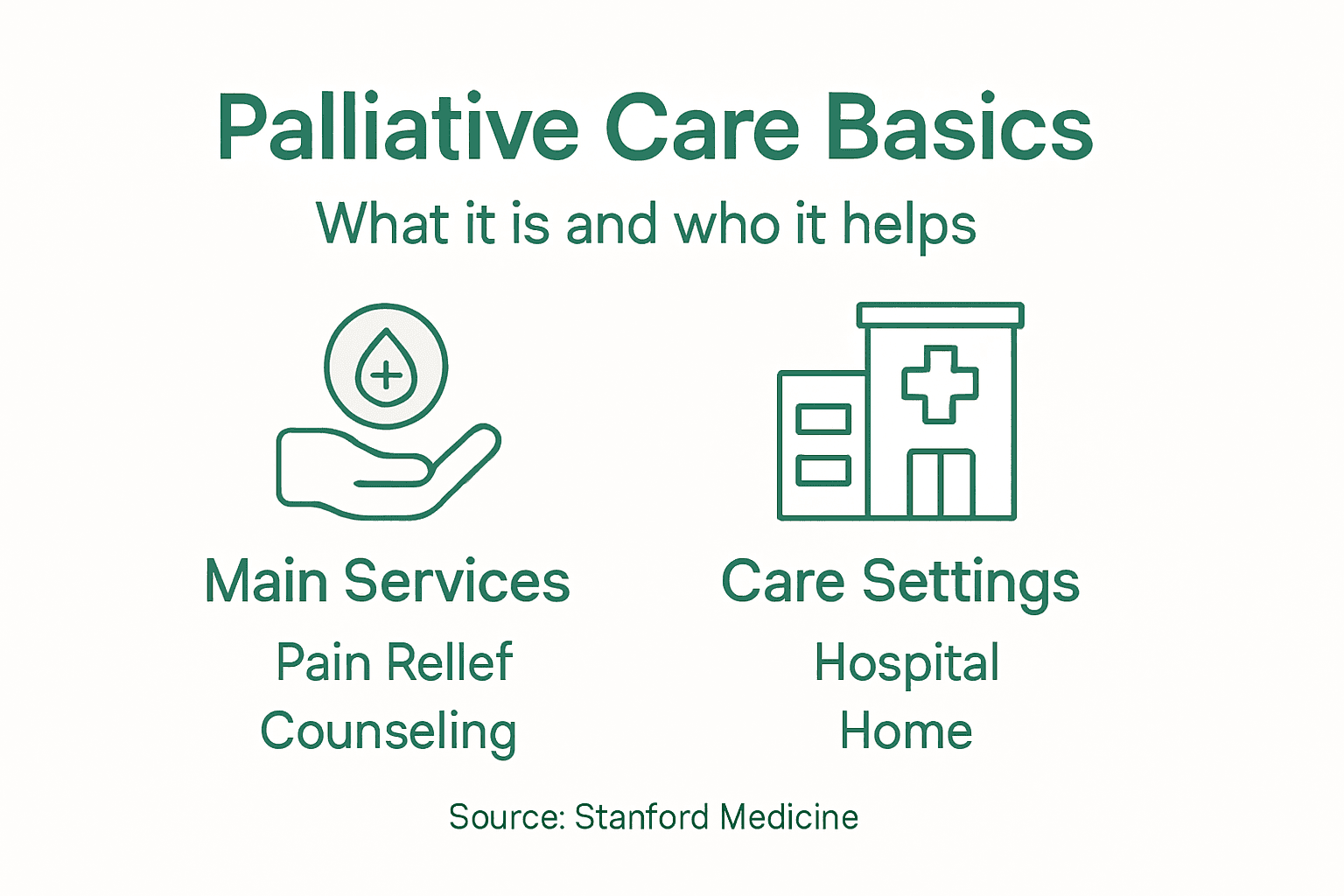
Palliative care represents a compassionate approach to healthcare that focuses on improving quality of life for patients facing serious or life-threatening illnesses. Unlike traditional medical treatments that solely target disease management, palliative care takes a holistic approach addressing physical, emotional, social, and spiritual dimensions of patient experience.
The core objectives of palliative care include:
- Providing comprehensive symptom management
- Alleviating patient suffering
- Supporting patient and family emotional needs
- Enhancing overall comfort and dignity
- Facilitating communication between patients, families, and healthcare providers
Designed to complement existing medical treatments, palliative care can be integrated at any stage of illness. Stanford’s palliative care course emphasizes that this approach is not limited to end-of-life scenarios but can significantly improve patient experiences throughout their medical journey.
Healthcare professionals practicing palliative care utilize specialized techniques to address complex patient needs. These professionals work collaboratively across disciplines, ensuring patients receive comprehensive support tailored to their unique circumstances. By prioritizing patient comfort and individual preferences, palliative care transforms medical treatment from a purely clinical experience into a more humane, personalized approach.
Pro tip: Request a consultation with a palliative care specialist to understand how these services can be customized for your specific medical situation.
Types of Palliative Care and Home Options
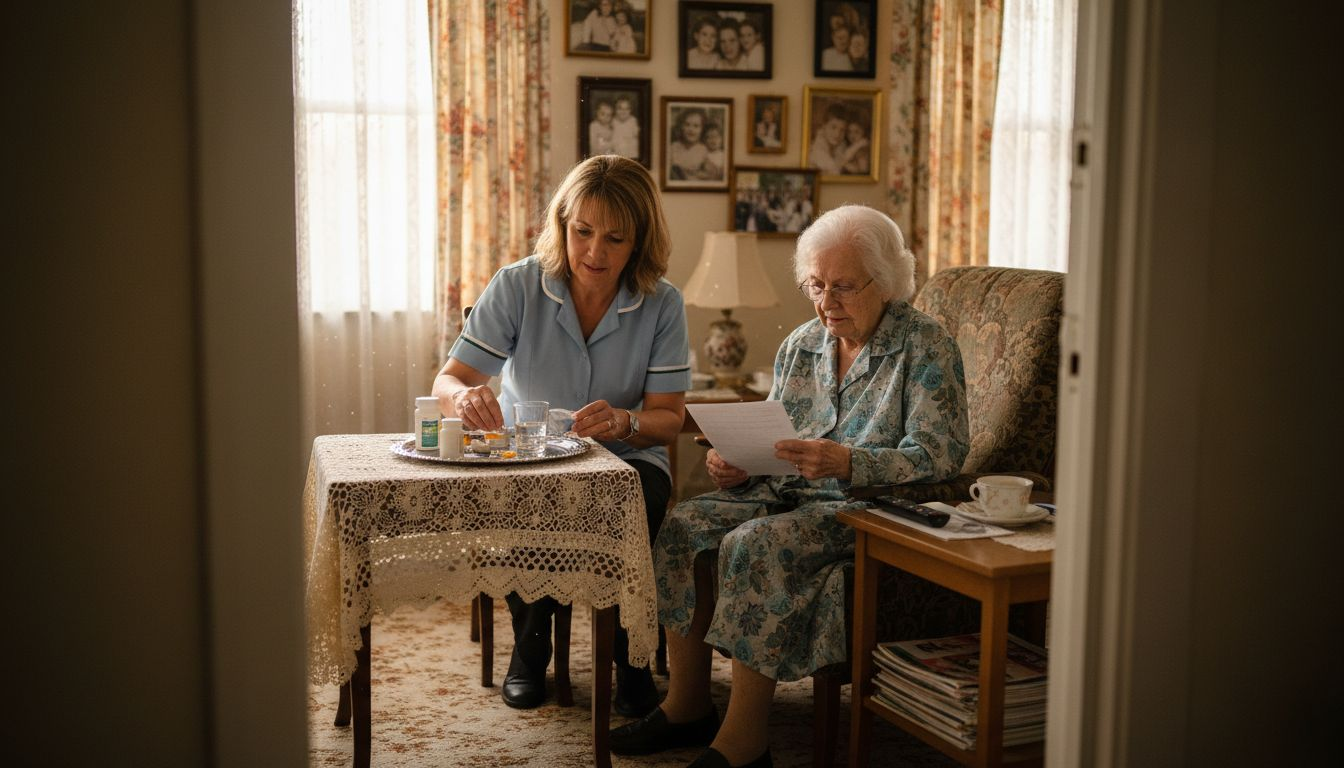
Palliative care offers multiple service models designed to meet diverse patient needs and preferences. Home-based palliative care programs have emerged as a particularly compassionate and flexible approach, allowing patients to receive comprehensive medical support in the comfort of their own environment.
The four primary types of palliative care include:
- Hospital-Based Care: Specialized teams managing symptoms during hospital stays
- Home-Based Care: Personalized support delivered directly to patient’s residence
- Hospice Care: Specialized end-of-life comfort-focused services
- Nursing Home Care: Symptom management for residents with chronic conditions
Home-based palliative care represents a particularly patient-centered model, enabling individuals with serious illnesses to receive integrated medical and non-medical services without leaving familiar surroundings. These programs typically involve multidisciplinary healthcare professionals who coordinate comprehensive care, addressing not just physical symptoms but also emotional and practical challenges.
Medical facility research indicates that home-based palliative care can significantly reduce emergency room visits and hospitalizations by proactively managing complex medical conditions. The approach prioritizes patient comfort, dignity, and quality of life while providing flexible, personalized support tailored to individual needs.
Here’s a snapshot comparing the four main settings for palliative care and their unique characteristics:
| Care Setting | Typical Patients | Team Involvement | Environment Focus |
|---|---|---|---|
| Hospital-Based | Acute illness cases | Nurses, doctors | Advanced facilities for crises |
| Home-Based | Chronic or terminal | Multidisciplinary teams | Comfort in familiar surroundings |
| Hospice | End-of-life patients | Specialized staff | Peaceful, supportive setting |
| Nursing Home | Long-term residents | Geriatric specialists | Stability and ongoing support |
Pro tip: Discuss potential home-based palliative care options with your healthcare provider to determine the most appropriate and comfortable care strategy for your specific medical situation.
Key Services and How Teams Support Families
Palliative care teams represent a comprehensive support system designed to address the multifaceted needs of patients and their families during challenging medical journeys. These interdisciplinary groups bring together professionals from various healthcare disciplines to provide holistic, compassionate care that extends far beyond traditional medical treatment.
The core services provided by palliative care teams typically include:
- Symptom Management: Comprehensive pain and discomfort relief
- Emotional Support: Counseling for patients and family members
- Care Coordination: Navigating complex medical systems and treatment plans
- Communication Facilitation: Helping families understand medical conditions and options
- Spiritual Care: Addressing existential and spiritual needs
Comprehensive Assessment is a cornerstone of palliative care support. Clinical practice guidelines emphasize the importance of evaluating patients across multiple domains, including physical, psychological, social, spiritual, and cultural dimensions. This holistic approach ensures that care is tailored to the unique needs of each individual and their family.
Multidisciplinary teams typically consist of physicians, nurses, social workers, chaplains, and other specialists who work collaboratively to provide integrated care. Their primary goal is to improve quality of life, manage symptoms, reduce patient suffering, and support families through difficult medical challenges. By offering comprehensive support that addresses both medical and emotional needs, these teams help families navigate complex healthcare experiences with compassion and expertise.
Below is a summary highlighting the roles within a palliative care team and their core contributions:
| Role | Key Contribution | Example Support Provided |
|---|---|---|
| Physician | Medical leadership | Symptom control, diagnosis |
| Nurse | Daily health monitoring | Medication administration |
| Social Worker | Emotional support | Family counseling, resources |
| Chaplain | Spiritual guidance | Comfort, existential support |
Pro tip: Request a detailed care plan from your palliative care team that outlines specific support services and communication protocols for your unique situation.
Palliative Care Costs and Coverage Explained
Medicare’s hospice benefits provide critical financial support for patients facing terminal illnesses, offering comprehensive coverage that can significantly reduce out-of-pocket expenses for families navigating complex medical challenges. Understanding these benefits is essential for effectively managing healthcare costs during challenging times.
Key aspects of palliative care coverage typically include:
- Medicare Part A coverage for eligible hospice patients
- Comprehensive Service Packages: Including medical equipment and supplies
- Prescription Medication Coverage: For symptom management and pain relief
- Limited Inpatient Care: Short-term hospital and respite care
- Bereavement Counseling: Support for families after patient’s passing
Financial Considerations vary depending on specific insurance plans and individual circumstances. California’s healthcare documentation highlights that while Medicare covers most hospice-related services, patients might still encounter some out-of-pocket expenses. These can include minimal copayments for medications and short-term hospital stays, or costs associated with treatments unrelated to the terminal diagnosis.
Navigation of palliative care costs requires careful planning and understanding of available resources. Families should proactively communicate with healthcare providers, insurance representatives, and social workers to develop a comprehensive financial strategy. By exploring all potential coverage options, including private insurance, Medicare, Medicaid, and supplemental programs, patients can minimize financial stress and focus on quality care and meaningful time with loved ones.
Pro tip: Request a detailed breakdown of potential costs and coverage from both your healthcare provider and insurance company to avoid unexpected financial surprises.
Palliative Care vs. Hospice: Core Differences
Specialized medical care approaches offer unique support for patients facing serious illnesses, with palliative care and hospice representing two distinct but interconnected strategies for managing complex healthcare needs. Understanding their nuanced differences can help families make informed decisions about treatment options.
Key distinguishing characteristics include:
- Treatment Goal: Palliative care focuses on symptom management, while hospice prioritizes comfort
- Treatment Stage: Palliative care can start at diagnosis, hospice is for end-of-life phase
- Curative Treatment: Palliative care allows concurrent treatments, hospice typically suspends curative interventions
- Time Horizon: Palliative care has no time limit, hospice is designed for six months or less
- Eligibility: Palliative care applies to any serious illness, hospice requires terminal prognosis
Comprehensive care research reveals that while hospice is a specialized subset of palliative care, the core philosophy remains consistent: improving patient quality of life and providing holistic support. Palliative care offers a broader, more flexible approach that can be integrated throughout a patient’s medical journey, addressing physical, emotional, and spiritual needs without limiting treatment options.
Patients and families should view these care models as complementary rather than mutually exclusive. By understanding the unique benefits of each approach, individuals can create personalized care strategies that adapt to changing medical circumstances, ensuring comprehensive support during challenging times.
Pro tip: Consult with healthcare professionals to develop a personalized care plan that leverages both palliative and hospice services as your medical situation evolves.
Discover Compassionate Support Through Expert Palliative Care
Understanding what palliative care truly means can bring clarity and comfort during challenging health journeys. The article highlights the critical need for symptom management, emotional support, and personalized care that respects patient dignity and family involvement. If you or a loved one faces serious illness, the pain of navigating complex medical decisions and the emotional toll can feel overwhelming. At Graceland Hospice, we are deeply committed to easing that burden by offering compassionate hospice services that build on the core values of palliative care. Our dedicated team ensures every individual receives not just excellent medical support but also heartfelt understanding and comfort.
Take the next step towards a caring approach tailored to your unique needs. Learn more about how we can help at Graceland Hospice Blog and experience the difference of hospice care focused on dignity and peace. Contact us today for a free consultation and start receiving the support your family deserves.
Frequently Asked Questions
What is palliative care?
Palliative care is a specialized approach to healthcare that aims to improve the quality of life for patients facing serious or life-threatening illnesses by addressing physical, emotional, social, and spiritual needs.
How is palliative care different from hospice care?
Palliative care focuses on symptom management and can begin at any stage of the illness, while hospice care is specifically for end-of-life care, typically with a prognosis of six months or less to live and prioritizes comfort without curative treatment.
What are the key services provided by palliative care teams?
Palliative care teams offer symptom management, emotional support, care coordination, communication facilitation, and spiritual care, ensuring comprehensive support for both patients and their families.
Can palliative care be received at home?
Yes, home-based palliative care programs allow patients to receive personalized medical and non-medical support in the comfort of their own homes, helping to manage symptoms and maintain quality of life.
Recommended
- Graceland Hospice Care | Compassionate End-of-Life Care
- Graceland Hospice Care | Compassionate End-of-Life Care
- Graceland Hospice Care | Compassionate End-of-Life Care
- Graceland Hospice Care | Compassionate End-of-Life Care
- Why Holistic Pain Relief Matters for Lasting Wellness
- Affordable Therapy: What It Means and Why It Matters - ReviveHealthTherapy
- Grief - Loss of what was, and the 5 stages towards acceptance & hope| Heske Therapy