7 Types of Palliative Support for Families at Home
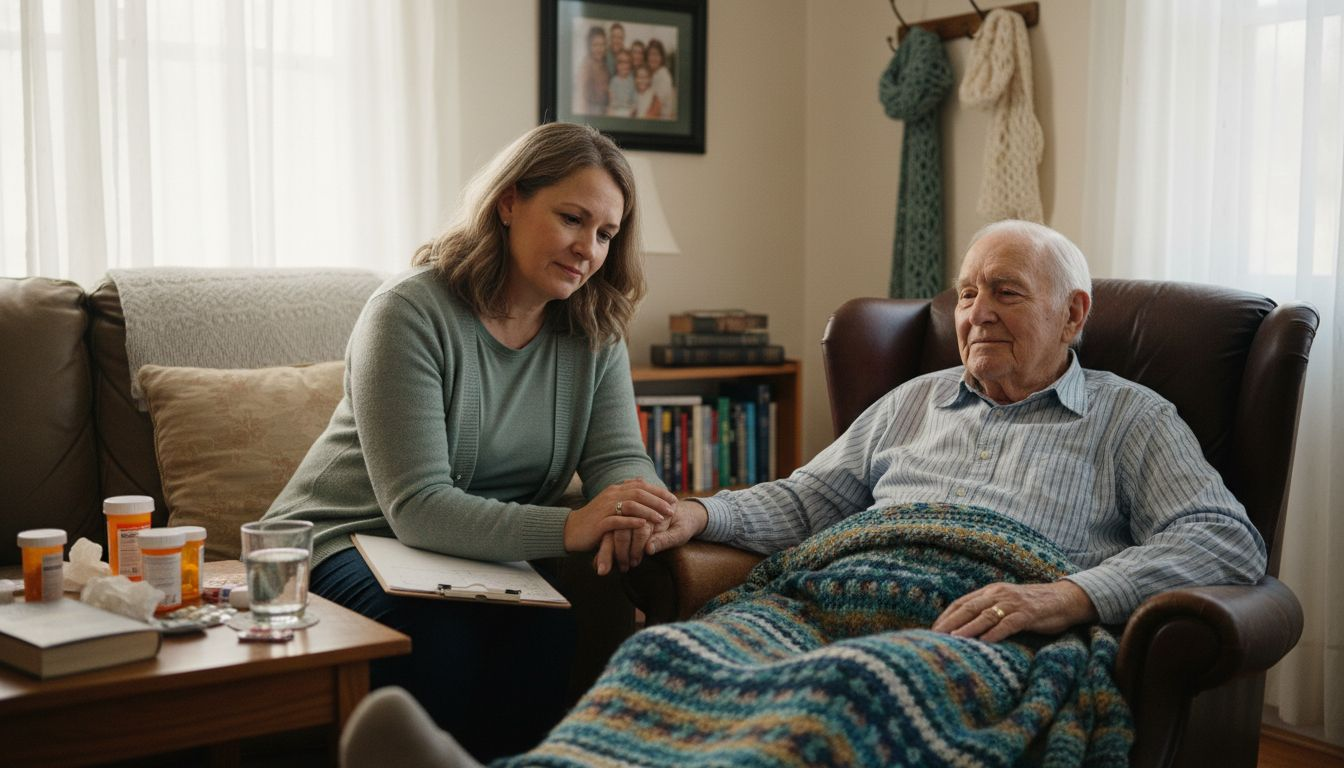
7 Types of Palliative Support for Families at Home
Caring for someone with a serious illness at home can be overwhelming. Managing pain, emotional challenges, and daily responsibilities often leaves families feeling stretched and uncertain about what to do next. With so many aspects of palliative care to consider, it helps to know there are proven approaches that make each step easier and more effective.
This guide brings together practical strategies and expert insights you can use right away to support your loved one’s comfort and well-being. From pain control and emotional support to caregiver education and grief resources, you’ll find actionable ideas designed to ease your journey.
Discover real-world solutions that empower you to handle challenges with confidence and compassion. Each numbered section reveals tools and tips to make your caregiving experience safer, smoother, and more meaningful.
Table of Contents
- 1. Pain and Symptom Management at Home
- 2. Emotional and Psychological Support for Patients
- 3. Caregiver Education and Practical Guidance
- 4. Spiritual and Religious Support Options
- 5. Social Work and Community Resource Connections
- 6. Respite Care to Relieve Family Caregivers
- 7. Grief and Bereavement Support for Loved Ones
Quick Summary
| Key Insight | Explanation |
|---|---|
| 1. Regular Pain Assessment is Essential | Use standardized pain scales to consistently evaluate patient discomfort and adjust care as necessary. |
| 2. Holistic Emotional Support is Crucial | Address both physical and emotional needs to enhance patient comfort and well-being throughout their journey. |
| 3. Caregiver Education Improves Care | Equip caregivers with practical skills, emotional support strategies, and resources to boost confidence and minimize errors. |
| 4. Explore Respite Care Options Early | Access temporary relief services for caregivers to prevent burnout and maintain patient care quality. |
| 5. Utilize Grief Support Resources | Engage in individual counseling or support groups to navigate the complex emotions associated with loss effectively. |
1. Pain and Symptom Management at Home
Pain and symptom management is a critical cornerstone of compassionate palliative care for patients receiving treatment at home. Understanding how to effectively assess and address physical discomfort can dramatically improve quality of life and patient comfort.
Managing symptoms requires a comprehensive approach that involves regular monitoring and flexible treatment strategies. Comprehensive pain management practices emphasize early intervention and personalized care plans tailored to individual patient needs.
Key aspects of effective symptom management include:
- Regular pain assessment using standardized pain scales
- Communication with healthcare providers about symptom changes
- Understanding multiple treatment approaches
- Utilizing both pharmacologic and non-pharmacologic interventions
- Emotional support for patients experiencing chronic discomfort
Pain management is not just about medication. It’s about holistic care that addresses physical sensations and emotional well-being.
The World Health Organization recommends a step-care approach for pain management. This method involves starting with mild treatments like acetaminophen and progressively introducing stronger interventions if needed. Early intervention strategies are crucial in maintaining patient comfort and preventing escalation of symptoms.
Additionally patients and families should understand that opioid treatments do not automatically lead to addiction. Modern medical practices prioritize patient comfort and quality of life while carefully managing medication risks.
Pro tip: Maintain a daily symptom journal to track pain levels and share precise information with healthcare providers during consultations.
2. Emotional and Psychological Support for Patients
Palliative care extends far beyond physical symptom management. The emotional and psychological well-being of patients facing serious illness represents a critical dimension of comprehensive care that directly impacts quality of life and overall healing experience.
Psychological support in palliative contexts involves complex strategies designed to help patients navigate profound emotional challenges associated with serious illness and potential end-of-life experiences.
Key emotional support strategies include:
- Providing safe spaces for expressing complex feelings
- Validating patients’ emotional experiences
- Offering counseling and therapeutic interventions
- Supporting family members through transition
- Addressing existential and identity-related concerns
Emotional healing is just as important as physical treatment in comprehensive patient care.
Patients often experience significant psychological stress related to illness progression. Identity changes and loss of control can trigger profound emotional responses including anxiety depression and existential questioning.
Healthcare professionals trained in psychological support can help patients develop coping mechanisms that promote resilience and emotional balance. This might involve individual counseling behavioral strategies or group support interventions tailored to individual patient needs.
Psychological interventions aim to:
- Reduce emotional distress
- Improve communication with healthcare providers
- Help patients find meaning during challenging times
- Support healthy emotional processing
- Maintain patient dignity and sense of self
Families also benefit from psychological support understanding how to communicate effectively and manage their own emotional responses during challenging medical journeys.
Pro tip: Schedule regular emotional check-ins with a trained counselor to process complex feelings and develop healthy coping strategies during medical challenges.
3. Caregiver Education and Practical Guidance
Caregivers are the unsung heroes in palliative care providing critical support and compassion during challenging medical journeys. Understanding the complexities of caregiving requires comprehensive education and practical skills development.
Caregiver training programs offer essential resources to help families navigate the intricate responsibilities of providing home-based medical support.
Key areas of caregiver education include:
- Medical task management
- Emotional support strategies
- Legal and financial planning
- Self-care techniques
- Communication skills
- Medical equipment handling
Effective caregiving begins with knowledge empowerment and emotional resilience.
Professional training resources help caregivers develop critical competencies. Palliative care training toolkits provide structured guidance for managing complex medical needs.
Successful caregivers typically master several essential skills:
- Understanding medication management
- Recognizing potential medical complications
- Implementing basic nursing techniques
- Managing patient emotional needs
- Coordinating with healthcare professionals
Critical caregiver competencies involve more than technical skills. Emotional intelligence communication and adaptability are equally important in providing compassionate care.
Many families find that structured educational programs reduce anxiety and increase confidence. Learning proper techniques minimizes potential medical errors and improves overall patient comfort.
Pro tip: Create a dedicated caregiving notebook to track medications schedules important contacts and daily patient observations for more effective communication with healthcare providers.
4. Spiritual and Religious Support Options
Spiritual support represents a profound dimension of holistic palliative care that addresses patients’ deeper emotional and existential needs during challenging medical journeys. Understanding and honoring individual spiritual experiences can significantly enhance patient comfort and emotional resilience.
Spiritual care interventions encompass a wide range of approaches designed to support patients’ inner landscapes of meaning and connection.
Spiritual support options include:
- Religious ritual participation
- Meditation and mindfulness practices
- Chaplaincy counseling
- Art and music therapy
- Personal reflection sessions
- Group spiritual support gatherings
- Individual contemplative practices
Spiritual care transcends religious boundaries and focuses on individual meaning making.
Holistic spiritual approaches recognize that each patient’s spiritual journey is unique. These interventions aim to:
- Provide emotional comfort
- Create space for personal reflection
- Support existential understanding
- Reduce anxiety about mortality
- Foster inner peace
Practical spiritual support involves creating flexible environments where patients can explore their feelings freely. This might include quiet meditation spaces quiet rooms for prayer or structured conversations with trained spiritual counselors.
Families also benefit from spiritual support learning how to navigate complex emotional terrain and find meaning during challenging times. Professional spiritual care providers can help families process grief uncertainty and profound life transitions.
Pro tip: Create a personalized spiritual comfort kit with meaningful objects photos meditation resources and calming music to support emotional and spiritual well-being.
5. Social Work and Community Resource Connections
Social workers are crucial navigators in the complex landscape of palliative care providing critical support that extends far beyond medical treatment. They serve as vital bridges connecting patients and families with essential community resources and support systems.
Social work in palliative care involves comprehensive strategies to address psychosocial needs and optimize patient experiences.
Key social work support areas include:
- Emotional support counseling
- Financial resource navigation
- Family dynamics support
- Legal assistance coordination
- Healthcare system advocacy
- Community resource connection
- Insurance and benefits guidance
Social workers transform complex challenges into manageable pathways of support.
Professional social work standards emphasize several critical intervention strategies:
- Comprehensive patient and family assessment
- Cultural competence in service delivery
- Ethical practice and patient empowerment
- Interdisciplinary team collaboration
- Resource optimization
National social work standards highlight the importance of culturally sensitive approaches that recognize each family’s unique needs and challenges.
Social workers typically help families by:
- Identifying available community resources
- Explaining complex medical system processes
- Reducing financial and emotional stress
- Providing emotional support and counseling
- Connecting families with support groups
Their holistic approach ensures patients receive comprehensive care that addresses medical emotional and practical challenges simultaneously.
Pro tip: Request a comprehensive resource consultation with a social worker early in your palliative care journey to proactively identify and access available support systems.
6. Respite Care to Relieve Family Caregivers
Respite care provides critical support for family caregivers experiencing emotional and physical exhaustion during challenging medical journeys. This specialized service offers temporary relief allowing caregivers to rest recharge and maintain their own health and well-being.
Respite care services represent an essential lifeline for families navigating complex caregiving responsibilities.
Types of respite care options include:
- In-home professional care
- Adult daycare programs
- Short-term residential facilities
- Weekend caregiving support
- Overnight medical supervision
- Professional home health assistance
- Specialized medical respite programs
Caregiver well-being is fundamental to quality patient care.
Critical respite care benefits address multiple dimensions of caregiver support:
- Prevent caregiver burnout
- Reduce emotional stress
- Maintain personal health
- Improve overall family dynamics
- Ensure continuous patient care
Successful respite care strategies involve:
- Identifying appropriate support services
- Creating flexible care schedules
- Establishing clear communication protocols
- Training temporary caregivers
- Maintaining consistent patient routines
Families should proactively explore respite options before reaching complete exhaustion. Early planning helps create sustainable caregiving environments that protect both patient and caregiver well-being.
Pro tip: Schedule regular respite care assessments and plan breaks systematically to maintain your emotional and physical health during extended caregiving responsibilities.
7. Grief and Bereavement Support for Loved Ones
Grief represents a complex emotional journey that extends far beyond the moment of loss. Understanding and navigating bereavement requires compassionate support systems that recognize the deeply personal nature of mourning.
Bereavement care standards emphasize the critical importance of targeted emotional support during and after loss.
Key bereavement support strategies include:
- Individual counseling services
- Support group participation
- Grief recovery workshops
- Family therapy options
- One-on-one professional guidance
- Online and in-person support networks
- Specialized grief resources
Healing from loss is not a linear process but a deeply personal journey of transformation.
Comprehensive grief support addresses multiple emotional dimensions:
- Acknowledge emotional complexity
- Validate individual mourning experiences
- Provide professional psychological resources
- Create safe emotional spaces
- Normalize grief responses
Bereavement support recognizes that grief manifests uniquely for each person. Families benefit from understanding that there is no “correct” way to mourn and that emotional healing takes time.
Professional support can help families:
- Process complex emotions
- Develop healthy coping mechanisms
- Navigate significant life transitions
- Maintain emotional connections
- Rebuild personal resilience
Pro tip: Create a personal grief journal to document feelings memories and healing journey while allowing yourself grace and patience during the mourning process.
Below is a detailed table summarizing the key topics, strategies, and approaches for effective palliative care as discussed in the article.
| Section | Description | Key Takeaways |
|---|---|---|
| Pain and Symptom Management | Strategies for managing physical discomfort in home settings. | Focus on regular assessments, tailored care plans, and a flexible approach combining pharmacologic and non-pharmacologic interventions. |
| Emotional and Psychological Support | Providing mental and emotional care to patients navigating serious illnesses. | Encourage emotional expression, provide therapeutic interventions, support patients and families emotionally, and maintain communication to address psychological needs. |
| Caregiver Education | Empowering family caregivers with knowledge and skills. | Include medical task management, self-care practices, and professional collaboration to enhance caregiving effectiveness and reduce caregiver stress. |
| Spiritual Support | Addressing patients’ spiritual and existential needs. | Flexible spiritual approaches such as contemplative practices, meditation, and counseling enhance emotional resilience and provide comfort during challenging times. |
| Social Work and Resources | Connecting patients and families with necessary social resources. | Social workers assist in financial navigation, emotional counseling, and securing community resources, ensuring holistic support alongside medical care. |
| Respite Care | Providing temporary relief for primary caregivers. | Different types of services such as in-home care and adult day programs alleviate caregiver exhaustion and improve caregiving sustainability. |
| Grief and Bereavement Support | Addressing the needs of families and loved ones after loss. | Support involves counseling, group support, and normalization of grief processes, tailored to the unique mourning journey of each individual. |
Compassionate Support for Families Navigating Palliative Care at Home
Caring for a loved one through serious illness is one of life’s most profound challenges. This article highlights the many types of palliative support families need including pain and symptom management, emotional and psychological care, caregiver education, spiritual comfort, and access to community resources. These key areas address the very real pain points of maintaining patient dignity, managing complex emotions, preventing caregiver burnout, and easing the overwhelming burden of medical decisions at home.
At Graceland Hospice, we understand how crucial it is to provide compassionate, personalized support every step of the way. Our team empowers families through expert caregiver education and practical guidance, holistic emotional and spiritual assistance, and connections to essential community resources. We are committed to ensuring that the gift of hospice care brings relief and comfort to your home with dignity and deep compassion.
If you are seeking trusted guidance and relief for your family’s palliative care journey start by exploring more insights at Graceland Hospice Blog. Reach out today for a free consultation and discover how we can help you create a care plan tailored to your loved one’s unique needs. Your family deserves expert support now to face these moments with confidence and hope.
Frequently Asked Questions
What types of palliative support are available for families at home?
Families can access various types of palliative support, including pain and symptom management, emotional and psychological support, caregiver education, spiritual care, social work assistance, respite care, and bereavement support. Each type addresses specific needs to enhance the quality of life for both patients and their families.
How can I effectively manage pain and symptoms for my loved one at home?
Start by regularly assessing pain levels using standardized pain scales to monitor changes. Communicate with healthcare providers about these assessments and consider both medication and non-medication strategies to manage discomfort effectively.
What role do social workers play in supporting families during palliative care?
Social workers help families navigate complex emotional, legal, and financial challenges by providing counseling, resource connections, and advocacy within the healthcare system. To benefit fully, engage with a social worker early to identify available resources tailored to your family’s unique needs.
How can I support my own emotional health as a caregiver in palliative care?
Prioritize self-care by scheduling regular emotional check-ins with a qualified counselor or therapist. This practice can help you manage stress, develop coping strategies, and maintain emotional resilience while caring for your loved one.
What is respite care, and how can it help family caregivers?
Respite care provides temporary relief for family caregivers, allowing them time to recharge and avoid burnout. Explore various respite options, like in-home professional care or adult daycare programs, to create a sustainable caregiving environment and maintain your own well-being.
How can I help my family cope with grief and bereavement after loss?
Encourage participation in support groups or individual counseling to process complex emotions after loss. Initiate open conversations about grief and provide a safe space for family members to express their feelings while exploring coping mechanisms together.
Recommended
- Graceland Hospice Care | Compassionate End-of-Life Care
- Graceland Hospice Care | Compassionate End-of-Life Care
- Graceland Hospice Care | Compassionate End-of-Life Care
- Graceland Hospice Care | Compassionate End-of-Life Care
- Pain Management – Improving Life with Evidence-Based Care
- Role of Caregivers in Hearing Aid Choice – Impact on Elderly Wellbeing – Audora
- 7 Essential Oral Hygiene Tips for Families Seeking Natural Care – Stop Oral Care