Family Caregiver Guide Hospice: Supporting Care at Home

Family Caregiver Guide Hospice: Supporting Care at Home
Facing hospice care decisions for a parent at home in Orange or LA counties can feel overwhelming and deeply emotional. Every choice you make shapes their comfort, dignity, and peace as they approach the end of life. This guide walks you through each step, from preparing the home environment to building a strong partnership with your hospice team, offering support for both practical and emotional challenges you may encounter.
Table of Contents
- Step 1: Assess Patient Needs And Prepare Home Environment
- Step 2: Coordinate With Hospice Team For Personalized Care
- Step 3: Manage Medications And Comfort Measures
- Step 4: Support Emotional And Spiritual Well-Being
- Step 5: Evaluate Care Quality And Adjust Support
Quick Summary
| Key Message | Explanation |
|---|---|
| 1. Create a Comfortable Home Environment | Remove unnecessary medical items and ensure good lighting and seating for optimal patient comfort. |
| 2. Collaborate with the Hospice Team | Actively communicate with the hospice team to develop a personalized care plan that addresses all patient needs. |
| 3. Manage Medications Effectively | Focus on symptom relief with careful medication management and keep a detailed log for adjustments. |
| 4. Provide Emotional and Spiritual Support | Foster open conversations and validate emotions to create a nurturing environment for the patient. |
| 5. Regularly Evaluate the Quality of Care | Continuously monitor patient comfort and collaborate with the hospice team to adjust support as needed. |
Step 1: Assess Patient Needs and Prepare Home Environment
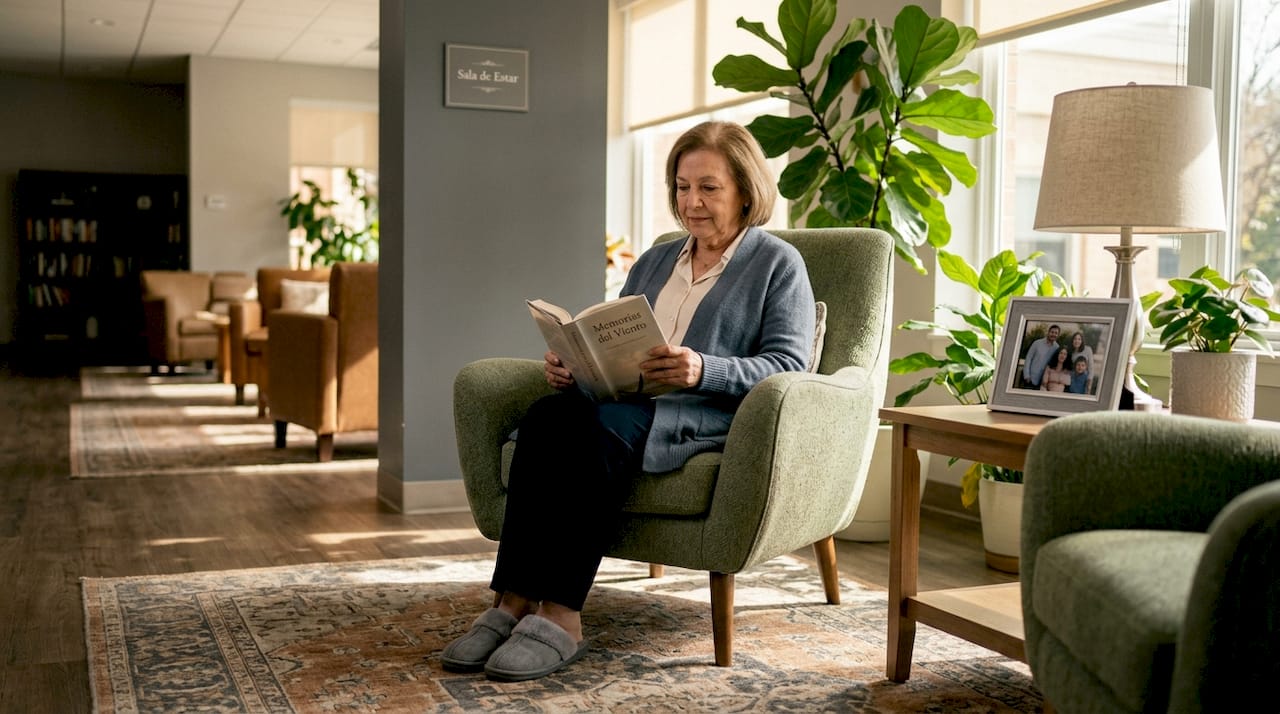
Preparing your home for hospice care requires thoughtful planning and compassionate attention to your loved one’s comfort and well-being. This step involves creating a supportive environment that promotes peace, minimizes medical complexity, and prioritizes your patient’s dignity.
Start by conducting a comprehensive home assessment that considers both physical and emotional needs. Comfort care guidelines recommend several key strategies for creating an optimal hospice care setting:
- Remove unnecessary medical equipment to reduce visual stress
- Clear pathways for easy movement and caregiver access
- Ensure adequate lighting that can be easily adjusted
- Position comfortable seating near the patient’s primary resting area
- Create space for family members to sit and provide companionship
Symptom management becomes critically important during this phase. Focus on creating an environment that addresses potential patient discomforts by:
- Maintaining a consistent, moderate room temperature
- Having fans available to help manage respiratory difficulties
- Keeping essential medications and comfort items within easy reach
- Minimizing noise and creating a calm atmosphere
The goal is not medical perfection, but human comfort and connection.
As you prepare the space, remember that emotional preparation is equally important. Your loved one will sense your care and intention, so approach this process with gentleness and respect.
Pro tip: Keep a small notebook nearby to track patient preferences, comfort levels, and any specific adjustments that seem to improve their well-being.
Step 2: Coordinate with Hospice Team for Personalized Care
Successful hospice care is a collaborative journey that requires seamless communication and teamwork between family caregivers and healthcare professionals. Your role is to become an active partner in creating a comprehensive care plan that honors your loved one’s unique needs and wishes.
Begin by scheduling an initial comprehensive consultation with the hospice team. Clinical practice guidelines emphasize the importance of interdisciplinary collaboration and personalized care approaches. During this meeting, you’ll work together to develop a holistic care strategy that addresses multiple dimensions of patient support:
- Medical symptom management
- Emotional and psychological support
- Spiritual care considerations
- Pain and comfort management
- Family support resources
Your hospice team typically includes several key professionals:
Here is a summary of the roles involved in hospice care and their primary focus:
| Professional Role | Main Responsibility | How They Support Families |
|---|---|---|
| Primary Care Physician | Oversees medical care | Adjusts care plans as needed |
| Registered Nurse | Manages daily symptoms and medications | Provides direct patient support |
| Social Worker | Addresses social and emotional needs | Connects to resources, counseling |
| Chaplain/Spiritual Lead | Offers spiritual guidance | Supports spiritual conversations |
| Hospice Volunteer | Provides companionship and help | Assists with daily tasks, respite |
- Primary care physician
- Registered nurses
- Social workers
- Chaplains or spiritual counselors
- Trained hospice volunteers
Effective communication is the cornerstone of personalized hospice care.
Establish clear communication channels with your hospice team. This means identifying primary contacts, understanding response protocols, and creating a system for sharing observations about your loved one’s condition. Hospice care overview highlights that family caregivers are crucial partners in delivering compassionate end-of-life support.
Pro tip: Create a dedicated notebook or digital document to track team contact information, care plan details, and daily observations to facilitate smooth communication and continuity of care.
Step 3: Manage Medications and Comfort Measures
Managing medications and comfort measures is a critical responsibility that requires careful attention, compassion, and close collaboration with your hospice care team. Your goal is to ensure your loved one experiences maximum comfort and minimal distress during this sensitive time.
Comfort care guidelines emphasize a strategic approach to medication management that prioritizes patient comfort over traditional medical interventions. This means focusing on symptom relief rather than curative treatments, and being prepared to make thoughtful adjustments as your loved one’s condition evolves.
Key strategies for effective medication and comfort management include:
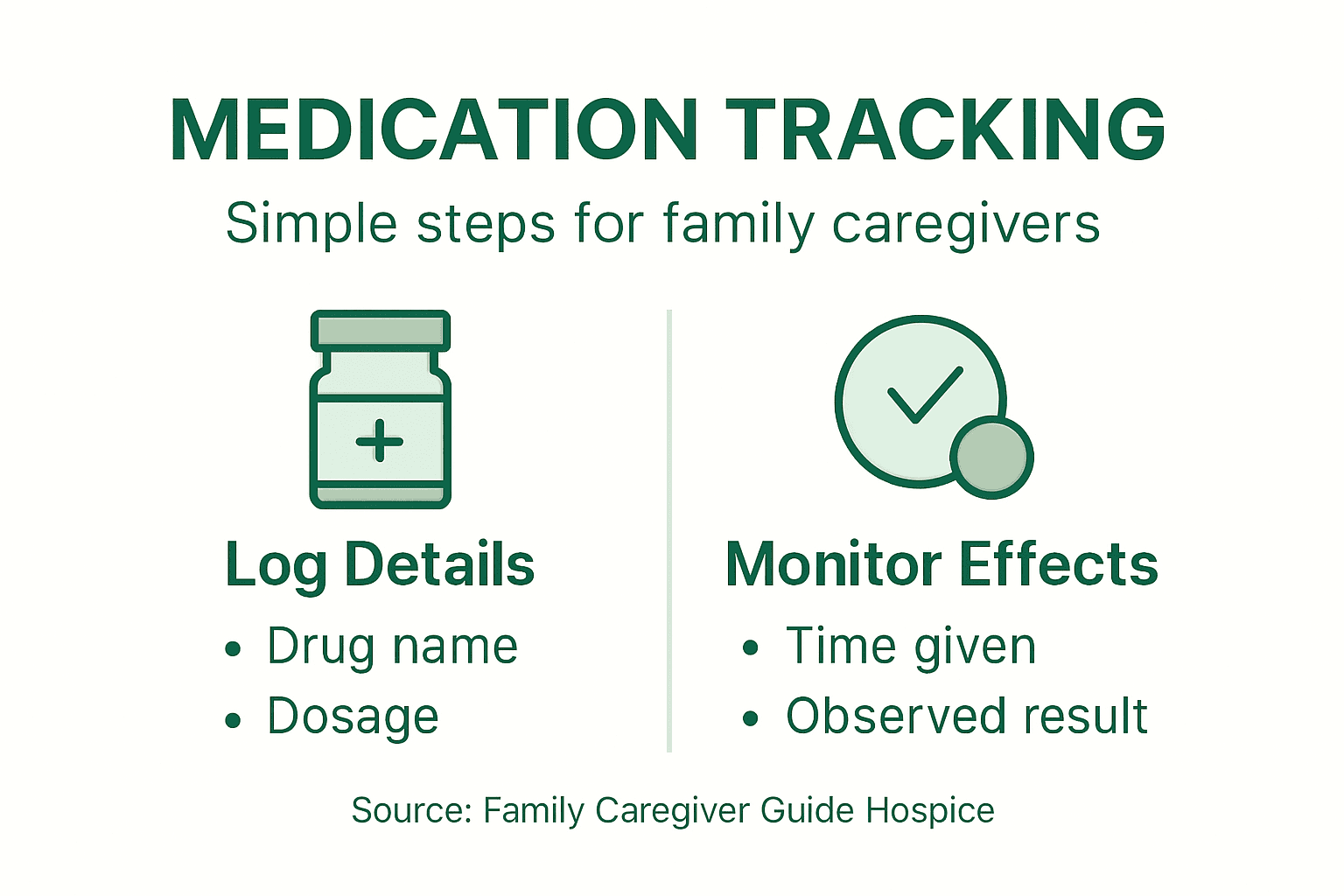
- Maintain a detailed medication log
- Understand each medication’s purpose and potential side effects
- Learn alternative medication administration routes
- Monitor for changes in symptoms
- Communicate regularly with hospice nurses
Your hospice team will help you develop a personalized approach to managing medications, which typically involves:
- Discontinuing non-essential medications
- Utilizing comfort-focused medication routes
- Adjusting dosages based on patient response
- Exploring non-pharmaceutical comfort measures
Comfort is about more than medications. It’s about creating a peaceful, supportive environment.
Understand medication administration techniques such as sublingual drops or subcutaneous injections, which can provide more immediate and targeted relief. Pay close attention to your loved one’s physical and emotional responses, and be prepared to communicate these observations to your healthcare team.
Pro tip: Create a medication tracking spreadsheet with columns for drug name, dosage, time administered, and observed effects to help your hospice team make precise care adjustments.
Step 4: Support Emotional and Spiritual Well-Being
Navigating the emotional landscape of hospice care requires extraordinary compassion, patience, and a deep understanding of your loved one’s inner world. This step focuses on creating a supportive environment that nurtures both emotional and spiritual needs during this profound life transition.
Hospice care guidelines emphasize the critical importance of addressing psychological and spiritual dimensions of end-of-life care. Emotional support goes far beyond medical treatment and involves creating a compassionate, understanding space where your loved one can express their deepest feelings and fears.
Key strategies for emotional and spiritual support include:
- Create opportunities for open, honest conversations
- Listen without judgment or attempting to ‘fix’ feelings
- Validate their emotions and experiences
- Respect their personal spiritual beliefs
- Encourage connections with loved ones
Specific approaches to providing meaningful support:
- Invite personal clergy or spiritual advisors
- Facilitate family conversations and memory sharing
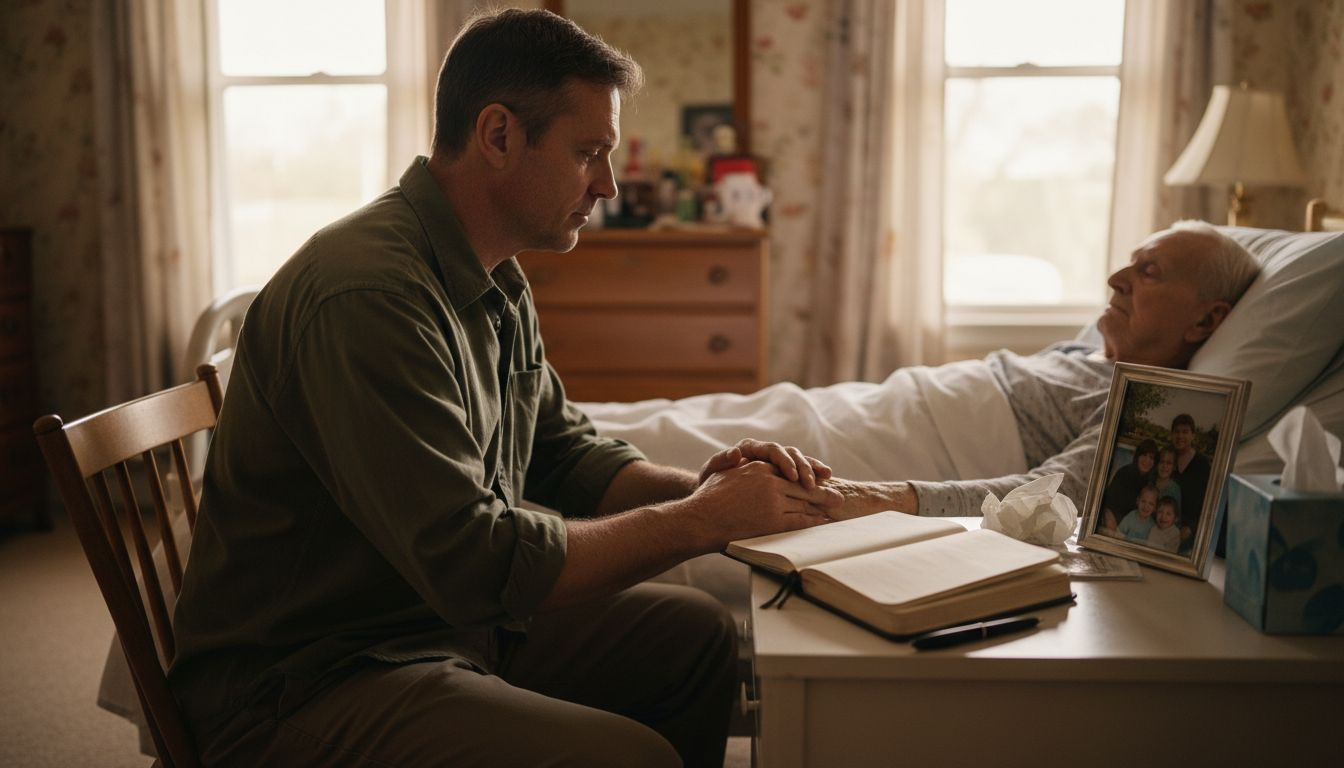
- Create peaceful, quiet moments for reflection
- Allow space for expressing complex emotions
- Offer physical comfort through gentle touch
Emotional healing happens in the quiet moments of connection and understanding.
Recognize the profound significance of these interactions. Your presence, compassionate listening, and willingness to sit with difficult emotions can provide immense comfort during this challenging journey.
Pro tip: Consider keeping a journal to document meaningful conversations and moments, which can provide healing and closure for both you and your loved one.
Step 5: Evaluate Care Quality and Adjust Support
Evaluating hospice care quality requires ongoing attention, compassion, and a commitment to ensuring your loved one receives the most responsive and personalized support possible. This critical step involves systematic observation, communication, and collaboration with your hospice team.
Quality evaluation guidelines emphasize a comprehensive approach to assessing patient comfort and care effectiveness. Continuous monitoring allows you to identify emerging needs and make timely adjustments that enhance your loved one’s quality of life.
Key areas to systematically evaluate include:
- Physical symptom management
- Emotional and spiritual well-being
- Medication effectiveness
- Patient comfort levels
- Caregiver support needs
Recommended strategies for effective care evaluation:
Compare these common methods for evaluating hospice care quality:
| Evaluation Method | What It Measures | Key Benefits |
|---|---|---|
| Regular Team Check-ins | Care effectiveness, needs changes | Timely adjustments to support |
| Family Observation Logs | Symptom progress, comfort | Personalized care improvement |
| Medication & Symptom Tracking | Medication impact, side effects | Safer, more responsive care |
- Schedule regular check-ins with hospice team
- Maintain detailed observation logs
- Track medication and symptom responses
- Communicate changes promptly
- Be open to adjusting care plans
Effective care is a dynamic process of listening, observing, and responding.
Develop a collaborative relationship with your hospice professionals. Their expertise combined with your intimate knowledge of your loved one creates a powerful partnership in delivering compassionate, personalized care.
Pro tip: Create a shared digital document or notebook where both you and hospice team members can record observations, ensuring seamless communication and comprehensive care tracking.
Compassionate Hospice Support for Family Caregivers
Caring for a loved one at home during hospice can be overwhelming. From managing medications and comfort measures to supporting emotional and spiritual well-being, family caregivers face complex challenges every day. This guide highlights key pain points such as coordinating with the hospice team, creating a comfortable and peaceful environment, and maintaining clear communication that honors your loved one’s dignity and needs.
At Graceland Hospice, we understand these challenges intimately. Our passionate team is dedicated to partnering with you to provide personalized care that eases the burden and enhances comfort. Explore more insights and support options on our blog and discover how our commitment to excellence ensures that you and your family receive the compassionate guidance needed for this difficult journey. Don’t wait to secure the tailored hospice care your loved one deserves. Contact us now for a free consultation and start creating a meaningful, supportive home hospice experience today at Graceland Hospice.
Frequently Asked Questions
How can I assess my loved one’s needs for hospice care at home?
Start by conducting a comprehensive assessment that considers both physical and emotional needs. Create a checklist of comfort items and prepared connections for support, which can enhance the quality of care provided.
What steps should I take to prepare my home for hospice care?
Begin by removing unnecessary medical equipment to create a calm environment. Ensure easy access for caregivers and position comfortable seating near your loved one to promote companionship.
How do I coordinate with the hospice team for personalized care?
Schedule an initial consultation with your hospice team to create a comprehensive care plan. Identify key contacts, establish clear communication channels, and document care plan details to ensure everyone is on the same page.
What should I monitor regarding medications and comfort measures?
Maintain a detailed medication log that includes the name, dosage, and any observed effects for each medication. Regularly communicate with your hospice team to adjust medications based on your loved one’s needs and comfort levels.
How can I support the emotional and spiritual well-being of my loved one in hospice care?
Create opportunities for open conversations and listen without judgment to validate their feelings. Encourage connections with family and spiritual advisors to foster a sense of peace during this transition.
What are effective ways to evaluate the quality of hospice care?
Regularly check in with your hospice team and maintain detailed observation logs. Track physical symptoms and medication responses to promptly communicate changes that may require adjustments in care.
Recommended
- Graceland Hospice Care | Compassionate End-of-Life Care
- Graceland Hospice Care | Compassionate End-of-Life Care
- Graceland Hospice Care | Compassionate End-of-Life Care
- Graceland Hospice Care | Compassionate End-of-Life Care
- Role of Caregivers in Hearing Aid Choice – Impact on Elderly Wellbeing – Audora
- Role of Family in Recovery – Supporting Lasting Change | Glendora Recovery Center
- Coping with Grief: Effective Steps for Healing After Loss - Mastering Conflict