Why Hospice Matters for Families at Home
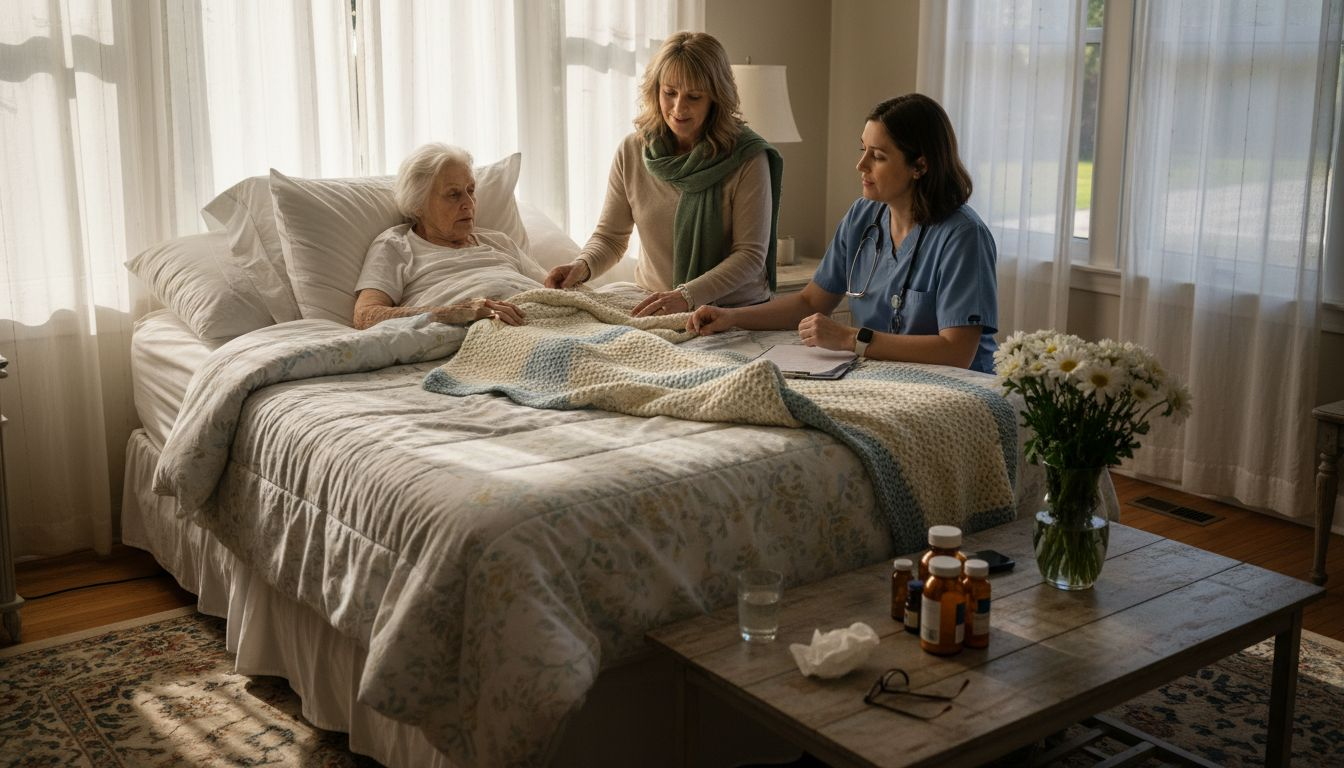
Why Hospice Matters for Families at Home
Caring for a dying parent at home brings a mix of emotional weight and practical challenges to families across Orange and Los Angeles counties. Hospice care offers comfort and dignity near the end of life, shifting the focus from aggressive treatments to creating peaceful moments in familiar surroundings. With guidance on what hospice truly provides, this article helps families understand their options, easing the process of choosing support that honors their loved one’s journey.
Table of Contents
- What Hospice Care Means and Provides
- Home-Based Hospice and Key Services
- Who Qualifies for Hospice and When to Start
- The Family’s Role and Support Systems
- Emotional, Legal, and Financial Dimensions
- Hospice Versus Alternatives: Making Informed Choices
Key Takeaways
| Point | Details |
|---|---|
| Holistic Hospice Care | Hospice care prioritizes comfort and dignity for patients with terminal illnesses, focusing on emotional, spiritual, and physical support. |
| Home-Based Model | Home-based hospice allows patients to receive care in familiar surroundings, emphasizing personalized support from a multidisciplinary team. |
| Eligibility Criteria | Patients must have a documented terminal diagnosis and a life expectancy of six months or less to qualify for hospice care. |
| Collaboration with Families | Families play a crucial role in hospice care, providing emotional support and communication with hospice professionals to enhance the patient’s quality of life. |
What Hospice Care Means and Provides
Hospice care represents a compassionate approach to end-of-life support that transforms medical treatment into holistic, comfort-focused care. When curative treatments are no longer effective, hospice shifts the primary goal from fighting the disease to ensuring maximum comfort, dignity, and quality of life for patients with terminal illnesses.
Understanding hospice care means recognizing its comprehensive philosophy of care. Comprehensive end-of-life support typically involves several critical components:
- Pain management and symptom relief
- Emotional and psychological support for patients
- Medical equipment and medication provisions
- Counseling services for patients and families
- Respite care for primary caregivers
- Spiritual and emotional guidance
The core principle of hospice care is maintaining patient comfort during their final months. Patients are usually expected to have six months or less to live, and the care is predominantly provided in their home environment, allowing them to remain surrounded by loved ones and familiar surroundings.
Hospice does not aim to hasten or prolong death, but instead focuses on supporting the patient’s natural journey with dignity and compassion.
For families in Orange and Los Angeles counties, hospice care provides a structured yet deeply personal approach to managing terminal illness. It recognizes that end-of-life care is not just about medical interventions, but about honoring the patient’s emotional, psychological, and spiritual needs during a profoundly challenging time.
Pro tip: Start conversations about hospice care early, allowing your family to understand preferences and make informed decisions before medical crises emerge.
Home-Based Hospice and Key Services
Home-based hospice care transforms the end-of-life experience by delivering comprehensive medical and emotional support directly to patients in the comfort of their own homes. Personalized hospice services create a compassionate environment that prioritizes patient dignity, comfort, and quality of life during life-limiting illnesses.
The home-based hospice model offers a multidimensional approach to care, encompassing several critical service dimensions:
- Round-the-clock medical monitoring and support
- Specialized pain and symptom management
- Personal care assistance
- Medical equipment provisions
- Emotional and spiritual counseling
- Respite care for family caregivers
- Bereavement support for families
Under this care model, comprehensive home healthcare is delivered by a dedicated multidisciplinary team. This team typically includes nurses, physicians, social workers, chaplains, and trained volunteers who collaborate to address the patient’s holistic needs.
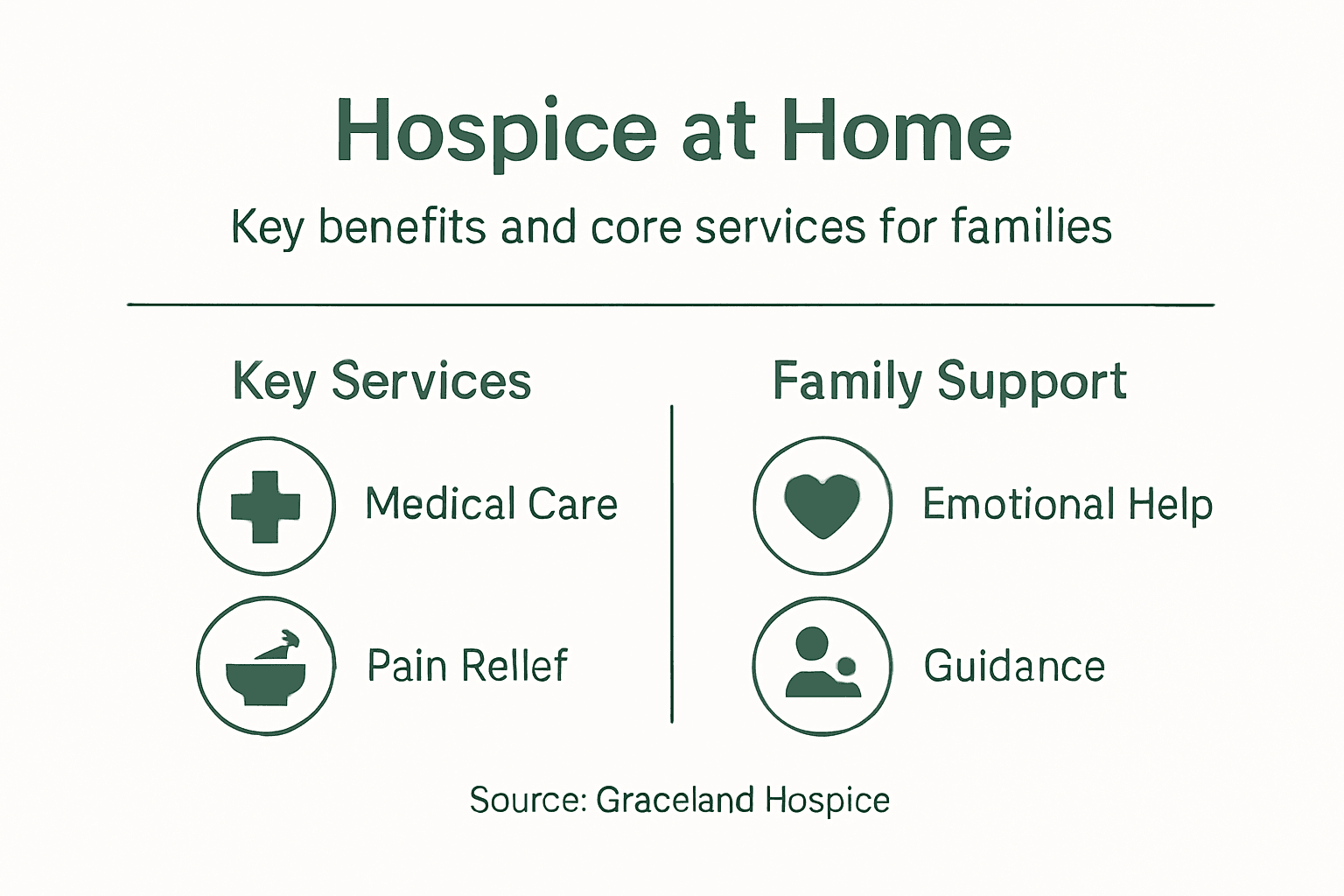
The following table summarizes key members of a hospice care team and their core roles:
| Team Member | Primary Role | Unique Contribution |
|---|---|---|
| Nurse | Coordinates medical care and support | Monitors symptoms and comfort |
| Social Worker | Assists with resources and counseling | Connects families to support |
| Chaplain | Offers spiritual and emotional care | Supports beliefs and meaning |
| Physician | Oversees overall treatment plan | Guides clinical decisions |
| Volunteer | Provides companionship and respite | Enhances daily quality of life |
Home-based hospice care recognizes that healing isn’t always about curing, but about providing comfort, dignity, and meaningful support during life’s most challenging moments.
For families in Orange and Los Angeles counties, home-based hospice represents a powerful alternative to traditional hospital care. It allows patients to remain in familiar surroundings, surrounded by loved ones, while receiving professional medical and emotional support tailored to their unique circumstances.
Pro tip: Create a dedicated, comfortable space in your home for hospice care, ensuring easy access for medical professionals and maximum comfort for your loved one.
Who Qualifies for Hospice and When to Start
Qualifying for hospice care involves a careful medical assessment that goes beyond simply having a serious illness. Comprehensive patient evaluation determines whether a patient meets the critical criteria for hospice support, typically focusing on terminal conditions with a life expectancy of six months or less.
Hospice eligibility typically involves several key factors:
- Documented terminal diagnosis from a licensed physician
- Medical confirmation of disease progression
- Expectation of six months or less life expectancy
- Patient’s decision to prioritize comfort over curative treatments
- Documented decline in overall health and functional status
- Significant symptom management requirements
- Patient and family agreement to hospice care approach
The timing of hospice care initiation is crucial and often misunderstood. End-of-life care planning requires careful consideration of the patient’s medical condition, personal wishes, and family support system. Many families wait too long, missing the opportunity to provide comprehensive, compassionate care during the most critical periods.
Hospice is not about giving up hope, but about redefining hope to focus on comfort, dignity, and quality of life in life’s final chapter.
For families in Orange and Los Angeles counties, understanding hospice qualification involves open conversations with healthcare providers. It’s essential to recognize that early hospice enrollment can provide better symptom management, emotional support, and a more peaceful transition for both patients and their loved ones.
Pro tip: Schedule a comprehensive consultation with your loved one’s physician to discuss hospice eligibility and care options well before they become medically urgent.
The Family’s Role and Support Systems
In the journey of hospice care, families are far more than passive observers—they are critical partners in providing compassionate end-of-life support. Family caregiver support dynamics reveal a complex landscape of emotional, practical, and logistical challenges that require strategic collaboration and understanding.
Family support responsibilities encompass multiple critical dimensions:
- Providing emotional comfort and companionship
- Assisting with daily personal care needs
- Communicating effectively with hospice professionals
- Managing medication and treatment protocols
- Maintaining patient dignity and emotional well-being
- Creating a supportive home environment
- Coordinating family communication and decision-making
Hospice care support strategies recognize the family as a unified care unit, acknowledging that the patient’s journey profoundly impacts every family member. Professional hospice teams offer comprehensive guidance, helping families navigate complex emotional terrain while providing practical caregiving skills and emotional processing support.
The most powerful support occurs when families work collaboratively, balancing individual strengths with collective compassion.
For families in Orange and Los Angeles counties, understanding these support dynamics means recognizing that hospice care extends far beyond medical management. It’s about creating a holistic support network that honors the patient’s dignity while providing emotional sustenance for everyone involved in the caregiving journey.

Pro tip: Establish a family communication plan early, designating specific roles and creating a supportive rotation to prevent caregiver burnout.
Emotional, Legal, and Financial Dimensions
Hospice care navigates a complex landscape of emotional, legal, and financial challenges that extend far beyond medical treatment. Medicare hospice regulations provide a comprehensive framework to support families during this profound transition, addressing critical aspects of end-of-life care.
Financial support dimensions include multiple critical coverage areas:
- Medicare hospice benefit provisions
- Medicaid coverage options
- Private insurance hospice benefits
- Potential out-of-pocket expense management
- Coinsurance and payment structures
- Sliding scale financial assistance programs
- Veteran-specific hospice benefits
Emotional support strategies recognize the profound psychological impact of end-of-life care. Hospice teams provide comprehensive bereavement counseling, grief support, and emotional guidance for both patients and family members, helping them navigate the complex emotional landscape of terminal illness.
The most meaningful support transcends financial transactions, focusing on human dignity, emotional healing, and compassionate care.
For families in Orange and Los Angeles counties, understanding these multifaceted dimensions means recognizing that hospice care is a holistic approach. It integrates emotional support, legal guidance, and financial resources to create a comprehensive safety net during one of life’s most challenging journeys.
Pro tip: Collect and organize all insurance documents, medical records, and financial information early to streamline hospice care access and reduce administrative stress.
Hospice Versus Alternatives: Making Informed Choices
Navigating end-of-life care options requires careful understanding of the nuanced differences between various medical support approaches. Palliative care distinctions reveal critical considerations for families facing complex medical decisions during challenging times.
Care approach comparisons include multiple critical dimensions:
- Treatment focus (curative vs. comfort)
- Eligibility requirements
- Service scope and limitations
- Insurance and financial coverage
- Patient prognosis considerations
- Emotional and psychological support
- Medical intervention levels
End-of-life care options demonstrate that choosing between hospice and alternative care models involves understanding subtle but significant differences. Palliative care can be provided at any illness stage and alongside curative treatments, while hospice care specifically targets patients with six months or less life expectancy, prioritizing comfort over medical intervention.
Here is a comparison of hospice care and palliative care to help clarify their differences:
| Care Aspect | Hospice Care | Palliative Care |
|---|---|---|
| Primary Goal | Comfort and quality of life | Symptom relief at any illness stage |
| Eligibility | Terminal illness, <6 months to live | Any serious illness, any stage |
| Treatment Focus | Comfort, not curative | Curative and comfort |
| Care Location | Home, hospice facility | Hospital, home, or clinic |
The most meaningful medical choices emerge from understanding individual needs, not from standardized protocols.
For families in Orange and Los Angeles counties, making informed choices means having transparent conversations with healthcare providers, understanding personal medical goals, and recognizing that each care approach offers unique benefits tailored to specific medical circumstances.
Pro tip: Schedule comprehensive consultations with medical professionals to thoroughly explore and compare all available care options before making final decisions.
Compassionate Hospice Care That Supports Your Family at Home
Facing the challenge of providing comfort and dignity during a loved one’s final months can feel overwhelming. This article highlights the importance of hospice care at home and the emotional, medical, and logistical support families need to navigate this difficult journey. Key concerns include managing pain, ensuring emotional well-being, and coordinating care while maintaining the patient’s comfort in their familiar surroundings.
At Graceland Hospice, we understand these critical needs and are dedicated to delivering compassionate, comprehensive care that truly honors your family’s wishes. Our skilled team offers personalized support in Orange and Los Angeles counties to ease the burden on caregivers and provide round-the-clock assistance. Discover how our expert hospice care services can help manage symptoms, provide emotional comfort, and create a peaceful home environment for your loved one.
If you want to put your family’s comfort first and explore how hospice can transform these challenging times, do not wait for a crisis. Reach out today for a free consultation at Graceland Hospice and take the first step toward compassionate, professional support tailored to your unique needs. Learn more about why home-based hospice care is the most meaningful choice for families seeking dignity and peace at life’s end.
Frequently Asked Questions
What is hospice care?
Hospice care is a compassionate, holistic approach to end-of-life support that focuses on maximizing comfort, dignity, and quality of life for patients with terminal illnesses when curative treatments are no longer effective.
When should hospice care be initiated?
Hospice care should be considered when a patient is expected to have six months or less to live and has chosen to prioritize comfort over curative treatments. Early enrollment can enhance symptom management and emotional support for both patients and families.
What services are typically included in home-based hospice care?
Home-based hospice care typically includes round-the-clock medical support, specialized pain and symptom management, personal care assistance, emotional and spiritual counseling, and respite care for family caregivers.
How does hospice care benefit families?
Hospice care benefits families by providing comprehensive support that not only addresses the medical needs of the patient but also offers emotional, psychological, and spiritual assistance, helping families navigate the complexities of end-of-life care.